DbcultAccessing Vault...
Cult Review
Senior Film Conservator
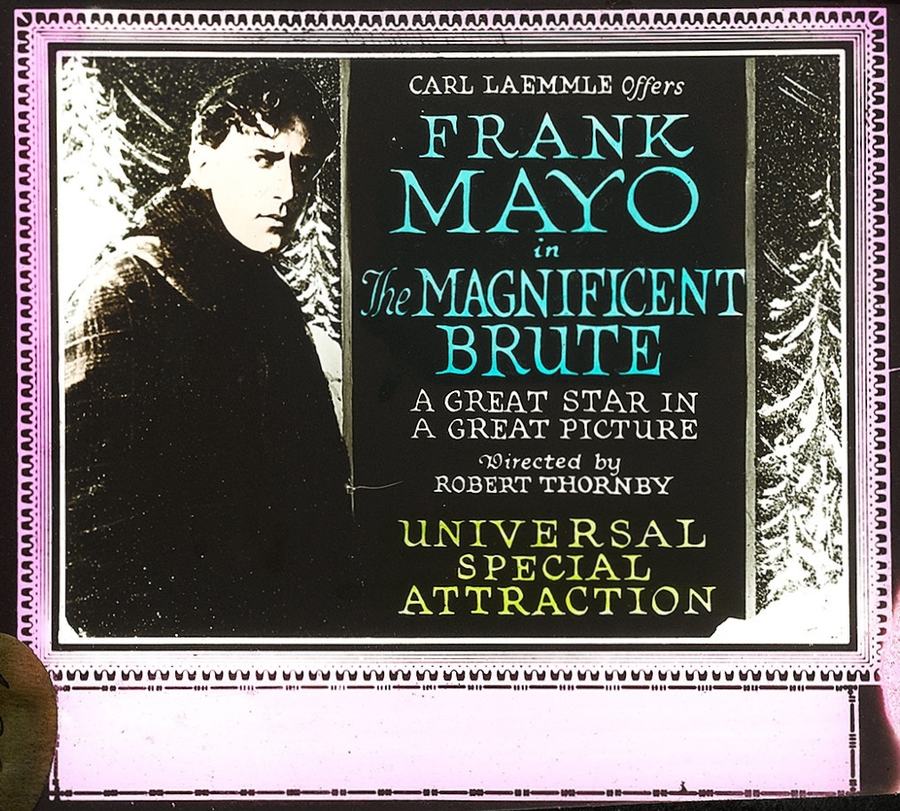
The Magnificent Brute
, released in 1921, stands as a quintessential artifact of the Northwoods subgenre, a cinematic space where the elemental forces of nature collide with the encroaching 'sophistication' of the urban world. Unlike the psychological duplicity explored in Dr. Jekyll and Mr. Hyde (1920), where the monster resides within, this film externalizes its conflict through the casting of Victor Raoul against the Marquis Courtière. It is a study in atavistic masculinity, where the 'brute' of the title is not the villain, but the misunderstood hero whose virtues are too raw for the polite deceits of the city.The visual language of the film, directed with a keen eye for environmental pressure, utilizes the snow-blind vistas of Canada as more than a mere backdrop; the landscape is a moral arbiter. The trading post at St. Ignace is depicted as a claustrophobic hub of greed and desire, a stark contrast to the open, albeit lethal, freedom of the trapping lines. The cinematography captures the grit of the era, avoiding the polished sheen of later studio efforts to favor a rugged chiaroscuro that emphasizes the weathered faces of its cast. When we look at the physical presence of Frank Mayo as Raoul, we see a performance that rivals the raw power found in Marvelous Maciste, though Mayo swaps the mythological grandeur for a grounded, mud-and-blood realism.
The screenplay, penned by the formidable duo of Malcolm Stuart Boylan and Lucien Hubbard, navigates the treacherous waters of melodrama without succumbing to the saccharine pitfalls of its contemporaries. There is a lean, muscular quality to the narrative progression. The introduction of the Marquis Courtière is handled with a subtle venom; he is the 'civilized' man whose refinement is a cloak for a predatory nature. This dynamic was a common trope in the early 1920s, yet here it feels remarkably urgent, perhaps due to the genuine sense of isolation the film evokes.
At the heart of the film lies the romantic triangle involving Yvonne, played with a blend of vulnerability and burgeoning agency by Dorothy Devore. Yvonne is not merely a prize to be won but the moral compass of the story. Her attraction to the Marquis is a flirtation with the exotic, a common theme explored in films like The Nut, where the allure of high society masks a vacuous core. However, as the plot thickens, her realization of Raoul’s inherent nobility provides the film’s emotional anchor. The Marquis represents the encroaching corporate interests—the fur company that views the North not as a home, but as a resource to be stripped. Raoul, by contrast, is the steward of the land.
The tension between Raoul and Fontaine, his business partner, adds a layer of Shakespearean tragedy to the proceedings. The betrayal is not just romantic but familial and commercial. When Fontaine is attacked, the film shifts from a frontier drama into a proto-noir thriller. The framing of Raoul is executed with a chilling efficiency that predates the complex frame-ups seen in later crime procedurals like Officer 666. The speed with which the community turns on Raoul speaks volumes about the precarious nature of social standing in a lawless land.
The climax of
The Magnificent Brute
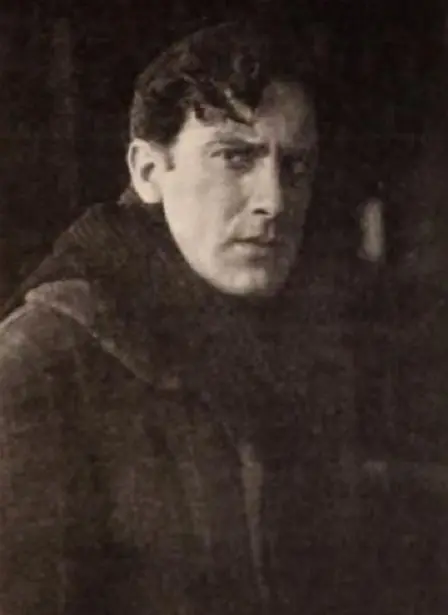
Raoul’s stoicism in the face of death is a masterclass in silent acting. Mayo conveys a sense of weary resignation, the look of a man who has fought the elements all his life only to be brought down by the petty jealousies of his fellow man. This moment of existential dread is a far cry from the more lighthearted adventures of Edgar, the Explorer. It aligns more closely with the heavy, portentous atmosphere of European imports such as Du sollst keine anderen Götter haben or the psychological depth of A lélekidomár.
The inclusion of the North-West Mounted Police as the 'deus ex machina' might seem cliché to modern audiences, but in the context of 1921, it was a powerful symbol of the Canadian national identity—the 'Mountie' who always gets his man. This structural choice reinforces the theme of order versus chaos. The arrival of the law is not just a plot device to save the hero; it is the formal closing of the frontier. The film balances this with the personal testimony of Yvonne, ensuring that the resolution is as much about individual truth as it is about institutional justice.
Comparing this to Fighting Blood, one notices a significant difference in how violence is portrayed. In
The Magnificent Brute
, violence is never celebratory; it is a heavy, consequential burden. Even the 'fighting' mentioned in Fighting for Gold lacks the somber undertones found here. The writers Hubbard and Boylan ensure that every punch thrown and every accusation leveled carries the weight of a life-altering decision. This level of narrative maturity was rare in an era often dominated by slapstick or overly simplistic morality plays.While often overshadowed by the larger-than-life epics of the 1920s,
The Magnificent Brute
deserves a prominent place in the pantheon of early silent drama. It captures a specific moment in time when the world was oscillating between the memory of the wild and the reality of the industrial. The performances by Lillian Ortez and J. Jiquel Lanoe provide a supporting texture that makes St. Ignace feel like a lived-in community rather than a mere movie set. The film’s exploration of the 'foreigner' as a disruptive force—the Marquis—reflects the era's anxieties about shifting social hierarchies and the loss of local autonomy.In the grand tapestry of 1921 cinema, which gave us everything from the whimsical The Blue Bonnet to the haunting Memoria dell'altro, this film remains a steadfast example of the power of the Northwoods narrative. It is a story of redemption, not through the acquisition of wealth or status, but through the preservation of one’s integrity in a world designed to strip it away. Like the sturdy Romanian fortress in Cetatea Neamtului, Raoul stands firm against the siege of modernity and malice. For any serious student of silent film, or for those who simply appreciate a tale of man against the elements and his own darker nature, this is essential viewing. It is a magnificent, brutal, and ultimately beautiful piece of celluloid history.
IMDb 6.7
1931
Community
Log in to comment.