DbcultAccessing Vault...
Cult Review
Senior Film Conservator
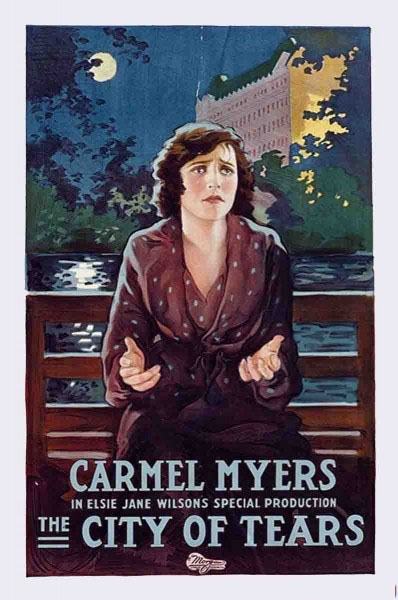
Ah, the silent era! A time when emotions were writ large on the screen, conveyed through the nuanced flicker of an actor's eye or the dramatic sweep of a gesture. It was an epoch where storytelling transcended spoken dialogue, relying instead on the universal language of human experience. Among the myriad cinematic offerings from this period, The City of Tears emerges as a particularly poignant artifact, a delicate yet powerful exploration of vulnerability, resilience, and the unexpected arteries of kindness that pulse beneath the hardened exterior of urban life. This isn't merely a film; it's a meticulously crafted emotional landscape, inviting viewers to immerse themselves in the quiet struggles and small victories of its characters.
At its core, The City of Tears is a narrative spun from the threads of everyday hardship, elevated by a compassionate gaze. We are introduced to a young chorus girl, a figure often relegated to the background of grander narratives, yet here, she stands squarely in the spotlight of her own unfolding tragedy. Her world, initially painted with the vibrant hues of theatrical ambition, is abruptly desaturated when the opera company she belongs to disbands. This isn't just a loss of employment; it's the shattering of a dream, the crumbling of a carefully constructed future built on the precarious foundation of artistic aspiration. Her savings, a modest but vital fifty dollars, represent not just currency, but security, hope, and a buffer against the harsh realities of poverty. The theft of this sum is a gut-wrenching blow, stripping her bare of both material comfort and psychological fortitude. It’s a moment that resonates with a profound sense of injustice, a cruel twist of fate that leaves her adrift in a city that often feels indifferent to individual suffering.
The film’s genius lies in its refusal to wallow in unmitigated despair. Instead, it carefully orchestrates a narrative arc that moves from profound despondency to a burgeoning sense of hope. Enter the kindly Italian delicatessen worker, a character whose unassuming presence becomes a beacon in the protagonist's darkening world. This isn't a flamboyant hero or a dramatic rescuer; he is a man of quiet dignity and inherent goodness, embodying the simple, yet transformative, power of human empathy. His friendship is not transactional; it is an offering of genuine concern, a lifeline extended without expectation. This relationship forms the beating heart of the film, illustrating how profound connections can forge themselves in the unlikeliest of circumstances, transcending social strata and cultural divides.
Olga Printzlau, the film's writer, deserves immense credit for crafting a screenplay that, despite its silent nature, speaks volumes. Her narrative is a masterclass in emotional economy, each intertitle and visual cue precisely placed to amplify the story's impact. Printzlau understands the delicate balance between depicting hardship and celebrating resilience, ensuring that the audience feels the weight of the chorus girl's struggles without succumbing to cynicism. Her work here, much like in The Stronger Love, demonstrates a keen insight into the human condition, particularly the often-overlooked resilience of women facing societal pressures and personal tribulations. She eschews grand pronouncements for intimate portrayals, allowing the quiet dignity of the characters to shine through.
The cast of The City of Tears delivers performances that are nothing short of captivating. Carmel Myers, in the role of the beleaguered chorus girl, imbues her character with a fragile vulnerability that quickly transforms into a quiet strength. Her expressions, often subtle yet always eloquent, convey the depths of her despair, the flicker of her hope, and the slow dawning of trust. It’s a performance that speaks to the innate human capacity for endurance, echoing the powerful portrayals of women navigating difficult circumstances seen in films like Little Women, where female protagonists grapple with adversity with grace and fortitude.

Edwin August, as the kindly delicatessen worker, is equally compelling. He projects an aura of gentle warmth and steadfast reliability, making his character instantly endearing. His is a portrayal of understated heroism, a testament to the idea that true strength often lies in compassion and generosity. The chemistry between Myers and August is palpable, a silent dialogue of burgeoning friendship and mutual respect that forms the emotional bedrock of the film. Their interactions are a masterclass in non-verbal communication, a testament to the power of the silent screen to convey profound human connection without a single spoken word.
Leatrice Joy, another prominent figure in the cast, brings her characteristic vivacity and dramatic flair to her role, adding another layer of complexity to the ensemble. While her specific character details are not fully elaborated in the provided synopsis, her presence typically guaranteed a performance of significant emotional weight and engaging screen presence. One can imagine her character serving as either a foil or a source of support, further enriching the tapestry of the chorus girl's urban odyssey. The performances are further bolstered by the contributions of Lottie Kruse and Earle Rodney, whose nuanced portrayals fill out the world of the film, giving it a rich, lived-in feel.
The visual language of The City of Tears is as eloquent as its performances. The cinematography, though characteristic of its era, often achieves moments of striking beauty and stark realism. The bustling cityscapes are captured with an eye for both their grandeur and their isolating anonymity. There are undoubtedly sequences that highlight the stark contrast between the city's opulent facades and the grim reality faced by those on its margins, a thematic thread explored in other contemporary works like Just Out of College, which often depicted the challenges of navigating urban environments. The use of light and shadow, a hallmark of silent cinema, is employed to great effect, emphasizing emotional states and building atmospheric tension. A dimly lit tenement room can feel like a prison, while the sun filtering through a shop window can evoke a nascent sense of hope.
The direction, while uncredited in the brief provided details, masterfully guides the narrative with a steady hand. The pacing is deliberate, allowing moments of quiet reflection to breathe, while also building dramatic tension where necessary. The director understands the rhythm of silent storytelling, knowing precisely when to hold a close-up on a tear-streaked face and when to pull back to reveal the wider, often indifferent, world. This careful orchestration of visual information ensures that the audience is fully immersed in the protagonist's journey, feeling every setback and every small triumph. The film’s ability to evoke such profound emotion without dialogue is a testament to its strong directorial vision, much like the compelling visual storytelling in The Golem, which used expressionistic visuals to convey its powerful narrative.
Beyond its immediate plot, The City of Tears delves into universal themes that remain relevant even today. It explores the corrosive effects of poverty, the vulnerability of those without a safety net, and the profound impact of a single act of kindness. The theft of the chorus girl's savings is not just a plot device; it's a stark reminder of the precarity of life for many, a theme powerfully explored in other social dramas of the era. Yet, the film counters this bleakness with an unwavering belief in the human spirit's capacity for resilience and compassion.
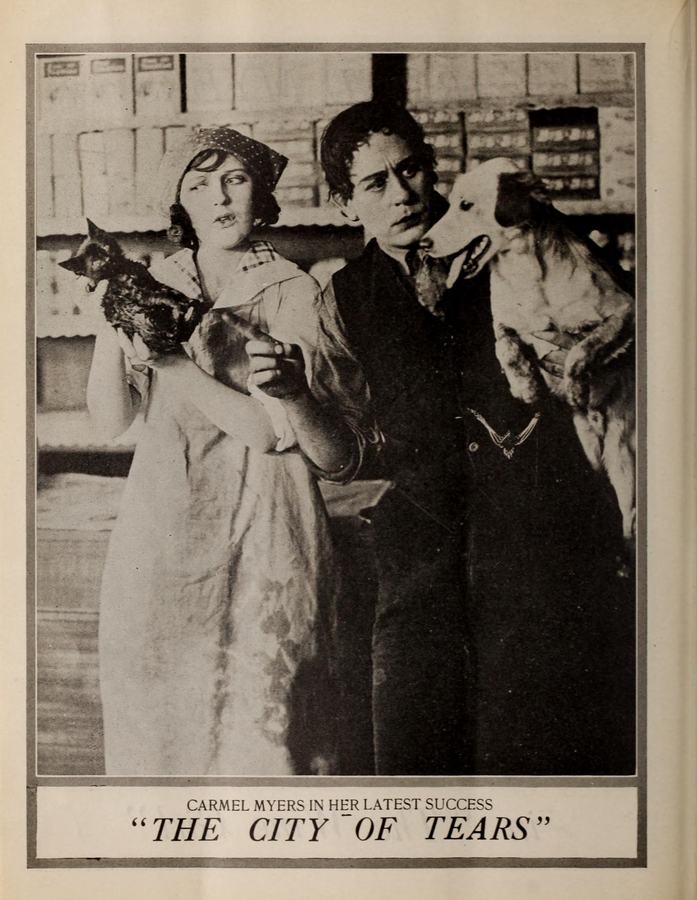
The friendship that blossoms between the chorus girl and the delicatessen worker is a powerful testament to the idea that community can be found in unexpected places. In a city often depicted as cold and impersonal, these two individuals forge a connection that offers warmth and solace. This theme of finding connection amidst isolation is a recurring motif in cinema, and The City of Tears handles it with a delicate touch, avoiding sentimentality in favor of genuine emotional resonance. It reminds us that even in the most challenging of circumstances, the human need for connection and belonging remains paramount.
Revisiting films like The City of Tears offers a unique window into the cinematic sensibilities of a bygone era. It allows us to appreciate the artistry and innovation that defined silent cinema, a period too often dismissed as merely a precursor to sound films. These movies, with their reliance on visual storytelling and heightened emotionality, communicate directly with the audience's subconscious, bypassing the literalism of dialogue to tap into deeper feelings. The power of a film like this lies in its ability to transcend its historical context and speak to contemporary audiences about timeless human struggles and triumphs. It stands as a powerful reminder that compelling narratives and profound emotional experiences do not require intricate special effects or booming soundtracks; they require only a sincere understanding of the human heart.
One might draw parallels between the quiet desperation and unexpected moments of grace in The City of Tears and the intricate character studies found in films like One Day, which, despite being from a different era, also explores the unfolding of human relationships and the impact of seemingly small events on individual lives. Similarly, the resilience of the female protagonist against societal odds brings to mind the spirit of characters in films such as Mary Lawson's Secret or Her Greatest Performance, where women navigate complex moral and social landscapes with determination and inner strength. The emotional depth and nuanced portrayals of struggle and perseverance are a testament to the enduring power of silent cinema to convey universal truths.
In conclusion, The City of Tears is more than just a historical curiosity; it is a vital piece of cinematic heritage that continues to resonate. It’s a film that asks us to look beyond the surface, to recognize the struggles of those around us, and to appreciate the profound impact that simple acts of kindness can have. Through the compelling performances of Carmel Myers, Edwin August, and Leatrice Joy, and the insightful writing of Olga Printzlau, the film weaves a narrative that is both heartbreaking and ultimately uplifting. It’s a powerful reminder that even in the eponymous city of tears, glimmers of hope and human connection can always be found, illuminating the darkest corners with their gentle glow. This silent drama speaks volumes, proving that compassion is a language understood by all, across all eras and cultures. It underscores the profound truth that sometimes, the greatest strength lies not in grand gestures, but in the quiet, unwavering support offered by one human being to another.
The film’s legacy lies in its ability to move and inspire, demonstrating the timeless appeal of stories centered on human perseverance. It serves as an excellent example of how early cinema tackled complex social issues and emotional arcs with remarkable sophistication. For those who appreciate the delicate artistry of silent film, or indeed anyone seeking a narrative rich in emotional depth and humanistic themes, The City of Tears offers a profoundly rewarding experience. It's a journey through despair, uplifted by the unexpected grace of human connection, leaving an indelible mark on the viewer's heart. Its narrative of overcoming adversity with the help of unexpected allies is a timeless tale, echoed in countless stories of human endeavor, from the personal struggles in Unto Those Who Sin to the communal efforts in The Seven Sisters. This film, though silent, speaks with a voice that continues to resonate powerfully, urging us to remember the enduring strength found in empathy and shared humanity.

IMDb 7.2
1931
Community
Log in to comment.