DbcultAccessing Vault...
Cult Review
Senior Film Conservator
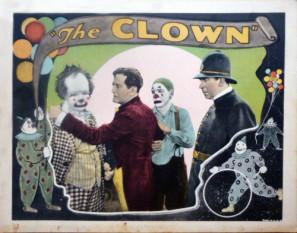
Ah, the silent era. A time when emotions spoke volumes without uttering a single word, when the grand gestures and subtle nuances of performance carried the entire weight of a narrative. In this rich tapestry of early cinema, 1916's The Clown emerges as a particularly poignant thread, weaving a story of sacrifice, unrequited love, and the profound search for one's true calling. Directed with a keen eye for human drama by William C. deMille, and penned by the insightful Marion Fairfax, this film transcends its age, offering a timeless meditation on what it truly means to give of oneself for the happiness of another. It’s a melodrama, yes, but one imbued with a surprisingly modern sensibility regarding self-worth and the societal pressures that can contort our paths.
At its core, The Clown introduces us to Piffle, a character brought to life with understated grace by Horace B. Carpenter. Piffle isn't merely a performer; he is the embodiment of joy, a conduit for laughter in the vibrant, chaotic world of the circus. His initial act of heroism, a daring rescue of Judge Jonathan Le Roy's son from a team of bolting horses, sets in motion a chain of events that will reshape his entire existence. This isn't a mere plot device; it's the crucible in which Piffle's profound capacity for selflessness is first forged, an act of pure, instinctual bravery that elevates him beyond his painted persona. His subsequent convalescence in the opulent, yet emotionally sterile, environment of the Le Roy household serves as a stark contrast to his usual vibrant surroundings, highlighting the chasm between his world and that of the gentry.
It is within these unfamiliar walls that Piffle encounters Millicent, the judge's daughter, portrayed by Florence Dagmar with a delicate blend of vulnerability and quiet strength. Piffle falls deeply, irrevocably in love. But Millicent's heart, though burdened, belongs to another – Dick Ordway. The news of Dick's supposed demise, coupled with the scandalous truth of her unborn child, pushes Millicent to the precipice of despair. Her attempted suicide, a desperate act of a woman trapped by societal expectations and personal tragedy, is a moment of stark, raw emotion, powerfully conveyed through Dagmar's performance. Piffle's second act of heroism, saving her from the depths of the water, is even more profound than the first. It's not just a physical rescue; it's an emotional lifeline, a selfless offer of marriage and paternity to a child not his own. This pivotal decision, born of pure, unadulterated love, defines his character and sets the stage for the film's central conflict. Millicent’s acceptance, born of necessity rather than affection, is a heartbreaking testament to the limited choices available to women in that era, often forced into unions for social preservation rather than personal fulfillment. This echoes themes seen in other melodramas of the time, where women faced immense pressure, sometimes leading to tragic outcomes, much like the challenging predicaments explored in films such as Her Bitter Cup or even the moral quandaries presented in Thou Shalt Not Covet, where characters grapple with difficult choices under the weight of societal judgment.
At the insistence of Judge Le Roy, a character who embodies the rigid social conventions of the time, Piffle abandons his life in the circus to become a banker. This transformation is not merely a change of profession; it's a symbolic stripping away of his true identity. The vibrant, expressive clown is replaced by the staid, respectable banker. Horace B. Carpenter subtly portrays this internal struggle, his eyes conveying a quiet melancholy beneath the forced composure. The banking world, with its focus on ledgers and profits, is a stark prison for a spirit accustomed to the effervescent joy of the big top. This forced conformity, the sacrifice of one's authentic self for the sake of another's perceived well-being, is a powerful thematic undercurrent, resonating with anyone who has ever felt compelled to live a life not entirely their own.
The narrative takes a dramatic turn with the unexpected reappearance of Dick Ordway, played by Tom Forman. Dick's return, initially driven by financial aspirations rather than romantic ones (his desert mine has struck bonanza!), sets the stage for the film's climactic emotional confrontation. His attempts to buy back shares, particularly Piffle's refusal to sell, lead him to the Le Roy home, culminating in an inevitable and poignant reunion with Millicent. The silent film excels in these moments, allowing the actors' expressions and body language to convey the complex surge of emotions – surprise, longing, regret, and the undeniable spark of rekindled love. The scene where Millicent and Dick realize their enduring affection, despite the years and the intervening marriage, is handled with a delicate touch, avoiding overt melodrama in favor of quiet, intense recognition.
Piffle's realization that Millicent and Dick's love remains vibrant is the film's most heartbreaking, yet ultimately uplifting, moment. His decision to step aside, to relinquish his claim on Millicent and the life he built for her sake, is the ultimate act of self-sacrifice. It’s a profound understanding that true love sometimes means letting go, even when it tears your own heart asunder. This isn't a defeat; it’s a victory of the spirit. He returns to the circus, not as a broken man, but as one who has found his true purpose. The final scenes of Piffle bringing joy to children are not just a return to his old life; they represent his reclamation of self, his understanding that his greatest fulfillment lies not in romantic possession, but in the pure, unadulterated act of giving happiness. It’s a powerful statement about identity, purpose, and the unique kind of joy that comes from fulfilling one's inherent nature, a thematic resonance that might even be compared to the journey of self-discovery in films like Az utolsó bohém, which also explores the life of a bohemian artist and their unique path.
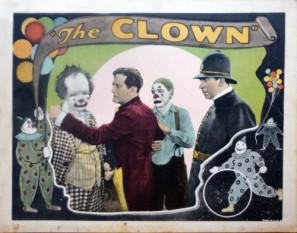
The cast of The Clown, despite the limitations of silent film acting (or perhaps, because of them), delivers performances that are both nuanced and impactful. Horace B. Carpenter as Piffle is a revelation. He conveys an incredible range of emotion – the innocent joy of the clown, the quiet devotion of the lover, the stoic resignation of the self-sacrificer, and finally, the serene contentment of the man who has found his true calling. His eyes, his posture, his every gesture are meticulously crafted to communicate Piffle's internal world. Florence Dagmar, as Millicent, navigates a difficult role with commendable skill, portraying a woman caught in a web of circumstance, her longing for genuine love palpable. Tom Forman brings a believable charisma to Dick Ordway, making his sudden return both a source of hope and complication. Even supporting players like Gerald Ward, Ernest Joy, Billy Jacobs, Thomas Meighan, Wallace Pyke, and Victor Moore contribute to the film's rich texture, each adding layers to the narrative's emotional landscape.
Marion Fairfax, the writer, deserves significant credit for crafting a narrative that, while adhering to the melodramatic conventions of its time, still manages to feel deeply human and emotionally resonant. Her script explores themes of duty versus desire, the nature of true love, and the often-unseen sacrifices made in the name of happiness. The character arcs are well-defined, and the pacing, while deliberate, allows for the emotional weight of each scene to fully sink in. Fairfax's ability to create such compelling characters and situations, particularly for a silent film where dialogue is absent, speaks volumes about her skill as a storyteller. Her work here demonstrates a profound understanding of human psychology and the dramatic potential of silent storytelling, arguably more complex than some of the more straightforward adventure serials of the era like Lucille Love: The Girl of Mystery.
The Clown, though perhaps not as widely remembered as some of its more epic silent counterparts, holds a significant place in the annals of early cinema. It's a testament to the power of simple, honest storytelling and the enduring appeal of a hero who finds his strength not in conquest, but in compassion. The film’s exploration of identity, particularly the juxtaposition of Piffle's authentic self as a clown against his forced persona as a banker, remains remarkably relevant. It challenges viewers to consider what truly constitutes a fulfilling life and where true happiness lies. The contrast between the superficiality of social standing and the profound depth of genuine emotion is a theme that resonates across generations. It reminds us that sometimes, the greatest acts of love are not about holding on, but about letting go, allowing those we cherish to find their own happiness, even if it means our own heartbreak. This makes it a compelling watch for anyone interested in the evolution of cinematic storytelling and the timeless appeal of a well-told human drama. Its emotional depth and character-driven narrative distinguish it from many of the action-oriented or purely comedic films of the period, positioning it closer to the dramatic weight of something like Uncle Tom's Cabin in terms of its serious thematic exploration, albeit on a more personal scale.
In conclusion, The Clown is more than just a silent film; it's a profound character study, a moving melodrama, and a timeless exploration of the human heart. It showcases the immense talent of its cast and crew, proving that even without spoken words, a story can possess incredible emotional depth and leave a lasting impact. If you have the opportunity to delve into this gem from 1916, prepare to be touched by Piffle's journey, his sacrifices, and his ultimate, beautiful return to the joyous embrace of his true self. It's a reminder that sometimes, the most profound wisdom is found not in grand pronouncements, but in the quiet, selfless acts of a painted smile.
IMDb 5.5
1932
Community
Log in to comment.