DbcultAccessing Vault...
6/10
Senior Film Conservator
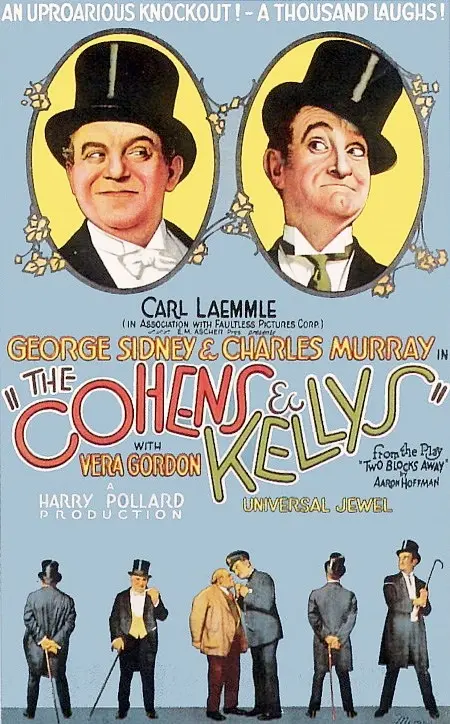
A definitive 6/10 rating for a film that redefined the boundaries of cult cinema. The Cohens and Kellys remains a cornerstone of transgressive art.
Is The Cohens and Kellys worth watching today? Short answer: Yes, but strictly as a historical artifact for those who want to see the DNA of the modern sitcom.
This film is for cinema historians and fans of early 20th-century social dynamics. It is definitely NOT for viewers who are easily offended by broad, dated ethnic stereotypes or those who demand fast-paced modern editing.
1) This film works because the physical chemistry between George Sidney and Charles Murray creates a genuine sense of lived-in rivalry that transcends the silent medium.
2) This film fails because it relies on repetitive tropes that can feel exhausting over a full-length feature, often sacrificing character depth for a quick gag.
3) You should watch it if you want to understand the origins of the 'odd couple' archetype that would eventually dominate American television for decades.
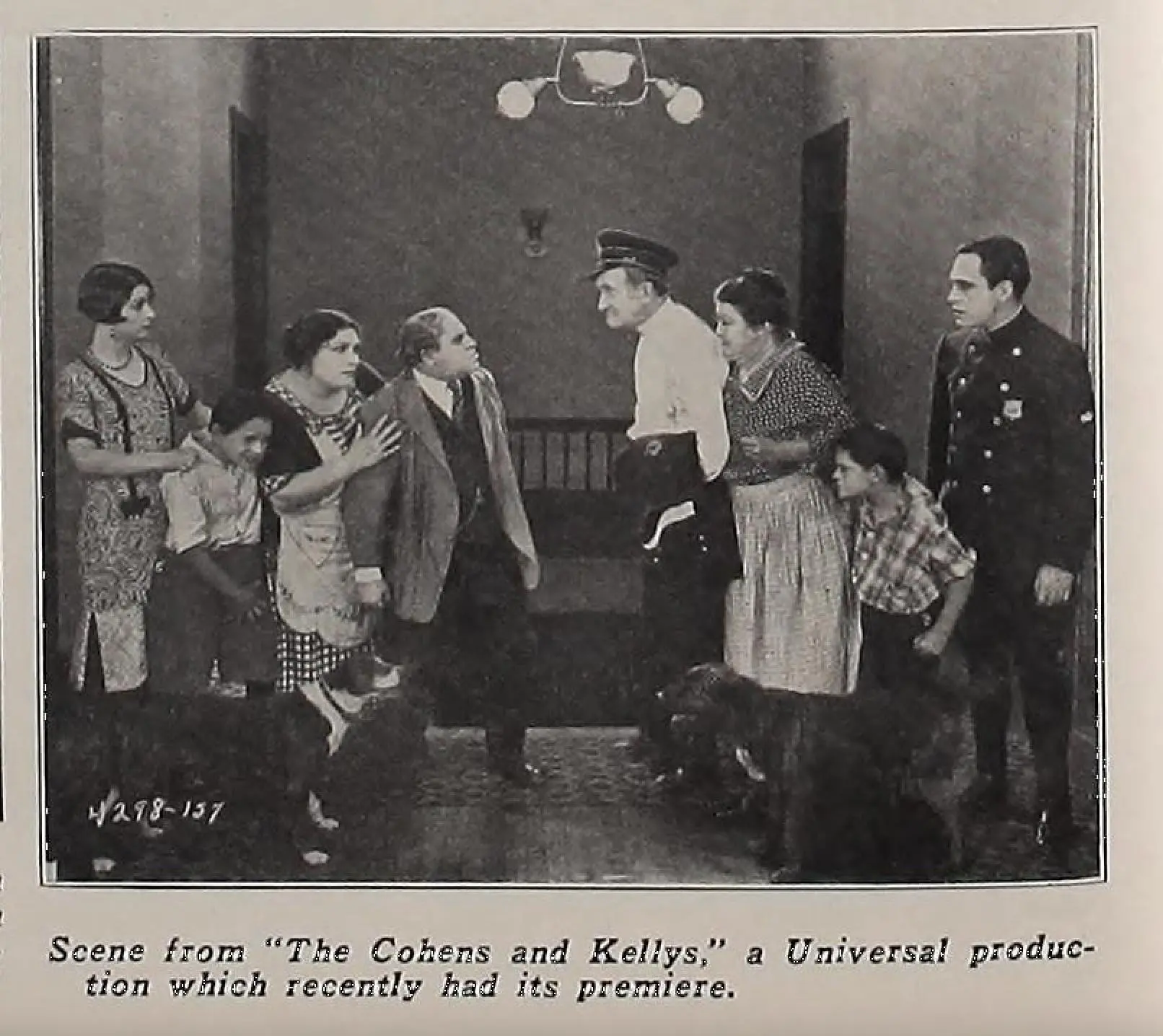
Director Harry A. Pollard captures a very specific version of New York that feels both claustrophobic and vibrant. The opening scenes, which establish the daily skirmishes between Jacob Cohen and Patrick Kelly, are masterclasses in visual storytelling.
Every interaction is a negotiation of space. Whether it is a shared hallway or a window ledge, the film uses the architecture of poverty to drive the comedy. This isn't just slapstick; it’s a reflection of the real-world tensions in 1920s immigrant neighborhoods.
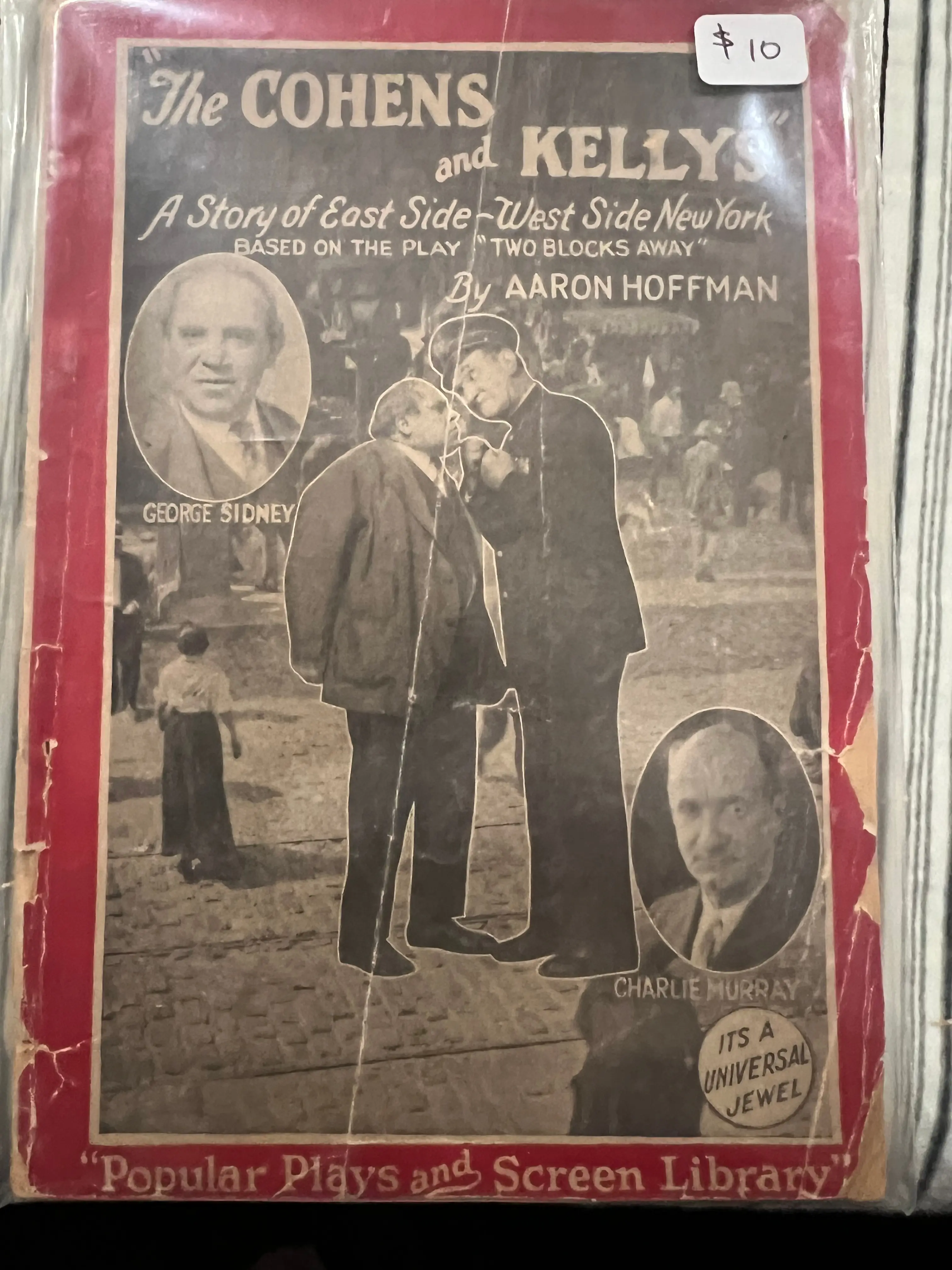
While films like The Seekers dealt with more traditional adventure, The Cohens and Kellys finds its adventure in the grocery bill and the laundry line. It’s grounded, gritty, and surprisingly loud for a silent film.
George Sidney and Charles Murray are the engine of this production. Sidney’s Jacob Cohen is a man of high anxiety and deep sentiment, while Murray’s Patrick Kelly is his perfect foil—stubborn, brash, and equally prideful.
One specific scene involving a shared meal highlights their brilliance. The way they eye each other’s portions and the subtle shifts in their body language tell you more about their relationship than any title card ever could. It’s a rhythmic, almost musical performance.
Compared to the more stoic performances in dramas like Pals First, Sidney and Murray are operating at a much higher frequency. They are playing to the rafters, yet they manage to keep a sliver of humanity in their eyes.
The film takes a sharp turn when the Cohens come into money. This is where the social commentary gets interesting. Suddenly, the feud isn't just about ethnicity; it's about the perceived distance between the 'new rich' and those left behind.
Jacob’s transition to a more affluent lifestyle is played for laughs, but there is an underlying bitterness to it. He tries to shed his tenement skin, but his heart remains in the old neighborhood. This internal conflict is the film's strongest thematic element.
It reminds me of the class struggles depicted in Sold at Auction, though handled with a much lighter touch. Here, the tragedy isn't losing one's home, but losing one's identity in the pursuit of status.
If you are looking for a laugh-out-loud comedy by modern standards, you might be disappointed. The humor is foundational. It’s the kind of comedy that paved the way for everything else, but it hasn't all aged like fine wine.
However, if you view it as a sociological study, it is fascinating. It shows a version of America that was desperately trying to laugh at its own growing pains. It’s a film about the friction of the melting pot before that pot had fully boiled.
It works. But it's flawed. It’s a piece of history that still has a pulse, even if that pulse is a bit erratic. You watch it for the performances and the atmosphere, not for a tight, logical plot.
The cinematography by Charles Stumar is functional rather than poetic. Unlike the experimental visuals of Trapped in the Air, the camera here stays mostly stationary, letting the actors do the heavy lifting.
The pacing in the second act drags slightly. Once the novelty of the inheritance wears off, the film falls into a series of repetitive 'fish out of water' gags. It could have benefited from a tighter edit, perhaps shaving off ten minutes of the domestic squabbles.
Still, the final sequence brings everything back together with a surprising amount of heart. The resolution of the feud feels earned, even if it is predictable. It’s a feel-good ending that actually feels good.
Pros: Excellent lead performances; authentic tenement set design; historically significant as the start of a major franchise.
Cons: Heavily dated humor; predictable plot beats; some supporting characters are paper-thin.
The Cohens and Kellys is a rough-around-the-edges gem that serves as a bridge between vaudeville and the modern sitcom. It isn't a masterpiece, but it is an essential watch for anyone who wants to see where the 'warring neighbors' trope began. The film is at its best when it focuses on the small, petty grievances of its leads rather than the grander plot of wealth and status. It’s a loud, messy, and occasionally touching look at the American dream through the lens of two men who just can't stand each other—until they realize they have to.
IMDb 8
1924
Community
Log in to comment.