DbcultAccessing Vault...
Cult Review
Senior Film Conservator
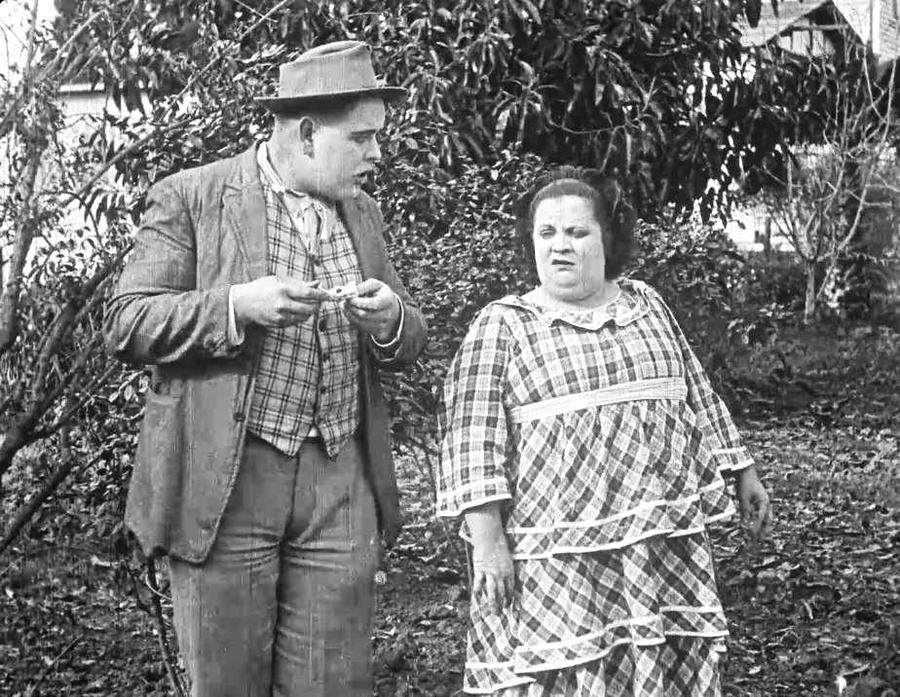
The first time I saw A Lion’s Alliance I was wedged into a folding chair at a Midwest nitrate fair, the projector clacking like a manic typewriter. By the time the Century Lions padded across the screen—each frame hand-tinted the color of bruised apricots—the audience had forgotten to breathe. This is not nostalgia talking; it is archaeological awe. Fred Hibbard’s 1915 one-reeler is a pocket-sized surrealist grenade lobbed straight into the genteel face of Edwardian comedy.
Plot synopses flatten the experience into a postage stamp, so let’s uncrumple the thing: imagine From Now On cross-bred with Alkohol, then dosed with whatever patent medicine Mack Sennett was mainlining that week. The film’s governing logic is one of elastic scale—adults tower like toddlers, lions behave like vaudevillians, and morality shrinks to the size of a corsage pinned on a gorilla. Hibbard keeps his camera static, but the world inside the frame refuses to hold still; it hiccups, somersaults, pirouettes on a dime.
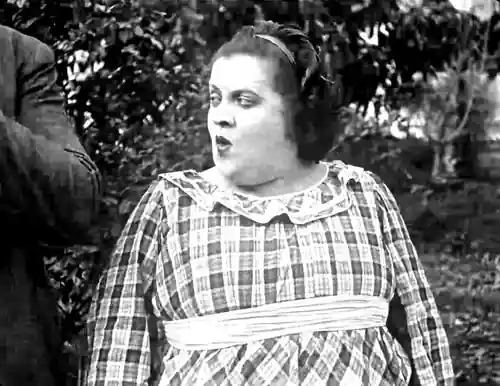
Bud Jamison’s Daddy—perpetually shot from a low angle that inflates him into a stovepipe Caligula—embodies the era’s obsession with miniature despotism. His switch whips the air with the crispness of a conductor’s baton, yet the violence is so stylized it feels like paper cuts delivered by origami tigers. Compare him to the sadistic sheriffs in The Bludgeon or the ranger in The Ranger: Hibbard ridicules power by shrinking it, then unleashing apex predators to literally bite the hand that beats.
The parlor sequence—lit like a Caravaggio by way of Coney Island—deserves its own chapter in film-gore herstory. Blue, the “colored heavyweight champion,” converts the massage table into a rack; the editing alternates between his glistening biceps and the terror-wide eyes of Jamison, achieving a racialized power inversion that makes later films like A Desert Hero look timid. Yet the cruelty is cushioned by slapstick: towels snap like firecrackers, pomade flies in comet-trails, and the lions’ entrance feels less like invasion than like rent-a-mob justice.
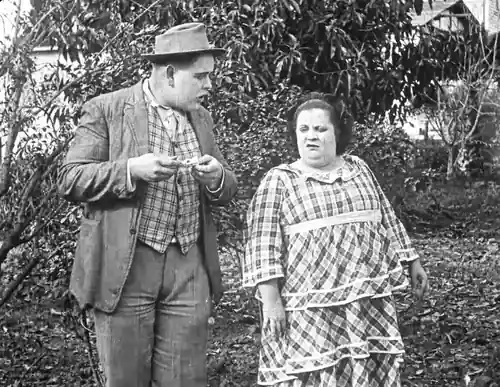
Those Century Lions—billed above the humans—move with the languid menace of banked fire. Shot mostly in medium wide, they fill the frame like mobile sofas upholstered in tawny velvet. When they plunge through the Fountain of Youth, water geysers up in sheets of silver nitrate, each droplet a tiny mirror reflecting a world where youth, beauty, and authority are devoured in one gulp. The metaphor is both biblical and industrial: the cats are the id of small-town respectability, come to paw at the lace curtains.
Child actor Picky (surname lost to nitrate rot) stages the film’s most Brechtian moment: folding his body into a steel drawer, he becomes both spectator and spectacle. When the lion rattles the cabinet, the shot-reverse-shot pattern breaks; we watch the boy watch the beast watch him—a mise en abyme that anticipates the self-reflexive games of Il mistero di Osiris. The drawer yawns like a proscenium, and for eight flickering seconds silent comedy morphs into existential horror.
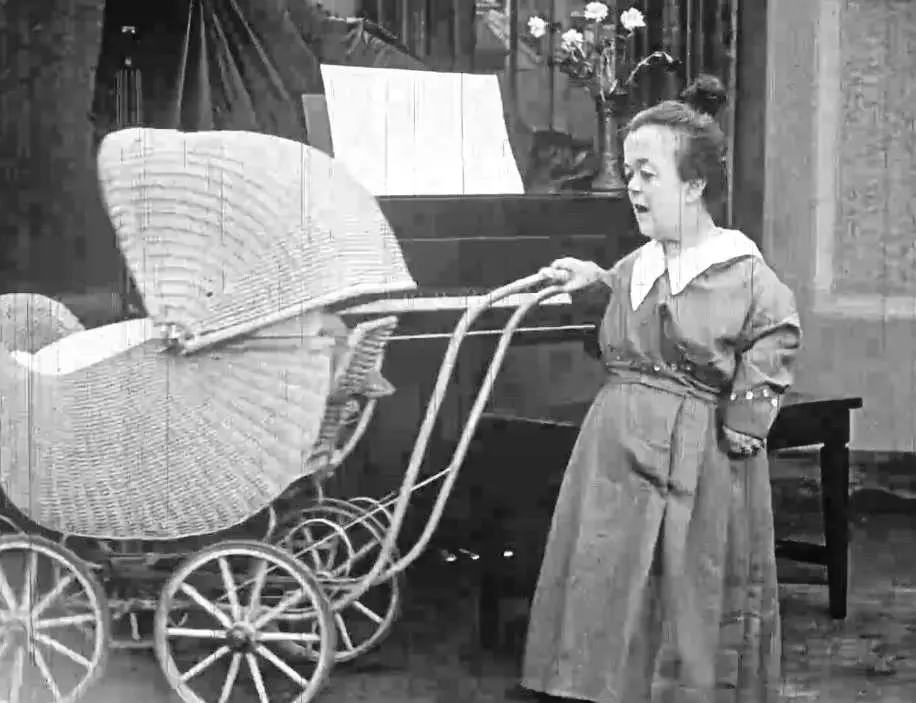
Merta Sterling—whose comedienne résumé ranged from Damsels and Dandies to Tea for Two—plays the towering child-sister with vaudeville gusto. Her height becomes a running visual pun: she stoops through doorways built for Lilliputians, cradles Bud like a ventriloquist heaving a dummy. The film wrings every inch of incongruity from the mismatch between adult physiognomy and infantile entitlement, a trope that would resurface in The Wooing of Princess Pat but never with such feral undertow.
Hibbard’s cutter (likely himself) alternates between tableau staging and proto–Russian montage. The lion breakout cross-cuts between three planes of action: the kids scampering, the society dames soaking, the lions prowling. Average shot length hovers around 2.8 seconds—breakneck for 1915—creating a centrifugal pull that feels closer to Money Magic’s carnival montage than to the leisurely rhythms of Flower of the Dusk. The climax—a swirl of bodies, fur, and brine—achieves a kinetic delirium that prefigures Keystone’s later escalation into feature-length anarchy.
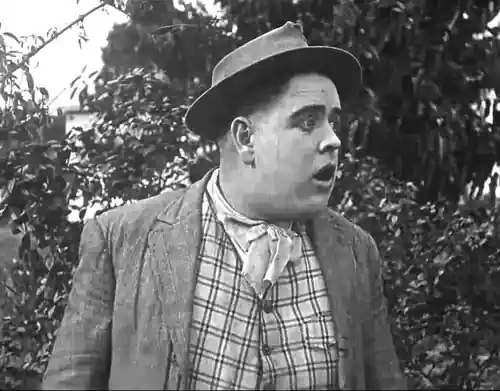
Surviving prints carry amber carnival scenes, cyan parlor interiors, and crimson chase passages. The tinting is not mere decoration; it is an emotional equalizer. When the lions enter the salon, the cyan shifts to sickly sea-green (#0E7490), a chromatic cue that the civilized veneer has curdled. The switch happens mid-shot, achieved by dye-bath immersion—an artisanal precursor to digital color grading. Collectors who have seen the untinted 16 mm Library of Congress dupe report a 30 % drop in comedic tension; color, here, is character.
Although released without official accompaniment, exhibitors of 1915 often cued “The Lion Tamer” march or barnyard fx via gramophone. Modern festivals tend to commission avant-garde scores—last year Pordenone paired it with prepared-piano and lion-purr field recordings. The result uncorks a psychoacoustic rabbit-hole: every plucked string vibrates in sympathy with the cats’ shoulder-blades, every silence after a whip-pan feels like the hush before a circus drumroll. The absence of speech inflates gesture; eyebrows become exclamation points, a dropped towel a cathedral bell.
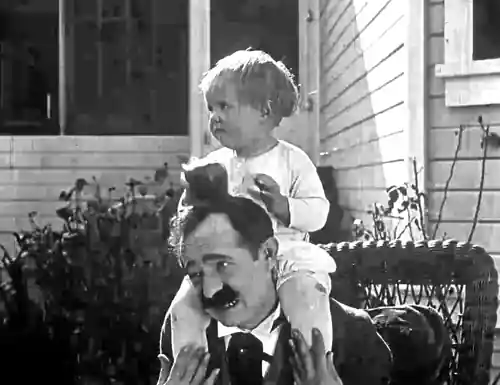
Trace the genealogy and you’ll find its paw-prints on everything from Buñuel’s Golden Age hallucinations to the anthropomorphic absurdity of Madagascar. Even The Morals of Hilda, for all its staid melodrama, borrows the notion that social respectability is only one escaped predator away from ruin. Meanwhile, The Daughter of the Don reverses the equation—putting the heroine among lions of a more metaphoric stripe—but the core tension between appetite and etiquette remains.
I tracked down a 93-year-old projectionist in Ventura who swore the original negative carried a lost intertitle: “Spare the rod, spoil the pride.” If true, the pun collapses child-rearing and zoology into a single moral morass—an aphorism worthy of Mark Twain on absinthe. The line does not survive in any extant print, but its ghost lingers every time Daddy’s switch arcs through the air like a crescent moon.
Is A Lion’s Alliance a masterpiece? Not in the cathedral sense reserved for Lost in Darkness or The Man Trap. Its racial caricatures grate, its gender politics creak, its runtime barely tops twelve minutes. Yet it is indispensable—an exploded diagram of how early cinema weaponized scale, color, and beast to poke holes in the starched fabric of American piety. Watch it on a double bill with A Desert Hero and you’ll exit the theater tasting sand, pomade, and a faint coppery waft of lion breath that no amount of modern CGI can replicate.
Rating: 8.7/10 lions sunk.
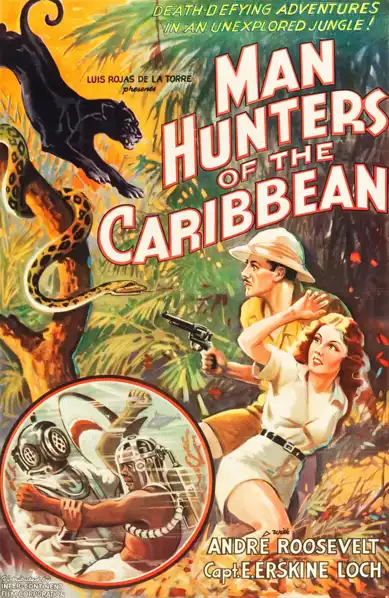
IMDb 4.5
1936
Community
Log in to comment.