DbcultAccessing Vault...
5.4/10
Senior Film Conservator
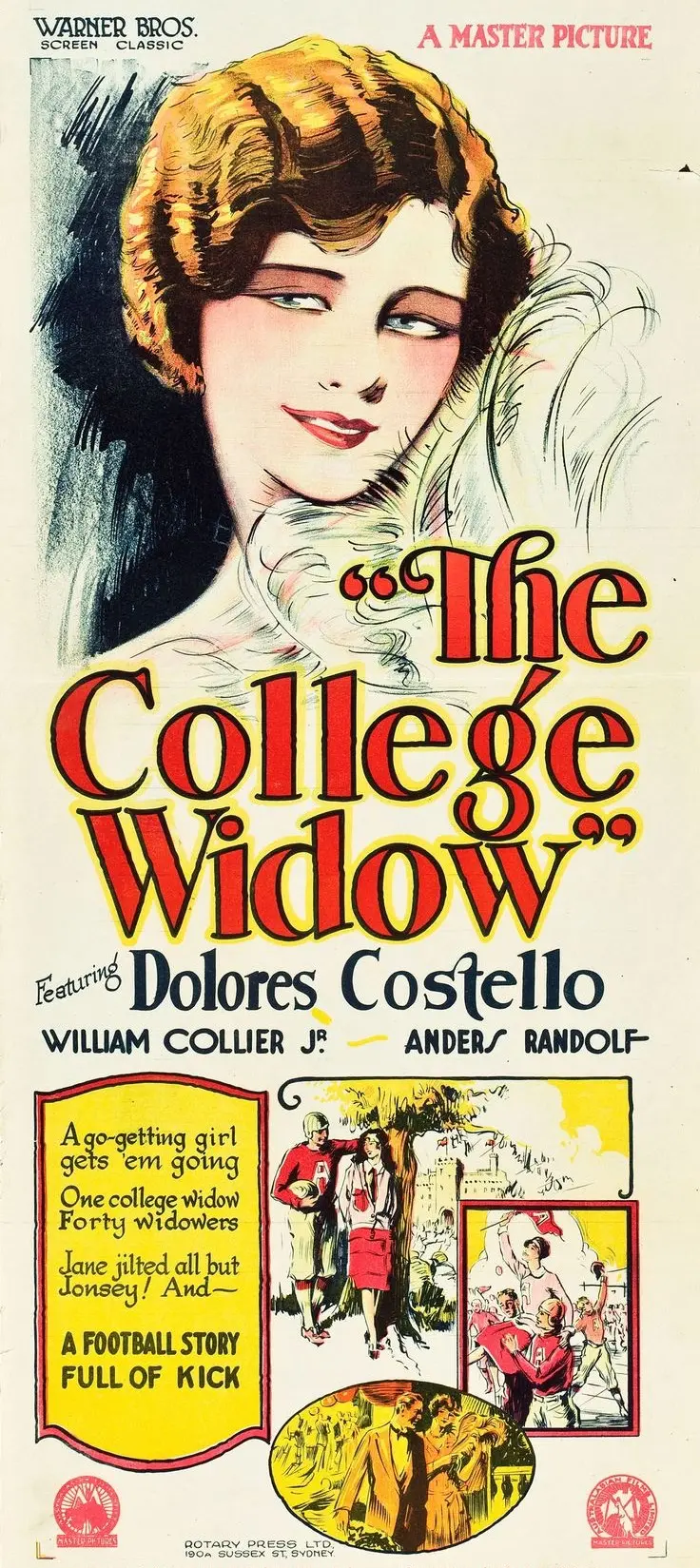
A definitive 5.4/10 rating for a film that redefined the boundaries of cult cinema. The College Widow remains a cornerstone of transgressive art.
Is Archie Mayo's 1927 silent comedy, "The College Widow," worth watching today? Short answer: yes, but with significant caveats that demand a particular kind of cinematic appreciation. This film is a fascinating relic, best suited for dedicated silent film enthusiasts, film historians, and those curious about the early star power of Dolores Costello. It is decidedly NOT for viewers seeking modern pacing, sophisticated humor, or a readily accessible narrative without prior context.
This film works because it offers a rare glimpse into the popular theatrical adaptations of the silent era, showcasing a star at the height of her appeal. It fails because its comedic sensibilities and narrative structure are deeply rooted in a bygone era, often feeling slow and overly reliant on broad physical humor and intertitles that can challenge a contemporary audience's patience. You should watch it if you appreciate the historical significance of silent cinema, enjoy seeing iconic performers like Dolores Costello in their prime, and are willing to engage with a film on its own historical terms.
"The College Widow," as a concept, is wonderfully evocative of early 20th-century American culture. The 'college widow' archetype, a woman who lingers around university campuses, often older than the students, charming and captivating them, provided fertile ground for comedic and romantic narratives. George Ade's original 1904 play was a hit, and its adaptation to the silent screen in 1927, following an earlier 1915 version, speaks volumes about its enduring appeal.
In this incarnation, the film undoubtedly leans into the farcical potential of such a premise. One can easily imagine Dolores Costello's character, whether by design or accident, becoming the central figure in a series of misunderstandings, rivalries, and romantic pursuits. The humor would have stemmed from exaggerated reactions, clever visual gags, and the sheer audacity of a woman holding court amidst a sea of impressionable young men.
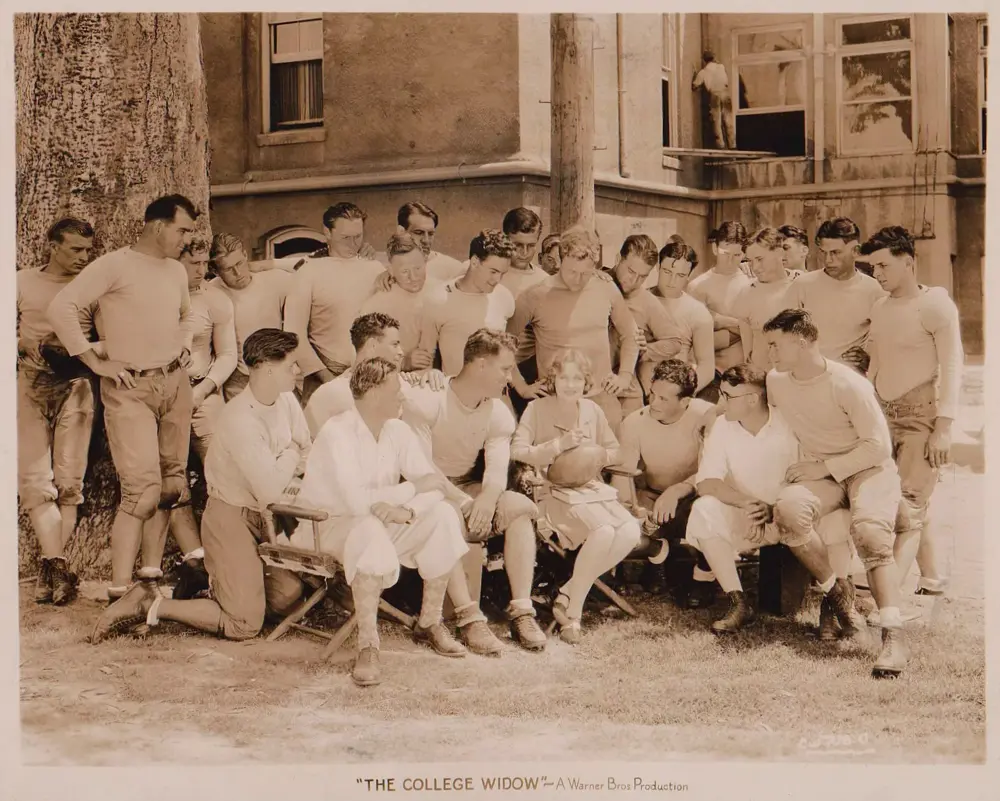
The strength of a silent comedy like this lies not in its intricate plot twists, but in its ability to translate the playful energy of the stage to the screen. It's a style of humor that requires a different kind of engagement, where the audience fills in gaps, interprets expressions, and appreciates the physical dexterity of the performers. It's a snapshot of a simpler time, where collegiate antics and romantic rivalries were ripe for lighthearted lampooning.
"The enduring charm of 'The College Widow' lies in its ability to transport us to an era where the antics of a charismatic woman could single-handedly define a campus's social season."
Dolores Costello, often lauded as 'The Goddess of the Silent Screen,' was a formidable presence. Her ethereal beauty, combined with a surprising range for comedic roles, made her an ideal choice for the titular "College Widow." A 'starring vehicle' implies the film was specifically crafted to highlight her particular talents, and it's here that the film, despite its age, likely finds its most compelling aspect.
Costello’s performance would have been central to the film's success. Silent acting, especially in comedy, demanded a delicate balance of exaggerated expression and subtle charm. One can envision her utilizing her striking features – her large, expressive eyes and radiant smile – to convey everything from mischievous intent to feigned innocence. Her physicality, too, would have been key, whether in a graceful flutter of hands or a more pronounced comedic stumble, a common trope in silent farces.
It's a performance that, even without sound, would have commanded attention. Her ability to project charisma across the screen, a quality that transcended the technical limitations of the era, is what made her a star. The film’s very existence as a vehicle for her testifies to her drawing power, a testament that still resonates, even if faintly, nearly a century later. Comparing her presence to contemporaries in films like Such a Little Queen reveals a similar dedication to conveying character through purely visual means.
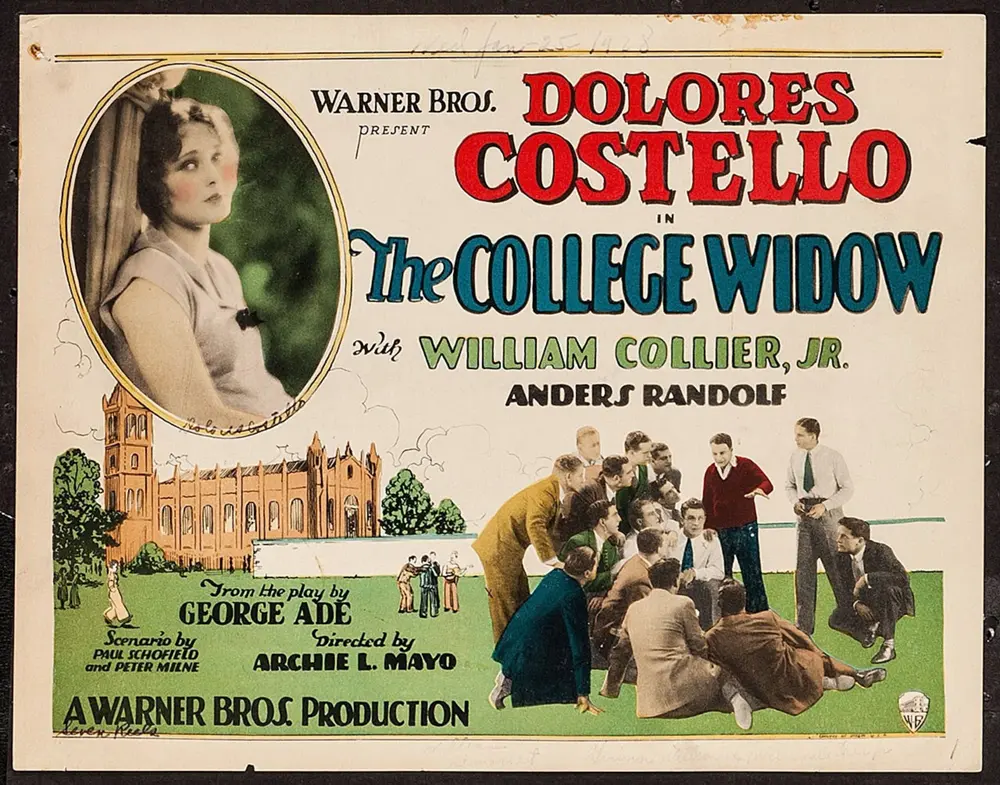
Archie Mayo, while perhaps not a household name on par with a Griffith or a DeMille, was a prolific director who transitioned successfully from silent films to talkies. His work on "The College Widow" offers insights into the directorial approaches of the mid-1920s. Silent comedy direction often prioritized clear visual storytelling, dynamic blocking, and an understanding of how to pace a gag without spoken dialogue.
Mayo's approach here would have been to ensure Costello was always the focal point, using close-ups to capture her expressions and wider shots to establish the comedic chaos she undoubtedly instigates. The editing would have been crucial for comedic timing, perhaps a quick cut to a shocked professor or a bewildered student to land a punchline. This isn't about sophisticated camera movements; it's about clarity and impact.
A specific example of effective silent comedy direction might involve a scene where Costello's character is simultaneously juggling multiple admirers, with Mayo using parallel editing to cut between their increasingly desperate attempts to gain her attention, culminating in a crowded, farcical climax. This kind of visual choreography, while perhaps rudimentary by today's standards, was the backbone of silent film humor and a hallmark of a capable director like Mayo. It's a different rhythm, one that demands patience from the modern viewer, but rewards those who tune into its unique cadence.
The visual language of silent films is often overlooked in favor of narrative. However, the cinematography in "The College Widow," typical of Warner Bros. productions of the era, would have been functional yet effective. It wouldn't have been groundbreaking in the way, say, Shadows might have been, but it would have served the story and the star admirably.
Expect well-lit sets, designed to emphasize the collegiate atmosphere – perhaps grand university halls, bustling dorm rooms, or a picturesque campus green. The costumes, particularly Costello's, would have been meticulously designed to enhance her character's allure and comedic presence. Her wardrobe might shift from demure academic to flamboyant socialite, each change signaling a new phase in her romantic machinations.
The use of light and shadow, while not as dramatic as in a film noir, would have been employed to highlight key characters and expressions. Cinematographers of the time understood how to frame a face to maximize its emotional impact, especially for a star like Costello. The visual gags, too, would rely heavily on clear, uncluttered framing to ensure the audience could follow the physical comedy. It's a testament to the craft that these films still communicate so effectively without a single spoken word.
The transition from a beloved stage play to a silent film screenplay is always a fascinating study in adaptation. George Ade's original work was known for its witty dialogue and character-driven humor. Writers Jack Jarmuth and Peter Milne, along with Paul Schofield, faced the challenge of translating that verbal wit into purely visual gags and concise intertitles. This often meant distilling the essence of a character or a comedic situation into a single expression or a brief, pithy line of text.
The effectiveness of the silent screenplay would hinge on its ability to maintain the spirit of Ade's play without relying on his exact words. This requires a deep understanding of visual storytelling. For instance, a clever verbal exchange from the play might be replaced by a rapid-fire sequence of glances and gestures between Costello and an admirer, followed by an intertitle delivering the punchline. The narrative structure, too, would have been streamlined, focusing on key comedic set pieces and romantic entanglements.
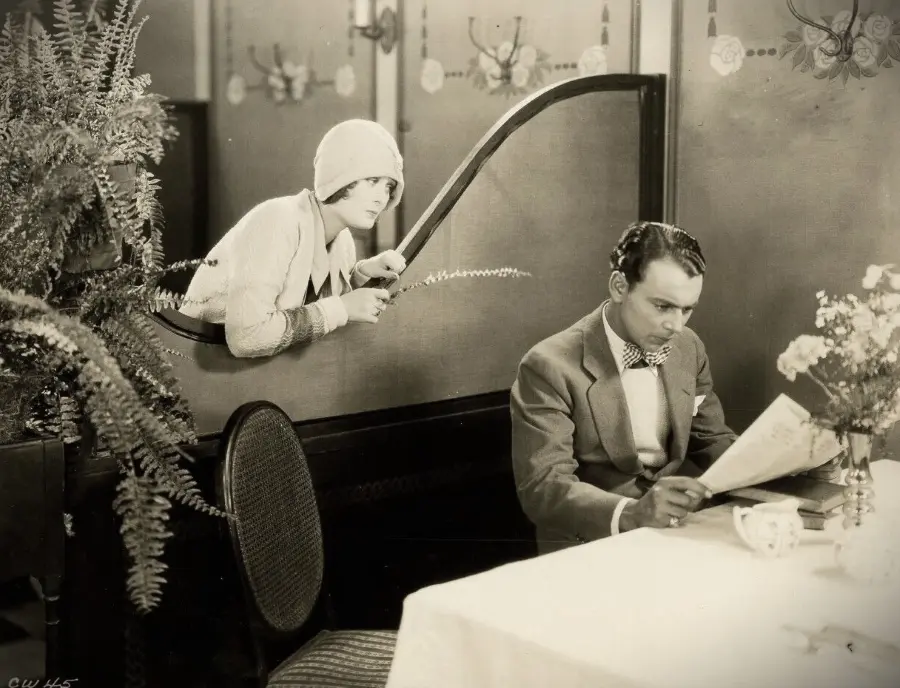
It’s a demanding art form, one that often gets short shrift in modern analysis. But the success of such adaptations, like The Prisoner of Zenda, demonstrates the ingenuity of these early screenwriters. They were pioneers, forging a new language of cinema from the foundations of theater, and "The College Widow" stands as an example of that transformative process.
For the casual viewer, "The College Widow" might feel like a historical artifact, more curiosity than compelling entertainment. Its pacing is deliberate, its humor broad, and its narrative relies heavily on visual cues and intertitles that require active interpretation. It’s not a film you can passively enjoy while scrolling through your phone.
However, for those with an interest in film history, silent cinema, or the careers of its stars like Dolores Costello, it offers genuine rewards. It provides a window into the popular culture of the 1920s, showcasing a style of comedic storytelling that has largely vanished. It’s an opportunity to see how humor was constructed and delivered before the advent of synchronized sound.
Its value lies in its historical context and its demonstration of silent film artistry. It works. But it’s flawed. It’s a film that asks for your patience but repays it with a unique, if sometimes challenging, viewing experience. Think of it less as a modern blockbuster and more as an archaeological dig into cinema's past.
Ultimately, "The College Widow" (1927) is a fascinating, if niche, cinematic experience. It's not a film that will convert silent film skeptics, nor is it likely to be remembered as a groundbreaking work in the annals of film history. However, as a vehicle for the radiant Dolores Costello and a representative example of silent-era comedic adaptation, it holds considerable value for the discerning viewer. It’s a testament to the enduring appeal of a well-crafted premise and the star power that could carry a film without uttering a single word. While it demands a certain level of patience and historical appreciation, those willing to invest will find a charming, albeit dusty, piece of cinematic heritage. Consider it a mandatory viewing for those tracing the lineage of American screen comedy, but a purely optional excursion for everyone else.
IMDb —
1917
Community
Log in to comment.