DbcultAccessing Vault...
6.3/10
Senior Film Conservator
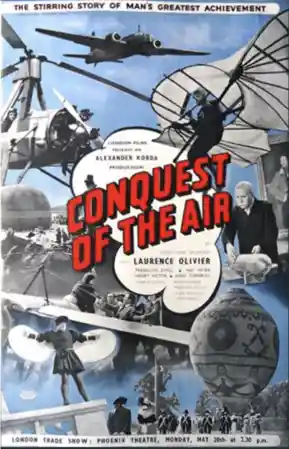
A definitive 6.3/10 rating for a film that redefined the boundaries of cult cinema. The Conquest of the Air remains a cornerstone of transgressive art.
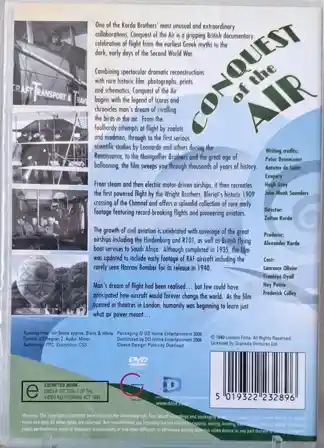
Alright, so if you’re into old-school documentaries, especially ones that feel like a dusty museum exhibit brought to life, then The Conquest of the Air might just be for you. It’s a film from the 1930s that literally tracks humanity’s obsession with flight, from ancient myths right up to its own era.
Now, if you’re expecting a snappy, modern doc with slick graphics and a punchy narrative, you’ll probably find this a bit of a slog. But for history buffs, aviation nerds, or anyone who just appreciates a peek into how films used to tell stories, it’s actually pretty cool. Anyone else? You might be checking your watch, honestly. 🕰️
The premise is simple enough: we wanted to fly, and then we did. The movie kicks off in what feels like forever ago, showing these early, almost absurd, ideas people had. I mean, wings made of feathers, contraptions that look like they'd break a neck faster than they'd lift off. It’s a charming, sometimes baffling, look at human ingenuity and folly.
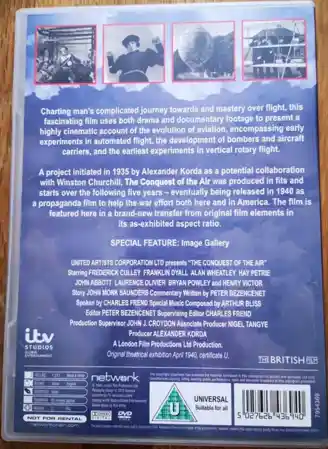
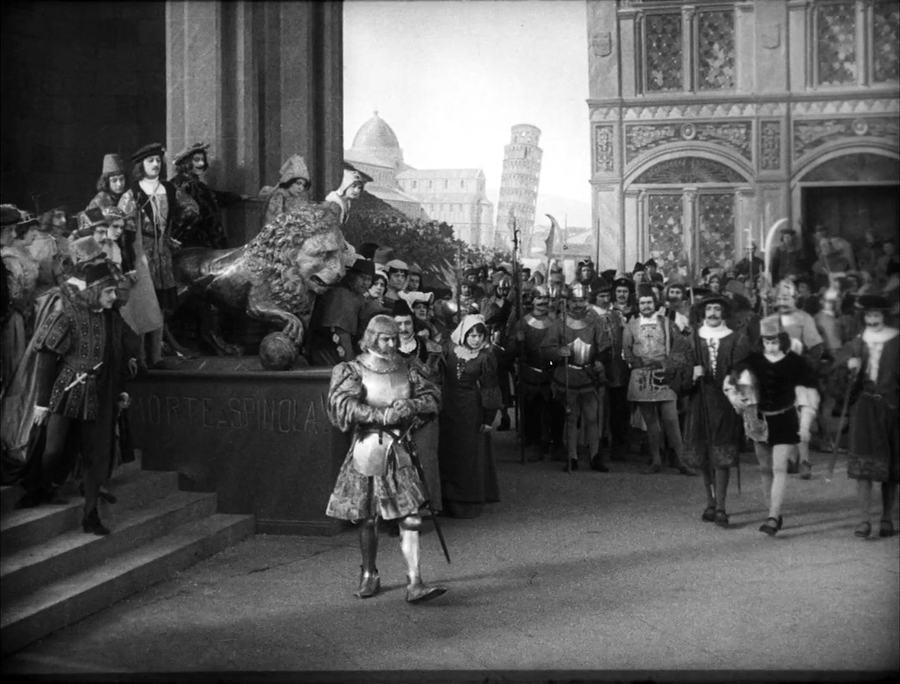
What struck me early on was the way they blended different bits. There are these old drawings and etchings, then suddenly you’re watching reenactments. And not just any reenactments. The cast list for this thing is wild! You’ve got Laurence Olivier in there, even. It makes you wonder how big a deal this was for its time. Seeing him pop up, even for a short bit, in what’s essentially a documentary, it’s a neat little surprise. A lot of these moments, they feel like watching a school play, but in the best possible way. The enthusiasm is just… there.
One moment that really stuck with me: they show this contraption, a very early glider, I think, and the person operating it just looks so unbelievably nervous. You can almost feel the wind on their face, and the sheer *hope* they had. It’s a quiet scene, but it kinda puts you right there in that windy field, waiting for something to happen. It's a reminder of how genuinely risky all this was.
They move pretty fast through centuries, sometimes a little too fast. You’ll be looking at some medieval drawing of a flying machine, and then bam, we’re in the age of hot air balloons. It’s not always the smoothest transition, but that’s part of its charm, I think. It feels less like a polished presentation and more like someone excitedly flipping through a very old, very heavy photo album.
The footage of early biplanes and triplanes, those wobbly, magnificent contraptions, is just wonderful. You get a real sense of the danger and the sheer thrill of it all. There’s a particular sequence where one of these early planes is taking off, and the camera just *sticks* with it, no fancy cuts, just this raw, shaky footage of it struggling against gravity. It feels authentic in a way modern CGI could never replicate.
And the sound! Or the lack of it, really, for much of the older segments. It’s silent film snippets woven into a narrated whole. When the narration does come in, it's very much of its time. Very formal, very proper. Sometimes it almost sounds like a school teacher. But it works. It adds to that feeling of stepping back into the past.
“To conquer the air, man first had to conquer his fear.”
That line, or something very close to it, gets thrown in there, and it really hits. Because you watch these early attempts, and that fear is palpable. The bravery of those pioneers, even if portrayed by actors like Bryan Coleman or Pearl Hay, really comes through.
The film doesn't shy away from showing some of the less glamorous bits, either. A couple of moments, you see a crash, not graphic, but enough to remind you that flight wasn't just a dream, it was often a dangerous gamble. It’s not all triumphant orchestral swells; there's a bit of sober reality mixed in.
Towards the end, when it gets to the 1930s, the world suddenly looks much more familiar. You see proper passenger planes, and the sense of wonder shifts a little. It’s less about the miracle of getting off the ground and more about the *impact* of flight. How it changed travel, how it shrunk the world. This part is a bit more conventional, but still well-documented with actual footage from the era.
I will say, the pacing can feel a bit uneven. Some parts drag just a little, particularly when it gets into the finer points of engine design or something. But then it’ll snap back with some incredible aerial footage or a fascinating historical tidbit. It’s a film that demands a certain kind of patience, but it often rewards it. It’s like a long conversation with a really knowledgeable, slightly rambling, grandparent. You get some gold, some filler, but it’s all part of the experience. Definitely not for everyone, but a genuine piece of history itself. And hey, Maciste contro Maciste this is not, for better or worse. 😉
IMDb 5.6
1914
Community
Log in to comment.