DbcultAccessing Vault...
7/10
Senior Film Conservator
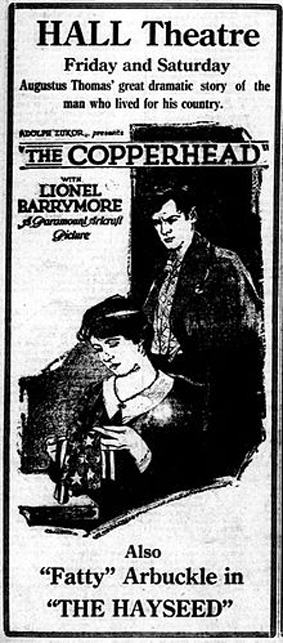
A definitive 7/10 rating for a film that redefined the boundaries of cult cinema. The Copperhead remains a cornerstone of transgressive art.
There are cinematic experiences that linger, not merely as entertainment, but as profound meditations on the human condition. "The Copperhead," a historical drama of considerable emotional weight, unequivocally falls into this rare category. It’s a film that doesn't just tell a story; it unravels a soul, laying bare the excruciating burden of a secret held for the highest purpose. Directed with a keen eye for psychological depth, this narrative plunges us into the scarred landscape of post-Civil War America, where the wounds of conflict fester not only on battlefields but within the very fabric of small-town communities and, most acutely, in the heart of one man.
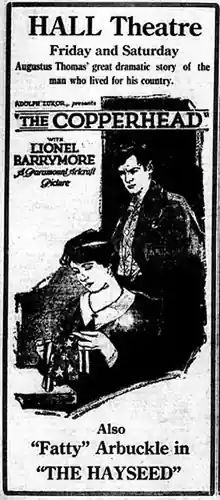
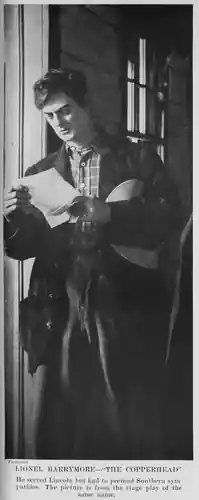
At its core, "The Copperhead" presents a devastating character study, anchored by a masterful performance from Lionel Barrymore. His portrayal of Milt Shanks is nothing short of transcendent, a nuanced exploration of a man living under a perpetual cloud of public opprobrium. Shanks is reviled by his neighbors, branded a traitor, a 'Copperhead' – a derogatory term for Northerners suspected of Southern sympathies. This isn't merely social ostracization; it's a relentless, daily crucifixion, a constant reminder of his perceived perfidy. Barrymore imbues Shanks with a stoicism that barely conceals an ocean of inner turmoil. His eyes, often downcast or hardened, speak volumes of unexpressed pain and an unshakeable resolve. It’s a performance that transcends the era's often theatrical acting styles, reaching for something profoundly authentic and heartbreaking.
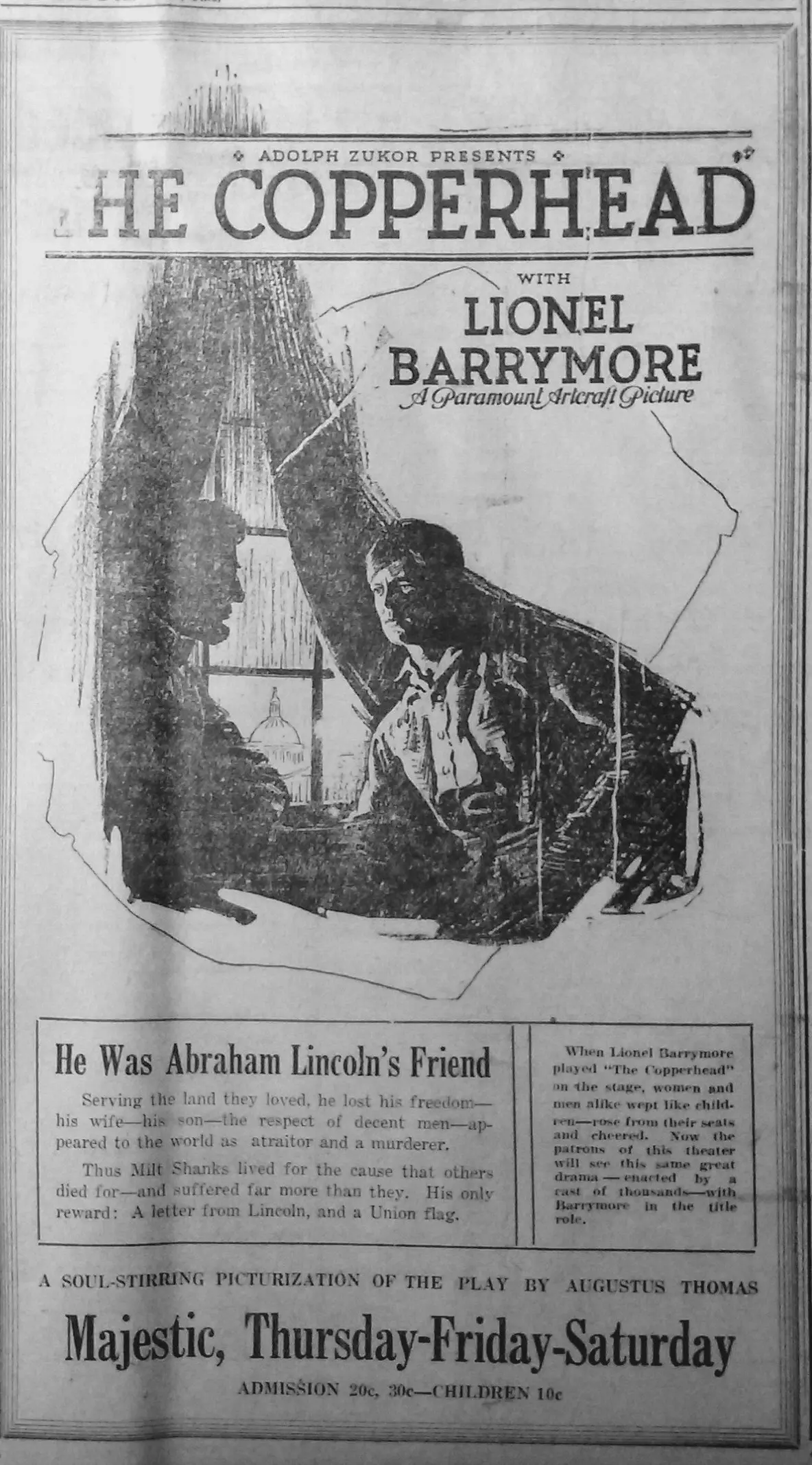
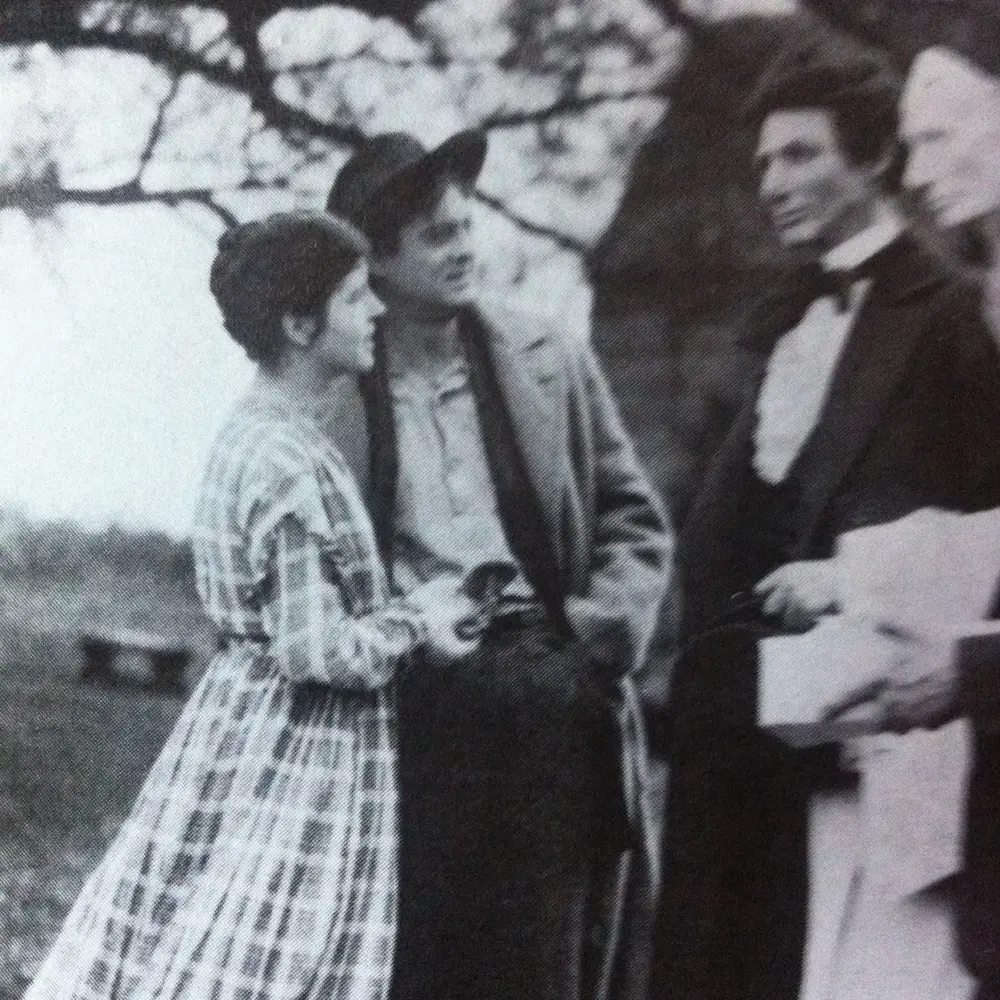
The genius of Augustus Thomas, Charles Maigne, and Frederick Landis's screenplay, adapted from Thomas's own play, lies in its central dramatic irony: Milt Shanks is no traitor. Quite the opposite. He carries a secret, a solemn promise made directly to Abraham Lincoln himself, a pact so vital to the Union cause that its revelation would compromise an untold number of lives and potentially undermine the fragile peace. This secret, a testament to his profound loyalty and self-sacrifice, is simultaneously the source of his public shame and his private torment. The narrative skillfully builds the tension around this unspoken truth, allowing the audience to witness Shanks's quiet suffering, knowing the magnitude of his true heroism while his community remains blissfully, or rather, venomously, ignorant.
This thematic exploration of perceived versus actual reality is what elevates "The Copperhead" beyond a mere historical drama. It delves into the very nature of reputation, the destructive power of mob mentality, and the quiet dignity of personal sacrifice. In an era where public opinion could be swayed by rumor and prejudice, Shanks's plight resonates powerfully. One might draw parallels to the societal judgment faced by characters in films like The Way of the World, where social standing is everything, or even the hidden motivations driving the narrative in The Test of Honor, though "The Copperhead" imbues its protagonist's secret with far grander, national implications.
The film paints a vivid picture of a nation grappling with its recent, brutal past. The Civil War may have officially ended, but its ideological battles and personal grievances continue to rage in the hearts and minds of ordinary citizens. The animosity directed at Shanks is not just personal; it's a microcosm of the larger societal divisions that persisted long after the guns fell silent. The film implicitly asks: how does a nation heal when its people remain so deeply fractured by suspicion and unforgiveness? The backdrop of rural America, still reeling from losses and betrayals, becomes another character in itself, reflecting the internal turmoil of Shanks and his neighbors.
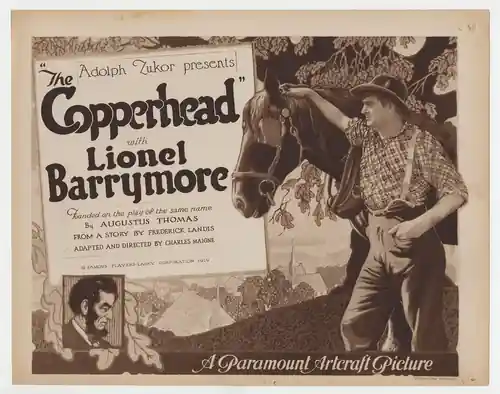
The supporting cast, while naturally orbiting Barrymore's sun, also contributes significantly to the film's texture. Anne Cornwall, Doris Rankin, and Arthur Rankin, among others, portray the various facets of this conflicted community – the scornful, the sympathetic, the misguided. Their reactions to Shanks, whether outright hostility or hesitant empathy, serve to amplify the protagonist's isolation and the moral quandary at the film's heart. Mayor N.M. Cartmell's presence, for instance, subtly underscores the political undercurrents of the era, where local leadership often reflected the prevailing sentiments, however prejudiced.
Despite being an older film, its narrative structure remains compelling. The pacing carefully builds the dramatic tension, allowing the audience to fully absorb the weight of Shanks's predicament before the eventual, cathartic revelation. The direction, while perhaps less overtly stylized than modern cinema, focuses on clear storytelling and character development. Each scene serves to deepen our understanding of the community's animosity and Shanks's stoic endurance. The film doesn't rush its emotional beats; instead, it allows them to simmer, creating a powerful cumulative effect. This deliberate approach to narrative, prioritizing emotional impact over rapid-fire plot points, is a hallmark of effective storytelling, reminiscent of how films like The Right to Happiness or Vera, the Medium often built their dramatic crescendos through sustained character focus.
The choice to frame the story around a secret entrusted by Abraham Lincoln himself adds an almost mythical dimension to Shanks's burden. It elevates his personal suffering to a national, almost sacred, level. This isn't just a man keeping a secret from his neighbors; it's a man upholding the trust of a revered historical figure, an act of patriotism so profound it necessitates self-immolation in the court of public opinion. This unique premise sets "The Copperhead" apart from simpler tales of hidden identities, giving it a gravitas that few films achieve.
"The Copperhead" is a testament to the enduring power of dramatic narrative to explore complex moral dilemmas. It challenges viewers to consider the nature of heroism – is it found in grand, public gestures, or in quiet, unacknowledged sacrifice? It forces us to confront the dangers of snap judgments and the corrosive effects of prejudice. The film, through its exploration of a man's unwavering commitment to a cause greater than himself, offers a timeless reflection on duty, honor, and the often-unseen costs of true patriotism. While films like Schwert und Herd might explore loyalty through a different cultural lens, the universal theme of personal sacrifice for a greater good remains a powerful connective tissue.
The writers, Augustus Thomas, Charles Maigne, and Frederick Landis, deserve immense credit for crafting such a potent and emotionally resonant story. Their ability to weave historical context with deeply personal drama ensures that "The Copperhead" remains more than just a period piece. It's a human story that transcends its setting, speaking to the universal experience of misunderstanding, endurance, and the ultimate vindication of truth. One can appreciate the intricate plotting and character arcs, a level of sophistication that distinguishes it from more straightforward narratives like Don't Shove or even the charming simplicity of The Fairy and the Waif. The dramatic stakes here are considerably higher, the emotional landscape far more rugged.
In its portrayal of a man who willingly endures ignominy for a higher principle, "The Copperhead" offers a profound commentary on the nature of integrity. It's a stark reminder that true character is often revealed not in moments of triumph, but in the steadfast bearing of undeserved suffering. The film's conclusion, when it arrives, is not merely a plot resolution but an emotional release, a testament to the power of truth to eventually pierce through the darkest clouds of misconception. It leaves the viewer pondering the countless unsung heroes throughout history, those whose sacrifices remain hidden, their true contributions known only to a select few, or perhaps, to no one at all. This theme of hidden heroism is a powerful undercurrent, making the film's eventual reveal all the more impactful.
Even compared to other films of its era, "The Copperhead" stands out for its uncompromising focus on the psychological toll of its central conflict. While films like Judge Rummy's Miscue might offer levity or Strange Sights in the Pacific Islands provide exotic escapism, "The Copperhead" grounds itself firmly in the grittier realities of human experience. It demands emotional engagement, rewarding it with a story that is both deeply moving and intellectually stimulating. The performances, particularly Barrymore's, are etched with a gravitas that ensures their lasting impression. His ability to convey such immense inner life through subtle gestures and expressions is a masterclass in silent film acting.
Ultimately, "The Copperhead" is more than a historical drama; it is a timeless parable about judgment, redemption, and the profound, often solitary, nature of true integrity. It encourages empathy, urging us to look beyond superficial appearances and to consider the hidden depths of human experience. For anyone seeking a film that challenges preconceptions and stirs the soul, this cinematic gem offers an unforgettable journey into the heart of a misunderstood hero. It’s a powerful reminder that history, and indeed human character, is rarely as simple as it appears on the surface, often concealing layers of complexity, sacrifice, and unspoken valor. Its relevance endures, prompting reflection on how we, in our own times, perceive and judge those around us. This enduring quality ensures its place in the pantheon of significant early American cinema, a narrative that continues to resonate with its poignant exploration of the human spirit under immense duress.
IMDb 5.9
1925
Community
Log in to comment.