DbcultAccessing Vault...
Cult Review
Senior Film Conservator
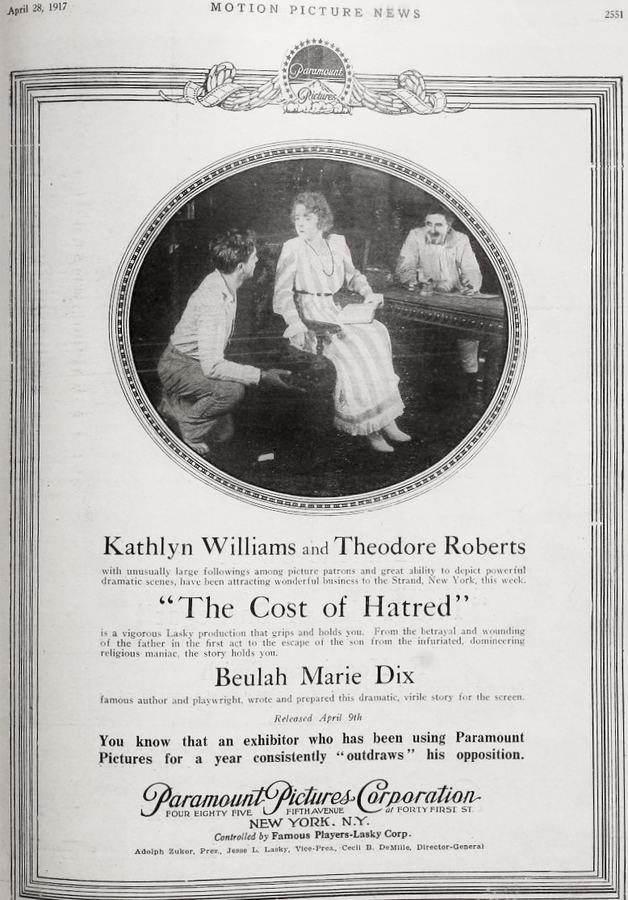
Elsie Graves’s existence is a suffocating tapestry woven with fear and despair, her life a grim testament to the silent suffering endured under the iron fist of Justice Graves. The film immediately plunges us into the suffocating reality of her marital hell, painting a vivid, albeit wordless, portrait of domestic brutality that, even in the nascent days of cinema, possessed a visceral power. Justice Graves, a name ironically juxtaposed with his actions, embodies a particularly insidious brand of villainy: the tormentor within the sanctity of one’s own home. His cruelty is not merely physical; it is a pervasive psychological oppression that saps Elsie’s spirit, leaving her vulnerable and desperate for even a glimmer of human kindness.
It is into this bleak landscape that Robert Amory, a man himself acquainted with sorrow through recent widowhood, steps. His proximity, both physical and emotional, offers Elsie a lifeline, a fragile tendril of hope in an otherwise barren emotional desert. The burgeoning affection between them is depicted with a tender restraint, a quiet understanding that transcends mere illicit romance. It is a connection born of shared vulnerability, a mutual yearning for solace and dignity. This silent yearning, however, is a dangerous flame. When Justice, a man whose possessiveness knows no bounds, stumbles upon their innocent embrace, the fragile peace shatters. The swift, brutal act of violence – Amory’s murder – is a pivotal turning point, a sudden, shocking eruption that not only ends a life but irrevocably alters the trajectory of all involved. Justice’s subsequent flight to Mexico, dragging his young daughter Sarita into his self-imposed exile, is not an act of remorse but a calculated evasion, leaving behind a trail of blood and shattered lives. The film, even in its early moments, establishes a profound sense of injustice and the long shadow cast by unchecked malevolence.
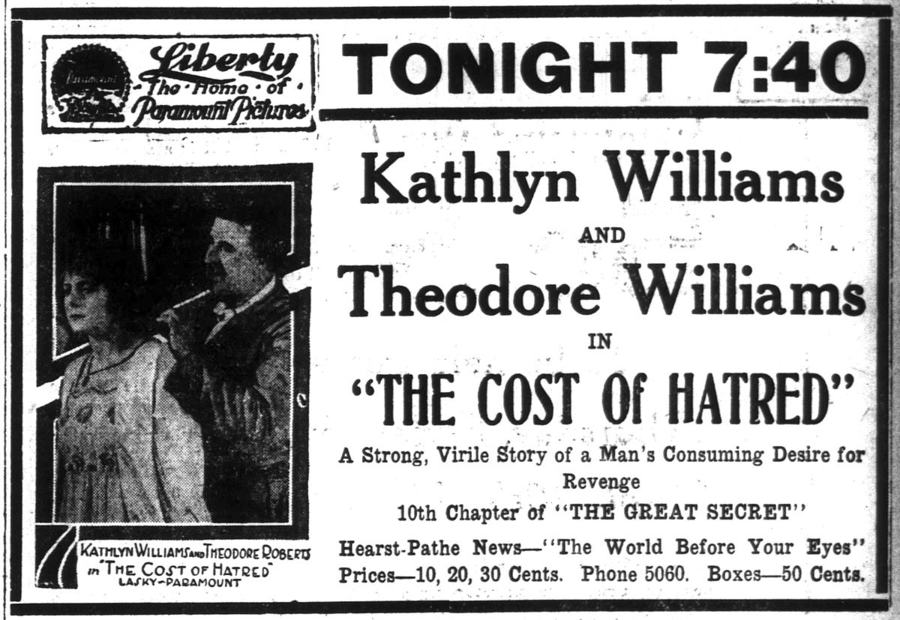
Years unfurl, carrying with them the indelible scars of that fateful day. Ned Amory, once a mere boy, has matured into a man, seemingly poised for a promising future in diplomacy. The passage of time often serves to dull the sharp edges of grief, but for Ned, the memory of his father’s violent end, though perhaps sublimated, likely simmered beneath the surface of his ambition. His journey to Mexico, intended as a professional ascent, becomes instead an unwitting pilgrimage toward a reckoning. The narrative deftly employs the trope of mistaken identity and cruel circumstance to orchestrate the inevitable collision. Robbed, beaten, and unjustly incarcerated in a desolate Mexican town, Ned finds himself utterly disempowered, a pawn in a larger, unseen game. The shock of discovering his tormentor to be none other than Justice Graves is a moment of profound dramatic resonance. It is a twist that elevates the personal tragedy to an almost mythic confrontation, pitting the son against the man who destroyed his family.
This isn't merely a chance encounter; it feels predestined, a karmic convergence orchestrated by the very “cost of hatred” that permeates the film’s title. The question then shifts from “what happened?” to “what will happen now?” How will Ned, a man trained in diplomacy and decorum, reconcile his civilized instincts with the primal urge for retribution that such a revelation must ignite? The film excels in setting this stage, promising a powerful exploration of justice, revenge, and the moral complexities that arise when the past violently intrudes upon the present. It's a testament to Beulah Marie Dix's writing prowess that such a meticulously crafted setup could build such palpable tension, even without spoken dialogue to articulate the characters' inner turmoil. The visual language of silent cinema, in skilled hands, could convey volumes, and here, the looming specter of past crimes meeting a present-day quest for answers is handled with masterful precision.
The silent era, often maligned for its perceived over-the-top acting, demanded a nuanced expressiveness from its performers, and 'The Cost of Hatred' benefits immensely from a committed cast. While specific details of individual performances might be elusive in the mists of time, the broad strokes of characterization are clear. Lucien Littlefield, as the titular Justice Graves, must embody a chilling blend of domestic tyrant and desperate fugitive. His portrayal would have required a physicality that conveyed both his initial brutal authority and his later, perhaps more desperate, cunning. The character's journey from a man of perceived standing to a shadowy figure in a foreign land offers a rich canvas for a silent actor to explore the psychological decay wrought by guilt and fear, even if unacknowledged. The audience must perceive him as both monstrous and, perhaps, tragically human in his flight and subsequent attempts to maintain power.
Mayme Kelso, as Elsie Graves, carries the weight of the film’s initial tragedy. Her role demands a portrayal of profound suffering, quiet resilience, and the blossoming of a forbidden hope. Silent actresses of this period were masters of conveying internal turmoil through subtle gestures, facial expressions, and body language. Kelso’s performance would have been crucial in establishing the audience’s empathy and understanding of the desperate choices Elsie makes. Her vulnerability and eventual, albeit brief, joy with Amory needed to be palpable to justify the audience’s investment in her fate, making her brief moments of happiness all the more poignant against the backdrop of her inevitable heartbreak.
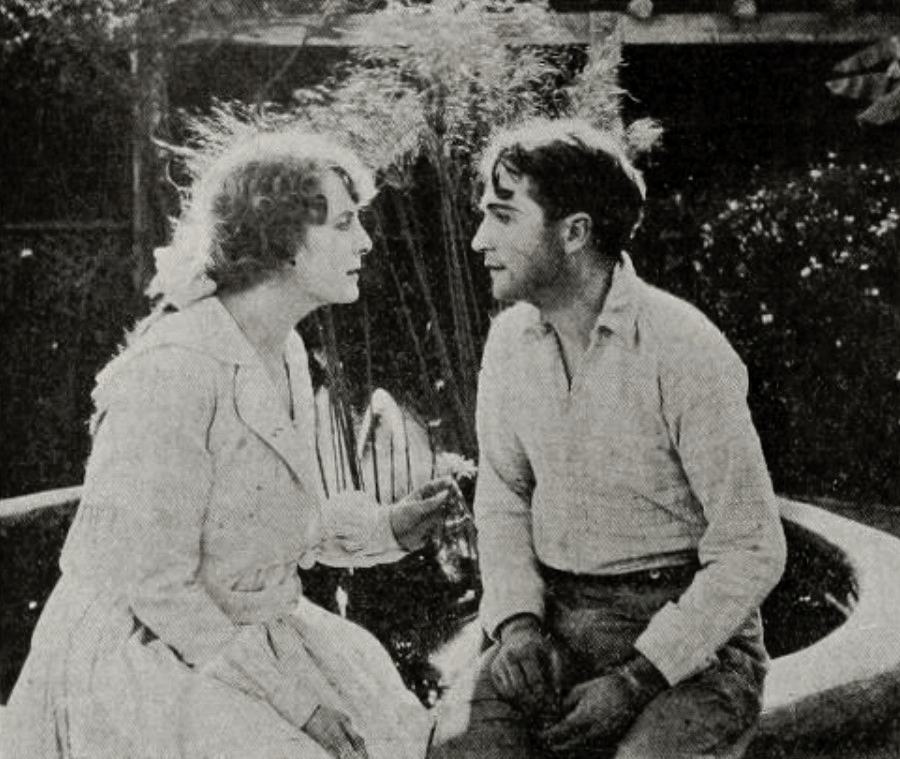
Jack Holt, likely playing the adult Ned Amory, embodies the righteous indignation and moral conflict central to the film’s second half. Holt, a prominent figure in early cinema, would have brought a powerful screen presence to the role. Ned’s journey from diplomatic hopeful to a man consumed by a quest for justice requires a transformation that the actor must convey without spoken dialogue. The internal struggle between his learned civility and the visceral demand for retribution against his father’s killer would have been the core of his performance. The emotional impact of his discovery, followed by the slow burn of his resolve, would have been key to the film’s dramatic success, allowing the audience to feel the weight of his inherited burden.
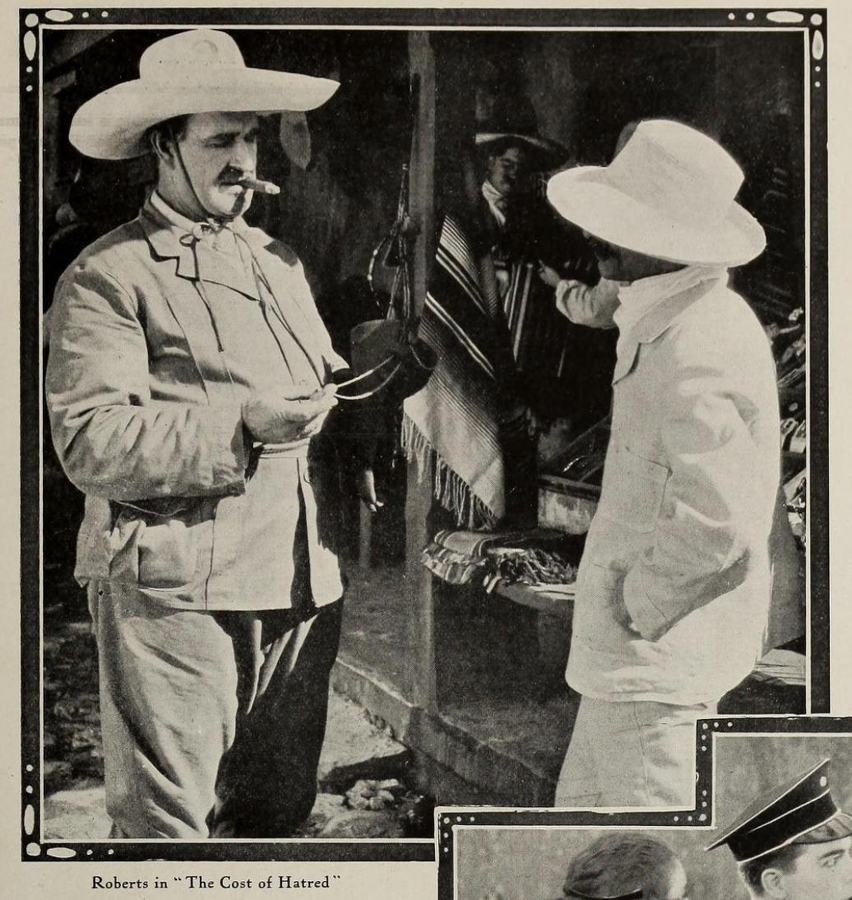
Theodore Roberts, a veteran character actor, likely provides a steady, paternal presence as Robert Amory, making his sudden demise all the more impactful. His brief but crucial appearance sets the stage for the subsequent tragedy and fuels Ned’s later quest. Lillian Rosine, as Sarita, the daughter caught in her father’s flight, would have served as a poignant symbol of innocence tainted by adult malevolence, perhaps offering a glimpse of humanity in Justice Graves, or at least a complication to Ned’s desire for pure vengeance. The supporting cast, including Louise Mineugh, Tom Forman, Jack W. Johnston, Charles Ogle, Horace B. Carpenter, Walter Long, and Kathlyn Williams, would have filled out the vibrant landscape of both the domestic drama and the Mexican setting, adding texture and authenticity to the world Beulah Marie Dix crafted. Their collective efforts contribute to the immersive quality of silent storytelling, where every gesture and expression carries significant weight, helping to build a believable and emotionally resonant cinematic world.
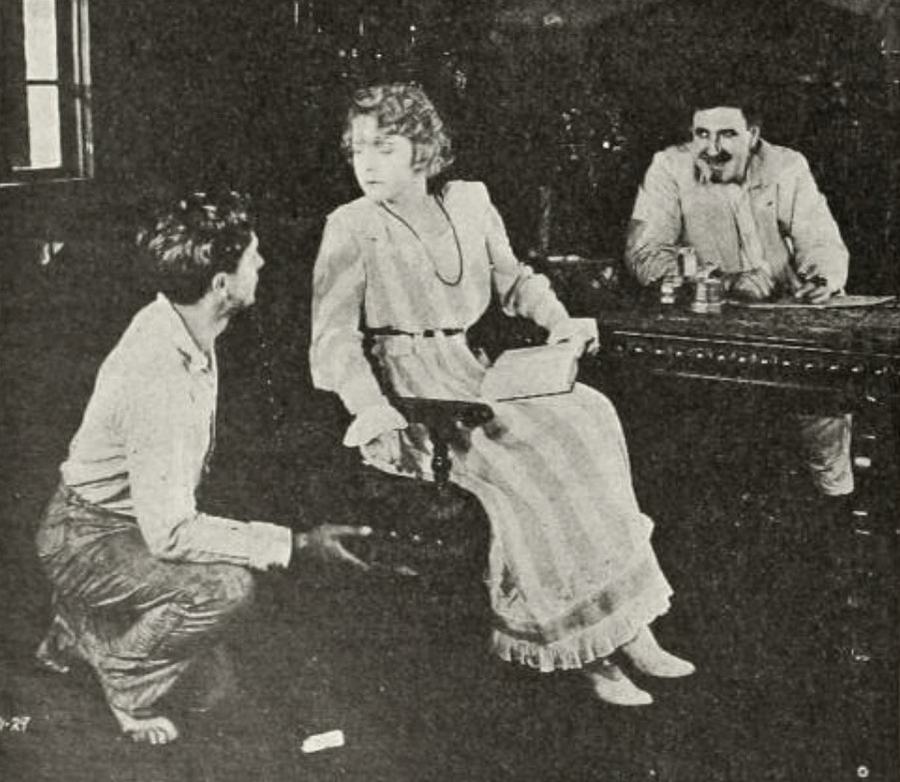
The title itself, “The Cost of Hatred,” is a profound thematic statement, signaling the film’s intention to delve into the destructive ripple effects of malice. At its core, the film grapples with the age-old dichotomy between vengeance and justice. Ned’s initial predicament in Mexico, unjustly imprisoned by the very man who shattered his family, presents a potent crucible for this exploration. Is his eventual confrontation with Justice Graves merely an opportunity for personal retribution, or does it represent a deeper quest for a moral reckoning? The narrative structure, with its significant time jump and geographical shift, underscores the inescapable nature of one’s past actions. Justice Graves’s flight to Mexico does not absolve him; instead, it merely postpones the inevitable confrontation, allowing his past sins to fester and ultimately catch up with him. This speaks to a universal truth: that true justice, whether divine or human, often finds its way, regardless of the distances traveled or the years elapsed.
Furthermore, the film touches upon themes of patriarchal abuse and the vulnerability of women in a society where legal recourse might be limited. Elsie Graves’s initial suffering is a stark reminder of the silent battles fought within the confines of marriage. Her brief respite with Robert Amory highlights the desperate human need for love and compassion, even when societal norms or dangerous spouses forbid it. The film, through Elsie’s plight, subtly critiques the societal structures that allow such brutality to flourish, offering a glimpse into the often-unseen struggles of women in that era. The Mexican setting adds another layer of complexity. It's not merely an exotic backdrop; it becomes a lawless frontier where Justice Graves can reinvent himself, exerting a new form of power, far from the reach of his previous crimes. This environment, however, also sets the stage for Ned’s brutalization and subsequent re-encounter, suggesting that even in remote lands, the threads of fate and consequence remain unbroken. The clash of cultures, though perhaps not explicitly explored, subtly emphasizes Ned’s vulnerability and Justice’s entrenched local power, making Ned’s quest for justice all the more arduous and compelling.
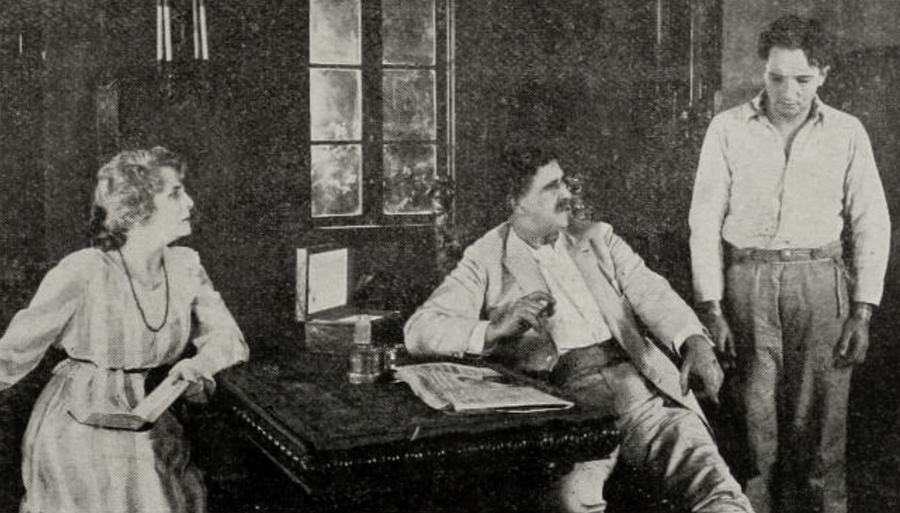
The idea of inherited trauma or the “sins of the father” is also present. Sarita, Justice’s daughter, is an innocent caught in the vortex of her father’s violence and flight. Her presence complicates Ned’s potential desire for pure vengeance, forcing him to confront the broader implications of his actions. Does he seek to punish Justice, or does he seek to break the cycle of hatred that has ensnared his own family? This internal conflict, though perhaps not fully articulated in intertitles, would have been conveyed through the actors’ nuanced performances, particularly Jack Holt’s, adding layers of psychological depth to what might otherwise be a straightforward revenge narrative. Comparisons to other films of the era that explore similar themes are apt. For instance, the raw exploration of marital discord and violence echoes the dramatic intensity found in films like Kreutzer Sonata, which also delves into the destructive power of jealousy and possessiveness within a marriage. While 'The Cost of Hatred' focuses on the aftermath and pursuit of justice, the initial catalyst shares a thematic resonance with such contemporary works. Similarly, the societal judgment and tragic outcomes of forbidden love, as seen in The Eternal Sappho or Sapho (1913), find a darker parallel in Elsie’s ill-fated romance, highlighting the perilous choices faced by women seeking agency in restrictive environments.
Beulah Marie Dix, the writer behind this compelling narrative, demonstrates a keen understanding of dramatic pacing and character development. Her script, translated into visual storytelling, would have relied heavily on clear visual cues, strong compositions, and evocative intertitles to convey the story’s complexities. The transition from the domestic tragedy to the cross-border pursuit is handled with an assured hand, keeping the audience engaged through distinct acts. The direction, which would have been crucial in translating Dix’s vision, would have utilized the visual language of silent film to its fullest. Close-ups would have accentuated emotional states, tracking shots would have conveyed movement and urgency, and wide shots would have established the contrasting environments of the American home and the rugged Mexican landscape. The use of lighting to create mood, from the suffocating shadows of Elsie’s home to the stark brightness of the Mexican sun, would have been a powerful, unspoken element of the cinematography.
Silent films often excelled at creating a sense of atmosphere, and 'The Cost of Hatred' would have leveraged this with masterful skill. The oppressive quiet of the Graves household, broken only by the visual cues of violence, would contrast sharply with the bustling, perhaps chaotic, energy of the Mexican town. The action sequences, particularly the robbery and Ned’s imprisonment, would have been staged for maximum dramatic impact, relying on physical performance and visual spectacle to convey peril. The film’s enduring power lies not just in its dramatic plot but in its ability to tap into universal human emotions: love, loss, fear, rage, and the pursuit of redemption. Even without spoken dialogue, the story communicates profound truths about the human condition. The visual storytelling, when done well, transcends language barriers, allowing audiences across generations to connect with the characters’ struggles. The film’s legacy, like many silent era gems, reminds us that the fundamental elements of compelling narrative – character, conflict, and consequence – are timeless.
The choices made in casting, direction, and writing all converge to create a powerful cinematic experience. The juxtaposition of a seemingly civilized world with primal violence, and the subsequent journey into a wilder, less structured environment, offers a rich backdrop for a tale of moral reckoning. The film, in its construction, feels like a precursor to later revenge thrillers, yet it retains a distinct early 20th-century sensibility, where melodrama often served as a vehicle for exploring deep psychological and social issues. The sheer ambition of the narrative, spanning years and continents, is notable for its time. It’s a testament to the ingenuity of early filmmakers who, despite technological limitations, dared to tell sprawling, epic stories. 'The Cost of Hatred' is more than just a revenge plot; it's a commentary on the indelible marks left by violence, the long arm of fate, and the complex, often contradictory, nature of human justice. It invites viewers to ponder whether true justice can ever be achieved through an act of vengeance, or if it merely perpetuates the very cycle of hatred it seeks to break. This is a film that, even a century later, retains its capacity to provoke thought and stir the emotions, a silent testament to the enduring power of its narrative and the timeless relevance of its themes.
IMDb 5.9
1918
Community
Log in to comment.