DbcultAccessing Vault...
6.2/10
Senior Film Conservator
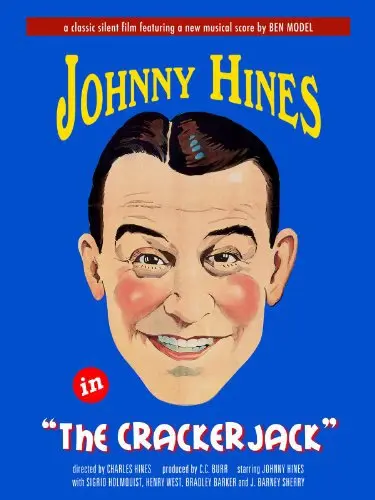
A definitive 6.2/10 rating for a film that redefined the boundaries of cult cinema. The Crackerjack remains a cornerstone of transgressive art.
In the bustling streets of a South American city, Harry Semels, a pickle salesman with more than meets the eye, finds himself thrust into a revolution that threatens to engulf him and the lives of those around him. His journey begins innocently enough, selling pickles and juggling the demands of his family and work, but it quickly spirals into a whirlwind of political chaos and personal transformation. Impersonating a rebel general to avoid suspicion, Harry’s cover is blown almost as soon as it’s begun. As he navigates this treacherous landscape, a chance encounter with the general’s daughter, played brilliantly by Sigrid Holmquist, complicates everything. This is not just a tale of political intrigue and survival, but also a poignant exploration of love, loss, and the thin line between right and wrong.
The film, directed with a keen eye for both comedic and dramatic moments, is a masterclass in the art of subversion. The screenplay, penned by Richard M. Friel, John W. Krafft, Victor Grandin, and Argyle Campbell, is rich with nuance and layered with unexpected twists. The characters, though initially flat, are gradually brought to life through their interactions and the tension they create. Every scene is meticulously crafted, from the chaotic street battles to the tender moments of family and romance. The cinematography captures the vibrant yet oppressive atmosphere of the revolution, making the setting as much a character as any of the actors.
In terms of acting, the ensemble delivers a standout performance. Harry Semels, with his quirky charm and surprising depth, grounds the film’s central character. His transformation from a humble salesman to a complex figure of authority and deceit is both believable and engaging. Sigrid Holmquist brings a quiet strength to her role, her character’s evolution from a sheltered young woman to a woman of action and decision-making is both compelling and inspiring. The supporting cast, including Johnny Hines, Henry West, and Bradley Barker, adds layers of complexity to the narrative, each offering a unique perspective on the unfolding drama.
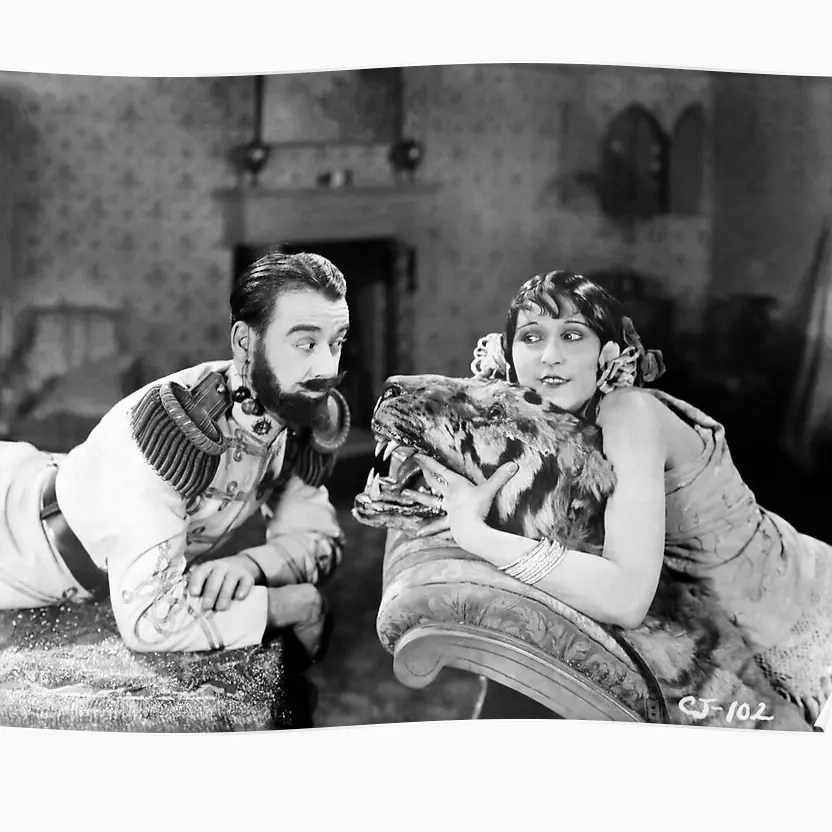
Comparatively, The Crackerjack shares thematic similarities with films like Days of Daring, where the protagonist is thrust into a world of danger and must use wit and courage to survive. However, the execution is markedly different. Days of Daring, though also a product of its time, lacks the depth and emotional resonance of The Crackerjack. Similarly, A Woman of Pleasure, with its focus on female empowerment, offers a stark contrast to the male-driven narrative of The Crackerjack. While these films provide a rich backdrop for discussing the breadth of cinematic storytelling, they do not capture the multifaceted journey that The Crackerjack undertakes.
What sets The Crackerjack apart is its ability to blend genres seamlessly. It is a film that expertly navigates the realms of comedy, drama, and suspense, creating a tapestry of emotions that is both entertaining and thought-provoking. The humor, when it comes, is sharp and well-timed, not just a means to lighten the mood but a tool to highlight the absurdity of the political situation. Yet, the film never loses sight of its dramatic elements, allowing the tensions to build to a satisfying climax.
Technically, the film is commendable. The editing is tight, ensuring that no moment feels wasted. The score, composed to enhance the emotional beats of the narrative, is a perfect complement to the on-screen action. The use of locations and props adds authenticity to the setting, making the South American revolution feel both historical and contemporary.
The Crackerjack is a testament to the power of storytelling. It challenges the viewer to question the nature of truth, the boundaries of identity, and the roles we play in the lives of others. It is a film that demands multiple viewings, each time revealing new layers of meaning. While it may not be a perfect film, it is certainly a memorable one. Its blend of humor, drama, and political intrigue makes it a must-watch for anyone interested in the art of cinema.
IMDb 6.7
1937
Community
Log in to comment.