DbcultAccessing Vault...
Cult Review
Senior Film Conservator
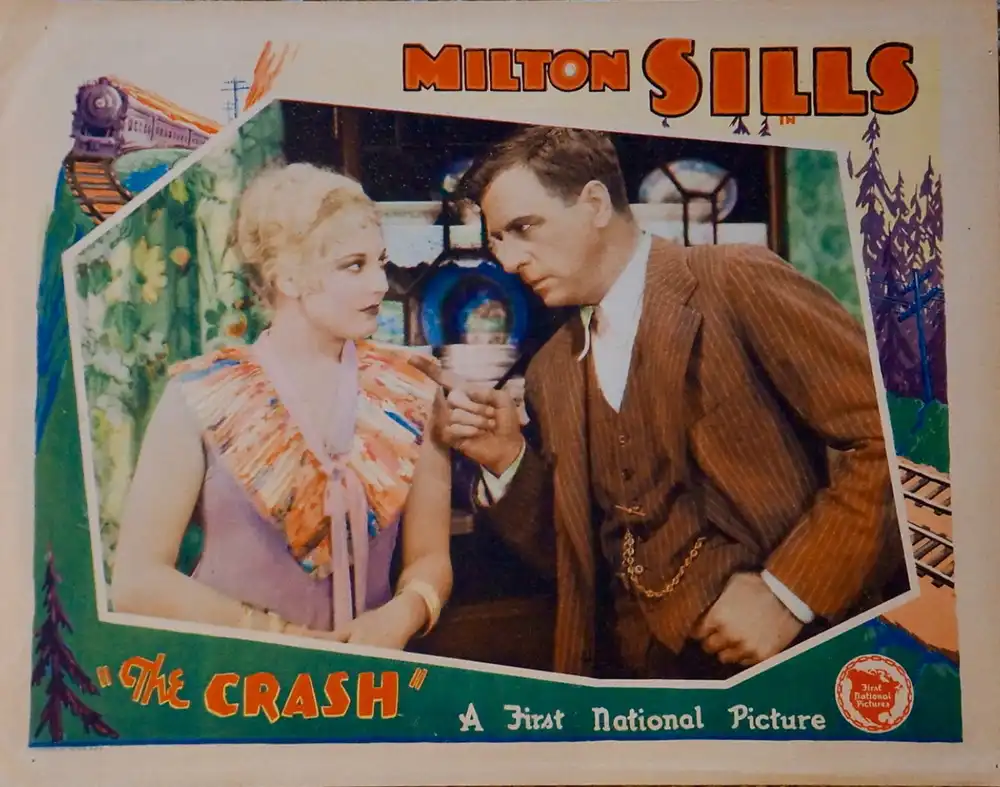
Watching The Crash today feels less like experiencing a story and more like sifting through an archaeological dig. Is it worth watching? Absolutely, if you have a deep interest in early cinema, or if you’re curious about how films wrestled with sound and performance just before the full talkie boom. This is for the patient, the historically minded, the people who find charm in the rough edges. If you’re just looking for a casual Friday night movie, something to half-watch while scrolling, you’ll probably find it a frustrating, slow-moving curiosity that doesn't quite land.
Milton Sills, as always, has that undeniable screen presence. He’s got the kind of face that communicates a thousand unspoken thoughts, even when those thoughts are delivered with the broad theatricality of the silent era. There are moments, especially when the camera pushes in on him, where he just sells the weight of whatever predicament his character is in. But then, there are also long stretches where his intensity verges on the comical. One particular scene, involving what I gather is a moment of financial ruin, sees him repeatedly clutching his head and then staring blankly into space. It goes on a good 15 seconds too long, making you wonder if the director just forgot to yell 'cut' or if they really thought this sustained agony was the key to audience empathy.
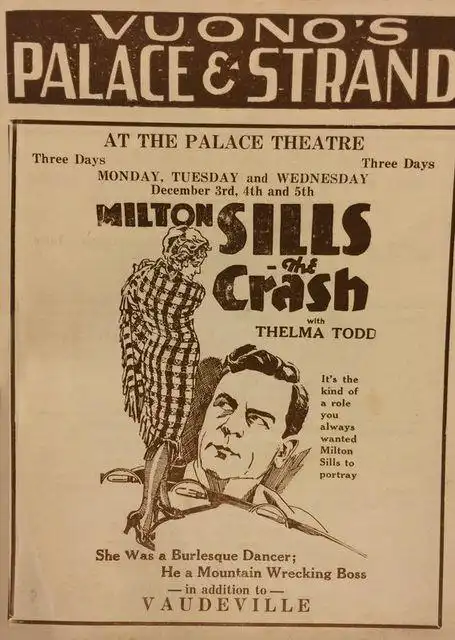
Thelma Todd, on the other hand, is a revelation in some of her smaller moments. She has this natural ease about her, a way of moving and reacting that feels remarkably modern compared to some of her co-stars. Her expressions are often subtle, a slight shift in her eyes, a fleeting smile that feels genuine. You can almost feel the film trying to force her into these melodramatic poses, but she frequently manages to transcend it. There’s a shot where she’s just listening to someone off-screen, and the way her brow furrows, almost imperceptibly, speaks volumes more than any of the more exaggerated gestures around her.
Pacing is, well, it’s a thing. The film has this peculiar rhythm where certain scenes feel rushed, almost clipped, while others just… linger. There’s an early sequence introducing what I assume are the main players, and it moves at a clip that feels almost frenetic. Then, suddenly, we’re in an office, and the camera just sits there for what feels like an eternity while two characters slowly walk across the room, sit down, and then embark on what I can only describe as a very deliberate conversation. You can almost feel the film itself taking a deep breath.
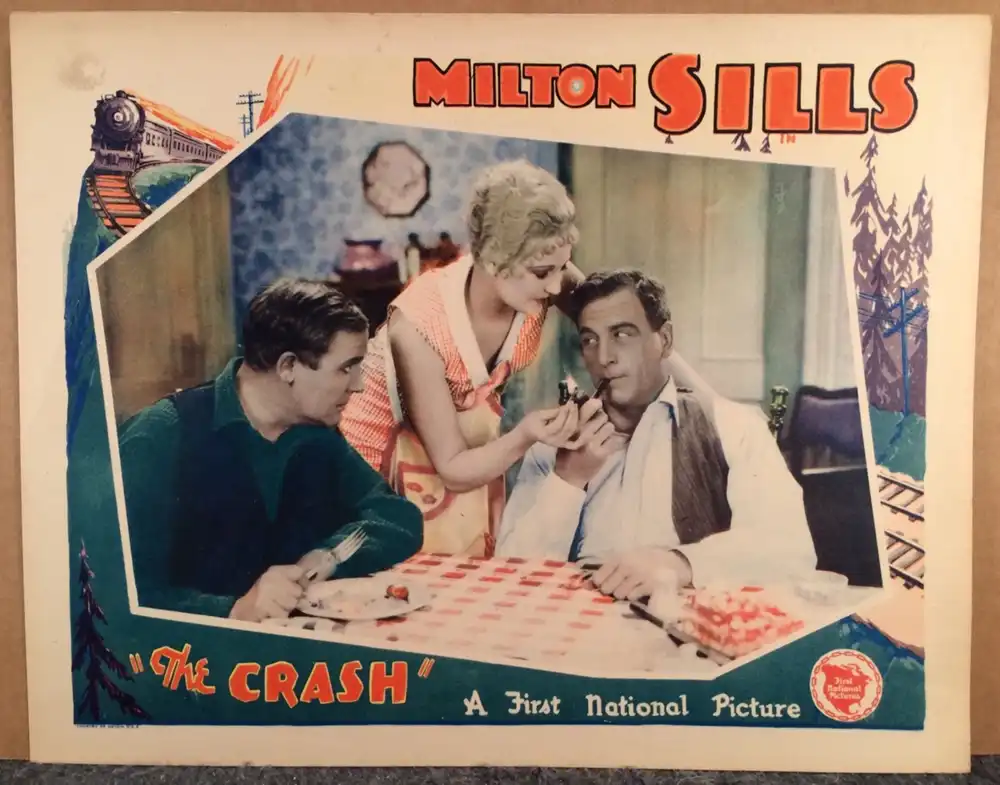
The dialogue, assuming you’re watching a version with synchronized sound or just reading the intertitles, is very much of its time. Characters often state their emotions or intentions with a directness that feels almost alien now. There’s not a lot of subtext, not a lot of implication. It’s all laid out. This can make some of the more dramatic confrontations feel less like genuine arguments and more like declarations of intent. It’s a style that forces you to adjust your viewing habits.
Visually, it's a mixed bag. The sets are often quite elaborate, especially the interiors. You can see the attention to detail in the furniture, the wallpaper, the period-specific props. But then you’ll get an exterior shot, presumably meant to be bustling, where the background extras look like they’ve been told to stand perfectly still until the director calls action. The crowd scenes have this oddly empty feeling, like half the extras wandered off for a coffee break and never quite came back.
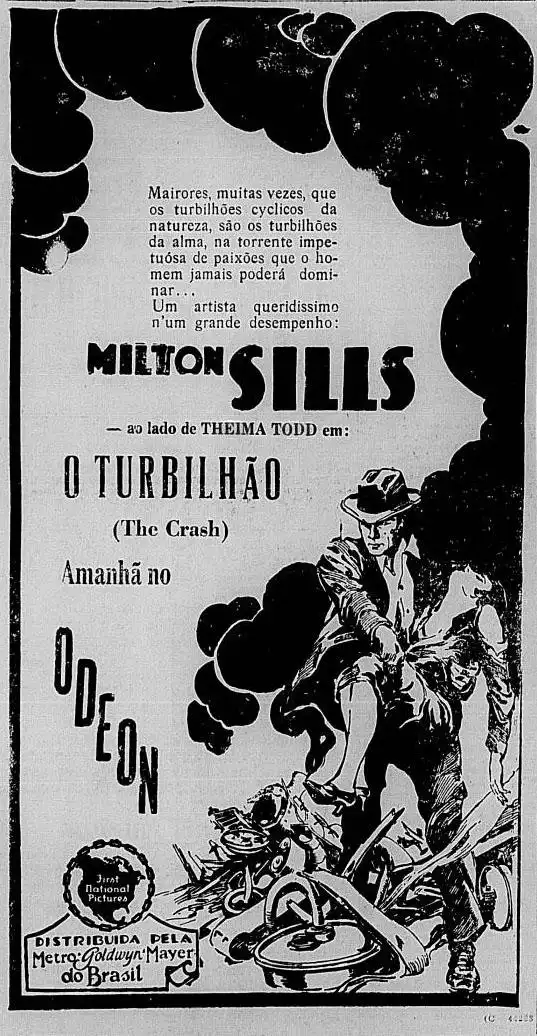
One particular shot caught my eye: a wide angle of a bustling street, but the way the light hits the pavement just makes everything look incredibly flat, almost two-dimensional. It strips away any sense of depth or realism. Conversely, a close-up of a telegram, crinkled at the edges, felt incredibly tactile and immediate. It’s those small, almost accidental moments that often resonate more than the grand pronouncements.
The costumes are fantastic, though. The women's hats alone are worth the price of admission (if you were paying, which you probably aren't). There’s this one character, I forget her name, but she wears this absolutely enormous feathered hat that seems to defy gravity. She wears it indoors, through several scenes, and you just have to admire the sheer audacity of it. It’s a tiny detail, but it speaks volumes about the fashion and perhaps the social conventions of the era.
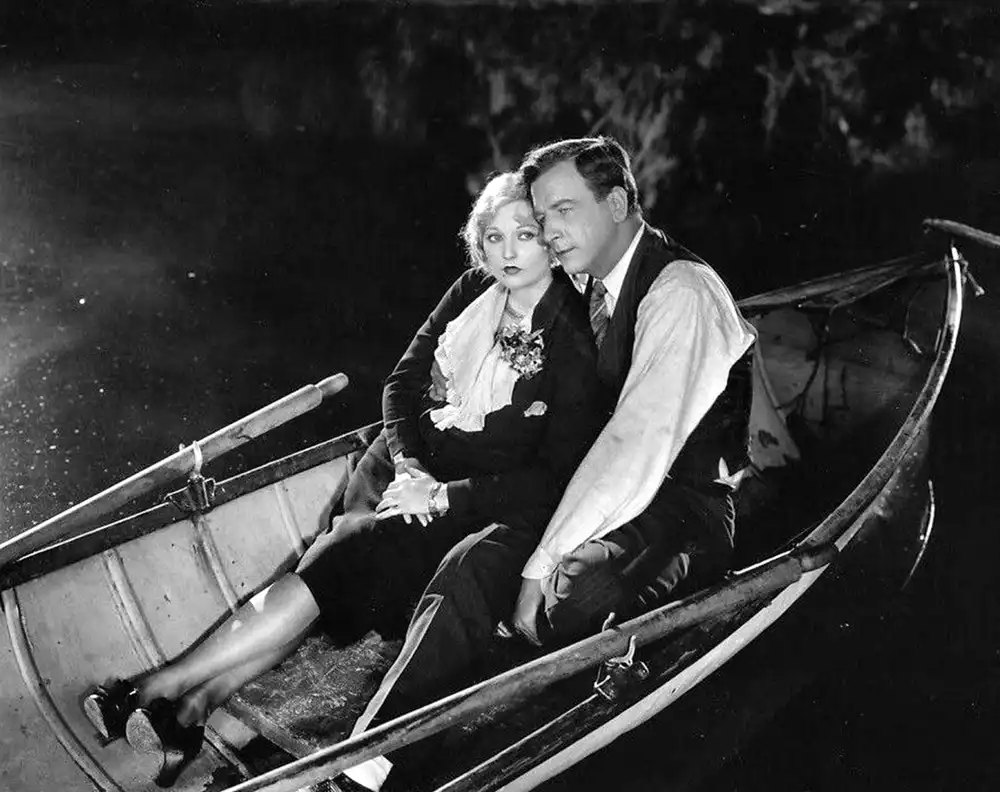
There's a strange tonal shift around the halfway mark. The film starts off with a certain earnestness, a kind of dramatic weight, but then it veers into moments that feel almost farcical. A character's reaction to bad news, for instance, is so over-the-top, so physically exaggerated, that it borders on slapstick. It’s hard to tell if this was intentional, a way to lighten the mood, or if it’s just a symptom of the era’s evolving cinematic language. It certainly makes for an uneven viewing experience.
Despite its flaws, and there are many, The Crash has a certain raw energy. It’s not a polished, seamless experience, but that’s part of its charm. It’s a window into a time when filmmakers were still figuring things out, when the rules were being written, sometimes on the fly. You see the effort, the ambition, even when the execution is a little clunky. It reminds you that even the most respected art forms started somewhere, often with a lot of trial and error.
It's not a film you'll necessarily 'enjoy' in the modern sense, but it's one you can appreciate for its historical value and for the occasional, unexpected flashes of genuine cinematic life.
IMDb 6.8
1935
Community
Log in to comment.