DbcultAccessing Vault...
6.9/10
Senior Film Conservator
A definitive 6.9/10 rating for a film that redefined the boundaries of cult cinema. The Crimson City remains a cornerstone of transgressive art.
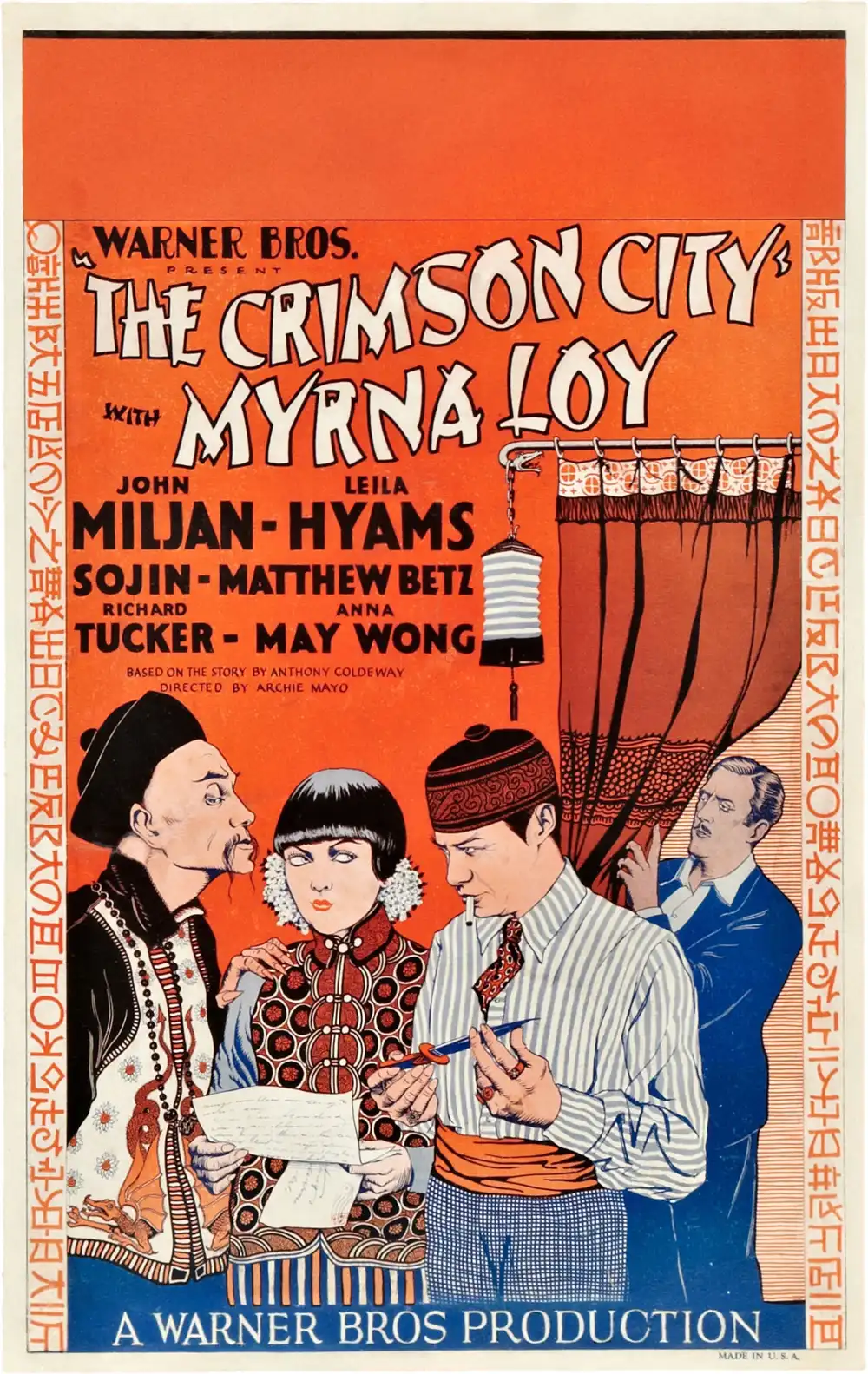
“The Crimson City” is a 1928 silent crime drama that primarily serves as a fascinating showcase for Anna May Wong. Is it worth watching today? For silent film enthusiasts, especially those interested in Wong's early career and the representation of Asian characters in Hollywood, absolutely. It offers a unique window into a specific moment in cinematic history. However, for a casual viewer expecting a tightly plotted, engaging mystery, its conventional narrative, occasional pacing issues, and some dated performances might make it a challenging watch. It's a film to be appreciated more for its historical and cultural context than its pure entertainment value in 2024.
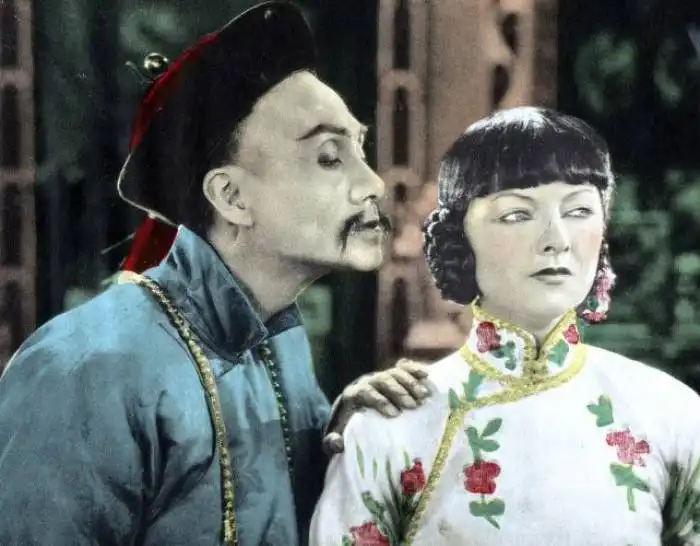
Anna May Wong, as Mahlee, is undoubtedly the film's anchor. She carries herself with an understated intensity that elevates every scene she's in. Her expressions, particularly the subtle shifts in her eyes, convey more depth than the script often allows for. There’s a scene where she’s observing Gregory Kent from a distance, her face registering a complex mix of concern and calculation – it's a moment that feels genuinely modern in its subtlety. She doesn't overact, a common pitfall in silent cinema, and her presence is consistently captivating. She stands apart from the broader, more theatrical acting styles surrounding her, a testament to her unique talent.
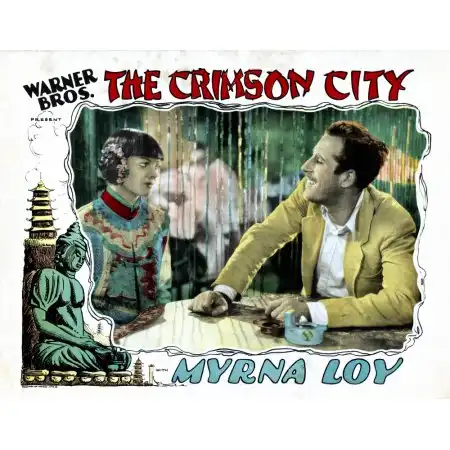
John Miljan, as the framed Gregory Kent, is competent enough, projecting the required distress and determination. His performance is broad, fitting for the era, but lacks the nuanced interiority Wong brings. He spends a lot of time looking worried or resolute, which gets the job done but doesn't leave a lasting impression. You get the sense he’s playing 'the hero on the run' rather than inhabiting a complex character.
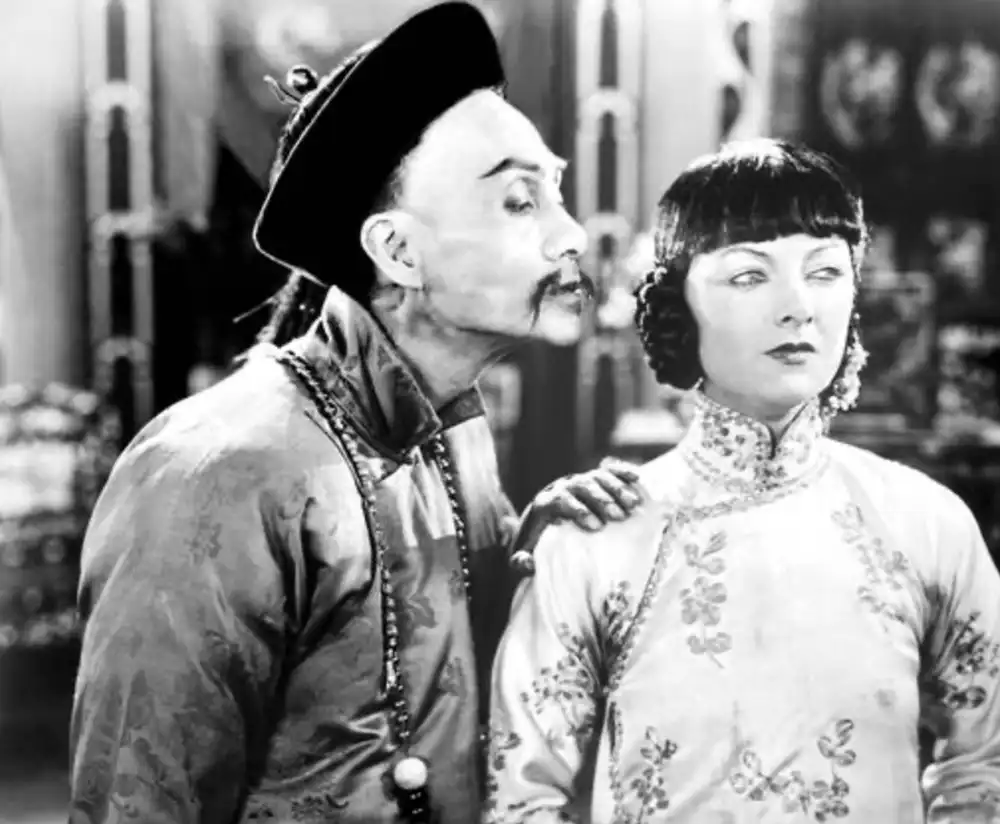
Leila Hyams, playing the romantic interest, is given less to work with, largely relegated to the 'damsel in distress' role. She looks beautiful, but her character feels more like a plot device than a fully realized person. Sôjin Kamiyama, as the villainous, opium-addicted gangster, plays into common stereotypes of the time, which is uncomfortable to watch now. While he embodies menace, his performance often leans into caricature. Myrna Loy has a small, almost blink-and-you'll-miss-it role, hinting at the star she would become, but there's little here to truly assess her future talent. It's a fleeting appearance, similar to her early work in The Show.
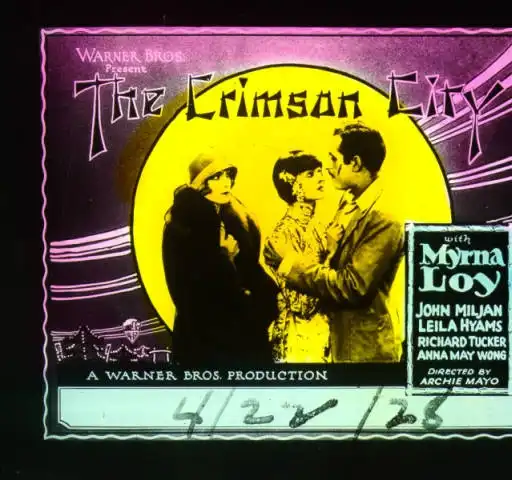
The film struggles with its pacing. The initial setup, establishing Gregory Kent's predicament, moves along efficiently. However, once the plot settles into a pattern of Kent hiding and investigating, there are stretches where the narrative momentum falters. Some scenes linger a beat too long, particularly reaction shots that feel designed to fill time rather than deepen emotion. For instance, after a minor revelation, the camera often holds on a character's surprised face for an extra beat that a modern editor would trim. This habit, while common in silent films, becomes noticeable here.
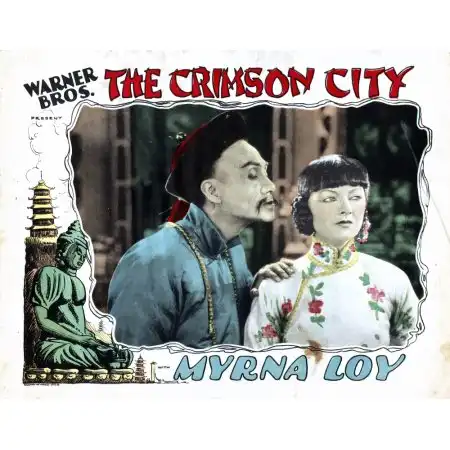
The tone is largely consistent – a brooding crime drama with romantic undertones. The silent film conventions, like intertitles, occasionally break the flow, but that's to be expected. There's a particular sequence where Kent is trying to evade a group of thugs in a crowded market that feels genuinely tense and well-staged, but it's often followed by a more static scene of exposition that saps some of that energy. The shift from exterior action to interior dialogue scenes isn't always smooth, creating a somewhat disjointed rhythm.
“The Crimson City” utilizes its setting effectively, creating an atmosphere of shadowy intrigue. The sets, particularly those depicting the bustling, slightly illicit underbelly of the titular 'Crimson City' (presumably a stand-in for a Chinese or Southeast Asian port), are quite detailed for a silent film. The lighting choices are notable; many scenes feature strong contrasts, with figures emerging from deep shadows, emphasizing the moral ambiguity and danger lurking around every corner. There's a memorable shot of Mahlee, framed against a dimly lit archway, observing the chaos, her silhouette almost merging with the darkness.
The costumes, especially Wong's, are exquisite and clearly designed to highlight her elegance and exoticism. Her traditional garments are richly textured, providing a visual counterpoint to the more mundane Western attire of the other characters. The film also makes good use of crowd scenes, lending a sense of scale and life to the city, even if the background extras sometimes move with a slightly awkward, choreographed stiffness.
One particular observation that only someone who watched the film would notice: pay attention to the way opium dens are depicted. The hazy, smoky atmosphere is conveyed through diffusion filters and slow, languid movements of the actors, creating a distinct visual language for these morally dubious spaces. This visual motif is quite prevalent and helps establish the film's 'crimson' atmosphere more than any direct dialogue could.
“The Crimson City” is not a lost masterpiece, nor is it a film that will convert skeptics of the silent era. However, it is an essential watch for anyone interested in Anna May Wong's remarkable talent and her struggle for complex roles in a restrictive Hollywood system. She breathes life into a film that would otherwise be a competent but largely unremarkable silent crime drama. Approach it as a historical document with a compelling central performance, and you'll find it a worthwhile, if occasionally slow, journey into the past. It's a film that asks you to look beyond its narrative shortcomings and appreciate the artistry, both deliberate and accidental, that shaped early cinema, particularly the undeniable star power of Anna May Wong.
IMDb —
1922
Community
Log in to comment.