DbcultAccessing Vault...
6.8/10
Senior Film Conservator
A definitive 6.8/10 rating for a film that redefined the boundaries of cult cinema. The Curse of Greed remains a cornerstone of transgressive art.
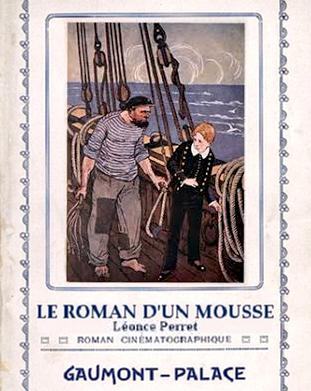
In the nascent years of cinematic storytelling, when narratives often served as moral parables or heightened melodramas, a film like The Curse of Greed emerges as a potent, albeit stark, reflection of societal anxieties and primal human motivations. This particular work, shrouded in the historical mists of early cinema, distills a complex moral struggle into a deceptively simple plot, a hallmark of its era’s narrative conventions. It is a testament to the enduring power of archetypal conflict, presenting a clear dichotomy between the forces of malevolence and the flickering embers of human compassion.
The film’s central premise, revolving around a predatory moneylender and his heinous plot against a vulnerable widow, speaks volumes about the economic and social undercurrents of its time. The moneylender, a figure often demonized in popular culture, is here painted with broad strokes of unadulterated villainy. His target, a wealthy widow, represents not just material gain but also a certain societal fragility, where prosperity could be swiftly undermined by unscrupulous forces. The abduction of her young son is not merely a plot device; it is a visceral portrayal of the ultimate violation, an attack on innocence itself, designed to wrench control and fortune from the victim through sheer emotional torment.
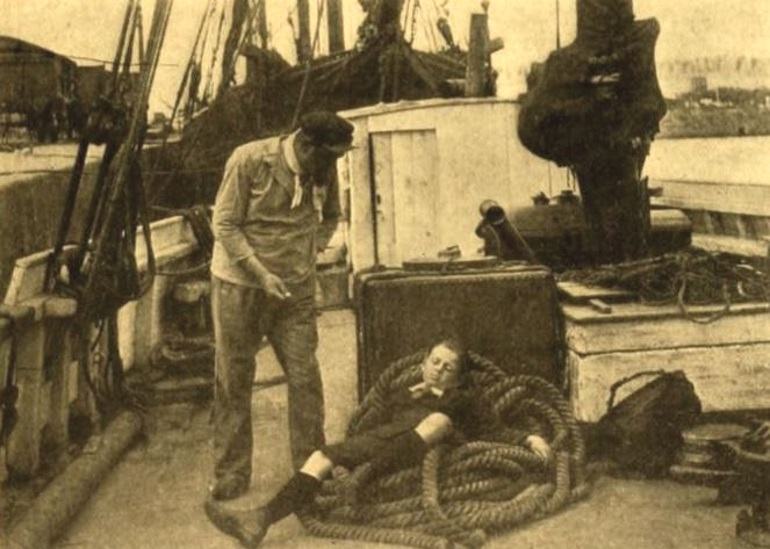
The machinations of the moneylender are chilling in their cold calculation. The decision to send the boy away on a fishing boat, with the explicit intent of drowning him, transcends mere kidnapping; it is an act of attempted murder, devoid of any shred of humanity. This level of depravity, while perhaps exaggerated for dramatic effect, serves to amplify the stakes and solidify the villain's role as a personification of pure, unbridled greed. The audience, then as now, is positioned to recoil in horror at such a scheme, creating a powerful emotional investment in the fate of the innocent child.
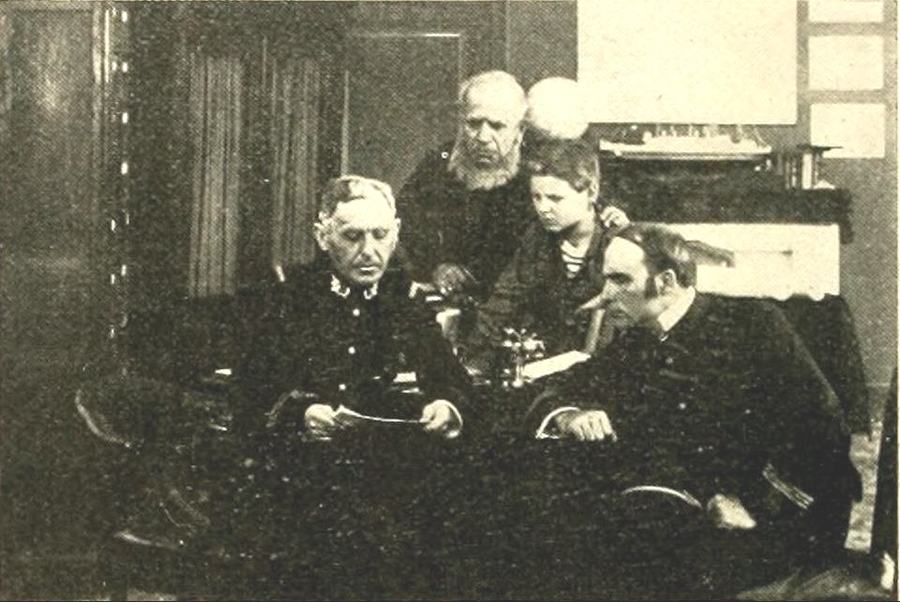
However, it is precisely at this nadir of human malevolence that the narrative introduces its crucial counterpoint: the kindly old fisherman. This character, often a symbol of hard work, humility, and connection to nature, embodies an uncorrupted goodness that stands in stark contrast to the urban, transactional villain. His intervention is not a planned act of heroism but an organic response of compassion, a spontaneous rejection of the evil unfolding before him. This moment, where a simple act of human decency thwarts a meticulously planned crime, forms the emotional and moral core of the film, suggesting that even in the darkest corners, light can penetrate.
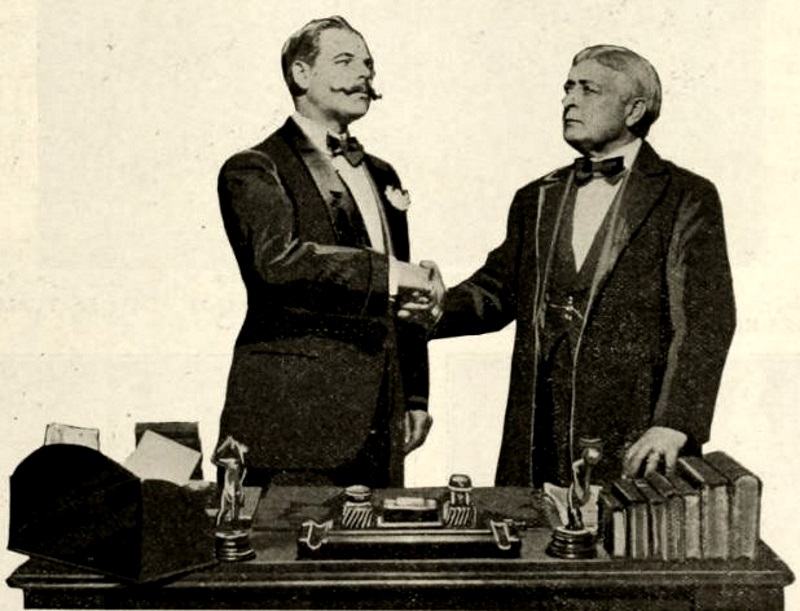
The casting of Paul Manson, Angèle Lérida, and Bernard Derigal, alongside a robust ensemble including Maurice Luguet and Adrien Petit, likely brought a particular gravitas to these roles, even if the acting styles of the era were more theatrical than naturalistic. One can imagine Derigal’s moneylender exuding a sinister charm, while Lérida’s widow conveys a palpable sense of maternal despair. The fisherman, perhaps portrayed by Louis Leubas or Armand Dutertre, would have needed to project an aura of quiet strength and inherent benevolence to make his pivotal intervention believable and impactful. The absence of credited writers suggests a collaborative, perhaps improvised, storytelling process common in early cinema, where narratives evolved on set or from established theatrical tropes.
At its heart, The Curse of Greed is an unvarnished examination of the destructive nature of avarice. It posits that an unchecked desire for wealth can lead individuals down a path of profound moral degradation, culminating in acts of unforgivable cruelty. This theme resonates powerfully, drawing parallels with other early films that explored the corrupting influence of money and power. One might consider a film like The Might of Gold, which likely explored similar territory, albeit perhaps from a different narrative angle. The widow's fortune becomes less a symbol of comfort and more a catalyst for conflict, a dangerous magnet for malevolent intentions.
The child, in his vulnerability, represents pure innocence, a stark contrast to the calculating adult world. His peril is designed to evoke maximum sympathy from the audience, making the fisherman's act of salvation all the more impactful. This dynamic is a recurring motif in early melodrama, where the helpless are often pitted against overwhelming evil, only to be saved by an unexpected hero. Films such as Oliver Twist or Les Misérables, though perhaps more complex in their social critiques, similarly leverage the plight of an innocent to highlight societal injustices and the potential for human kindness.
While specific details of its cinematography and direction are lost to time or require careful archival study, we can infer much about The Curse of Greed by understanding the prevailing techniques of its era. Early films often relied on static camera shots, tableau staging, and the expressive physicality of actors to convey emotion and narrative progression. Intertitles would have been crucial for dialogue and exposition, guiding the audience through the plot's twists and turns. The scene of the boy being sent away on the fishing boat, for instance, would have likely employed dramatic framing to emphasize his isolation and impending doom, contrasting it with the expansive, indifferent sea.
The visual language would have been direct and unambiguous, ensuring that the moral message was clear. The moneylender’s villainy would be evident in his posture, his expressions, perhaps even his costume, while the fisherman’s benevolence would be conveyed through his gentle demeanor and decisive, protective actions. The power of the image itself, unburdened by synchronous sound, demanded a heightened visual literacy from both filmmakers and audiences. The suspense of the boy's fate, the tension of the abduction, and the relief of his rescue would have been meticulously crafted through editing choices, even if rudimentary by modern standards, to maximize emotional impact.
Comparing this to other early narrative films, such as The Life and Passion of Christ, one sees a common thread in the use of visual allegory and moral instruction. While one deals with religious narrative, and the other with secular crime, both sought to impart significant lessons through compelling, easily digestible stories. The clarity of purpose in The Curse of Greed, to expose the ugliness of avarice and celebrate simple goodness, aligns perfectly with the didactic tendencies of early cinematic art.
Though perhaps not as widely remembered as some of its contemporaries, The Curse of Greed holds significance as a foundational piece in the development of cinematic narrative. It exemplifies how early filmmakers tackled complex human emotions and social issues with the limited tools at their disposal, yet with an undeniable clarity of vision. The film's uncomplicated structure, wherein good and evil are distinctly delineated, would have resonated strongly with audiences eager for compelling stories that affirmed moral order.
The tale of the moneylender, the widow, and the fisherman is one that transcends its specific setting and time, tapping into universal anxieties about financial exploitation and the enduring hope for human kindness. It reminds us that even when faced with calculated malice, the simple, spontaneous act of a compassionate individual can redirect the course of fate. This theme of unexpected salvation, a kind of redemption through altruism, is a timeless narrative device that continues to captivate audiences.
One can also appreciate how such a film contributed to the public's understanding of storytelling through a new medium. Each cut, each intertitle, each performance was a lesson in itself, teaching viewers how to interpret the moving image as a vehicle for narrative and emotion. These early works laid the groundwork for the more sophisticated cinematic language that would follow, making films like The Curse of Greed not just historical artifacts, but vital steps in the evolution of an art form.
The film’s reliance on archetypal characters – the greedy villain, the distressed damsel (or in this case, widow), the innocent child, and the virtuous common man – is a strength rather than a weakness for its period. These figures are instantly recognizable, allowing the audience to quickly grasp the moral stakes without lengthy exposition. The conflict is clear, the motivations stark, and the resolution, though perhaps not fully detailed in the plot summary, is implied to be a triumph of good over evil, or at least a temporary reprieve from it. This narrative economy was essential in a medium where screen time was precious and audience attention spans were still being conditioned.
Moreover, The Curse of Greed, through its simple yet profound narrative, serves as a cultural artifact reflecting the moral compass of its time. It speaks to a period where moral clarity was often sought in public entertainment, and where the consequences of vice were often explicitly illustrated. The film’s title itself is a declarative statement, leaving no doubt about the central theme and the inherent dangers of unchecked material desire. It's a reminder that while cinematic techniques have evolved dramatically, the fundamental human stories of struggle, temptation, and redemption remain perpetually relevant.
In conclusion, The Curse of Greed stands as a fascinating glimpse into early filmmaking, a period piece that, despite its potential technical simplicity, delivers a powerful and timeless message. Its narrative, though direct, is imbued with a raw emotional intensity that would have captivated audiences of its day and continues to resonate with anyone interested in the foundational stories of cinema. It is a stark reminder that some themes are eternal, and the battle between avarice and compassion is one that continues to be waged, both on screen and in life.
IMDb —
1920
Community
Log in to comment.