DbcultAccessing Vault...
Cult Review
Senior Film Conservator
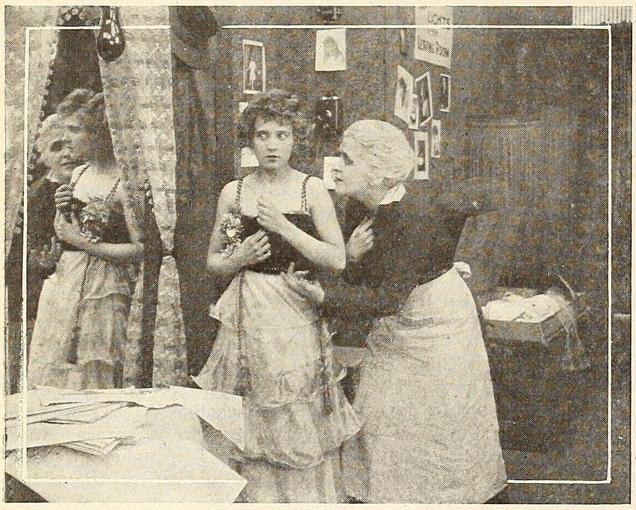
In the annals of early cinema, certain films emerge not merely as entertainment, but as poignant social documents, holding up a mirror to the anxieties and aspirations of their era. Oliver W. Geoffreys and Eve Unsell's 'The Ransom' stands as one such indelible work, a stark, often uncomfortable portrayal of a woman's struggle against the suffocating societal constraints of the early 20th century. It’s a narrative that eschews easy answers, instead plunging into the complex interplay of ambition, sacrifice, and the insidious nature of exploitation, painting a picture that remains chillingly resonant even today. This isn't just a story; it's a lament, a cautionary tale whispered across generations, making it a powerful subject for any discerning film enthusiast.
At the heart of 'The Ransom' is Janet Osborne, portrayed with a quiet desperation by the compelling Julia Dean. Janet's existence is one of profound unhappiness, tethered to a loveless marriage that offers neither companionship nor fulfillment. Her husband, Mark, embodied by William McKey, represents the rigid, patriarchal archetype of the time – a man whose authority crushes nascent dreams and individual spirit. In this bleak landscape, Janet finds her sole beacon of joy and purpose in her daughter, Marcia. This maternal bond isn't merely a plot device; it's the emotional anchor of the entire film, underscoring the profound sacrifices women were often compelled to make, and the enduring power of a mother's love in the face of overwhelming adversity. The film masterfully establishes this emotional core, ensuring that every subsequent twist of fate feels deeply personal and tragically earned.
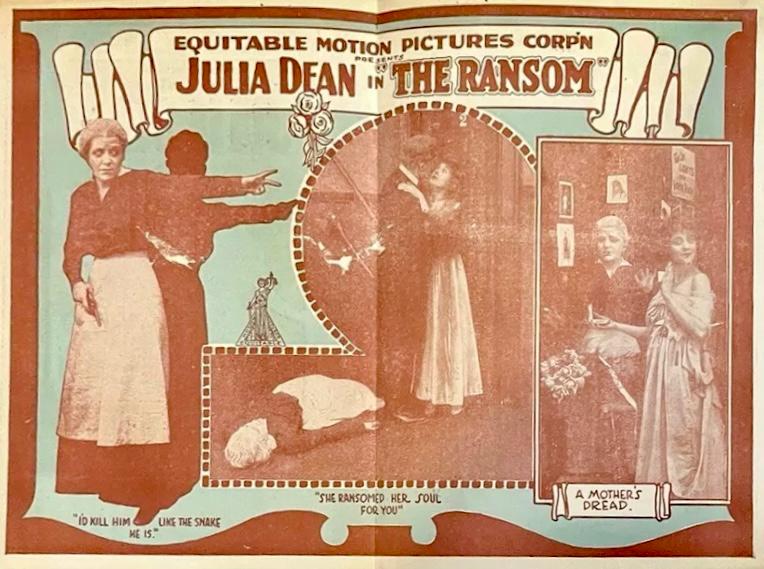
Janet's spirit, though bruised, isn't entirely broken. Beneath the veneer of her domestic despair lies a fervent, long-suppressed aspiration: a career on the stage. The theater, in that era, represented not just artistic expression but a potent symbol of liberation and self-definition for women trapped in stifling roles. When she encounters Geoffrey Allen, a theatrical agent whose charm is as undeniable as his underlying opportunism, a spark ignites within her. This pivotal meeting is a testament to the human desire for self-actualization, a yearning to break free from the prescribed narratives of one's life. It echoes the themes explored in films like Gloria's Romance, where the pursuit of personal ambition often clashes with societal expectations, forcing protagonists into difficult, often life-altering choices. Janet's decision to pursue acting is portrayed as both an act of courage and a naive leap of faith, setting the stage for the dramatic unraveling that follows.
The repercussions of Janet's bold step are swift and brutal. Mark, her husband, views her artistic aspirations not as a personal quest, but as a direct challenge to his authority and a profound betrayal of her wifely duties. His reaction is a chilling display of patriarchal power: he orders her out of their home and, most devastatingly, seizes custody of their daughter, Marcia. This act of emotional and familial violence is the true turning point of the film, transforming Janet's pursuit of a dream into a desperate fight for survival and, ultimately, a profound personal loss. The film doesn't shy away from depicting the stark realities faced by women who dared to defy convention, illustrating how easily their lives could be dismantled, their very identities stripped away, by the prevailing social order. The agony of separation from her child is palpable, a silent scream that resonates through Julia Dean's nuanced performance.
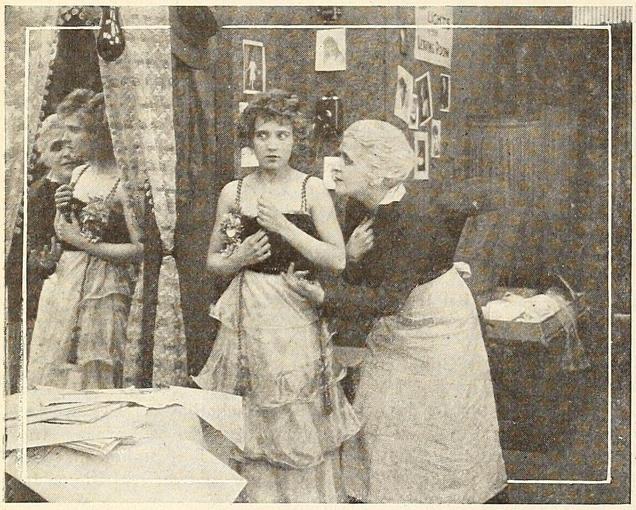
Stripped of her home, her child, and her social standing, Janet's foray into acting quickly falters. The glittering promise of the stage gives way to the harsh realities of a competitive, often unforgiving industry. It's in this moment of extreme vulnerability that Geoffrey Allen, played with a compelling blend of charm and menace by Willard Case, re-enters her life, not as a savior, but as a predator. He capitalizes on her desperation, subtly manipulating her into becoming his mistress. This development is not merely a moral failing on Janet's part; it is a stark illustration of the limited choices available to women in her predicament, where economic survival often necessitated compromising one's dignity. The film meticulously charts her descent, revealing the insidious nature of power imbalances and the ways in which dreams can be twisted into tools of exploitation. It’s a tragic echo of the dark undercurrents sometimes found in narratives like The Luring Lights, where vulnerability becomes a currency for manipulation.
Years pass, and Janet, now living a life shadowed by regret and compromise, makes a discovery that shatters her fragile peace: her daughter, Marcia, has followed in her footsteps, pursuing an acting career. The irony is excruciating, but the cruelty of fate is compounded when Janet learns that Marcia has also become romantically and professionally entangled with Geoffrey Allen – the very man who once exploited her own shattered dreams. This revelation is the true 'ransom' of the title, a devastating generational echo that forces Janet to confront the specter of her past and the horrifying possibility of her daughter reliving her own painful experiences. It’s a masterful stroke of narrative design, transforming a personal tragedy into a universal commentary on the cyclical nature of human vulnerability and exploitation. The emotional weight of this discovery is immense, driving home the enduring consequences of past decisions and the relentless grip of fate.
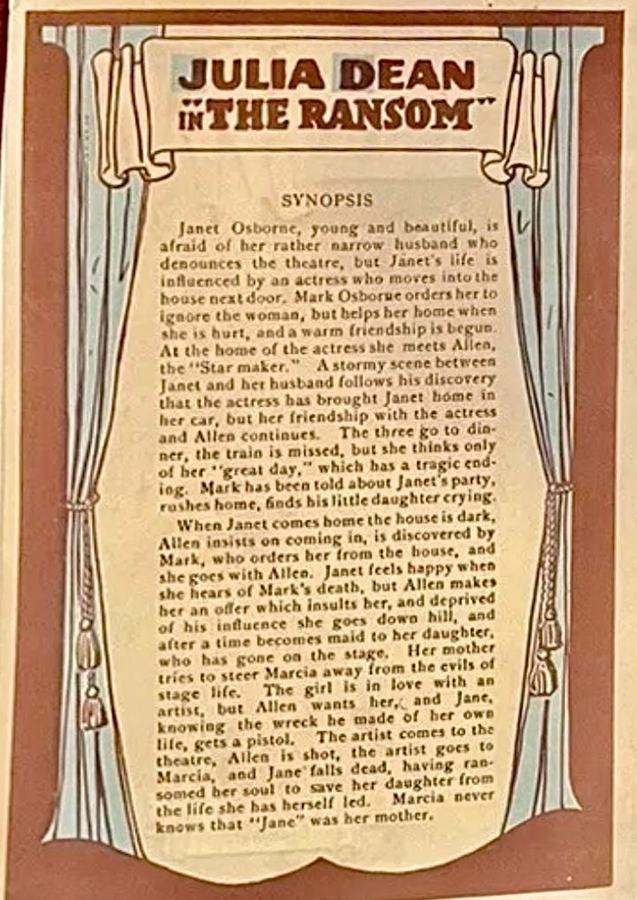
The success of 'The Ransom' hinges significantly on its cast, particularly the nuanced portrayal by Julia Dean. Her Janet Osborne is not a caricature of suffering but a complex woman, wrestling with ambition, maternal love, and the compromises forced upon her. Dean imbues Janet with a quiet strength that makes her eventual compromises all the more heartbreaking. William McKey's Mark Osborne is a formidable antagonist, embodying the rigid social structures that constrain Janet, his performance chilling in its unyielding severity. Willard Case as Geoffrey Allen is equally compelling, presenting a character who is charming enough to lure, yet predatory enough to exploit, a truly unsettling villain whose suave exterior masks a calculating heart. The supporting cast, including Ethel Lloyd, Lorna Volare, Kenneth Hunter, Evelyn Dumo, J. Albert Hall, Louise Huff, and Adelaide Lawrence, collectively contribute to the rich tapestry of the film's world, creating an authentic backdrop against which Janet's personal drama unfolds. Their presence, though perhaps in smaller roles, adds crucial texture to the societal pressures and dynamics at play.
'The Ransom' is a profound meditation on sacrifice, particularly the sacrifices demanded of women in pursuit of personal agency or even basic survival. Janet's journey forces us to question the very definition of morality within a system that offers few viable alternatives. Is her compromise with Geoffrey a moral failing, or a desperate act born of necessity? The film deliberately blurs these lines, refusing to offer easy judgments, instead inviting empathy for a woman caught in an impossible bind. Redemption, if it exists, is not a simple, triumphant moment, but a complex, painful reckoning with the past. It speaks to the enduring struggle for self-determination and the often-unseen costs of societal progress, a theme powerfully explored in films like Sins of the Parents, which similarly grapples with the intergenerational impact of difficult choices and societal expectations. The film’s refusal to simplify complex moral dilemmas is one of its greatest strengths, cementing its place as a thought-provoking drama.
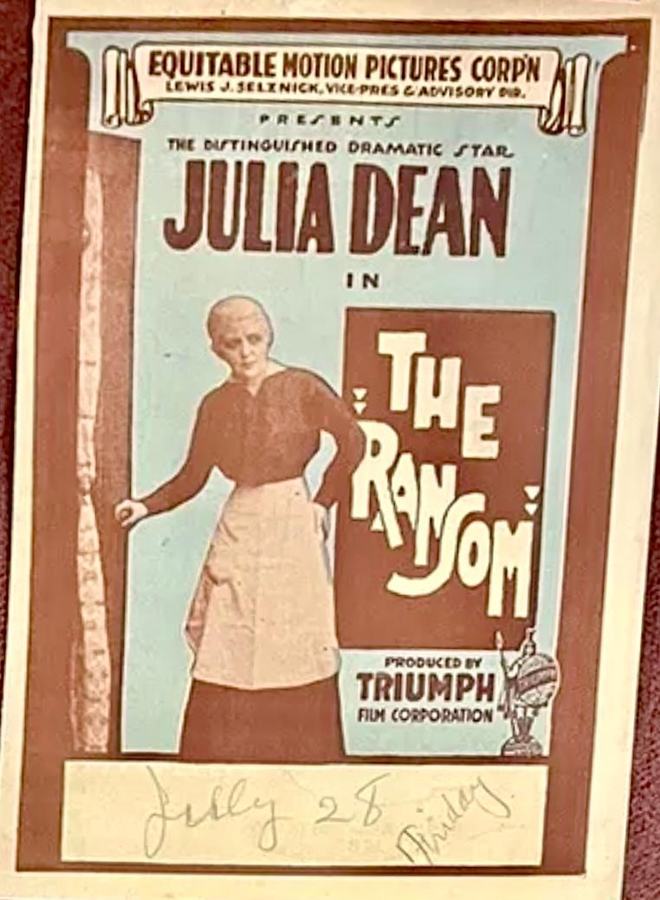
Filmed in an era when cinema was rapidly evolving from a novelty into a potent storytelling medium, 'The Ransom' showcases the nascent power of visual narrative. Without the benefit of synchronized sound, the film relies heavily on strong performances, evocative mise-en-scène, and clear, often melodramatic, intertitles to convey its emotional and thematic depth. The visual language of early silent films, with its emphasis on gesture and facial expression, becomes a crucial tool for communicating Janet's internal turmoil and the oppressive atmosphere of her world. It's a masterclass in how early filmmakers conveyed complex human drama through purely visual means, drawing viewers into the characters' inner lives with remarkable effectiveness. The film's aesthetic choices, from lighting to set design, are integral to establishing its somber, reflective tone, distinguishing it as a significant work of its period, much like the groundbreaking narrative techniques seen in Den sorte drøm.
'The Ransom' doesn't exist in a vacuum; it resonates with and informs other cinematic works of its time. Its exploration of societal constraints and the limited agency afforded to women finds parallels in films like The Turmoil and As in a Looking Glass, both of which dissect the pressures of social standing and prescribed roles. The theme of maternal sacrifice and the profound impact of parental choices on future generations is a thread woven through narratives such as Little Miss Happiness and Sins of the Parents, where the children often bear the weight of their elders' decisions. Moreover, the insidious exploitation by a manipulative figure like Geoffrey Allen can be seen as a recurring motif in dramas of the era, reflecting anxieties about shifting moral landscapes and the dark side of ambition, akin to the complex character dynamics in A Prisoner in the Harem. These comparisons enrich our understanding of 'The Ransom,' highlighting its contribution to a broader cinematic conversation about human nature and societal structures.
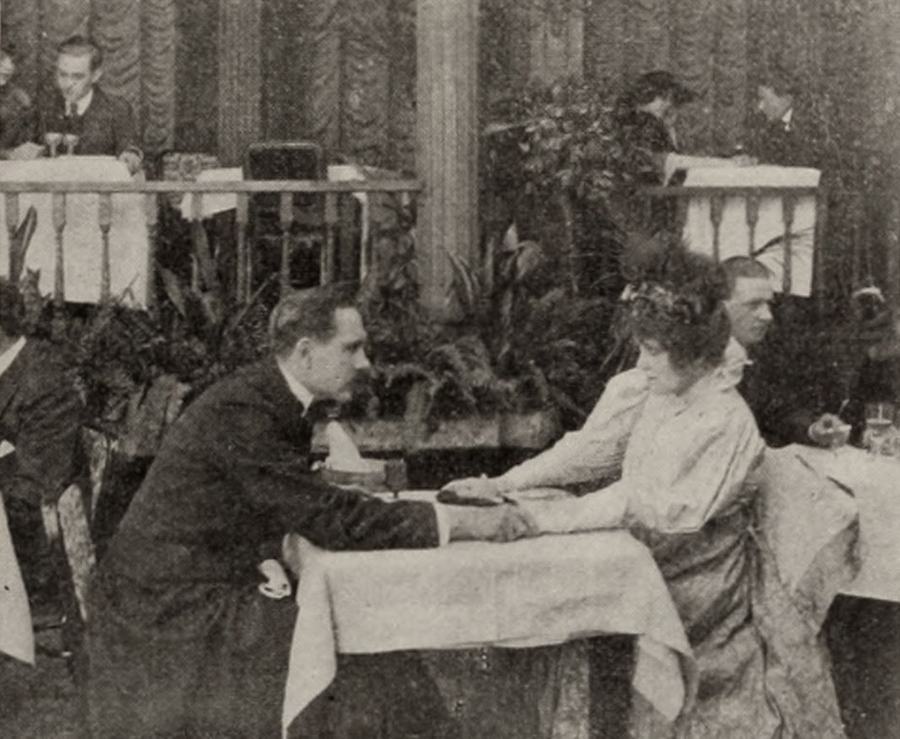
The strength of 'The Ransom' is undeniably rooted in its powerful screenplay, meticulously crafted by Oliver W. Geoffreys and Eve Unsell. Their collaboration brings to life a narrative that is both emotionally gripping and intellectually stimulating. They navigate the complexities of Janet's moral quandaries with sensitivity, avoiding simplistic portrayals of good and evil. Instead, they present a world where circumstances often dictate choices, and where the line between victim and agent can become tragically blurred. Unsell, a prominent female screenwriter of her time, likely brought a particularly insightful perspective to Janet's struggles, lending an authenticity to the character's internal conflicts and the societal pressures she faces. Their script is a testament to the power of storytelling to illuminate the human condition, even within the nascent forms of cinematic expression. The depth of character development and plot construction points to a sophisticated understanding of dramatic tension and thematic resonance, a hallmark of skilled narrative architects.
'The Ransom' is more than just a historical artifact; it is a profoundly moving and intellectually stimulating piece of cinema that continues to resonate with contemporary audiences. Its exploration of ambition, the harsh realities faced by women, and the insidious nature of exploitation remains as potent today as it was upon its release. The film challenges us to consider the true cost of dreams, the weight of societal expectations, and the enduring power of a mother's love. It is a stark reminder that while the settings and social norms may evolve, the fundamental human struggles with choice, consequence, and the pursuit of a meaningful life remain constant. For anyone interested in the evolution of dramatic storytelling or the social history reflected in early film, 'The Ransom' is an essential viewing experience, a true gem that offers both a window into the past and a mirror to our present. It compels us to ask: What price are we willing to pay for our freedom, and what, truly, is the ransom of our dreams?
IMDb —
1916
Community
Log in to comment.