DbcultAccessing Vault...
5.3/10
Senior Film Conservator
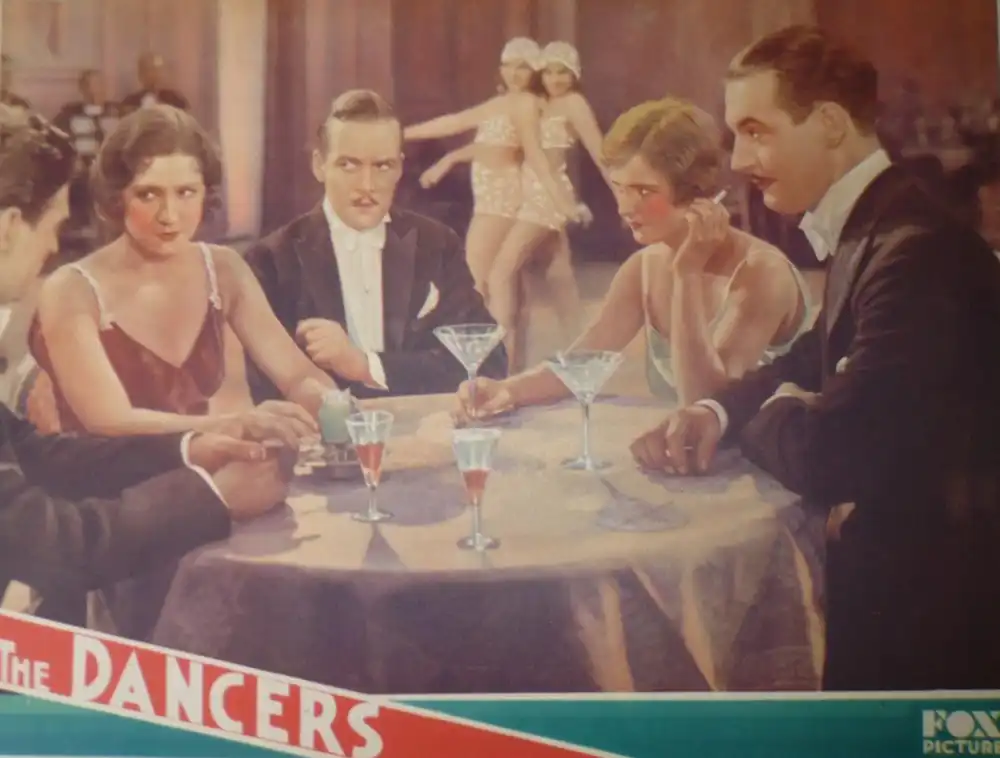
A definitive 5.3/10 rating for a film that redefined the boundaries of cult cinema. The Dancers remains a cornerstone of transgressive art.
If you're the kind of person who likes watching movies where people make life-altering decisions in about three seconds, then The Dancers is probably for you. It’s a 1930 talkie that feels like it’s still trying to figure out how microphones and logic work at the same time. You’d probably enjoy this if you have a soft spot for dusty melodramas where the stakes are impossibly high and the acting is, well, vibrant. If you hate movies where characters solve their problems by drinking poison, you should stay far away from this one. 🍿
The movie starts with Tony, played by Walter Byron, leaving London because he’s bored or something. He ends up in Canada owning a dance hall. Now, Canada in 1930s Hollywood movies always looks like a very small room with some pine needles glued to the walls. Tony seems to enjoy it, though. He’s got this easy-going vibe that doesn't really fit with the heavy drama that comes later.
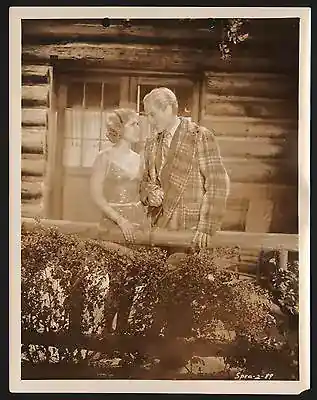
Enter Maxine. Lois Moran plays her with so much energy it’s almost exhausting to watch. She’s a dancer in the hall and she is head over heels for Tony. She does this thing with her eyes where she stares at him like he’s the last sandwich on earth. It’s a bit much, but it makes the later scenes feel even weirder when he just forgets she exists for a while.
I couldn't help but think of The Law of the North when they were showing the rugged wilderness. Except here, the 'ruggedness' is mostly just people wearing heavy coats and looking sweaty. The dance hall itself has this oddly empty feeling. Like, there are supposed to be crowds, but it feels like the same five extras are just walking in circles behind the camera. 💃
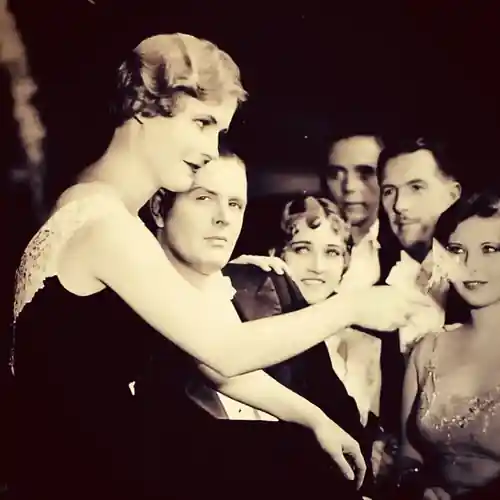
Suddenly, Tony gets a telegram. He’s the heir to a fortune! Just like that, he’s rich. He dumps the dance hall and heads back to London. Poor Maxine is left there looking like someone kicked her puppy. The movie doesn't even let her have a proper goodbye scene; it just cuts to a fancy living room in London. The pacing is honestly all over the place. It’s like the film was edited with a pair of garden shears.
Back in London, Tony gets engaged to Diana. Mae Clarke plays her, and she’s actually pretty good. She has this tired look in her eyes that makes you believe she’s lived a 'wild life.' In 1930, a wild life usually meant you danced after midnight or maybe knew a guy who owned a car. But the movie treats her past like she’s a notorious pirate or something. It reminded me of the social stakes in Lucretia Lombard, where everyone is terrified of a little gossip.
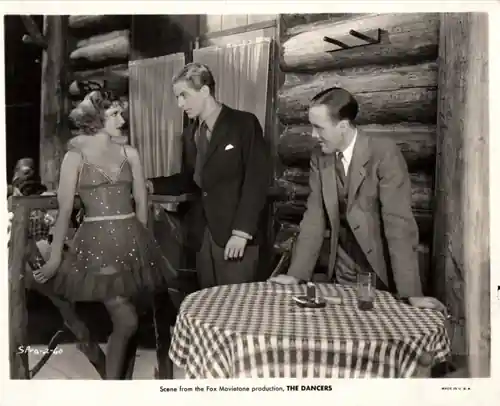
There is this one scene where Diana is telling Tony about her past. They are sitting in these massive, uncomfortable-looking chairs. Tony is trying to be all 'modern' and forgiving, but you can tell the movie wants you to think he’s being a saint. The dialogue is a bit clunky. People don't talk; they proclaim. It’s a lot of 'Oh, Tony!' and 'My past is a shadow!' 🙄
Then we get to the poison. This is the part that literally made me laugh out loud. Diana decides she can't live with her secrets, so she just... takes poison. It’s not a slow, dramatic death. It’s incredibly fast. One second she’s talking, the next she’s basically gone. It feels like the movie ran out of film and needed to wrap things up in a hurry.
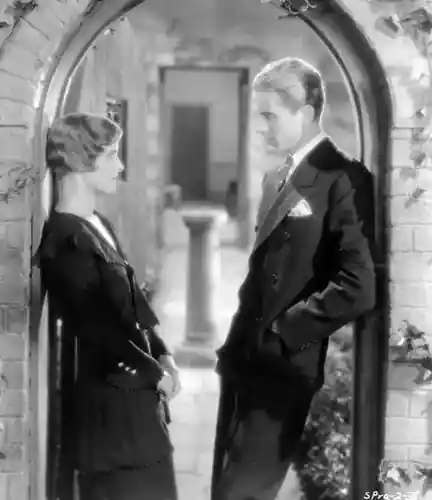
Tony’s reaction is also super weird. He’s sad for about a minute. Maybe two. And then he remembers Maxine! You know, the girl from the Canadian dance hall who he hasn't thought about in like forty minutes of screentime? Yeah, her. He just decides, 'Well, that didn't work out, let's go find the dancer.'
The ending is so abrupt it feels like a slap in the face. They get married, and the credits roll. I sat there for a second wondering if I missed a reel. It’s got that same rushed energy as Twenty Dollars a Week, where the plot just gives up at the end. But honestly, it's kind of refreshing compared to modern movies that drag on for three hours.
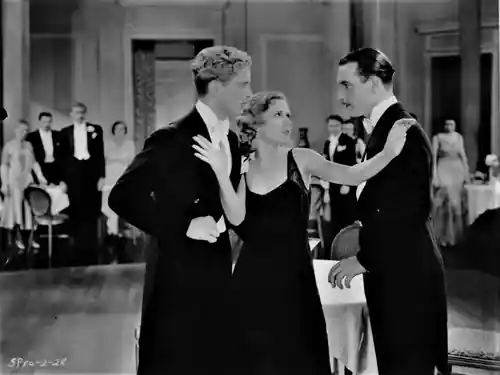
I also noticed Phillips Holmes in the cast. He’s a big deal in other movies, but here he’s just... there. He doesn't have much to do. It’s a bit of a waste, honestly. If you want to see better costumes, maybe check out Ladies Must Dress instead. This movie is more about the drama than the fashion.
One thing that really stuck with me was the lighting in the dance hall. It’s actually quite moody. There’s a lot of shadows that make the place look more dangerous than it probably was. It almost felt like a noir movie for a second before the singing started. I wish the whole movie had that vibe instead of the stuffy London stuff.
Is it a masterpiece? No. Absolutely not. But it’s a weird little window into what people thought was entertaining 90 years ago. The logic is thin, the poison is too effective, and the romance is based on almost nothing. But it’s short. And sometimes that’s all you need from a movie on a Tuesday night. 🎞️
If you're looking for something else weird from that era, Filibus is way more creative, but The Dancers has its own charm. It’s like a car wreck you can’t look away from, mostly because the car is made of cardboard and the driver is wearing a tuxedo.
I guess the takeaway is that if you have a 'wild life,' just don't tell your fiancé about it. Or at least, don't keep poison in your purse. That seems like a solid life lesson from 1930. Anyway, it’s worth a watch if you’re bored and like old things that make no sense.
IMDb —
1932
Community
Log in to comment.