DbcultAccessing Vault...
6.3/10
Senior Film Conservator
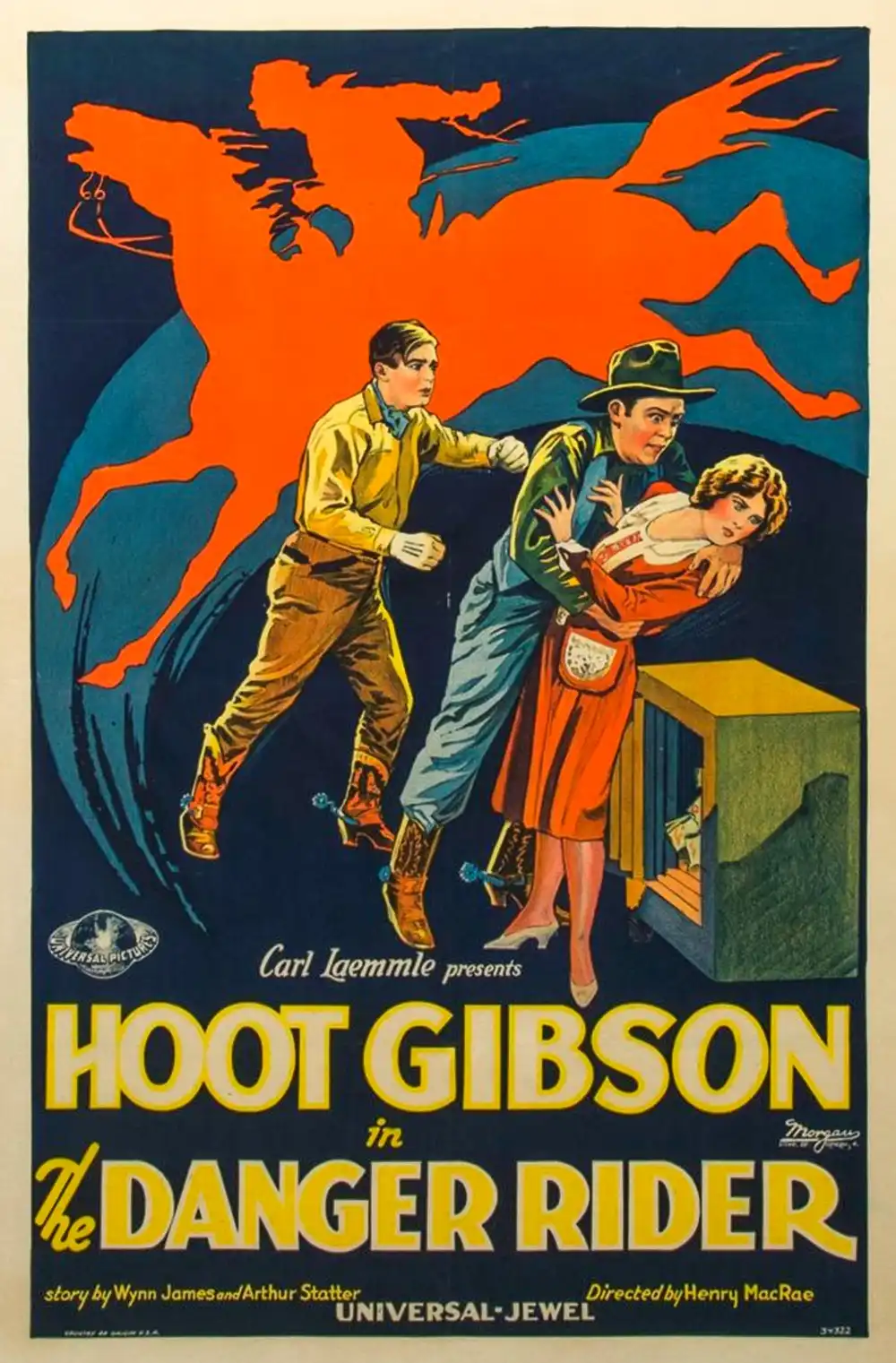
A definitive 6.3/10 rating for a film that redefined the boundaries of cult cinema. The Danger Rider remains a cornerstone of transgressive art.
If you like silent Westerns that are more about personality than gunfights, yeah. It's a quick, easy watch for a Sunday afternoon.
Hoot Gibson fans will love it. People who want a gritty, realistic cowboy movie will probably hate it and turn it off after ten minutes.
Hoot Gibson is such a strange screen presence. He isn't like the other cowboys from that era who look like they eat gravel for breakfast.
He has this smirky, playful energy that makes you feel like he's in on the joke. He's more of a comedian who happens to be great on a horse.
The whole setup is pretty ridiculous. Hal sees a portrait of Mollie Dare and just decides he's in love with her.
It’s not even the real woman, just a painting. He looks at it with this intense, dreamy stare that goes on for a few beats too long.
Then he decides the best way to meet her is to pretend to be a famous criminal. Because that's how you impress a girl who runs a reformatory for convicts, I guess?
When he gets to the ranch, he starts acting all 'tough.' It’s funny because Hoot is clearly having a blast playing a fake bad guy.
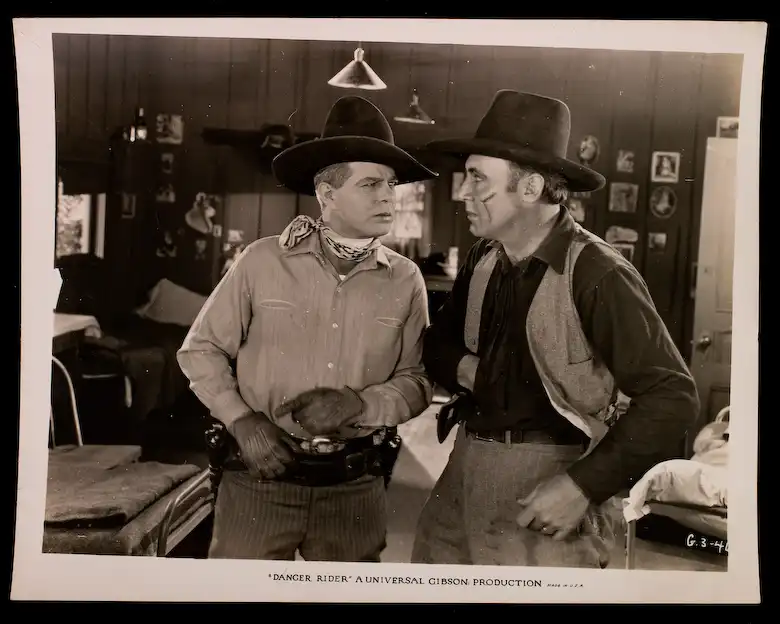
He does this thing with his eyes, trying to look mean, but you can tell he’s about to crack a smile. It reminded me a bit of the vibe in Poker Faces where the humor comes from people being in over their heads.
The real Tucson Joe shows up later, played by B. Reeves Eason. He’s actually the director of a lot of these types of movies, which is a cool bit of trivia.
There is a scene where Hal is trying to act like a hardened criminal around the other guys. They are all actually terrified of him, and he’s just vamping for the camera.
One of the extras in the background has a mustache that looks like it’s barely hanging on by a thread. I spent about five minutes just watching his upper lip instead of the main action.
The plot gets a bit predictable once the robbery starts. You know the drill: the safe, the payroll money, the double-cross.
The safe itself looks like it's made of painted wood. When someone knocks on it, you can almost hear the thunk of cheap lumber even though it's a silent film.
There’s a chase near the end that is actually pretty well shot. The camera is low to the ground and you get a real sense of how fast those horses are moving.
It's much more energetic than the static shots in something like The Firing Line. You can feel the dust in your teeth.
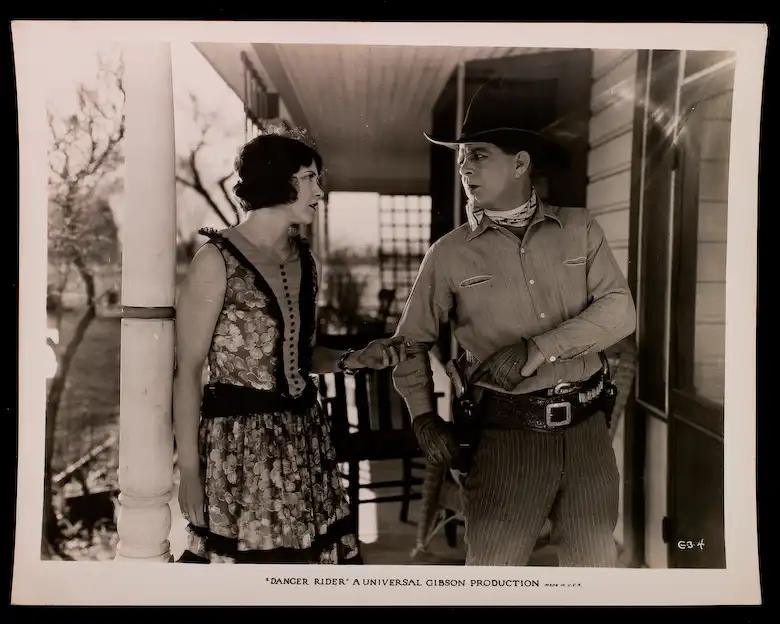
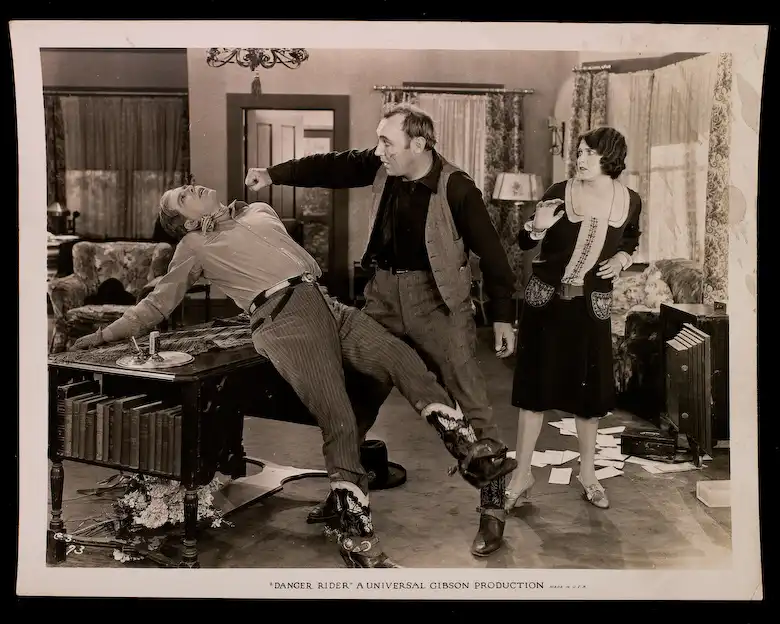
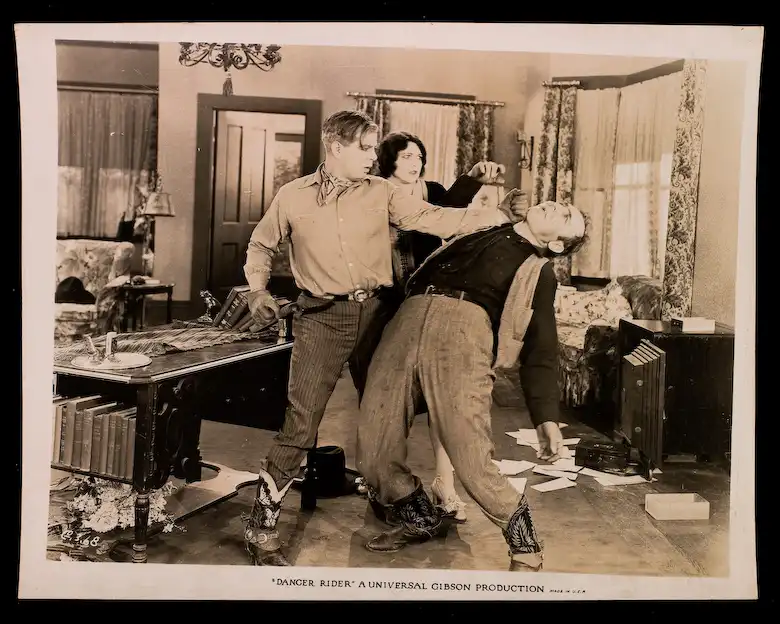
I did notice a weird jump cut during the fight in the office. One second Hal is by the door, and the next he’s across the room with no transition.
It’s a little clunky, but that’s part of the charm of these old B-westerns. They were cranking these out so fast they didn't always care about perfect continuity.
Eugenia Gilbert as Mollie is fine, I guess. She doesn't have a whole lot to do except look concerned and hold the payroll money.
She has one reaction shot when she realizes Hal isn't a criminal that is pure silent movie melodrama. Her eyes get about as big as dinner plates.
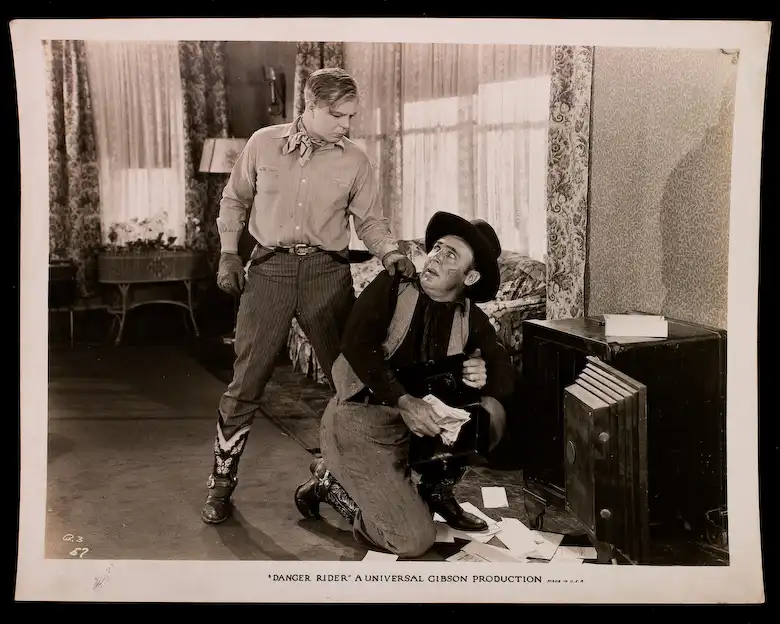
The movie is mostly just a vehicle for Hoot to be charming. He does this little trick with his hat at one point that made me rewind it just to see how he did it.
It’s not a masterpiece like The Isle of Lost Ships or anything. It’s just a solid, professional piece of entertainment from 1928.
I liked it more than Buffalo e Bill, mostly because the pacing is way better. It doesn't drag.
The ending is very abrupt. Hal catches the bad guy, gets the girl, and—boom—the end cards roll.
No big emotional wind-down. Just a quick handshake and a smile.
It’s a bit like a comic strip. You read it, you chuckle, and you move on with your day. 🎬
I'm still thinking about that portrait, though. Who just falls in love with a painting and moves to a ranch? Hal is a weird guy.
IMDb —
1915
Community
Log in to comment.