DbcultAccessing Vault...
5.7/10
Senior Film Conservator
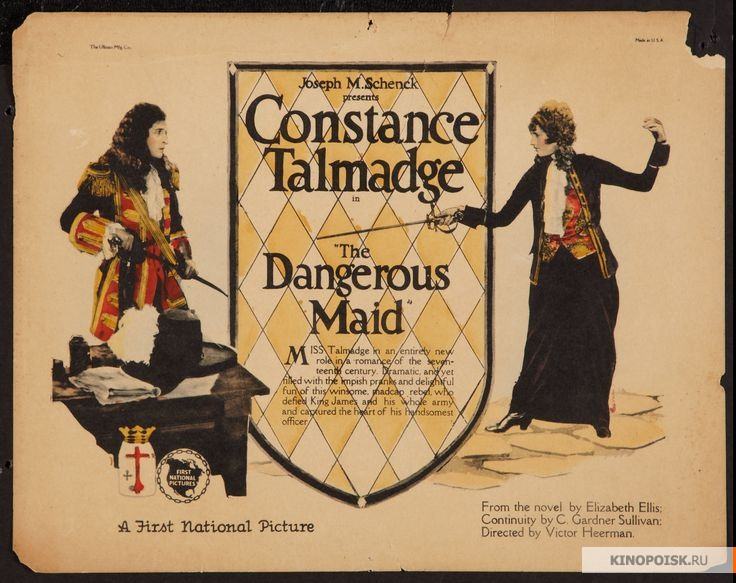
A definitive 5.7/10 rating for a film that redefined the boundaries of cult cinema. The Dangerous Maid remains a cornerstone of transgressive art.
Stepping back into the annals of cinematic history, one often unearths treasures that, despite the passage of a century, still resonate with a vibrant energy. Such is the case with The Dangerous Maid, a 1921 silent film that masterfully weaves together elements of political intrigue, daring adventure, and burgeoning romance against the richly textured backdrop of 17th-century England. It’s a testament to the enduring power of narrative and the captivating charisma of its lead, Constance Talmadge, that this film continues to charm, offering a window into a bygone era of filmmaking and storytelling. The absence of spoken dialogue only amplifies the theatricality, demanding heightened expression and physical prowess from its performers, a challenge Talmadge meets with remarkable grace and vigor.
The narrative unfurls with a palpable sense of urgency, immediately immersing the audience in a period of royalist suppression and rebellious fervor. Barbara Winslow, portrayed with a captivating blend of wit and courage by Talmadge, is introduced not merely as a damsel in distress, but as a proactive agent of change, a woman unafraid to defy convention and risk everything for family. Her devotion to her brother, Rupert, a figure on the wrong side of the King’s formidable forces, sets the entire thrilling escapade in motion. This initial act of rebellion—Barbara’s audacious decision to don a masculine disguise to aid Rupert’s flight—is a stroke of genius, immediately establishing her as a character of formidable spirit and resourcefulness. It's a trope that, while familiar, is executed here with a fresh vitality, largely thanks to Talmadge’s convincing portrayal. This isn't merely a plot device; it's an early declaration of Barbara’s refusal to be confined by the restrictive gender roles of her time, a trait that makes her an unexpectedly modern heroine for a silent film.
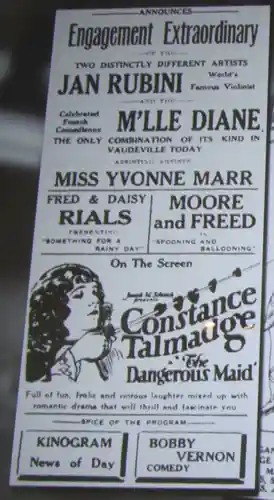
Her capture, while disguised as Rupert, is the pivotal moment that introduces Captain Prothero, a royal officer whose initial duty-bound demeanor swiftly gives way to an undeniable fascination. His decision to set her free, an act that defies his orders and places his own standing in jeopardy, is the first spark of the romantic tension that will define much of the film's emotional core. It's a classic cinematic meet-cute, albeit one steeped in peril and political unrest, where attraction blossoms from an act of quiet rebellion against authority. This dynamic sets The Dangerous Maid apart from more straightforward historical romances; the love story is intertwined with political stakes, making every glance and every shared moment feel charged with consequence. The nuanced expressions of the silent era actors become paramount here, conveying volumes without a single word, relying on the subtle shifts of an eyebrow or the intensity of a gaze to communicate burgeoning affection and internal conflict.
The plot swiftly escalates, drawing Barbara and Captain Prothero back into each other's orbit under far less auspicious circumstances: shared imprisonment. This common adversity becomes the crucible in which their bond is forged, transforming initial attraction into a deeper, more resilient connection. The discovery of a secret passage within the confines of their prison is a beautifully choreographed sequence of suspense and ingenuity, a testament to the era's ability to craft thrilling action without relying on elaborate special effects. The escape itself, a collective endeavor involving their fellow captives, underscores themes of solidarity and the fight for freedom against oppressive regimes. It’s a moment that could easily feel melodramatic in lesser hands, but here it is handled with a genuine sense of urgency and communal triumph. The visual storytelling, relying on clever staging and the expressive performances of the ensemble, ensures that the audience is fully invested in every desperate scramble for liberty.
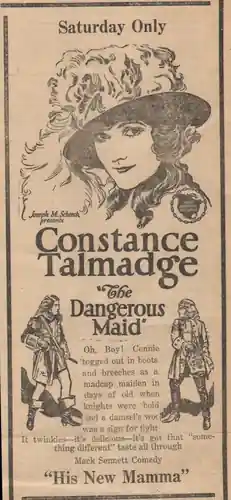
Constance Talmadge, a star of considerable magnitude in her time, delivers a performance that is nothing short of magnetic. Her Barbara Winslow is a whirlwind of emotions—courageous yet vulnerable, fiercely independent yet capable of profound affection. She navigates the complex demands of her role with an effortless charm that belies the physical and emotional intricacies involved. Whether she is brandishing a sword, outwitting her captors, or conveying the quiet despair of imprisonment, Talmadge commands the screen with an undeniable presence. Her ability to switch between the playful bravado of her disguised persona and the earnest vulnerability of a woman in love is a masterclass in silent film acting. This versatility is perhaps why she remained such a beloved figure, her roles often transcending the typical ingénue to portray women of substance and agency. Her performance here might even draw comparisons in spirit to the adventurous roles seen in films like Riders of the Purple Sage, not in genre, but in the sheer force of will and daring displayed by the protagonists in overcoming seemingly insurmountable odds, embodying a similar frontier spirit, albeit in a different historical context.
The supporting cast, while perhaps less in the spotlight, provides a robust framework for Talmadge’s brilliance. The actor portraying Captain Prothero manages to convey a compelling mix of duty, honor, and growing devotion, creating a believable romantic foil for Barbara. The chemistry between the two leads, communicated through stolen glances and shared perils, is palpable and genuinely affecting. The writers, C. Gardner Sullivan and Elizabeth Ellis, crafted a narrative that is both intricate and emotionally resonant, demonstrating a keen understanding of pacing and character development within the unique constraints of silent cinema. They understood that without dialogue, the actions and reactions of the characters had to speak volumes, and they constructed scenarios that allowed for maximum dramatic impact and clear emotional communication.
Beyond the immediate thrills of escape and romance, The Dangerous Maid delves into deeper thematic waters. It's a film about loyalty—to family, to love, and to one’s own moral compass. It explores the blurred lines between justice and injustice during times of political upheaval, where allegiances are constantly tested and the definition of 'treason' can shift with the prevailing winds. Barbara’s ultimate act—unmasking a plot against the King—is not simply a means to secure freedom, but a demonstration of her unwavering commitment to a higher form of justice, even if it means betraying one faction to save another. This intricate web of political maneuvering and personal sacrifice elevates the film beyond a simple adventure tale, imbuing it with a gravitas that resonates through its silent frames. The moral complexities presented, though simplified for the screen, echo the dilemmas faced by characters in more overtly dramatic films like Otets Sergiy, where individuals grapple with profound ethical choices that shape their destinies.
The production design and costuming for The Dangerous Maid deserve particular commendation. Recreating 17th-century England, even within the limitations of early filmmaking, is no small feat. The sets, though perhaps not as sprawling as those in later epics, are meticulously detailed, transporting the viewer to a world of cobblestone streets, grand manor houses, and dimly lit dungeons. The period attire, especially Barbara’s various outfits and disguises, adds authenticity and visual flair, further enhancing the immersive experience. These visual elements are crucial in silent film, serving as silent narrators themselves, providing context and atmosphere that dialogue would later convey. One can appreciate the effort put into making the world feel tangible, a stark contrast to the often more minimalist approaches seen in some contemporary productions like Mrs. Plum's Pudding which, while charming, operated on a smaller, more intimate scale.
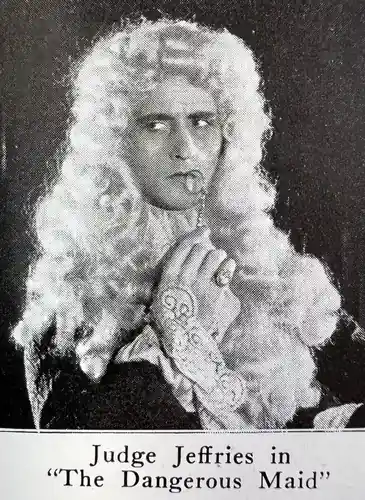
The film’s climax, where Barbara reveals the plot against the King, is handled with a masterful build-up of tension. It’s a moment of high-stakes drama, where the fate of not only herself and Prothero, but potentially the entire kingdom, hangs in the balance. Her courage in confronting power, her intelligence in piecing together the conspiracy, and her unwavering resolve to act upon it, cement her status as a truly remarkable heroine. The subsequent pardon, a bittersweet victory, leads to Prothero’s exile. This is where the film truly embraces the romantic ideal: Barbara’s choice to accompany him, to share his uncertain future beyond England’s shores, is a powerful declaration of love and commitment. It’s a poignant ending that eschews conventional 'happily ever afters' for something more profound and adventurous, suggesting that true happiness lies not in stability, but in shared experience and unwavering companionship. This journey into the unknown, hand-in-hand, echoes the spirit of daring escapism found in films like The Ranger, where protagonists choose a life of freedom and adventure over societal conformity.
From a broader cinematic perspective, The Dangerous Maid stands as a compelling example of the silent era’s capacity for sophisticated storytelling and character development. It demonstrates that the absence of sound did not equate to a lack of depth or emotional resonance. Instead, it fostered a unique visual language, one that relied on exaggerated gestures, expressive close-ups, and carefully constructed intertitles to convey meaning. The film’s pacing, while perhaps feeling deliberate to modern audiences accustomed to rapid-fire editing, allows for a greater immersion in the unfolding drama, giving space for emotions to register and plot points to fully develop. It’s a reminder that cinema, in its nascent form, was already exploring complex narratives and pushing the boundaries of visual communication. The intricate plot and character motivations are a far cry from the simpler, often more moralistic narratives of early cinema exemplified by films such as Ignorance or As a Man Sows, showcasing the rapid evolution of storytelling techniques.
The legacy of Constance Talmadge, too, is vividly reinforced by her work in this picture. She was not just a beautiful face; she was an actress of considerable talent, capable of conveying a wide range of emotions and embodying complex characters. Her performance in The Dangerous Maid is a testament to her star power and her ability to captivate an audience without uttering a single word. It solidifies her place among the pantheon of silent film greats, a performer whose work continues to inspire and entertain. Her portrayal of Barbara Winslow as a woman of agency and spirit undoubtedly contributed to the evolving representation of women on screen, offering a refreshing departure from more passive female archetypes. This strong female lead, navigating a treacherous world, offers a fascinating contrast to the more traditional romantic heroines found in films like The Price of Folly, highlighting a shift towards more dynamic and independent female characters.
In conclusion, The Dangerous Maid is more than just a historical curiosity; it is a vibrant, engaging piece of cinema that holds up remarkably well. It’s a thrilling adventure, a captivating romance, and a poignant exploration of loyalty and freedom. For enthusiasts of silent film, it offers a sterling example of the era’s storytelling prowess. For newcomers, it serves as an accessible and highly entertaining entry point into a cinematic world often overlooked. Its blend of high-stakes drama, spirited performances, and evocative period detail ensures its place as a significant, albeit often unsung, gem from the golden age of silent film. The film’s enduring appeal lies in its universal themes and its expertly crafted narrative, proving that a compelling story, told well, transcends the limitations of time and technology. It reminds us that the human spirit, in all its rebellious glory and romantic yearning, remains a timeless subject for artistic exploration, much like the enduring narratives in classics such as Zudora or The Woman in Black, which also explore the depths of human experience through compelling visual storytelling.
IMDb —
1918
Community
Log in to comment.