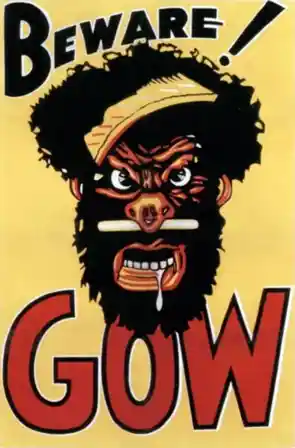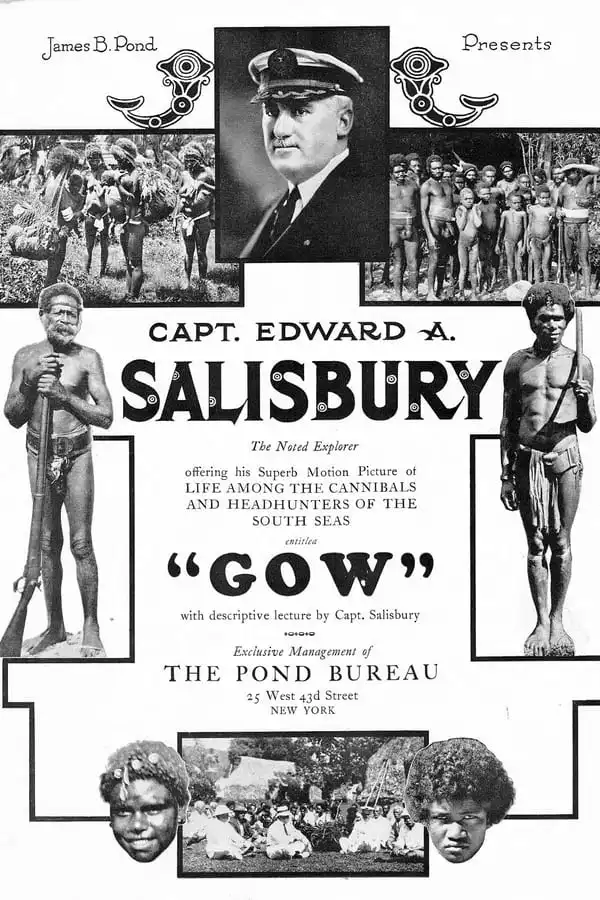
Scenes from an expedition headed by Dr. Edward A.
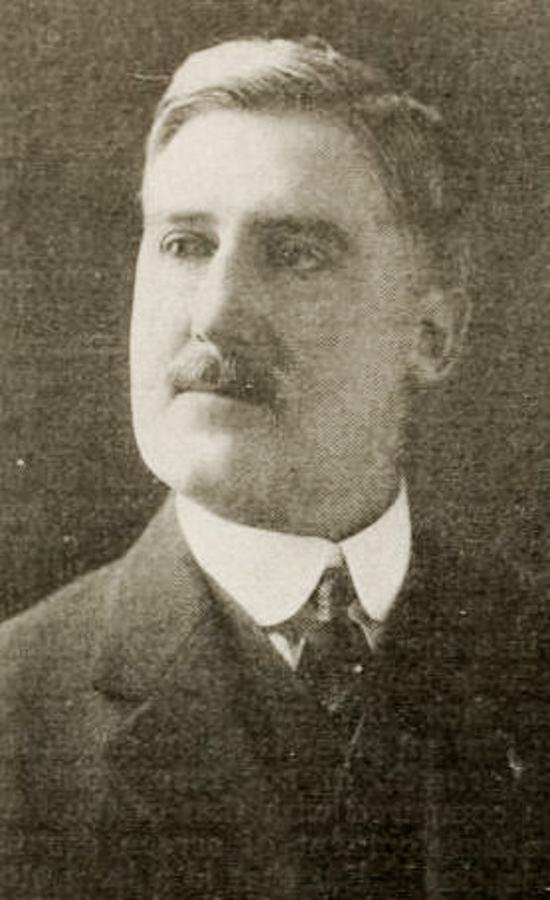
United States
Imagine, if you can, a film shot on the frayed hem of two empires—when Panama hats still dripped with rain-forest myth and nitrate stock itself seemed to sweat rum. On the Spanish Main survives as a ghost-ship of early cinema: cracked, water-stained, yet glowing like a coal that refuses final ash. For decades it wa...
Comparing the cinematic DNA and archive impact of two defining moments in cult history.
Edward A. Salisbury
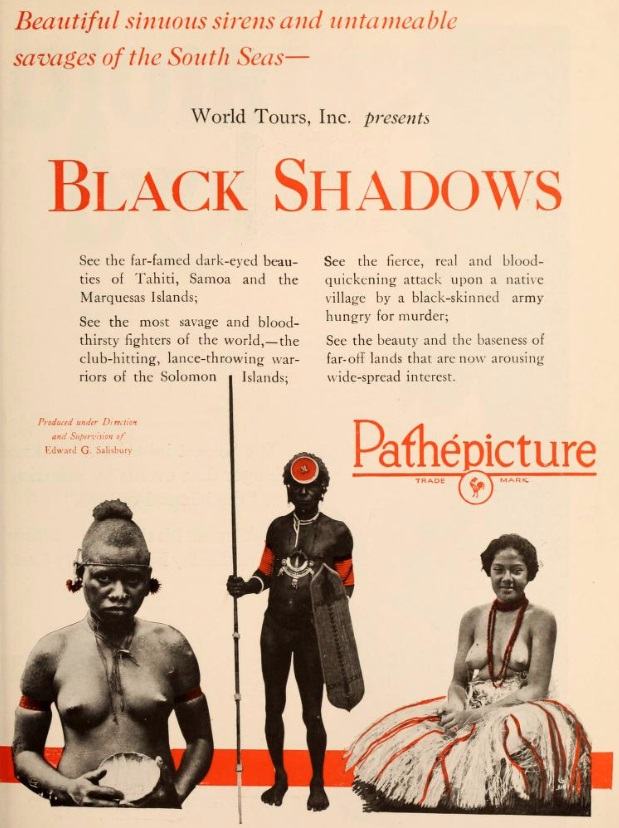
Edward A. Salisbury
Community
Log in to comment.
" Imagine, if you can, a film shot on the frayed hem of two empires—when Panama hats still dripped with rain-forest myth and nitrate stock itself seemed to sweat rum. On the Spanish Main survives as a ghost-ship of early cinema: cracked, water-stained, yet glowing like a coal that refuses final ash. For decades it was misfiled beside duller travelogues until a Rotterdam archivist noticed frames tattooed with hand-painted parrots—ultramarine feathers flickering at twenty-four beats per second, ..."

Deep dive into the cult classic
Discover similar cinematic experiences
A Directorial Spotlight on Edward A. Salisbury