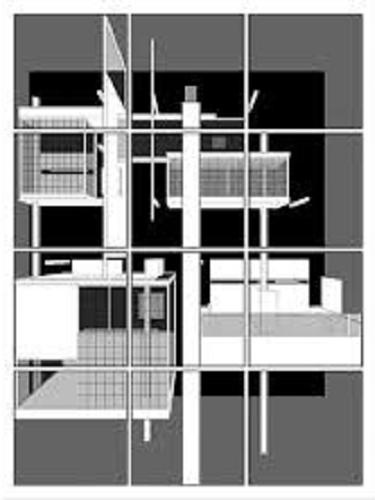
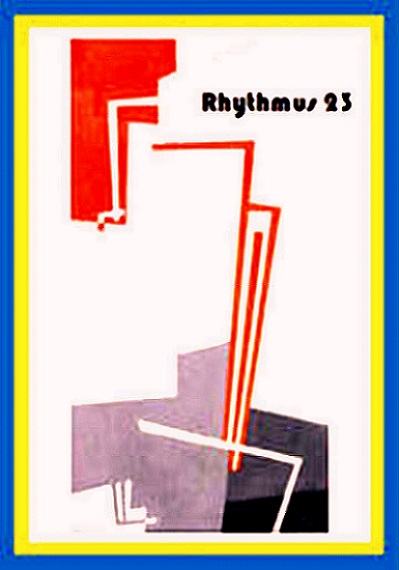
Rhythm 23 (Rhythmus 23, 1923) is an extension of the same film but with more angles and overlays added, and adding lines rather than adhering to the squares of the original. It looks so similar that the academic argument that both "21" and "23" were made in 1923 looks rather likely.

Germany
The Architecture of the VoidIn the pantheon of early experimental cinema, few figures loom as large or as enigmatically as Hans Richter. His 1923 opus, Rhythmus 23, represents a pivotal moment where the moving image finally severed its umbilical cord from the theatrical and literary traditions that had defined its infa...


Comparing the cinematic DNA and archive impact of two defining moments in cult history.
Hans Richter

Vernon Stallings
Community
Log in to comment.
"The Architecture of the VoidIn the pantheon of early experimental cinema, few figures loom as large or as enigmatically as Hans Richter. His 1923 opus, Rhythmus 23, represents a pivotal moment where the moving image finally severed its umbilical cord from the theatrical and literary traditions that had defined its infancy. While contemporaries were busy refining the grammar of suspense in films like Safety Last! or delving into the psychological depths of guilt in The Whispering Chorus, Richter ..."