DbcultAccessing Vault...
5.7/10
Senior Film Conservator
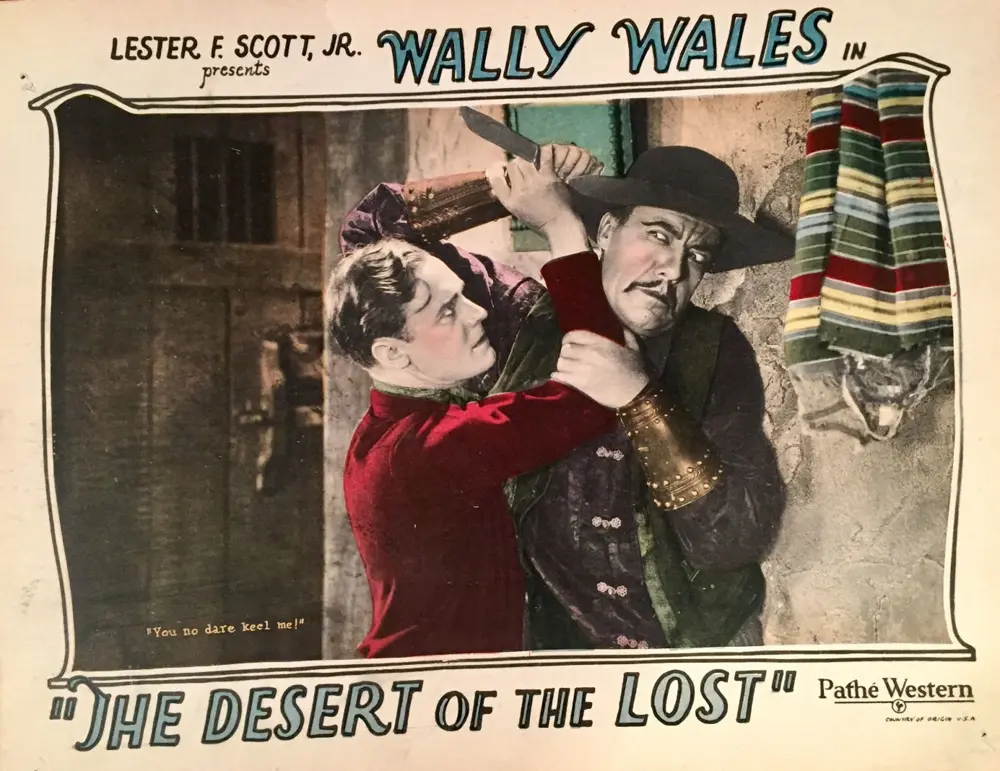
A definitive 5.7/10 rating for a film that redefined the boundaries of cult cinema. The Desert of the Lost remains a cornerstone of transgressive art.
Is The Desert of the Lost a forgotten gem of the silent era or a dusty relic? Short answer: It is a vital watch for genre historians, but likely too sparse for those accustomed to modern pacing.
This film is for the cinephile who finds beauty in the primitive mechanics of early Westerns and the works of Richard Thorpe. It is not for the casual viewer who requires high-octane action or complex dialogue to remain engaged.
1) This film works because: It successfully transitions from a standard 'man on the run' trope into a psychological survival piece that feels genuinely claustrophobic despite the wide-open setting.
2) This film fails because: The first act relies heavily on generic chase sequences that were already clichés by 1927, making the opening feel somewhat derivative.
3) You should watch it if: You want to see the early evolution of the survival-Western subgenre or if you are tracking the prolific career of director Richard Thorpe.
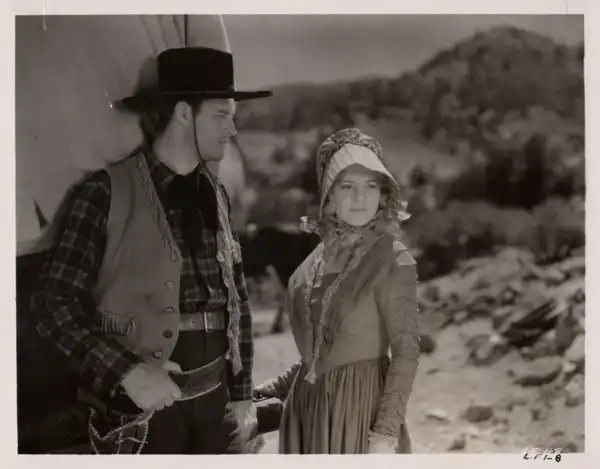
The Desert of the Lost begins with a familiarity that almost borders on the mundane. We see Hal Taliaferro, performing under his Wally Wales moniker, as the wounded Jim Drake. The early scenes featuring Detective Murray and the posse are functional, but they lack the distinct punch of other contemporary films like The Fight. However, once Drake crosses the border, the film finds its pulse. The introduction of the Wolfe family provides a much-needed emotional anchor, though the peace is intentionally fleeting.
The moment the guide abandons Drake in the dead of night is the film's true turning point. Thorpe utilizes the limitations of silent film to amplify the silence of the desert. There is a specific shot of Drake waking up, reaching for a canteen that isn't there, and looking at the empty horizon where his horse should be. It’s a moment of pure, unadulterated dread. The pacing slows down, mimicking the agonizing crawl of a man dying of thirst. It is brutal. It is effective.
Richard Thorpe was a filmmaker known for his speed and economy, traits that are often dismissed as 'workmanlike.' Yet, in The Desert of the Lost, that economy serves the story perfectly. He doesn't waste time on flowery intertitles or unnecessary subplots. Every frame is dedicated to Drake’s forward momentum or his eventual stagnation in the heat. Unlike the more theatrical approach seen in Frontier of the Stars, Thorpe keeps his camera grounded and his actors' performances surprisingly restrained.
The cinematography by Ray Ries is particularly notable for how it captures the Mexican landscape. While many Westerns of the time used the desert as a mere backdrop for gunfights, Ries treats the sand and rock as active antagonists. The way the light hits the dunes creates a sense of shimmering deception. It makes the viewer feel the heat. You can almost taste the dust in the back of your throat during the third act.
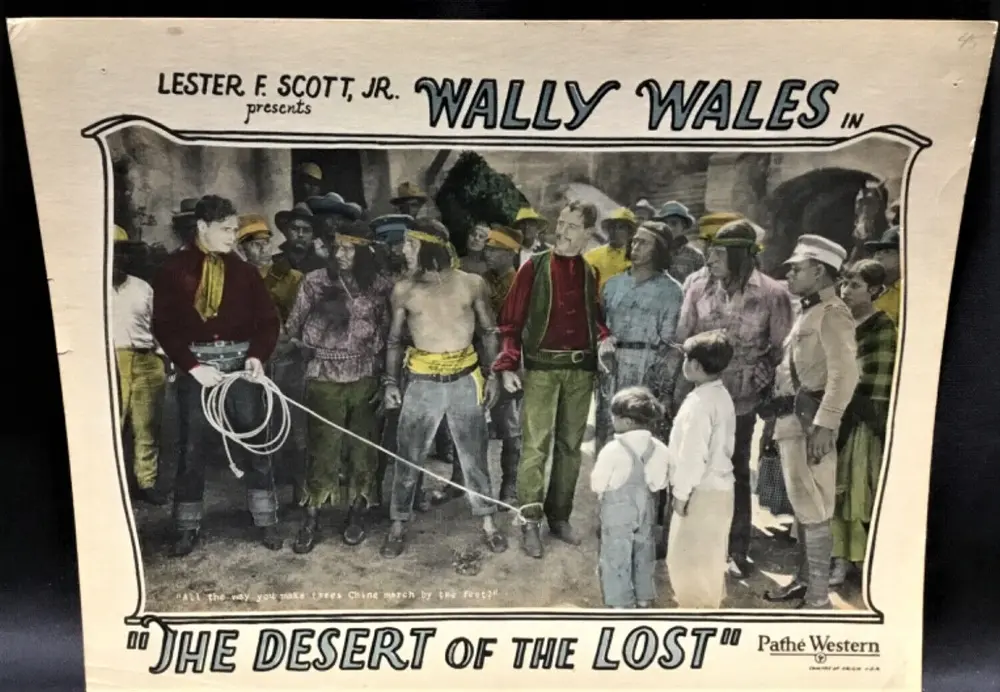
Hal Taliaferro was never the most expressive actor of his generation, but he possessed a rugged, physical presence that suited the 'B' Western aesthetic. In this film, his limitations actually work in his favor. Jim Drake is not a man of words; he is a man of action and, eventually, a man of suffering. His performance during the desert trek is a masterclass in physical storytelling. You can see the weight of his boots getting heavier with every step. His eyes, sunken and desperate, tell us more about his internal state than any dialogue could.
Compare his performance here to his work in Red Courage, and you see a much more vulnerable side of the Western hero. He isn't invincible. He is a man who can be broken by the sun and a lack of water. This vulnerability makes the eventual climax—where the law and the desert collide—far more satisfying than a standard shootout.
The supporting cast, including Peggy Montgomery and George Magrill, provide the necessary friction to keep the plot moving. Magrill, as the guide, is particularly effective because his betrayal isn't telegraphed with mustache-twirling villainy. He is simply a mercenary who sees an opportunity to save himself and take Drake’s resources. This lack of grandiosity makes the betrayal feel more realistic and, consequently, more stinging.
The film does fall into some common traps of the era. The portrayal of the Mexican locals is occasionally stereotypical, a common flaw in films like Sunlight's Last Raid. However, the Wolfe family is treated with a degree of respect and agency that was somewhat progressive for 1927. They aren't just plot devices; they represent the life Drake could have had if he weren't constantly looking over his shoulder.
If you are looking for a historical curiosity that predates the gritty revisionist Westerns of the 1960s, then yes, this is absolutely worth your time. It showcases a moment in cinema history where the Western was beginning to experiment with psychological stakes rather than just physical ones. It lacks the polish of a major studio production like The Mystic, but it makes up for it with raw, unpretentious energy.
However, if you struggle with the slower rhythms of silent cinema, the middle section might feel like a test of patience. The film demands that you sit with Drake's isolation. It doesn't offer easy distractions. It is a lean, mean, and somewhat cruel film. It works. But it’s flawed.
Pros:
- Strong physical performance by Hal Taliaferro.
- Atmospheric cinematography that utilizes the natural landscape effectively.
- A tight runtime that ensures the story doesn't overstay its welcome.
- A genuine sense of stakes and danger during the desert crossing.
Cons:
- The initial pursuit by Detective Murray lacks tension.
- Some supporting characters are underdeveloped.
- The print quality of surviving copies can make certain night scenes difficult to track.
The Desert of the Lost is a fascinating example of how a limited budget and a simple premise can yield a compelling character study. While it starts as a routine 'posse' movie, it evolves into a stark, unforgiving look at human endurance. It doesn't have the grand scale of the epics of its day, but its intimacy is its strength. Richard Thorpe proves that even in the early stages of his career, he knew how to strip a story down to its barest, most essential elements. It isn't a masterpiece, but it is a gritty, honest piece of filmmaking that deserves to be remembered alongside other silent-era staples like The Collegians or That's My Daddy. Watch it for the atmosphere, stay for the survival, and appreciate it for the historical bridge it builds to the modern Western.
IMDb 5.9
1921
Community
Log in to comment.