DbcultAccessing Vault...
Cult Review
Senior Film Conservator
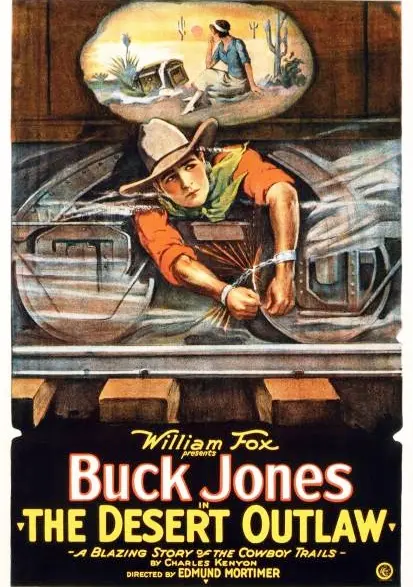
The year 1924 stood as a zenith for the silent Western, a period when the genre transitioned from mere pulp spectacle into a sophisticated exploration of the American psyche. At the heart of this evolution was The Desert Outlaw, a film that eschews the simplistic binary of the 'white hat' versus the 'black hat' in favor of a murky, sepia-toned morality. Directed with a keen eye for the oppressive grandeur of the wilderness, this picture serves as a vehicle for Buck Jones, an actor whose rugged physicality was matched only by a surprisingly tender capacity for internal conflict. Unlike the more theatrical performances found in The Man Who Played God, Jones offers a grounded, almost stoic vulnerability that anchors the film’s more melodramatic impulses.
The narrative architecture, penned by the erudite Charles Kenyon, utilizes the desert not merely as a backdrop, but as an active antagonist—a silent, scorching witness to the erosion of Tom Halloway’s social standing. The irony of Halloway’s descent is palpable; his criminal turn is a direct consequence of familial duty, a paradox that resonates with the tragic undercurrents of Paradise Lost. When he robs the express office on the very day his sister May (played with a luminous, if somewhat traditional, grace by Evelyn Brent) arrives, the film pivots from a crime drama into a poignant meditation on the fragility of reputation.
Perhaps the most fascinating element of the film is the character of McTavish. Portrayed with a chilling, rigid intensity by Claude Payton, McTavish represents a specific brand of frontier theology—one that is more concerned with the letter of the law and the fire of damnation than with the nuances of human frailty. His presence as a witness to Halloway’s crime provides a terrifying counterpoint to the protagonist's desperation. While films like The Sin of Martha Queed explored the social repercussions of perceived immorality, The Desert Outlaw heightens the stakes by placing the power of judgment in the hands of a fanatic. McTavish is the embodiment of the unforgiving sun: he illuminates everything but offers no warmth.
The introduction of Sam Langdon, the prospector, introduces a secondary layer of injustice. Charged with a murder he did not commit—ironically that of the zealot’s supposed victim—Langdon becomes the mirror image of Halloway. Both men are victims of a system that prioritizes optics over truth. Their flight into the wilderness is less an escape and more a pilgrimage toward some semblance of truth. The cinematography here is exceptional for the mid-twenties, capturing the shimmering heat waves and the jagged silhouettes of the mesas with a clarity that rivals the atmospheric density found in Sands of the Desert.
What distinguishes this production from contemporary works like The Twinkler is its remarkable narrative economy. Every frame serves a purpose. The editing, though restricted by the technology of the era, maintains a kinetic energy during the posse chases that feels surprisingly modern. The director manages to balance the sprawling vistas with intimate close-ups that betray the mounting anxiety of the fugitives. There is a palpable sense of sweat and grit; you can almost feel the alkaline dust coating the characters' throats. This tactile realism is a far cry from the more polished, urban settings of Lulù or the whimsical nature of The Bashful Lover.
Evelyn Brent’s May Halloway provides the emotional fulcrum of the piece. Her arrival represents the 'civilized' world—the East—intruding upon the chaotic 'West'. Her ignorance of her brother’s plight adds a layer of suspense that is masterfully sustained. The tension between her idealized vision of her brother and the reality of his fugitive status creates a psychological depth often missing from lesser silent Westerns. Unlike the serialized mystery of Lucille Love: The Girl of Mystery, the stakes here are deeply personal and permanent.
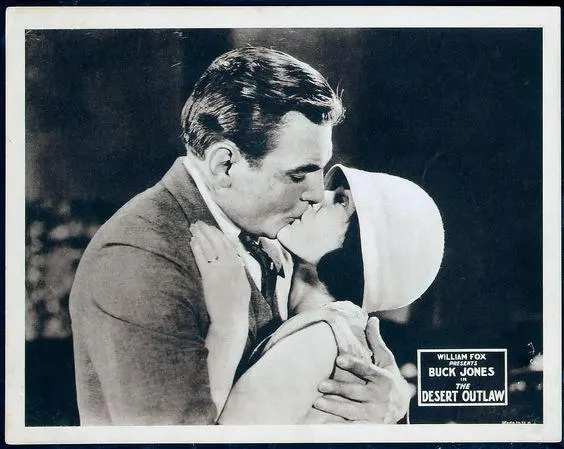
The third act of The Desert Outlaw is where the film truly earns its status as a classic of the genre. The resolution of the murder charge against Langdon and the subsequent pardon of Halloway is not merely a convenient plot device; it is a thematic resolution. It suggests that while the desert is a place of lawlessness, the human capacity for integrity can forge a new kind of order. Langdon’s decision to clear Halloway’s name, despite his own precarious position, elevates the film from a standard chase narrative to a story of profound altruism. This thematic weight reminds one of the ethical quandaries presented in Egyenlöség, though translated into the vernacular of the American frontier.
The chemistry between Langdon and May Halloway is handled with a parsimonious delicacy. Their union at the end of the film is not just a romantic cliché, but a symbolic merging of the prospector’s hard-won wisdom and the sister’s untarnished hope. It is the 'pardon' of the soul, mirroring the legal pardon granted by the state. This layering of meaning is what allows the film to transcend its era. While a film like Back from the Front might rely on situational comedy, The Desert Outlaw leans into the gravity of its environment.
Technically, the film benefits immensely from the work of the writers and the supporting cast. DeWitt Jennings and William Gould provide solid performances that flesh out the world, ensuring that the frontier feels populated by real people with real histories, rather than mere archetypes. The writing by Charles Kenyon avoids the overly flowery intertitles that plagued many silents of the time, opting instead for a directness that suits the rugged subject matter. The film’s pacing is deliberate, allowing the tension to simmer like the midday sun before erupting into the climactic confrontations.
Comparing the film to the documentary-like realism of La montagne infidèle, one sees how The Desert Outlaw uses stylized drama to reach a similar truth about the relationship between man and nature. Even when compared to the lighthearted antics of Toonerville's Fire Brigade or the domestic melodrama of Lena Rivers, this film stands out for its somber tone and its refusal to offer easy answers to the problems of poverty and prejudice.
The legacy of The Desert Outlaw lies in its influence on the 'psychological Western' that would dominate the 1950s. One can see the DNA of this 1924 gem in the works of directors like Anthony Mann or Budd Boetticher. It understands that the greatest conflicts are not those fought with revolvers, but those fought within the conscience. Buck Jones delivers a performance that should be studied by anyone interested in the transition from the exuberant energy of early film to the nuanced character studies of the late silent period. It possesses a grit that makes Play Ball with Babe Ruth look like a fever dream and a moral complexity that rivals The Devil's Garden.
In the final analysis, The Desert Outlaw is a triumph of silent storytelling. It navigates the treacherous waters of morality with a steady hand, never veering into the overly sentimental or the needlessly bleak. It is a testament to the power of the Western to serve as a canvas for the most fundamental human questions: What do we owe our family? What do we owe the truth? And can a man truly be redeemed once the world has labeled him an outcast? The film answers these questions not with words, but with images—the silhouette of a man against the horizon, the look of forgiveness in a sister’s eyes, and the vast, indifferent beauty of the desert itself. It remains a vital piece of cinematic history, a dusty jewel that continues to shine with a fierce, uncompromising light.
© 1924 Archive Review - A Cinephile's Journey through the Silent Era
IMDb 6.3
1931
Community
Log in to comment.