DbcultAccessing Vault...
Cult Review
Senior Film Conservator
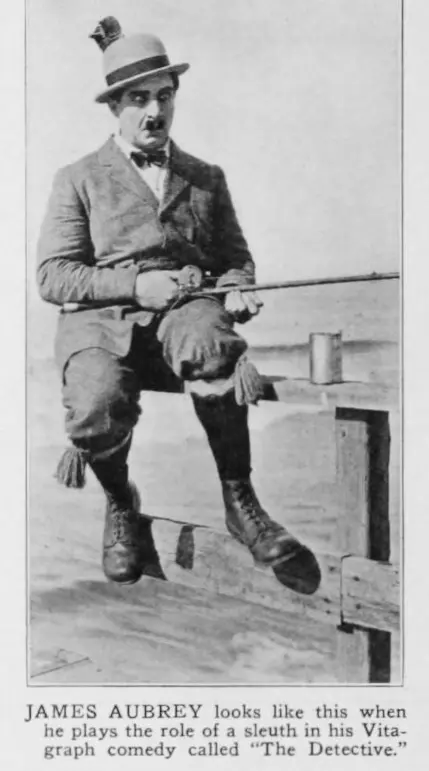
The film opens with Jimmy fishing from the end of a pier, his eyes scanning the horizon for a glimpse of something extraordinary. Instead, he finds himself drawn to a girl sitting nearby, her tears glistening in the sunlight. As he approaches her, we sense a deep-seated vulnerability, a feeling that is only amplified by her revelation that she has no home to call her own. Jimmy, being the kind-hearted soul that he is, offers her the hospitality of his hotel, despite already owing a substantial bill.
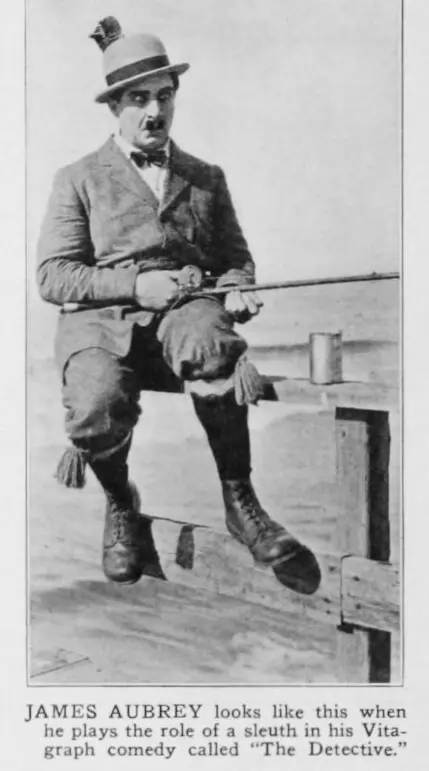
As the story unfolds, we are introduced to the hotel manager, a man driven by his insatiable desire for wealth and status. His eyes light up at the prospect of claiming the reward for the missing heiress, and he stops at nothing to achieve his goal. The contrast between Jimmy's selfless nature and the manager's ruthless ambition is striking, and sets the tone for the rest of the film. The use of dark orange hues in the hotel's decor serves as a visual reminder of the manager's avaricious personality, while the warm yellow tones of the beach scene evoke a sense of freedom and joy.
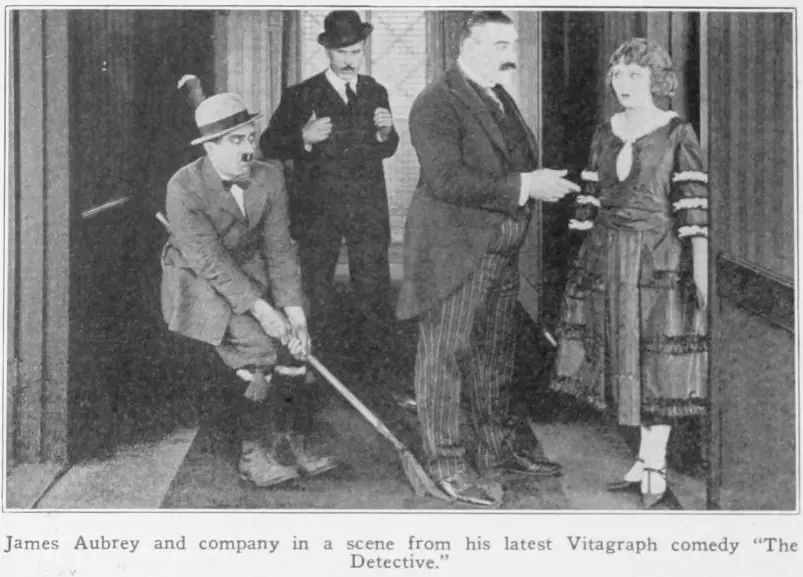
As Jimmy navigates the complexities of the hotel's inner workings, he finds himself at odds with the manager and his cohorts. The sea blue tones of the hotel's exterior serve as a stark contrast to the dark orange hues of the manager's office, highlighting the tension between Jimmy's innocence and the manager's corruption. The use of the fire escape as a means of entry and exit adds a sense of urgency and danger to the proceedings, and Jimmy's resourcefulness in the face of adversity is a testament to his determination and courage.
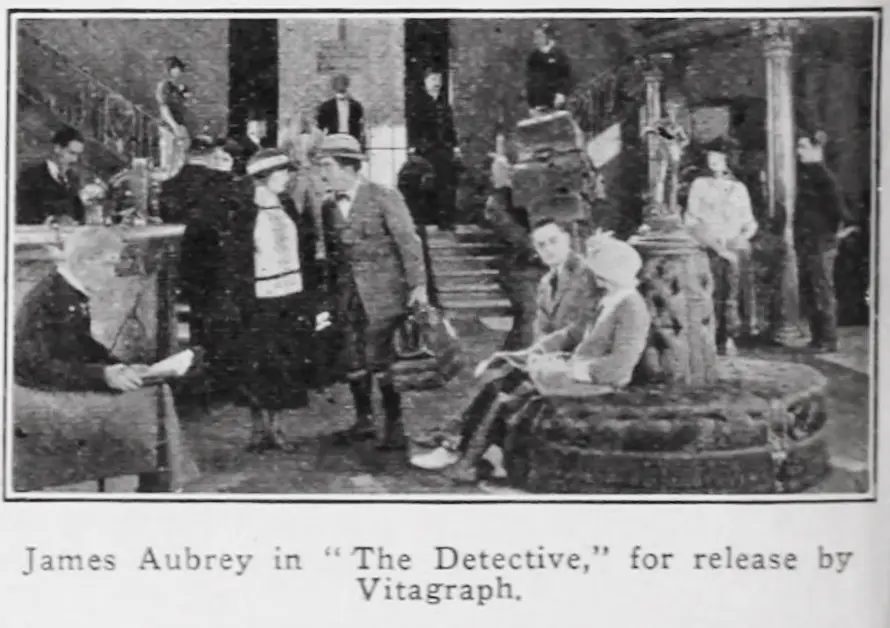
The film's themes of class and social status are expertly woven throughout the narrative, with the manager's treatment of Jimmy serving as a stark reminder of the harsh realities of the time. The Daring Years and Royal Pauper also explored similar themes, but The Detective stands out for its unique blend of action, suspense, and social commentary. The character of the manager's wife adds a layer of complexity to the story, her jealousy and resentment towards her husband serving as a catalyst for the events that unfold.
The old mill, where the final confrontation takes place, is a masterclass in atmospheric tension. The sea blue tones of the surrounding landscape serve as a stark contrast to the dark orange hues of the mill's interior, highlighting the danger and uncertainty that Jimmy and the girl face. The use of the club as a means of dispatching the manager's gang is a testament to Jimmy's resourcefulness and determination, and the Seven Years Bad Luck also featured a similar blend of action and suspense.
In conclusion, The Detective is a film that will keep you on the edge of your seat, with its unique blend of action, suspense, and social commentary. The characters are well-developed and complex, with Jimmy's selfless nature and the manager's ruthless ambition serving as a stark reminder of the harsh realities of the time. The Flames of Passion and Pilgrims of the Night also explored similar themes, but The Detective stands out for its unique blend of style and substance. If you're a fan of classic cinema, then The Detective is a must-see film that will leave you breathless and eager for more.

IMDb —
1920
Community
Log in to comment.