DbcultAccessing Vault...
5.9/10
Senior Film Conservator
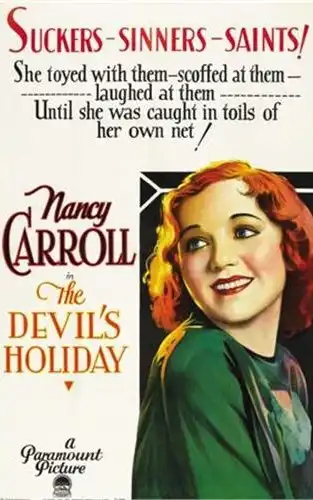
A definitive 5.9/10 rating for a film that redefined the boundaries of cult cinema. The Devil's Holiday remains a cornerstone of transgressive art.
You should watch this today if you like Pre-Code movies that aren't afraid to be a little bit mean. It’s perfect for anyone who likes seeing a 'tough girl' character actually have a brain. If you can’t stand old-fashioned acting where people clutch their chests when they're sad, you’ll probably hate it. The Devil's Holiday is mostly a showcase for Nancy Carroll.
She plays Hallie, a manicurist in a big city hotel. She’s seen it all and she’s pretty bored with it. A salesman offers her money to help him fleece a rich farm family. She just has to be 'nice' to the son, David.
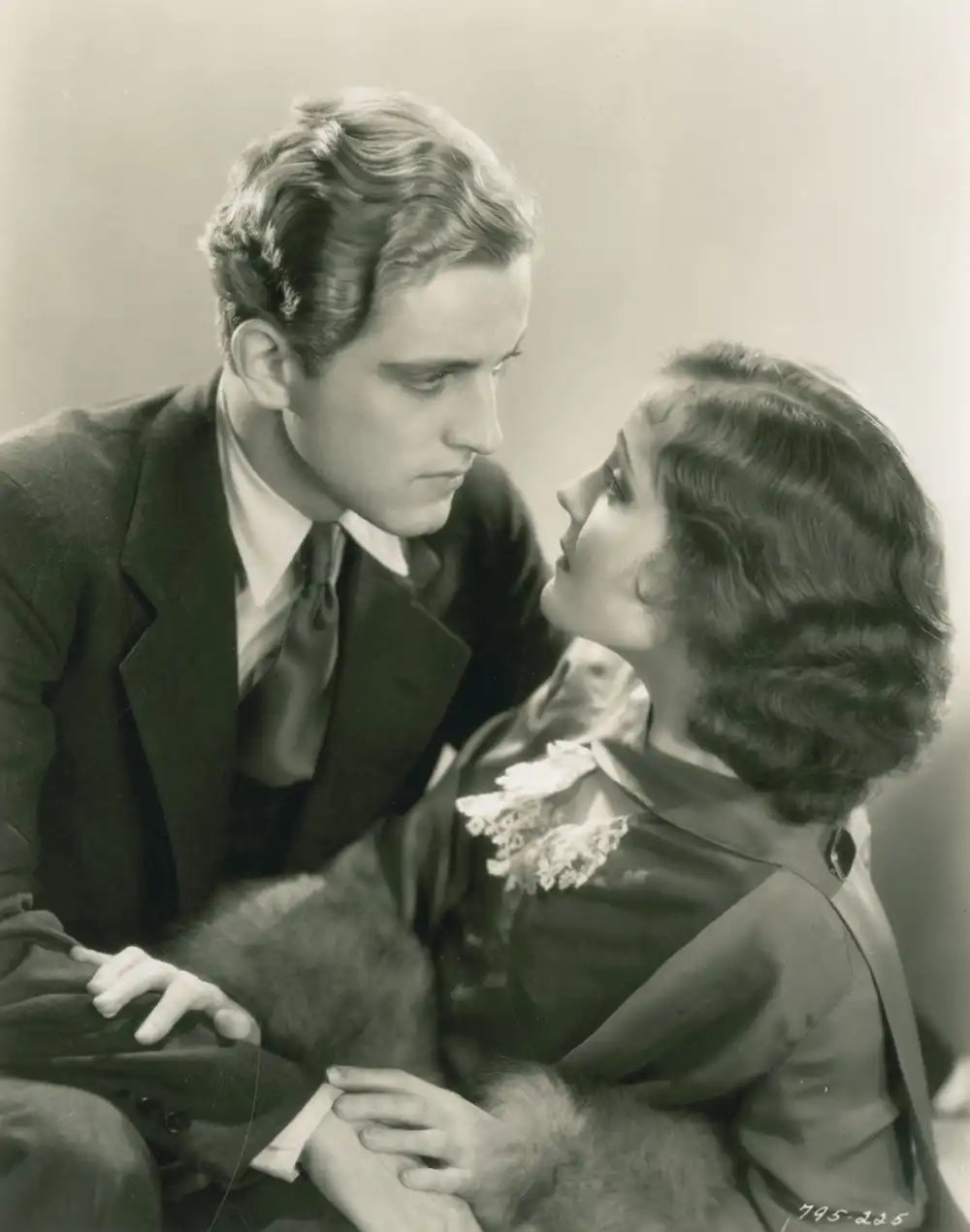
David is played by Phillips Holmes. He looks like he’s made of glass. He’s so earnest it’s almost annoying. You can see why Hallie thinks he’s an easy target. He’s the kind of guy who probably thanks the rain for falling.
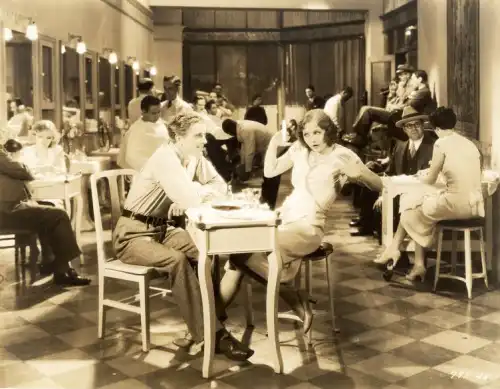
There is a scene early on where she's doing a manicure. The way she holds the tools looks real. Most actors just poke at fingers, but she looks like she’s worked a double shift. It’s a small detail, but it made me trust her character right away.
The movie shifts from the city to the farm. Usually, in these movies, the farm is supposed to be 'pure.' Not here. The farm is bleak.
The dad, Ezra Stone, is played by Hobart Bosworth. He has this massive beard and a personality like a rock slide. He hates Hallie the second he sees her. He doesn't even need a reason. He just smells the city on her.
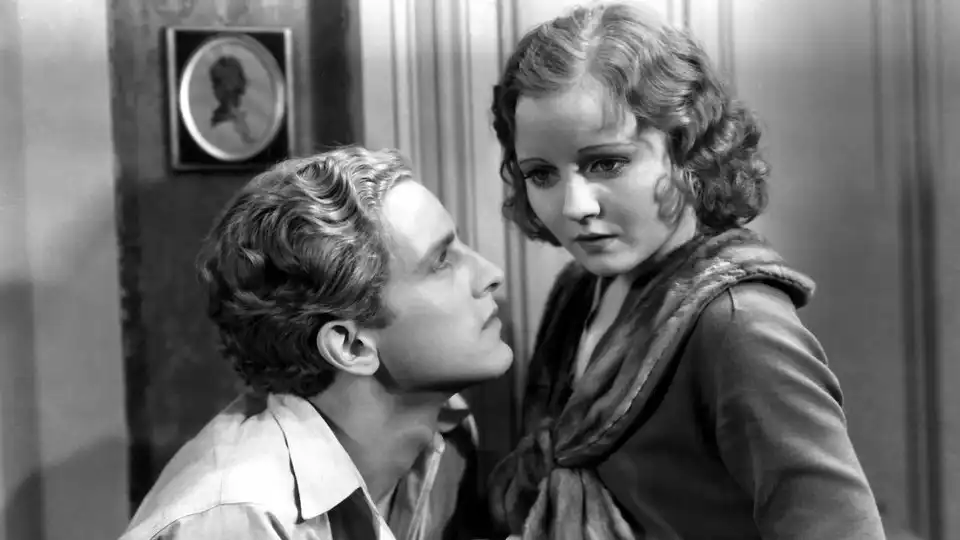
The dinner scene is the best part of the movie. It’s awkward and quiet. Everyone is eating and nobody is happy. You can almost smell the boiled potatoes and the resentment. It reminded me a bit of the tension in Three Women, where the domestic stuff feels like a war zone.
Hallie realizes she actually loves David. Or maybe she just likes that he’s the only person who hasn’t tried to use her. But the family thinks she’s just a gold digger. Which she was! That’s what makes it interesting. She’s guilty, and she knows it.
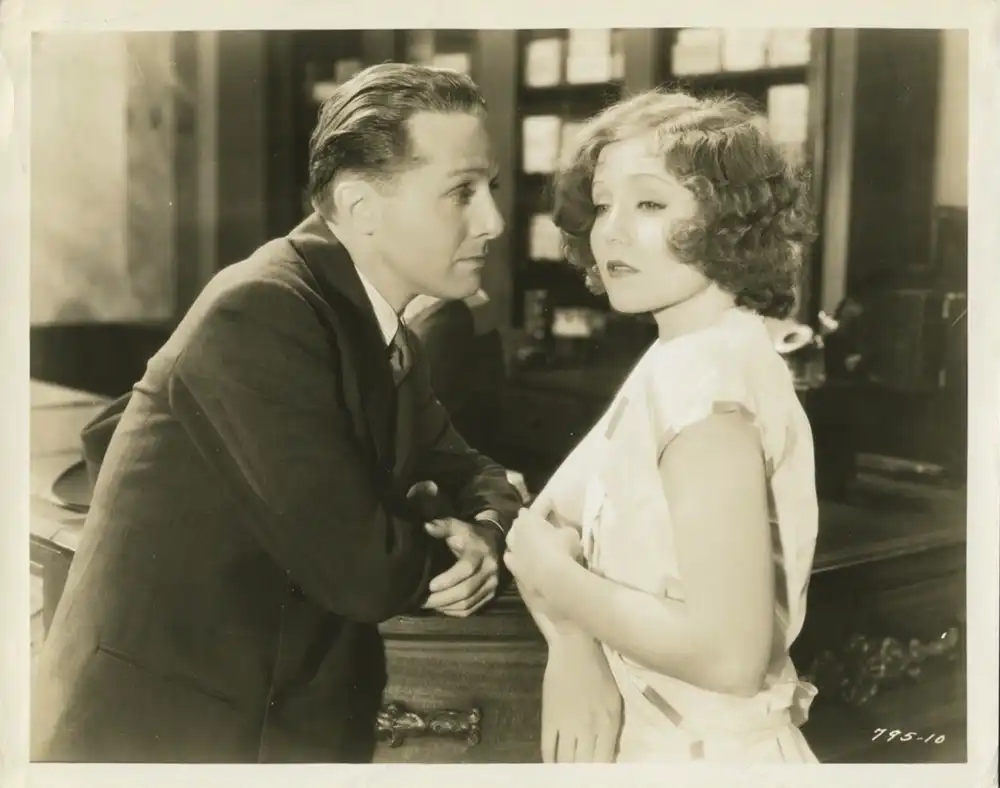
Phillips Holmes does this thing where he stares off into space when he's hurt. It’s a bit much. I wish he’d just yell back at his dad once in a while. But I guess that wouldn't fit the 'earnest farm boy' vibe.
The middle of the movie drags a bit when they get into the business side of things. I don't really care about the machinery deal. I just want to see Hallie deal with her father-in-law. Hobart Bosworth really leans into the 'angry old man' role. He points his finger so much I thought he might poke an eye out.
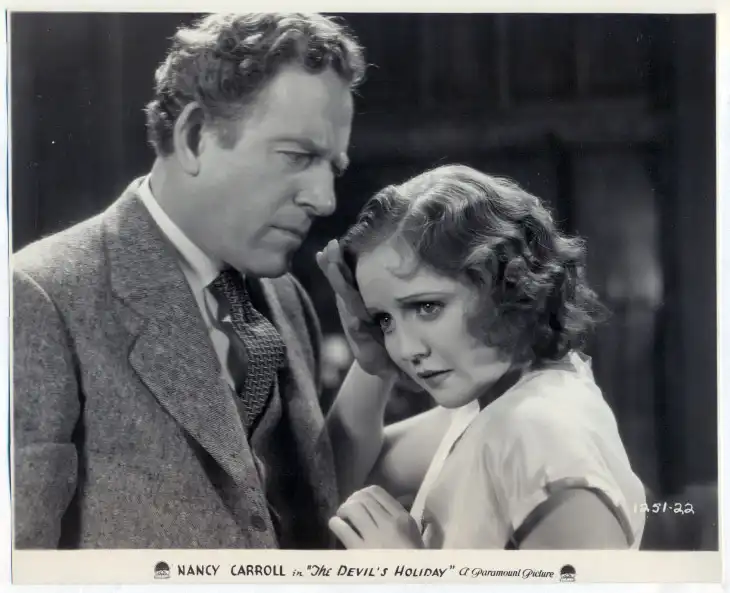
There is a moment where Hallie is alone in her room and she just looks tired. Not movie-tired, but life-tired. It’s a great piece of acting. It feels much more modern than some of the other stuff from 1930. It’s less theatrical than something like Smilin' Through.
I noticed that the sound is a bit fuzzy in the outdoor scenes. It’s that early talkie struggle. Sometimes the background noise almost swallows the dialogue. But it adds a weird kind of realism, like you’re eavesdropping on a real argument in a field.
The ending comes at you fast. It feels like they ran out of film or maybe the director, Edmund Goulding, just wanted to go home. It’s very sudden. One minute everything is a tragedy, and the next, it's over. I didn't hate it, but it made me blink a few times.
I think the movie works because it doesn't try to make Hallie a saint. She’s a person who did a bad thing for money. She regrets it, but she doesn't turn into a different person. She’s still the girl from the hotel, just a bit more bruised.
Is it a masterpiece? Probably not. But it’s got a lot of soul. And Nancy Carroll’s eyes do more work in ninety minutes than most actors do in a career. If you see it on a schedule somewhere, give it a look.
It’s definitely better than some of the other stuff from that year. It doesn't feel like a filmed play. It feels like a movie. Even if the wheat talk is a bit dry.
One more thing—the way they dress Hallie in the city versus the farm is interesting. In the city, she’s all sharp lines. On the farm, she looks like she’s drowning in fabric. It’s a nice touch. It shows how out of place she is without saying a word. Details matter.
IMDb —
1928
Community
Log in to comment.