DbcultAccessing Vault...
5.6/10
Senior Film Conservator
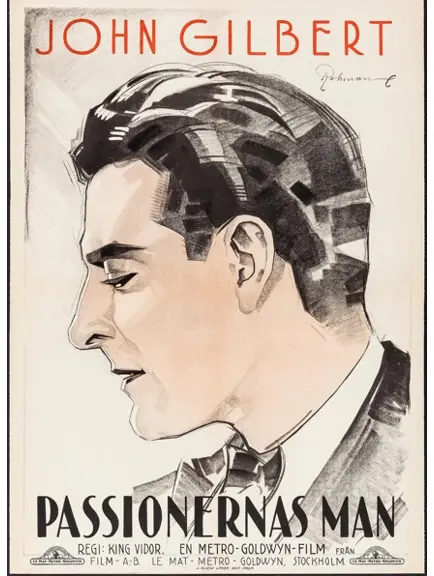
A definitive 5.6/10 rating for a film that redefined the boundaries of cult cinema. The Wife of the Centaur remains a cornerstone of transgressive art.
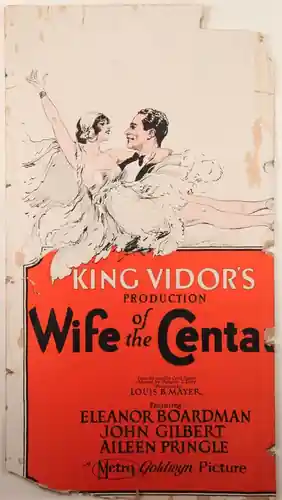
In the pantheon of silent-era psychodramas, few films capture the agonizing friction between the intellectual and the animalistic as poignantly as The Wife of the Centaur. Released in 1924, this King Vidor-directed vehicle for John Gilbert is not merely a romantic melodrama; it is a visceral exploration of the creative soul in crisis. The film posits that the artist is a modern centaur—half-man, striving for the sublime heights of literature, and half-beast, tethered to the primal urges of the flesh. Unlike the more fantastical escapades of Aladdin and the Wonderful Lamp, this narrative is rooted in the gritty, booze-soaked disillusionment of the Jazz Age.
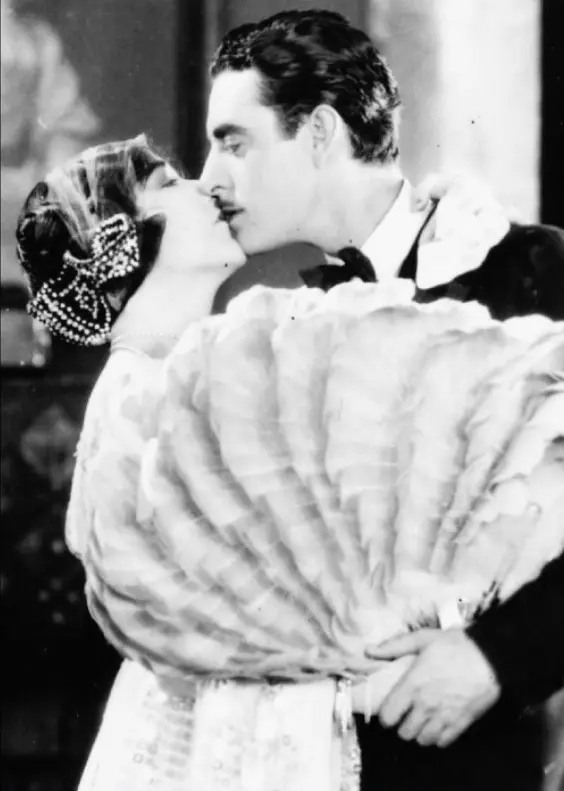
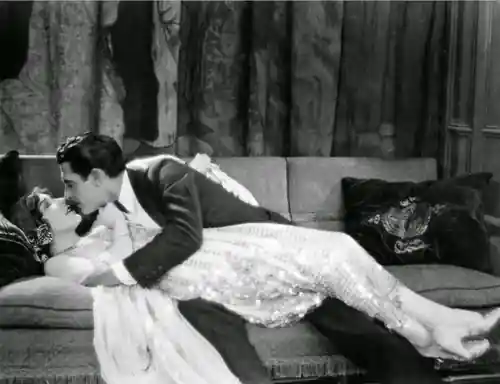
John Gilbert, portraying Jeffrey Dwyer, delivers a performance that transcends the histrionic tropes of the era. His Dwyer is a man of jagged edges and nervous energy, a novelist whose success is both his liberation and his curse. The early sequences establish a stark contrast between his two romantic interests. Joan Converse, played with a luminous, almost spiritual fragility by Eleanor Boardman, represents the 'man' half of the centaur—the part of Jeffrey that seeks stability, legacy, and moral clarity. Conversely, Inez Martin, the sultry temptress, represents the 'beast.' Their chemistry is a destructive fire, one that consumes Jeffrey’s talent and leaves him a hollowed-out shell of his former self.
The thematic weight of the film is far heavier than contemporary works like The Handy Man, which operates on a much lighter emotional frequency. Here, the stakes are existential. When Inez leaves Jeffrey for Harry Todd, the resulting spiral into debauchery is filmed with a claustrophobic intensity that mirrors the protagonist's internal decay. The cinematography utilizes shadows and tight framing to emphasize Jeffrey’s isolation, a technique that feels remarkably modern, reminiscent of the psychological depth found in Shattered.
The second act shifts the setting to a mountain lodge, a visual metaphor for Jeffrey’s attempt to ascend above his baser instincts. The rugged landscape serves as a purgatory where he must reconcile his past failures with his current domestic reality. The marriage to Joan is depicted not as a victory, but as a discipline. It is here that Jeffrey finds his voice again, producing a second successful novel. The quietude of the mountains provides a sharp narrative contrast to the frenetic urbanity of his previous life, much like the tonal shifts seen in The Exiles.
However, the arrival of Inez in a nearby lodge shatters this fragile equilibrium. The conflict that ensues is not merely a love triangle; it is a battle for Jeffrey’s soul. The 'centaur' is once again divided. The tension is palpable as Inez uses her failed marriage as a weapon, preying on Jeffrey’s lingering insecurities and his innate desire for the chaotic thrill she represents. This segment of the film explores the concept of the 'eternal return'—the idea that our vices are never truly defeated, only dormant. It echoes the domestic anxieties found in Where Is My Wife?, though with a significantly darker, more fatalistic tone.
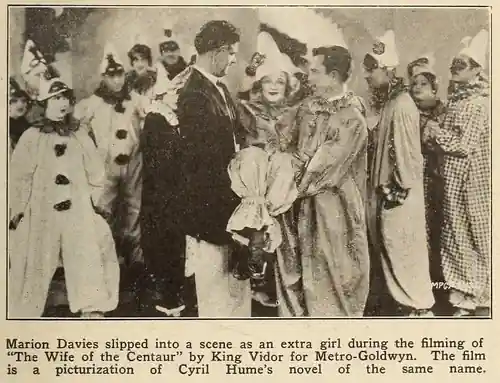
The ensemble cast provides a rich tapestry of 1920s archetypes. William Haines and Marion Davies bring a level of charisma that prevents the film from sinking entirely into gloom, while the supporting work of Kate Price and William Orlamond adds a layer of grounded realism. Even minor roles, such as those played by Anne Sheridan and Philo McCullough, contribute to the sense of a lived-in, albeit fractured, world. The interplay between Gilbert and Boardman is particularly effective; their shared scenes possess a delicate, almost agonizing tenderness that makes Jeffrey’s eventual betrayal feel like a physical blow to the audience.
While some might compare the film's melodramatic beats to A Daughter of the West, Vidor’s direction ensures that the emotional beats are earned rather than manufactured. The pacing is deliberate, allowing the psychological weight of each decision to settle before moving to the next crisis. This is a film that demands attention, rewarding the viewer with a complex portrait of human fallibility that feels as relevant today as it did a century ago.
The climax of The Wife of the Centaur is perhaps its most controversial element. Jeffrey’s decision to leave a letter for Joan and flee to Inez is a moment of profound cowardice, yet his immediate realization that the infatuation is dead is equally jarring. It suggests that the 'beast' cannot be satisfied by the object of its desire once the 'man' has achieved a certain level of consciousness. The return to Joan and her subsequent forgiveness is a denouement that challenges modern sensibilities. Is Joan a saint, or is she a victim of a patriarchal structure that demands her self-sacrifice? This ambiguity elevates the film above standard morality plays like The Sport of the Gods.
The film’s exploration of addiction—both to alcohol and to toxic relationships—is handled with a surprising lack of judgment. Jeffrey is not a villain; he is a man struggling with a neurosis that he cannot fully articulate. The 'centaur' metaphor is consistently applied, reminding us that the struggle between our higher and lower selves is a permanent condition of the human experience. This thematic depth is what distinguishes the work from more plot-driven contemporaries like Cyclone Smith Plays Trumps or the mystery-laden A Child of Mystery.
Visually, the film is a feast of silent era technique. The use of double exposures and subtle lighting shifts to denote Jeffrey’s mental state shows a director at the height of his powers. The mountain lodge sequences, in particular, utilize the natural landscape to create a sense of both majesty and isolation. This aesthetic choice mirrors the internal vastness of Jeffrey’s creative mind, a stark contrast to the cluttered, claustrophobic interiors of the city. It is a visual language that speaks to the same epic scale found in Kitchener's Great Army in the Battle of the Somme, but applied to the landscape of the soul.
In conclusion, The Wife of the Centaur remains a haunting artifact of early cinema. It refuses to offer easy answers, choosing instead to dwell in the messy, contradictory spaces of the heart. Whether viewed as a cautionary tale about the perils of the artistic temperament or a romantic drama about the power of grace, it stands as a testament to the power of silent film to convey complex psychological truths. It shares a certain European sensibility with films like Oltre l'amore and Az utolsó bohém, yet it remains quintessentially American in its obsession with reinvention and redemption. For those seeking a film that explores the dawn of the modern psyche with both beauty and brutality, this is an essential piece of cinematic history.
While many films of this era have faded into obscurity, the emotional resonance of The Wife of the Centaur ensures its place as a vital work of art. It captures the transition from the old world to the new, much like the shifts seen in From Dusk to Dawn or the fiscal anxieties of Hoarded Assets. It is, ultimately, a story about the cost of being human.
IMDb —
1928
Community
Log in to comment.