DbcultAccessing Vault...
Cult Review
Senior Film Conservator
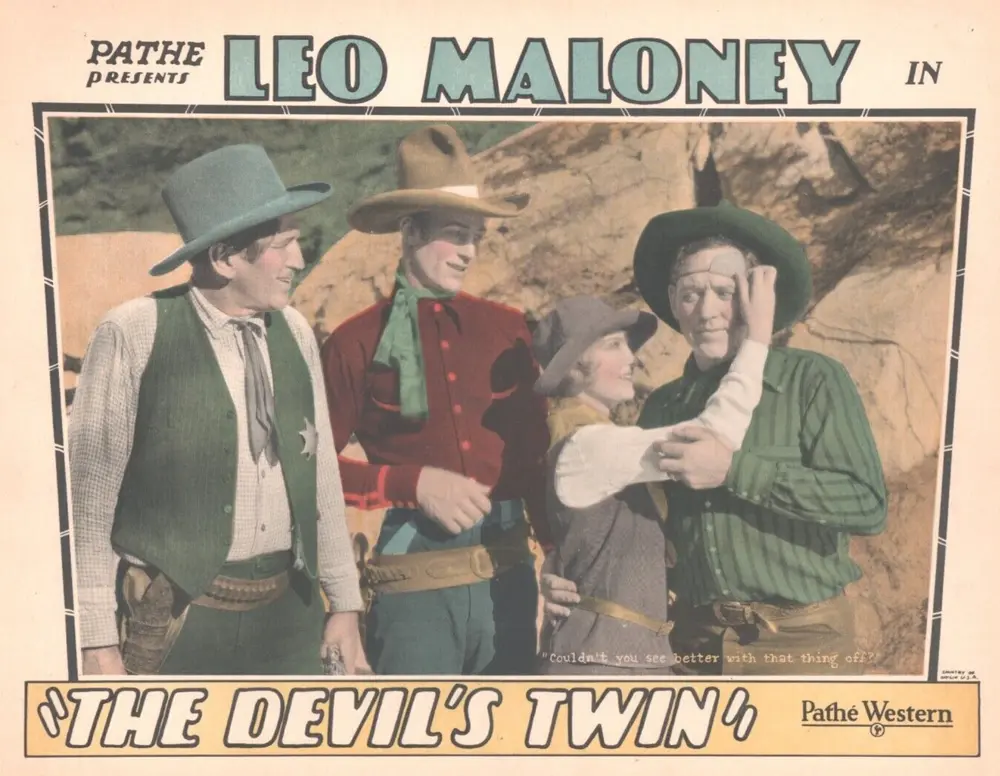
Should you dust off this early cinematic offering, The Devil's Twin, for a viewing in the modern era? Short answer: yes, but with significant caveats. This film is a fascinating relic, a window into the nascent storytelling techniques of Hollywood's formative years, offering a unique blend of frontier drama and moralistic melodrama that will undoubtedly captivate cinephiles and historians.
However, it is decidedly not for those seeking modern pacing, nuanced character development, or escape from the inherent limitations of silent-era filmmaking. If your cinematic palate demands constant action and sophisticated dialogue, you’ll find its deliberate rhythm and reliance on visual storytelling a challenge. But for those willing to engage with its historical context, it offers genuine insight into classic Western archetypes and the power of a simple, yet potent, narrative.
Leo D. Maloney and Ford Beebe's The Devil's Twin stands as a compelling, albeit imperfect, example of early Western filmmaking. Released at a time when cinema was still finding its voice, it grapples with themes of identity, reputation, and the stark dichotomy of good versus evil through the classic trope of identical siblings. It’s a film that, despite its age, manages to hold a mirror to enduring human struggles.
The plot, revolving around a virtuous man's struggle against his villainous twin, is fertile ground for dramatic tension. It’s a narrative engine that, even a century later, still possesses a certain magnetic pull, proving the timeless appeal of a hero's journey against overwhelming odds and a dark reflection of himself. This isn't just a simple chase; it's a battle for one's very soul and public perception.
This film works because it taps into primal fears of mistaken identity and the destruction of one's good name. It fails because its execution, while ambitious, often succumbs to the broad strokes and technical limitations of its era, sacrificing subtlety for spectacle. You should watch it if you appreciate cinematic history, enjoy classic Westerns with clear moral lines, and are intrigued by early attempts at complex character portrayal through visual means.
Al Hart, in the demanding dual role of Jim Thorne and 'Black' Jack Thorne, carries the bulk of the film's dramatic weight. Portraying a good twin and his evil counterpart is a formidable task for any actor, let alone in the silent era where nuance often had to be conveyed through exaggerated gestures and facial expressions. Hart, for the most part, rises to the occasion with commendable effort.
His portrayal of Jim is earnest and sympathetic, evoking the classic Western hero's quiet strength and integrity. We see this most clearly in the sequence where Jim is wrongly accused and stands before the townspeople, his eyes conveying a mix of confusion, hurt, and unwavering resolve. It’s a moment that, despite the lack of dialogue, speaks volumes about his character’s inner turmoil.
Conversely, his 'Black' Jack is suitably menacing, a sneering, ruthless figure whose every move drips with villainy. The distinction, while at times reliant on costume (a darker hat for the villain, naturally) and more aggressive body language, is generally effective. There's a particular scene where 'Black' Jack, disguised as Jim, subtly smirks after committing a robbery, a small gesture that perfectly encapsulates his deceitful nature. It’s a performance that, while not reaching the psychological depths of later dual-role portrayals, is robust enough to sell the central conflict.
The supporting cast, including Josephine Hill as Mary, the love interest, and Joe Rickson as a loyal sidekick, deliver performances typical of the period. Hill embodies the damsel in distress with grace, her reactions often serving as a barometer for the audience's emotional investment. While their characters are archetypal, they fulfill their narrative functions competently, providing the emotional anchors necessary for the hero's struggle.
Leo D. Maloney, pulling double duty as both a writer and director, crafts a vision that is distinctly of its time yet shows flashes of genuine ingenuity. The film’s direction is straightforward, prioritizing clear storytelling and action sequences over complex visual metaphors. This directness, however, serves the narrative well, keeping the focus squarely on Jim's plight and his pursuit of justice.
Maloney demonstrates a keen understanding of the Western genre's visual language. The wide-open spaces, the dusty trails, and the rustic frontier towns are all captured with an authenticity that transports the viewer. One particularly memorable sequence involves a thrilling horseback chase through a narrow canyon, expertly staged to maximize tension. The camera, while largely static, captures the kinetic energy of the riders, emphasizing the vastness of the landscape against the urgency of the pursuit.
However, the direction occasionally falters in its attempts at more intricate staging, particularly during the scenes requiring the interaction of both twins. The use of split screens and body doubles, while groundbreaking for its time, can sometimes appear clunky, momentarily pulling the viewer out of the narrative. Yet, these are minor quibbles in the grand scheme of a film that largely achieves its ambitious goals within the technological constraints of early cinema.
Maloney’s vision is one of clear moral boundaries and heroic perseverance. He doesn't shy away from the melodrama inherent in the plot, embracing it as a tool to heighten emotional impact. This approach, while perhaps simplistic by today's standards, was highly effective in engaging audiences of the era, proving that sometimes, a direct appeal to the heart is more powerful than intellectual complexity.
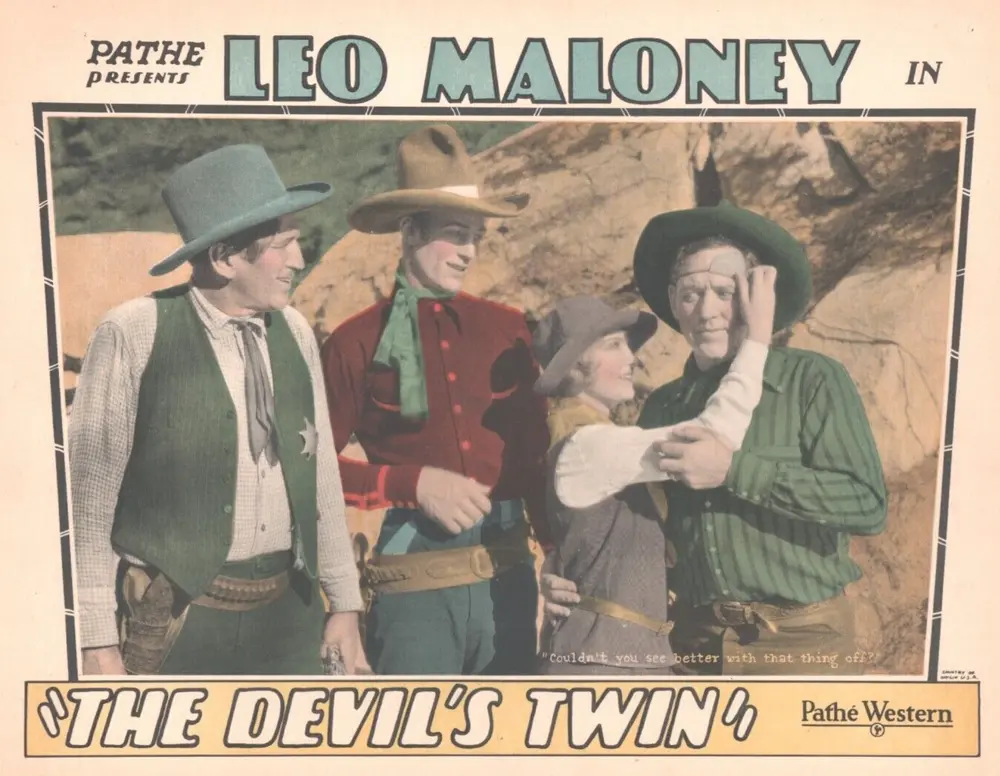
The cinematography in The Devil's Twin, while lacking the dynamic camera work of later eras, effectively utilizes the natural grandeur of the Western landscape. The black and white photography, with its stark contrasts, beautifully renders the sun-drenched plains and the shadowy interiors of saloons and cabins. There’s a raw, almost documentary-like quality to some of the exterior shots that lends an air of authenticity to the proceedings.
The film excels in its use of deep focus in certain outdoor scenes, allowing for multiple layers of action to unfold within a single frame. This is particularly evident in a scene depicting a ranch raid, where the foreground action of riders galloping is set against the distant backdrop of smoke rising from a burning barn. It adds a sense of scale and chaos that feels genuinely impactful.
Close-ups are reserved for moments of high emotion, effectively drawing the audience into the characters' inner worlds. When Jim's face fills the screen, contorted in anguish over his brother's betrayal, the power of the image transcends the lack of spoken words. This selective use of close-ups ensures they retain their dramatic punch, rather than becoming a visual crutch.
However, the interior lighting can sometimes be flat, occasionally obscuring details and flattening the visual depth. This is a common characteristic of films from this period, a consequence of nascent lighting technologies. Despite these limitations, the overall visual style supports the narrative, enhancing the drama and immersing the viewer in the rugged world of the frontier. It’s a testament to the early cinematographers’ ability to make the most of their tools.
The pacing of The Devil's Twin is a fascinating study in early cinematic rhythm. Like many silent films, it operates on a different clock than modern blockbusters. The narrative unfolds deliberately, with scenes often lingering longer than contemporary audiences might expect. This allows for a deeper appreciation of the visual storytelling and the actors' expressions, which were paramount in conveying emotion without dialogue.
Action sequences, when they arrive, are energetic and well-choreographed, providing bursts of excitement that punctuate the more expositional scenes. The aforementioned canyon chase, for instance, is a masterclass in building suspense through rapid cuts and dynamic movement. These moments prevent the film from ever feeling truly stagnant, injecting vital momentum when needed.
The tone is overtly melodramatic, a hallmark of early 20th-century cinema. Good is unequivocally good, and evil is undeniably evil. There's little room for moral ambiguity, which can feel simplistic to a contemporary audience accustomed to complex anti-heroes. However, this straightforwardness is also its strength, creating a clear emotional arc that is easy to follow and invest in. The film doesn't ask you to dissect its morality; it asks you to experience it.
The intertitles, crucial to silent film narrative, are used effectively to convey dialogue and advance the plot without becoming overly verbose. They punctuate the visual narrative, providing necessary context and emotional cues, ensuring the story remains coherent. While some might find the frequent interruptions jarring, they are an integral part of the film's intended viewing experience and contribute to its unique rhythm. The film works. But it’s flawed.
Absolutely, if you approach it with the right mindset. The Devil's Twin is not just a film; it's a historical document, a testament to the foundational elements of cinematic storytelling. It offers a unique opportunity to witness the evolution of character archetypes, narrative structure, and visual techniques that would go on to define the Western genre for decades.
For those who appreciate the artistry of silent films, the expressive performances, and the genuine efforts to create immersive worlds without sound, it’s a rewarding experience. It’s a chance to see Al Hart wrestle with a challenging dual role, and to observe Leo D. Maloney's directorial choices in a nascent industry.
However, if you're looking for a casual watch that demands little historical context or patience, this might not be your pick. Its pacing can feel slow, its melodrama pronounced, and its technical limitations evident. It requires an active, engaged viewer willing to meet it halfway. Think of it less as entertainment in the modern sense and more as an archaeological dig into cinematic heritage. It's a niche watch, but a valuable one for that niche.
The Devil's Twin is more than just a forgotten film; it's a vibrant, if slightly faded, snapshot of a pivotal era in cinema. It’s not a The Eternal Grind or an Angel Child in terms of broad appeal, but its specific charms are undeniable for the right audience. Its narrative, while simple, possesses an enduring power, anchored by Al Hart's dedicated performance and Leo D. Maloney's sturdy direction. While its technical limitations and reliance on silent film conventions might deter some, those willing to immerse themselves in its historical context will find a rewarding experience.
This film serves as a crucial piece of the cinematic puzzle, illustrating how foundational tropes were established and refined. It's a testament to the early filmmakers' ambition and ingenuity, proving that even with rudimentary tools, compelling stories could be told. Ultimately, The Devil's Twin is a valuable watch for enthusiasts of film history and classic Westerns, offering a genuine glimpse into the roots of American cinema. It’s a film that earns its place in the archives, even if it doesn't quite ride into the mainstream consciousness today.
IMDb —
1916
Community
Log in to comment.