DbcultAccessing Vault...
5.8/10
Senior Film Conservator
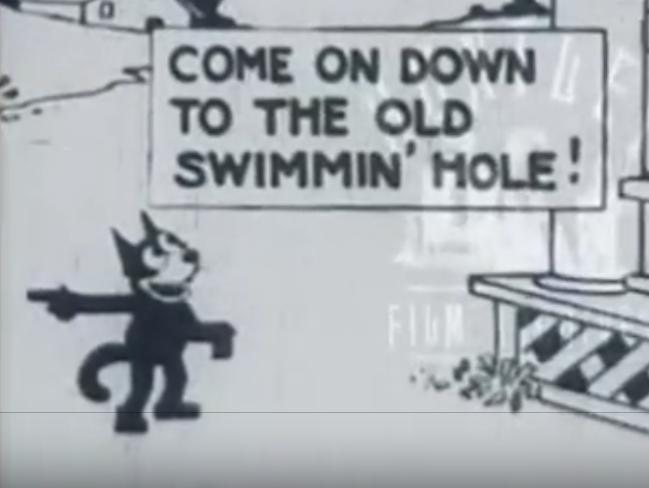
A definitive 5.8/10 rating for a film that redefined the boundaries of cult cinema. Musical Mews remains a cornerstone of transgressive art.
Stepping back into the nascent days of animated cinema is akin to opening a forgotten time capsule, revealing not just images, but the very genesis of a universal language. Among these early cinematic artifacts, Otto Messmer's 'Musical Mews' stands as a particularly enchanting progenitor, a foundational piece that, while perhaps unassuming in its initial premise, laid crucial groundwork for what would become one of animation's most enduring icons: Felix the Cat. This isn't merely a quaint historical curiosity; it's a vibrant, if brief, testament to the boundless creativity and technical innovation burgeoning in the early 20th century. The film, featuring a character known then as Master Tom, presents a simple narrative, yet within its brevity, it captures a universal childhood dilemma with an effervescent charm that still resonates today.
At its core, 'Musical Mews' is a narrative of youthful rebellion and feline intervention. A young boy, yearning for the invigorating chill of a swimming hole, finds himself tethered to the oppressive demands of a piano lesson. This is where Master Tom, a sleek, black cat with an uncanny knack for problem-solving, enters the fray. Tom isn't just a pet; he's a co-conspirator, a silent partner in the boy's grand scheme to ditch the tedious scales and arpeggios for the exhilarating splash of freedom. The brilliance of Messmer's creation lies in granting this animal character a palpable agency, a mischievous intellect that transcends mere animalistic instinct. Tom doesn't just react; he strategizes, manipulates, and ultimately, orchestrates the boy's escape with a series of clever, almost surreal, antics.
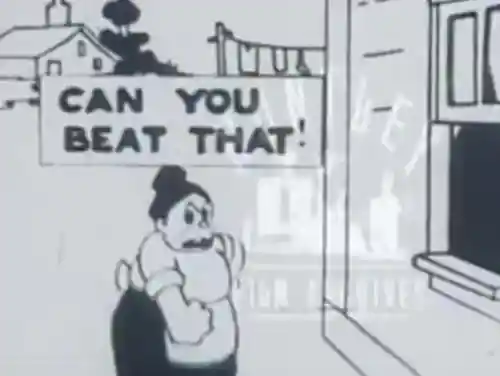
The film's plot, while straightforward, is a masterclass in concise storytelling. We witness the boy's palpable frustration, the rigid adherence of his piano teacher, and then, the dazzling ingenuity of Master Tom. From subtly altering the sheet music to more elaborate, physics-defying escapades, Tom’s actions are a delightful cascade of inventive solutions. This early display of character-driven animation, where the protagonist’s personality dictates the unfolding events, was revolutionary. Before 'Musical Mews,' many animated shorts relied heavily on abstract gags or simple transformations. Here, we see the nascent stages of a character whose wit and resourcefulness would define an entire era of cartoons. It’s a compelling argument for the power of character, even in its most rudimentary form, to drive narrative and captivate an audience.
To discuss 'Musical Mews' without acknowledging the singular genius of Otto Messmer would be an oversight of monumental proportions. While Pat Sullivan often received the credit, it was Messmer who truly animated, conceived, and brought Felix (then Master Tom) to life. His contributions to early animation are immeasurable. Messmer possessed an innate understanding of movement, timing, and character expression. He pioneered techniques that would become standard in the industry, imbuing his drawings with a fluidity and personality that set them apart. In 'Musical Mews,' we see the embryonic stages of what would become the 'rubber hose' animation style, characterized by characters with flexible, elastic limbs, allowing for exaggerated and dynamic movements. This stylistic choice wasn't just whimsical; it was a practical solution to the technical limitations of early animation, enabling animators to convey a wide range of actions with fewer drawings, yet greater impact.
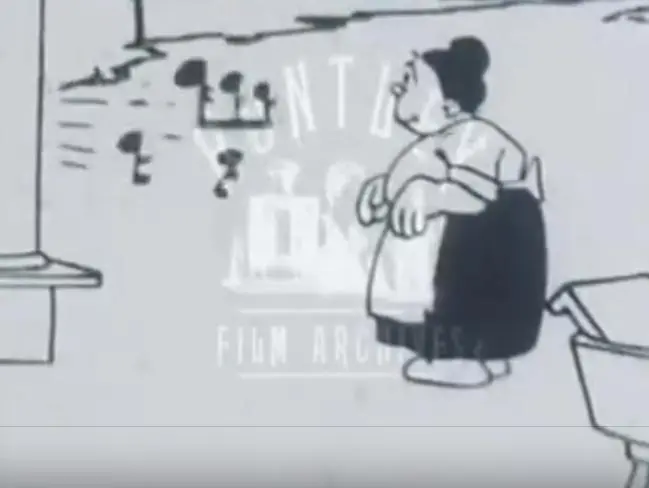
Messmer's ability to tell a story visually, without the crutch of extensive intertitles (though some are present), is a testament to his mastery. The actions of Master Tom are universally understandable, transcending language barriers, a crucial aspect for a burgeoning global medium. His work on 'Musical Mews' and subsequent Felix shorts established a visual grammar for animation, proving that cartoons could be more than just moving drawings; they could be vehicles for engaging narratives and memorable characters. This era of filmmaking, much like the dramatic explorations seen in East Lynne or the stark realism of The Miner's Daughter, was characterized by an industry finding its voice, experimenting with every facet of cinematic expression. Messmer was at the forefront of this experimental wave in animation, pushing boundaries with every frame.
'Musical Mews' might appear, on the surface, to be a series of delightful gags designed to elicit laughter. However, beneath the surface of its animated antics, there are subtle thematic undercurrents that give the film a surprising depth. The conflict between duty (the piano lesson) and desire (swimming) is a timeless one, a metaphor for the individual's struggle against societal expectations or mundane routines. Master Tom, in this context, becomes a symbol of liberation, a trickster figure who helps to subvert the established order. His actions aren't malicious; they are born of a desire to see his human companion happy and free. This theme of finding joy and freedom through cleverness and defiance is a powerful one, especially in a period marked by significant social and industrial changes.
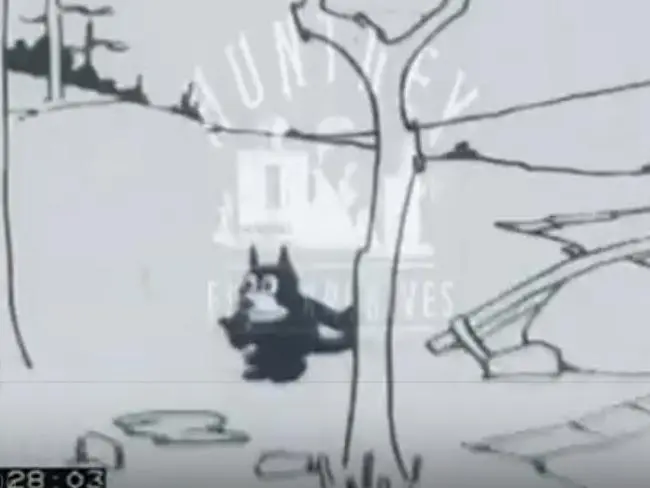
Furthermore, the film subtly explores the idea of childhood agency. The boy, initially powerless against the adult world's dictates, finds an unlikely ally who empowers him. This dynamic hints at the imaginative worlds children often create to navigate their realities, where animals can talk, and inanimate objects can come to life. It’s a gentle reminder of the power of imagination and the importance of play in a child's development. While not as overtly dramatic as the societal critiques found in films like Dope, 'Musical Mews' offers its own subtle commentary on freedom and constraint within a more domestic, whimsical setting. The seemingly simple narrative thus acquires layers of meaning, inviting viewers to appreciate not just the humor, but also the underlying philosophical musings on childhood and freedom.
The visual style of 'Musical Mews' is unmistakably of its era, yet it possesses a timeless quality. The stark black and white imagery, characteristic of silent films, lends an almost graphic novel aesthetic to the animation. Master Tom's design—a simple, elegant black silhouette with large, expressive eyes—is a triumph of minimalist character design. His form is instantly recognizable and infinitely adaptable, allowing Messmer to convey a wide range of emotions and actions with remarkable clarity. The backgrounds, while sparse, serve their purpose effectively, guiding the viewer's eye to the central action. The emphasis is always on the characters and their movements, a hallmark of Messmer's economical yet impactful animation style.
The enduring appeal of 'Musical Mews,' and by extension, Felix the Cat, lies in this elegant simplicity combined with profound ingenuity. Felix, even in his nascent form as Master Tom, embodies a spirit of cleverness and resilience that audiences have always found captivating. He is the ultimate problem-solver, a character who, despite facing seemingly insurmountable obstacles, always finds a way to outwit his adversaries or achieve his goals. This aspirational quality, coupled with his charming mischievousness, ensures his place in the pantheon of animated greats. The film, like many silent era classics such as A Woman There Was or The Fire Flingers, relies on visual storytelling to convey emotion and narrative, showcasing the universal power of silent cinema before the advent of synchronized sound fundamentally reshaped the medium.
'Musical Mews' is more than just an early cartoon; it's a critical stepping stone in the evolution of character animation. It introduced the world to the personality that would soon become Felix the Cat, a character who would dominate the silent animation era and even successfully transition, albeit with some challenges, into the sound era. Felix's influence is undeniable, paving the way for countless other anthropomorphic animal characters in animation. His distinct design, his 'bag of tricks,' and his resourceful nature became archetypes that future animators and cartoonists would draw upon. One can trace a direct lineage from Master Tom's antics to the cleverness of Mickey Mouse, Bugs Bunny, and myriad other beloved characters who learned to bend reality to their will.
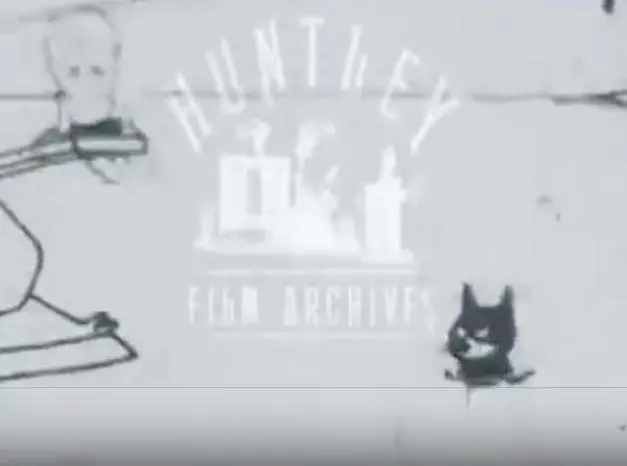
The film serves as a vital reminder of animation's foundational principles: character, movement, and timing. It demonstrates that even with limited resources and in a nascent medium, profound artistry and entertainment could flourish. For modern viewers, watching 'Musical Mews' is an opportunity to appreciate the roots of an art form that has grown exponentially. It’s a chance to see the raw, unadulterated creativity of pioneers like Otto Messmer, who, with simple lines and imaginative sequences, crafted worlds that continue to enchant. Much like how films such as Dr. Schotte or Shark Monroe represent significant milestones in their respective genres of live-action cinema, 'Musical Mews' holds a similar, if not more profound, place in the annals of animation history, marking the birth of a true star.
'Musical Mews' is an essential viewing for anyone interested in the history of animation, the evolution of character design, or simply a charming tale of youthful escapism. It’s a testament to the enduring power of simple, well-executed ideas and the indelible mark left by true artistic visionaries. Otto Messmer, through the actions of Master Tom, gifted the world a character whose spirit of playful defiance and ingenuity continues to resonate. The film, though over a century old, feels remarkably fresh in its comedic timing and character work. It reminds us that sometimes, the greatest adventures begin with a simple desire to ditch a piano lesson and go for a swim, especially when you have a clever feline co-conspirator by your side. Its legacy is not just in its historical significance, but in the sheer joy it still evokes, a timeless melody of animated brilliance.
IMDb 4.8
1930
Community
Log in to comment.