DbcultAccessing Vault...
6.6/10
Senior Film Conservator
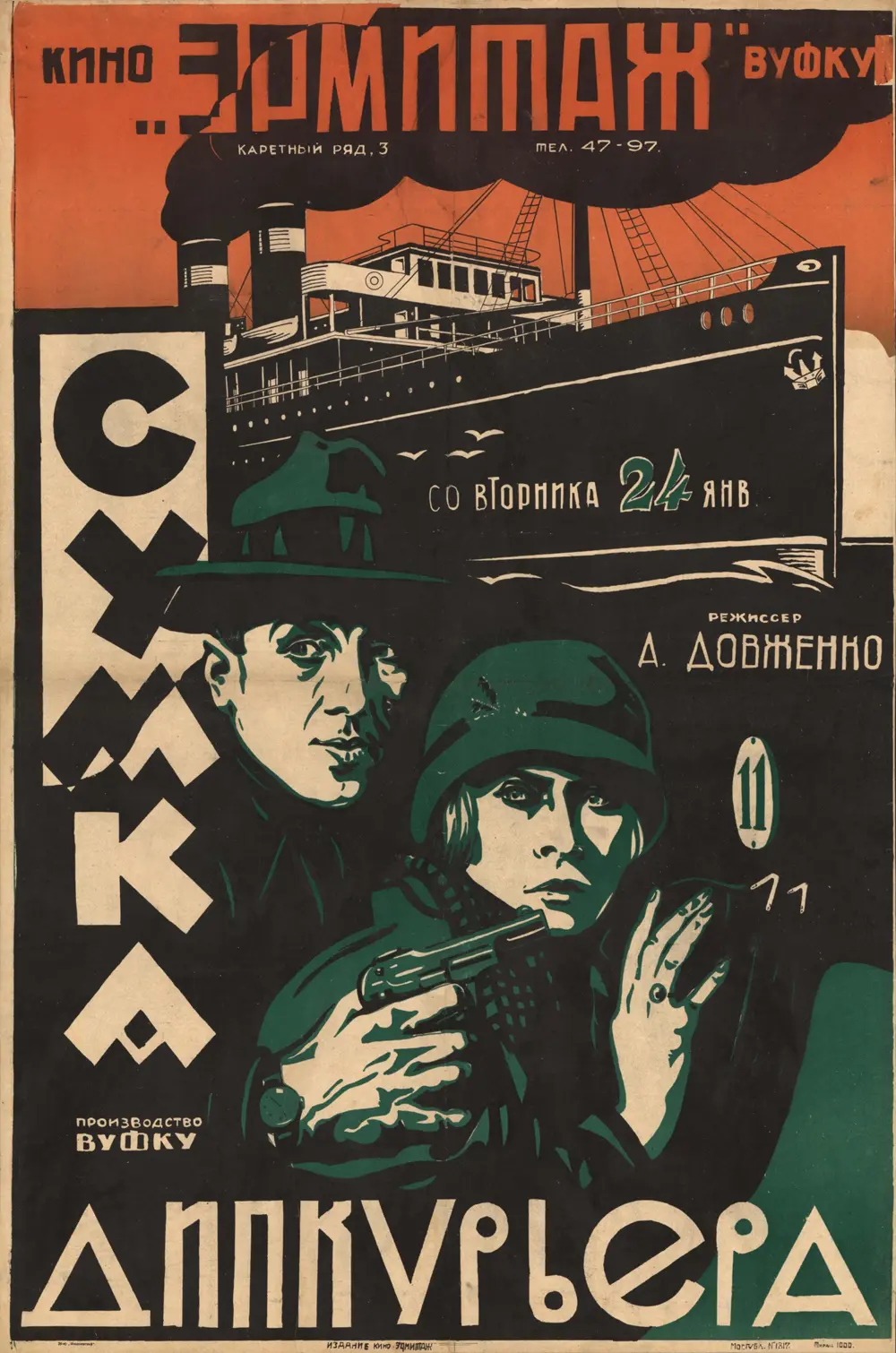
A definitive 6.6/10 rating for a film that redefined the boundaries of cult cinema. The Diplomatic Pouch remains a cornerstone of transgressive art.
Is The Diplomatic Pouch worth watching today? Short answer: absolutely, for anyone interested in early Soviet cinema, political thrillers, or a unique historical document. However, if you're seeking a fast-paced, modern spy flick, this early silent feature might test your patience. It's a film for the patient observer, the history enthusiast, and the cinephile eager to understand the foundational grammar of a burgeoning national cinema.
This is not a film for those demanding instant gratification or slick, contemporary production values. It is, instead, a profound window into a specific moment in cinematic and political history, an artifact that speaks volumes about its era, even if its narrative pacing feels alien to a 21st-century audience. It works. But it’s flawed.
To cut straight to the chase for those pressed for time:
This film works because... it offers a rare, unflinching glimpse into early Soviet propaganda art, expertly blending historical tragedy with nascent thriller conventions, creating a palpable sense of international intrigue and national urgency.
This film fails because... its pacing, typical of the silent era, can feel ponderous to modern viewers, and its overt political messaging occasionally overshadows nuanced character development, reducing some figures to archetypes.
You should watch it if... you are fascinated by the origins of political cinema, the techniques of silent filmmaking, or the unique historical context of the 1920s Soviet Union. It's a crucial piece of cinematic history.
At its core, The Diplomatic Pouch is a stark dramatization of a real-life geopolitical incident: the brutal murder of Soviet diplomat Teodor Nette. Yet, the film elevates this tragedy beyond mere reportage, transforming it into a visceral struggle for the sanctity of state secrets. The narrative pivots on the desperate, ocean-bound endeavor to return Nette's invaluable diplomatic bag to Soviet soil, a mission fraught with peril and shadowed by the omnipresent threat of British intelligence.
This isn't a simple package delivery; it's a symbolic repatriation of national honor and strategic information. The sea itself becomes a character, an indifferent, vast expanse mirroring the isolation and vulnerability of the agents involved. Every creak of the ship, every distant horizon, amplifies the tension, as the British secret police close in, their unseen presence a constant, chilling menace. The film masterfully crafts a sense of claustrophobic urgency despite the open waters, making the diplomatic pouch not just a container of documents, but a crucible of international power plays.
To truly appreciate The Diplomatic Pouch, one must contextualize it within the burgeoning landscape of early Soviet cinema. This was an era where film was seen not just as entertainment, but as a potent tool for propaganda and national identity building. Released in the mid-1920s, the film arrived during a period of intense ideological fervor and a concerted effort to establish a distinct Soviet artistic voice.
Writers Moisei Zats, Boris Shcharansky, Yuri Yanovsky, and the legendary Aleksandr Dovzhenko, were not merely recounting history; they were shaping a narrative designed to galvanize national sentiment and demonize foreign adversaries. The film’s ambition, therefore, extends beyond a simple thriller; it’s a foundational text in the development of Soviet political cinema, laying groundwork for later, more sophisticated works.
The choice of subject matter – a martyred diplomat and a stolen pouch – was no accident. It served to underscore the vulnerability of the young Soviet state while simultaneously highlighting the heroism of those who defended it. This duality of vulnerability and resilience is a recurring theme, subtly woven into the fabric of the narrative, giving the film an emotional weight that transcends its propaganda origins.
While Aleksandr Dovzhenko is credited as one of the writers, his broader cinematic genius often suggests a strong influence on the visual storytelling, even if not officially directing this specific piece. The screenplay for The Diplomatic Pouch is surprisingly robust for its time, building tension through a clear, escalating threat. The narrative structure is linear, focusing intensely on the single objective: the safe return of the pouch.
The film excels in its ability to establish a persistent sense of dread. From the initial revelation of Nette's murder, the audience is immediately placed into a state of anxiety. The writers employ classical thriller tropes – the ticking clock (before the British find it), the relentless pursuit, the high stakes – but filtered through a distinctly Soviet lens. The antagonists are portrayed with a cold, calculating efficiency, embodying the perceived malevolence of Western imperial powers.
One particular strength lies in how the script handles the 'pouch' itself. It's not just a plot device; it's a MacGuffin imbued with profound symbolic weight. Its contents are never explicitly detailed, yet its importance is constantly reinforced through the characters' desperate actions and the villains' obsessive pursuit. This abstraction allows the audience to project their own understanding of national secrets and political power onto the object, enhancing its mystique and importance.
Silent film acting often walks a tightrope between theatricality and subtle expression. The ensemble cast of The Diplomatic Pouch navigates this challenge with varying degrees of success, delivering performances that are both products of their time and, at moments, surprisingly resonant. Figures like A. Belov and Boris Zagorsky carry much of the film's emotional and narrative weight.
Belov, likely portraying one of the Soviet agents, embodies a stoic determination. His facial expressions, often exaggerated for the silent screen, convey a deep sense of duty and the burden of his mission. There's a particular scene where he clutches the pouch, his eyes darting nervously across the horizon, that speaks volumes about his character's internal struggle without a single word being uttered. It’s a masterclass in silent tension.
Conversely, the antagonists, perhaps personified by H. Skoretskyi or Mikhail Smolenskiy, lean into a more overtly villainous portrayal. Their sneering smiles and predatory gazes are classic silent film villainy, designed to elicit clear audience disapproval. While perhaps lacking modern nuance, these performances are effective in creating a clear moral dichotomy essential for the film’s ideological purpose. The stark contrast between the resolute Soviet agents and the conniving British spies is a clear narrative choice, reinforcing the film's political message.
The cinematography in The Diplomatic Pouch is surprisingly sophisticated for an early feature, often using striking compositions to convey mood and narrative information. The maritime setting provides ample opportunity for visually evocative sequences. Wide shots of the ship battling rough seas not only establish the physical challenges but also metaphorically represent the Soviet state's struggle against hostile forces.
Close-ups are employed strategically, often on the faces of the agents to emphasize their anxiety or determination, or on the pouch itself, elevating its status to a character in its own right. There’s a particular sequence involving a storm that, despite the rudimentary special effects of the era, manages to imbue the scene with genuine peril, thanks to dynamic camera angles and rapid cutting – a precursor to montage techniques that would soon define Soviet cinema.
The tone of the film is relentlessly serious, almost grim. There's little room for levity, reflecting the gravitas of the true event and the political climate. This unwavering seriousness contributes to the film's suspense, maintaining a constant state of tension. However, this also contributes to what some modern viewers might perceive as slow pacing. The film takes its time, allowing scenes to unfold with a deliberate rhythm that demands patience.
While contemporary audiences accustomed to rapid-fire editing might find the film's rhythm challenging, it’s important to remember that silent film pacing often relied on sustained shots and tableau-like compositions to convey information and emotion. The film’s deliberate speed allows for a deeper immersion into the psychological stress of the mission, rather than a purely action-driven thrill ride.
Absolutely, yes. The Diplomatic Pouch is more than just a historical curiosity; it is a foundational text in Soviet cinema and an intriguing early example of the political thriller genre. Its historical significance alone makes it a compelling watch for anyone interested in film history or the early geopolitical landscape of the 20th century. It offers invaluable insight into how nascent film industries harnessed narrative for nationalistic purposes, long before Hollywood perfected its own forms of soft power.
While its silent film conventions and deliberate pacing might require a shift in viewing expectations, the film's strengths in visual storytelling, its compelling historical basis, and its raw, unpolished ambition shine through. It's a testament to the early power of cinema to shape perceptions and immortalize events. For the discerning viewer, it provides a unique and rewarding experience, offering a window into a past both cinematic and political.
Ultimately, The Diplomatic Pouch stands as a fascinating, if imperfect, piece of cinematic history. It's a film that demands engagement on its own terms, requiring viewers to shed modern expectations and embrace the unique storytelling conventions of the silent era. While its pacing and overt political leanings might not appeal to everyone, its historical importance, compelling premise, and moments of genuine visual tension make it an essential watch for serious cinephiles and anyone curious about the foundational years of Soviet filmmaking.
It is a powerful reminder of how cinema was forged as a tool for both art and ideology, capturing a moment in time with stark, unyielding clarity. Don't go in expecting a Hollywood blockbuster; go in expecting a vital historical document that still, against all odds, manages to grip the imagination. It’s a journey worth taking, but prepare for a slow burn.
IMDb 6.4
1929
Community
Log in to comment.