DbcultAccessing Vault...
Cult Review
Senior Film Conservator
Where the Line Between Rogue and Redeemer Blurs
In the annals of early cinema, where narratives often painted in broad strokes of melodrama and morality, there occasionally emerges a picture that, even a century later, retains a surprising complexity and charm. Such is the case with 1916's The Phantom, a film that transcends its silent-era constraints to deliver a captivating blend of crime, romance, and an unexpected journey of redemption. It’s a testament to the power of storytelling when stripped down to its visual essence, relying on expression, gesture, and the sheer magnetism of its lead players to convey a rich tapestry of human emotion and intricate plotting. This isn't merely a historical curiosity; it's a vibrant, engaging piece of cinematic artistry that offers a fascinating glimpse into the nascent forms of the thriller and romantic drama genres.
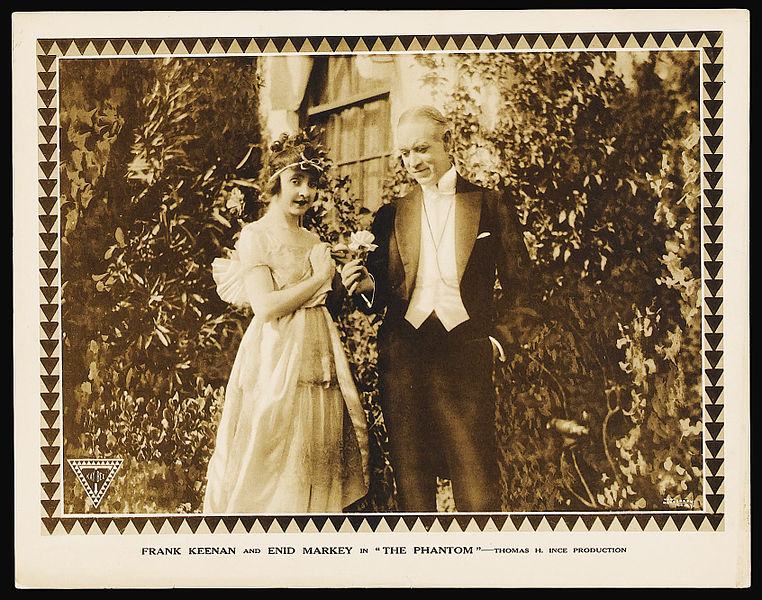
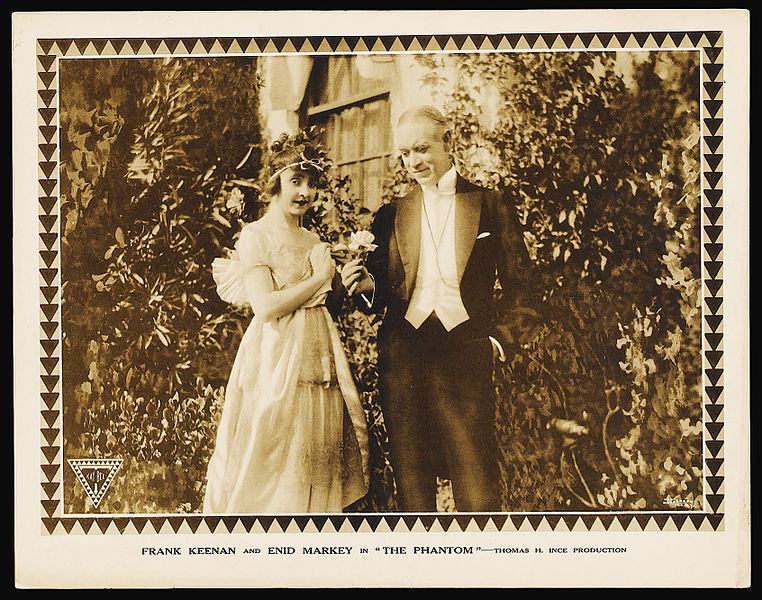
At the heart of this compelling narrative is Farrell, the eponymous 'Phantom,' brought to life with a nuanced intensity that belies the often-over-the-top performances of the era. Frank Keenan, in a role that demands both cunning and charisma, portrays Farrell not merely as a villain, but as a master strategist, a man whose intellect is as sharp as his moral boundaries are fluid. His reputation as one of the world's most adroit jewel thieves precedes him, painting a portrait of a criminal mastermind operating with an almost artistic precision. His latest target, the Bereton necklace, is not just another score; it's a challenge, a testament to his unparalleled skill. Yet, the film masterfully introduces a disruptive element into his meticulously planned universe: human connection. This narrative pivot is crucial, elevating the film beyond a simple heist story. Instead of a straightforward cat-and-mouse game, we are presented with a psychological exploration of a man confronted with the unexpected, forced to re-evaluate his core principles. Keenan's subtle shifts in demeanor, from the confident criminal to the conflicted admirer, are remarkable for their time, demonstrating an understanding of character depth that often went unappreciated in early cinema.
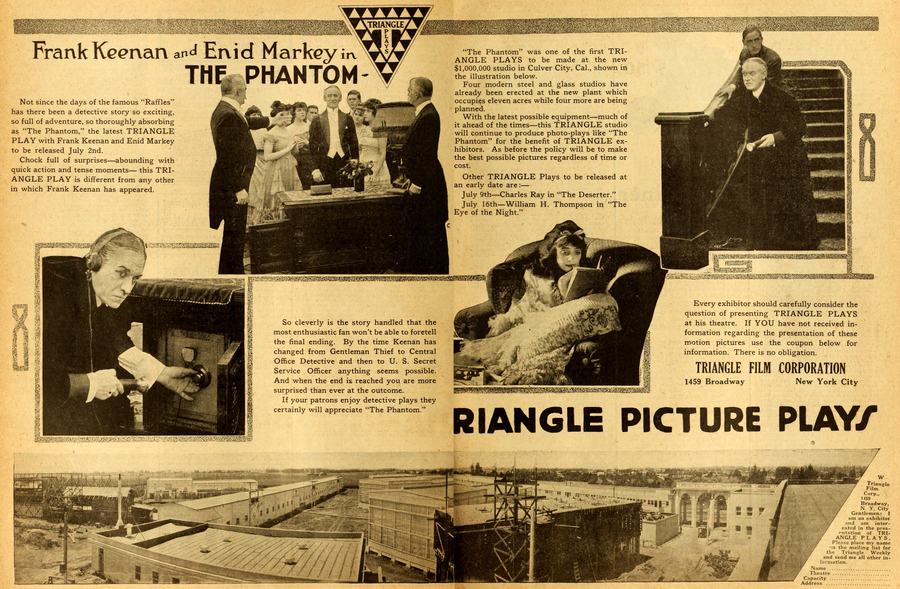
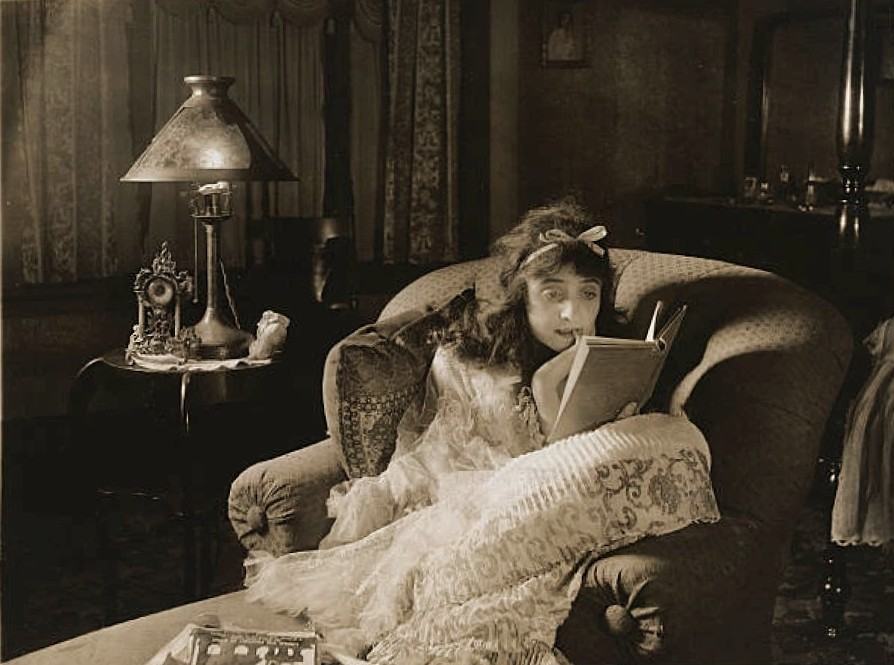
The initial infiltration of the Bereton mansion, disguised as a detective, is a stroke of narrative genius, immediately establishing Farrell's audacious confidence and his penchant for theatricality. This early access is not just a plot device; it's the crucible in which his transformation begins. The chance encounter with the young woman, destined to wear the very necklace he intends to pilfer, serves as the film's emotional fulcrum. Enid Markey, as the Bereton daughter, imbues her character with an innocent grace and winsomeness that proves irresistible even to a hardened criminal. Her beauty and purity are not merely superficial attributes; they represent an ideal, a vision of goodness that stands in stark contrast to Farrell's shadowy existence. This sudden, profound attraction is the catalyst for his moral awakening, prompting him to abandon his meticulously crafted plan. It’s a classic trope, certainly, but executed here with a sincerity that resonates, reminding us that even the most jaded heart can be swayed by genuine affection. The film, in this regard, shares a thematic kinship with later 'gentleman thief' narratives, exploring the idea of a rogue with a code, a criminal whose heart ultimately guides him towards a path of unexpected virtue. The conflict between his professional identity and his burgeoning personal morality creates a compelling internal struggle, making The Phantom a far more nuanced character study than one might initially expect.
The central irony of The Phantom lies in its plot twist: the necklace *is* stolen, but not by the master thief we’ve been following. This ingenious narrative turn elevates Farrell from a would-be culprit to an unwitting hero, forced to uphold the very law he usually flouts. Mr. Bereton, completely unaware of the true identity of his 'detective,' places his trust implicitly in the man who, just hours prior, had intended to relieve him of his most valuable possession. This scenario is ripe with dramatic tension and comedic potential, as Farrell must navigate the delicate balance of maintaining his disguise while genuinely pursuing the true perpetrator. The film cleverly uses this predicament to showcase Farrell's intellectual prowess, transforming his criminal cunning into a force for justice. It’s a fascinating exploration of how skills, regardless of their initial application, can be repurposed for entirely different ends. The suspense builds not just from the search for the thief, but from the constant threat of Farrell's exposure, a Sword of Damocles hanging over his head throughout the investigation.
The true villain emerges in the form of Dr. Ratcliffe, a character whose villainy is rooted not in grand ambition but in the more mundane, yet equally destructive, vice of gambling. His manipulation of Bertie Bereton, the impressionable son of the household, to settle his mounting debts adds a layer of social commentary to the film. It highlights the insidious nature of addiction and the vulnerability of those caught in its snare, a theme that resonates even today. Robert McKim's portrayal of Dr. Ratcliffe is suitably slimy, providing a stark contrast to Farrell's more refined criminality. The dynamic between Bertie and Ratcliffe paints a grim picture of exploitation, making Farrell's intervention feel all the more righteous. The film effectively builds the tension as Farrell, using his keen observational skills honed from years of criminal enterprise, pieces together the truth. This segment of the film transforms into a classic detective story, albeit one with a highly unconventional investigator. The audience is privy to Farrell's internal machinations, his deductive reasoning, making his eventual confrontation with Bertie and exposure of Ratcliffe a satisfying pay-off. The narrative, here, deftly shifts gears, proving its versatility in blending genres, a characteristic that makes it stand out among its contemporaries.
Once Ratcliffe's guilt is established, The Phantom accelerates into a thrilling chase sequence, a hallmark of early action cinema. Farrell's pursuit of the fleeing gambler to the railroad station is executed with a kinetic energy that must have enthralled audiences of the time. This sequence is not just about physical pursuit; it's a race against time, a desperate attempt to recover the stolen valuables before Ratcliffe can make a clean getaway. The assistance of Farrell’s ever-loyal valet adds another dimension to the action, showcasing a master-servant dynamic often seen in these types of adventures, where the valet is not merely a sidekick but an indispensable accomplice. The recovery of the jewels and the forcing of Ratcliffe to relinquish his claims against Bertie are moments of triumph, not just for Farrell, but for the moral order he has, perhaps inadvertently, restored. This successful retrieval of the necklace is a pivotal point, momentarily wrapping up the immediate crisis, yet setting the stage for the true test of Farrell's ingenuity.
The narrative then twists once more with the arrival of the *real* detective and his cohort, complicating matters immensely for our masquerading hero. This sudden escalation of stakes injects a fresh wave of adrenaline into the film. The tension becomes palpable as Farrell, having just performed a heroic deed, finds himself on the brink of exposure and capture. It is Bertie, the very young man he saved from ruin, who provides the crucial warning, a moment of gratitude and reciprocation that underscores the film's subtle exploration of human connection and consequence. The ensuing escape sequence is a masterclass in silent film suspense, a series of 'stirring adventures' that rely on quick thinking, nimble movements, and a dash of luck. These scenes, though perhaps lacking the elaborate special effects of modern cinema, possess a raw, visceral quality, driven by the actors' physical performances and the director's ability to choreograph compelling action. The ingenuity of the escape, the narrow misses, and the ultimate disappearance of Farrell and his valet behind a hedge, only to re-emerge for a long walk back to town, leaves the audience with a sense of exhilaration and admiration for the 'Phantom's' indomitable spirit. It's a conclusion that perfectly encapsulates the film's playful subversion of expectations, allowing its anti-hero to ride off, not into the sunset, but into a quiet, personal triumph.
The Phantom, while an engaging crime caper, delves into several thematic depths. At its core, it’s a story about identity and the fluidity of moral boundaries. Farrell, the master of disguise, literally and figuratively sheds his criminal skin to become a purveyor of justice. This transformation isn't forced; it's a natural evolution spurred by genuine affection, posing questions about whether goodness can truly redeem past transgressions. It subtly argues that actions, driven by a change of heart, can redefine a person, regardless of their history. The film also touches upon class distinctions and societal expectations, particularly through the character of Bertie and the pressures he faces, leading him down a path of debt and complicity. The Bereton family's reliance on a 'detective' (who is actually a thief) also highlights a certain naiveté or perhaps a commentary on the perceived efficacy of authority figures.
Compared to other films of its era, The Phantom stands out for its relatively sophisticated plot and character development. Many contemporary films, such as The Fatal Card or Behind the Mask, also explored themes of crime and deception, but The Phantom injects a compelling romantic arc that gives its protagonist a unique motivation for his change of heart. Unlike the more straightforward criminal narratives, Farrell's internal conflict and eventual redemption provide a richer emotional landscape. The film's ability to blend thrilling action with a poignant romantic subplot and a dash of social commentary makes it a surprisingly modern viewing experience for a silent film. It doesn't just present events; it explores their psychological impact on its characters, inviting the audience to empathize with a man who is both an outlaw and, ultimately, a hero.
The ensemble cast, under the direction of J.G. Hawks (who also penned the screenplay), delivers performances that are both expressive and remarkably restrained for the period. Frank Keenan, as Farrell, carries the film with an understated gravitas, his facial expressions and body language conveying a complex inner world without the need for dialogue. Enid Markey's portrayal of the young woman is luminous, embodying the innocence that captivates Farrell and drives his transformation. Even supporting players like Robert McKim as the villainous Dr. Ratcliffe and P. Dempsey Tabler as the ever-loyal valet contribute significantly to the film's texture. John Gilbert, a name that would later become synonymous with Hollywood stardom, also makes an appearance, showcasing the nascent talent that would soon captivate millions. The direction is efficient, keeping the pace brisk and the narrative clear, a crucial element for silent films where visual clarity is paramount. The use of close-ups to emphasize emotional moments, the dynamic staging of action sequences, and the overall pacing demonstrate a keen understanding of cinematic language, even in its early stages of development. The film’s visual storytelling, relying on strong compositions and clear character motivations, ensures that the audience remains fully immersed in its unfolding drama, a testament to the enduring power of classic filmmaking techniques.
The final moments of the film are particularly poignant. The valet's lighthearted upbraiding of Farrell for not having stolen the jewels himself serves as a delightful coda, a humorous reminder of their criminal past and a contrast to Farrell's newfound contentment. His silent reflection on the beautiful girl and the happiness he has brought her by restoring the necklace is a powerful, wordless statement on the profound satisfaction derived from altruism. It’s a beautifully understated ending that eschews grand pronouncements for a quiet, personal triumph. This reflective conclusion elevates The Phantom from a mere adventure story to a contemplation on the nature of happiness and the unexpected paths to fulfillment. It reminds us that sometimes, the greatest treasures are not those we take, but those we protect, or even restore. The dusty road they walk back on symbolizes a journey not just physically, but morally and spiritually, marking the transformation of a clever crook into a contented, if still unconventional, hero.
In an era often dismissed as primitive, The Phantom emerges as a surprisingly sophisticated and emotionally resonant film. It’s a testament to the enduring power of a well-told story, compelling characters, and a narrative that isn't afraid to challenge conventional morality. For those with an appreciation for the origins of cinema, or simply for a good old-fashioned tale of intrigue and romance, this film offers a delightful and thought-provoking experience. It's more than just a relic; it's a vibrant piece of cinematic history that continues to entertain and provoke reflection, proving that even a century ago, filmmakers were crafting narratives that could truly captivate and move an audience. Highly recommended for lovers of classic cinema and character-driven thrillers.
IMDb —
1925
Community
Log in to comment.