DbcultAccessing Vault...
7.5/10
Senior Film Conservator
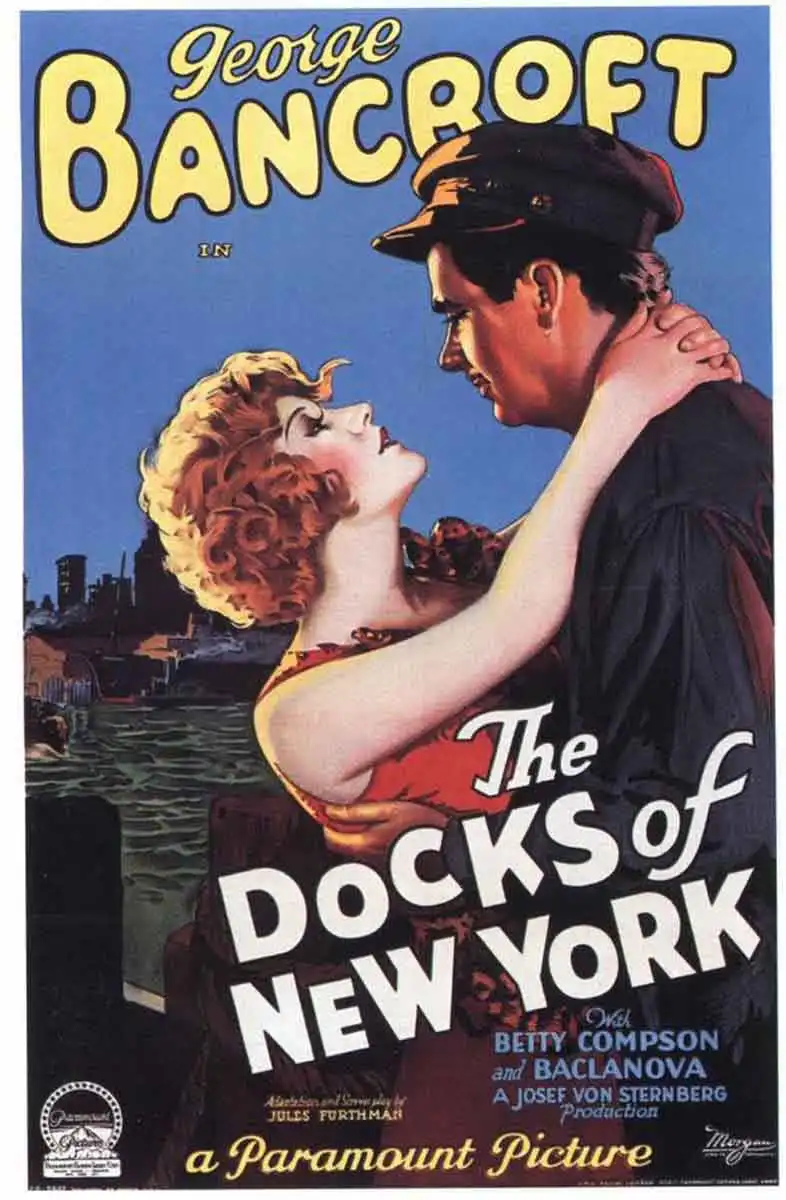
A definitive 7.5/10 rating for a film that redefined the boundaries of cult cinema. The Docks of New York remains a cornerstone of transgressive art.
The Docks of New York is one of those rare silent films that doesn't feel like a museum piece. If you are looking for a starting point for late-silent era cinema, or if you just want to see where the visual language of Film Noir was born, this is essential viewing. It is for anyone who appreciates mood over plot, and for viewers who want to see how much emotion can be packed into a single lighting choice. It will likely bore those who need rapid-fire dialogue or high-concept action; this is a film that moves with the slow, heavy rhythm of a coal ship entering a harbor.
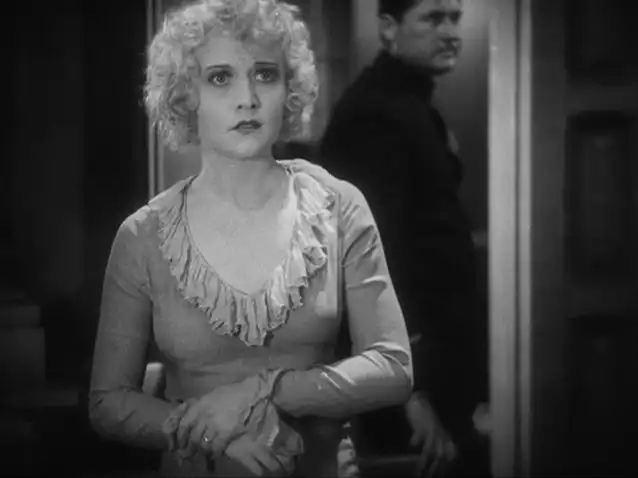
From the opening shots, Josef von Sternberg establishes a world that feels damp and tactile. You can almost smell the salt air, the cheap gin, and the stale tobacco smoke. Unlike many films of the era that relied on flat, bright lighting, Sternberg and cinematographer Harold Rosson use shadows as a physical presence. The fog isn't just a background effect; it’s a character that swallows the actors. There is a specific shot early on where Bill (George Bancroft) is walking through the mist, and the way the light catches the moisture makes the air look thick enough to choke on.
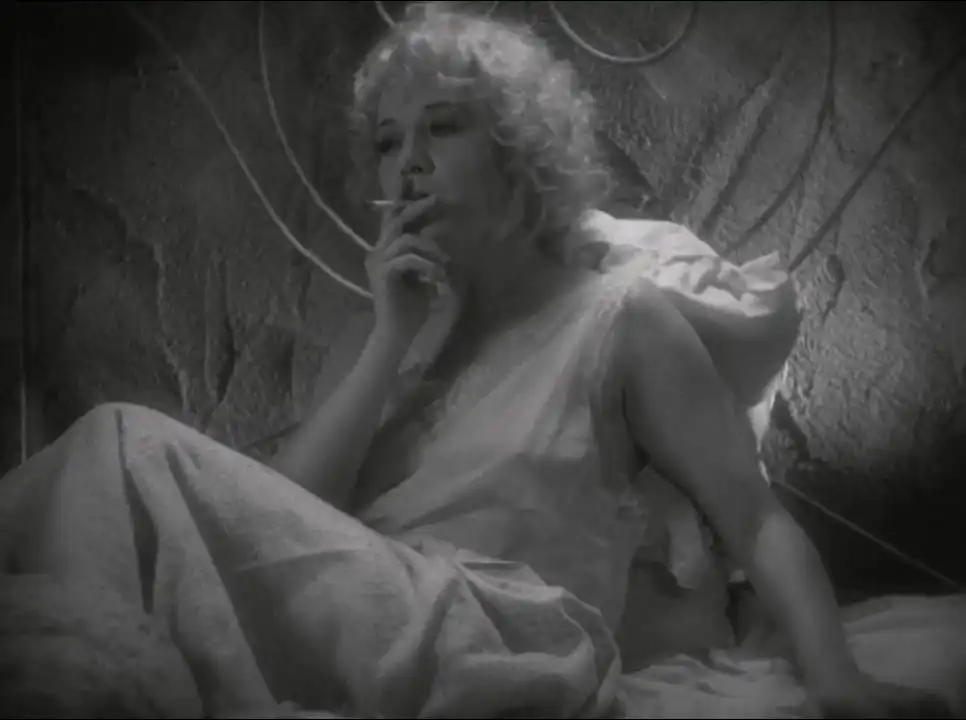
The sets are cluttered and lived-in. In the bar scenes, the background isn't filled with generic extras; you see grizzled men with scarred faces and women who look genuinely exhausted by their surroundings. It’s a level of grit that feels closer to the French realism of Fièvre than the polished Hollywood productions that would follow just a few years later.
George Bancroft is a revelation here. He has a massive physical presence—broad-shouldered, barrel-chested, and covered in the grime of the boiler room. He plays Bill not as a hero, but as a man who is almost purely instinctual. There’s a great moment where he’s eating a meal after saving Mae; he’s shoveling food into his mouth with a primal intensity, yet his eyes keep darting toward her with a flicker of confusion. He doesn't know why he cares, and he’s almost annoyed that he does.
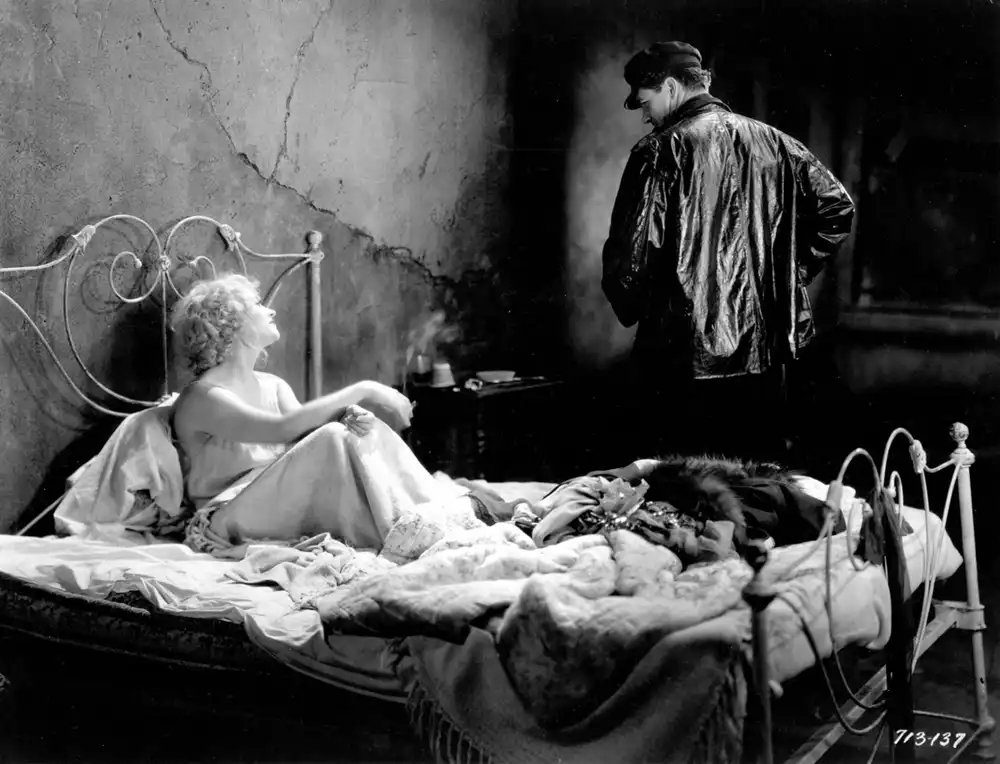
Betty Compson, as Mae, avoids the typical silent-movie trap of overacting her despair. When she wakes up in the room above the bar after her suicide attempt, she doesn't weep or wring her hands. She looks tired. Her hair is a mess, her eyes are sunken, and her movements are heavy. It’s a remarkably modern performance. The chemistry between her and Bancroft works because it isn't based on a 'love at first sight' trope, but on a shared recognition that they are both bottoming out.
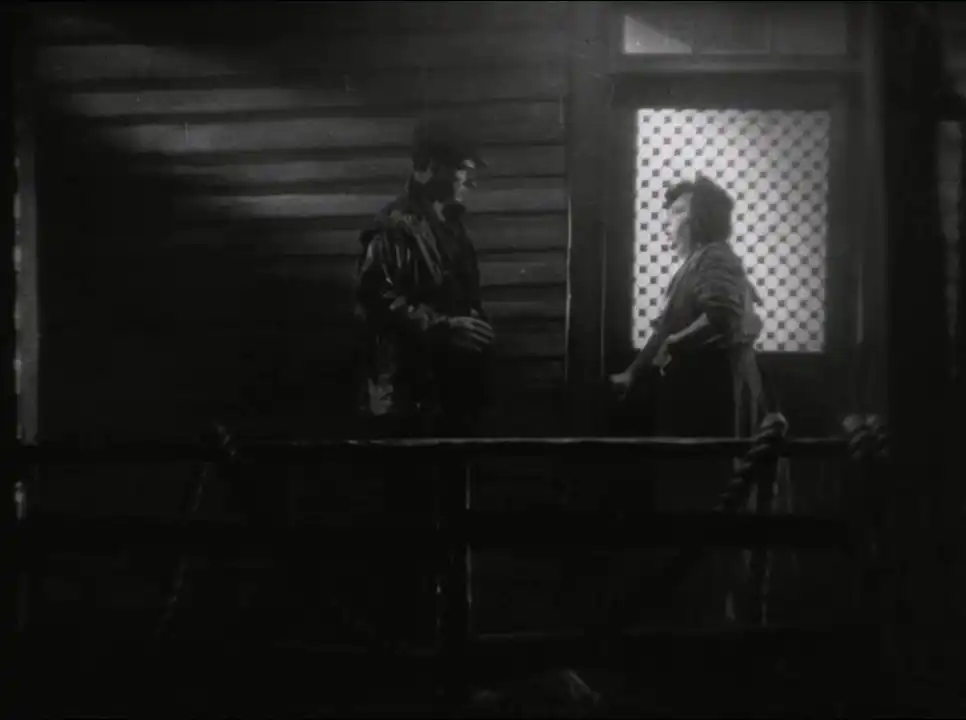
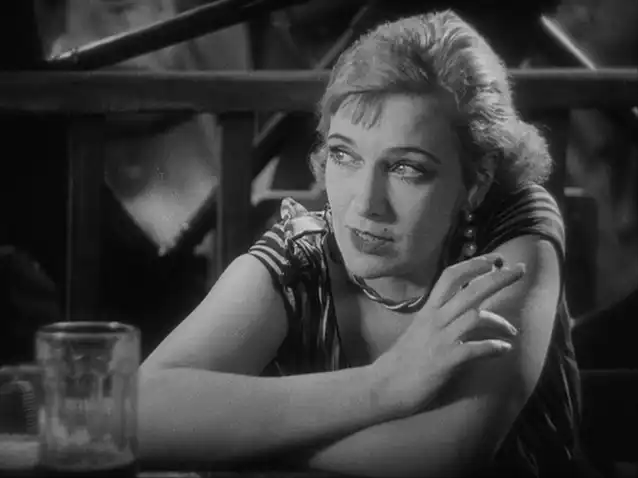
Olga Baclanova also steals her scenes as Lou, the wife of the ship’s third engineer. She brings a sharp, dangerous energy to the screen. The way she watches the main couple from the corner of the bar—clutching her wrap and looking on with a mix of jealousy and knowing cynicism—adds a layer of tension that keeps the middle act from dragging.
The pacing of the film is deliberate. Sternberg takes his time with the 'wedding' scene in the bar. It’s a sequence that could have been played for broad comedy, but instead, it feels strangely sacred and pathetic at the same time. The camera lingers on the faces of the onlookers, catching the way the light hits the bubbles in the beer and the grime on the floor. It’s a slow-burn approach that makes the eventual emotional payoff feel earned rather than forced.
One specific detail that only someone watching closely would catch is the use of hands. Sternberg focuses on Bancroft’s massive, soot-stained hands whenever he interacts with something delicate—whether it’s a stolen dress or the small ring used for the ceremony. This contrast between his physical power and the fragility of his situation tells the story better than any title card ever could.
The Docks of New York is a masterpiece of visual storytelling. It’s a film about two people who have been discarded by society finding a brief, flickering moment of humanity in a place that doesn't want them to have it. It’s gritty, it’s beautiful, and it’s surprisingly unsentimental for a movie made in 1928. If you think silent movies are all about people in top hats running around at double speed, watch this. It will change your mind. It is a haunting, beautifully shot slice of life that still carries a heavy emotional punch today.
IMDb 5.7
1924
Community
Log in to comment.