DbcultAccessing Vault...
Cult Review
Senior Film Conservator
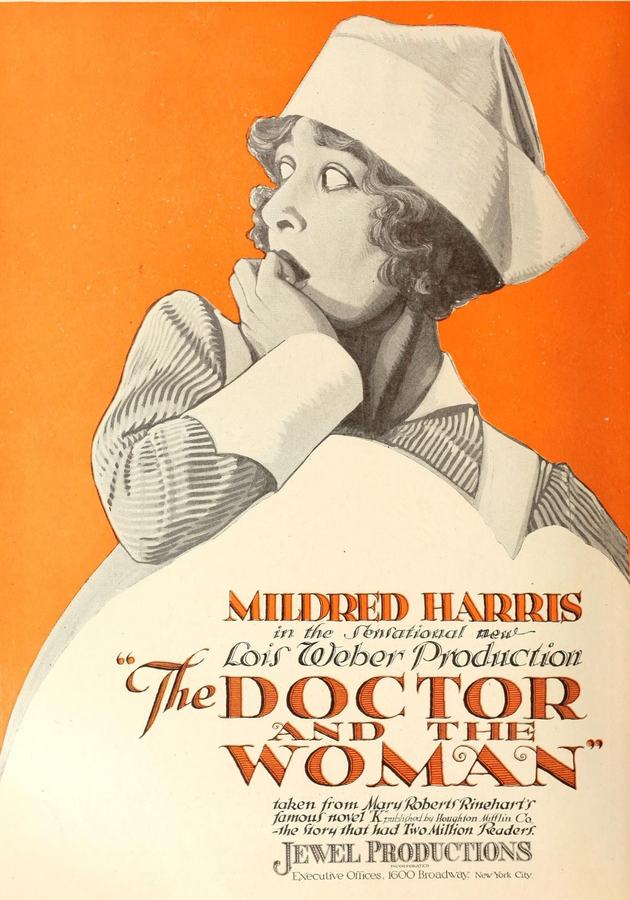
The Enigma of K: A Silent Film's Profound Exploration of Identity and Redemption
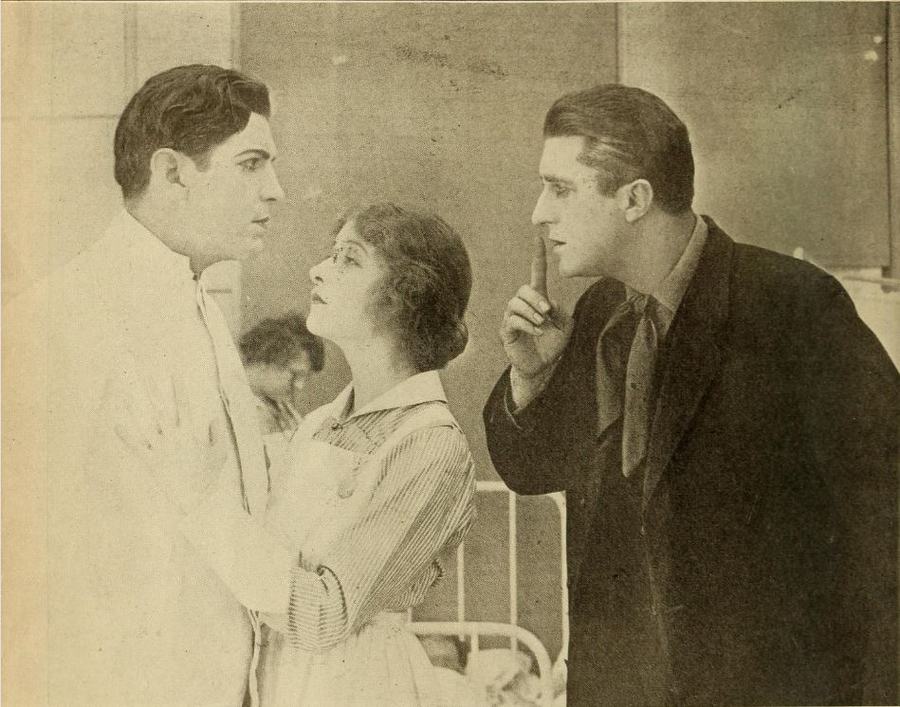
In the annals of early cinema, few films manage to balance psychological depth with narrative suspense as deftly as *The Doctor and the Woman*. Released in 1915, this silent gem, directed by Lois Weber and written by Phillips Smalley, Mary Roberts Rinehart, and the prolific Lois Weber herself, stands as a testament to the era's unbridled creativity. Centered on the enigmatic K (Carl Miller), a man whose arrival in a sleepy town sets off a chain of events that will test the limits of morality, trust, and identity, the film transcends its period constraints to deliver a timeless meditation on the human condition.
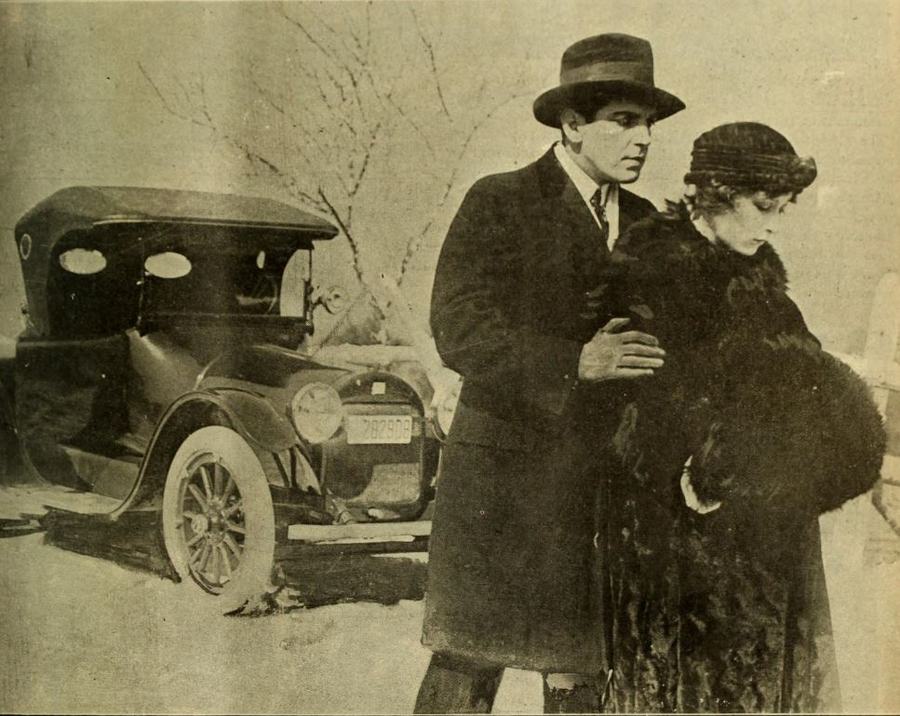
A Delicate Web of Deception and Devotion
K's presence in the town is initially an enigma wrapped in charm. Miller embodies the character with a restrained intensity, his every gesture exuding an unspoken history. The townsfolk, led by Zella Caull's emotionally charged performance as the woman at the center of the love triangle, are captivated by his quiet competence and enigmatic aura. Yet the narrative's true genius lies in its ability to juxtapose K's benevolence with the lurking specter of his past. As the rival's life teeters on the edge of survival, the film pivots from a pastoral idyll to a taut drama of moral reckoning, evoking parallels to *The Love Mask* but with a far grimmer undertone.
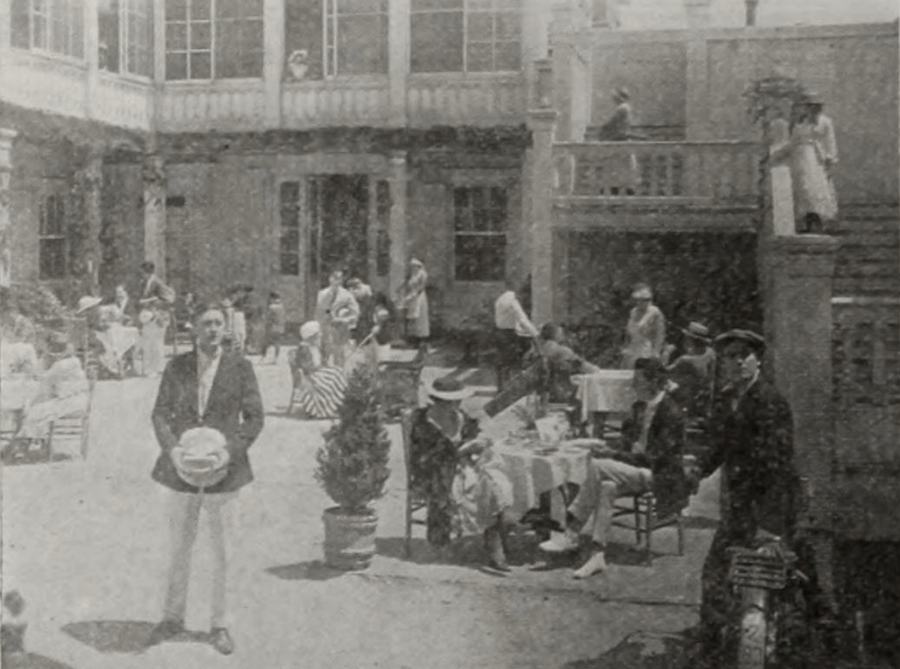
The Art of Unveiling: A Silent Film's Visual Storytelling
Weber's direction is a masterclass in visual rhetoric. She employs stark contrasts in lighting to mirror the duality of K's existence—soft, diffused light in scenes of domesticity clashing with harsh shadows in moments of revelation. The camera lingers on Caull's face, capturing the micro-expressions of a woman grappling with love, betrayal, and the crushing weight of truth. These techniques are not mere flourishes; they are integral to the film's narrative architecture, ensuring that even in the absence of dialogue, the emotional stakes are palpable.
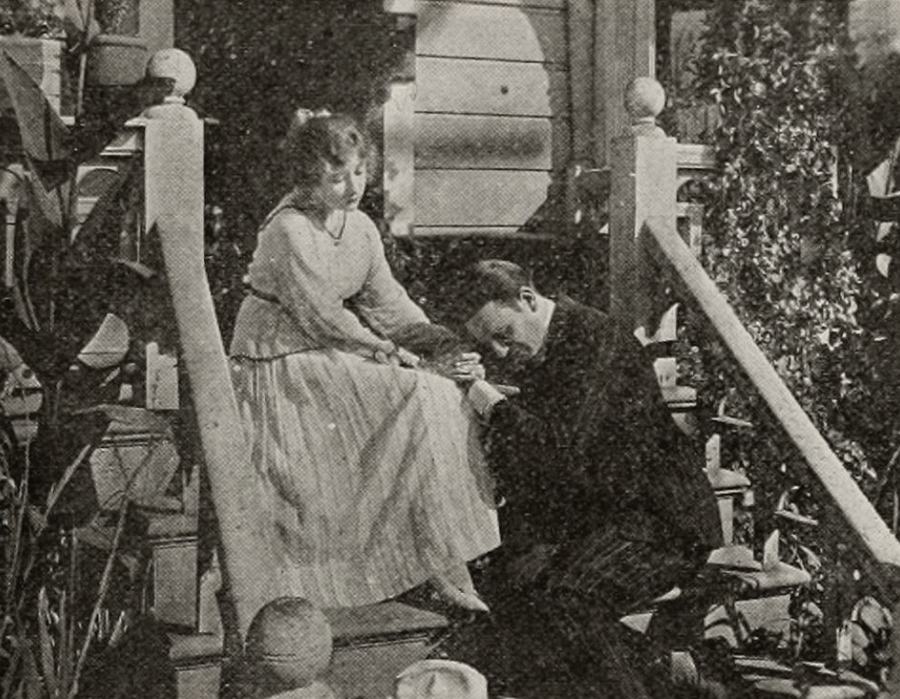
Comparative Shadows: Where Does *The Doctor and the Woman* Stand?
While the film shares thematic DNA with works like *La piccola fonte* and *The Field of Honor*, its distinctiveness lies in its unflinching exploration of ethical compromise. Unlike *The Courage of the Common Place*, which romanticizes resilience, *The Doctor and the Woman* presents a morally complex protagonist who cannot be easily categorized. The film's influence can also be seen in later works such as *The Reed Case*, though Weber's originality in using silence to amplify tension remains unparalleled.
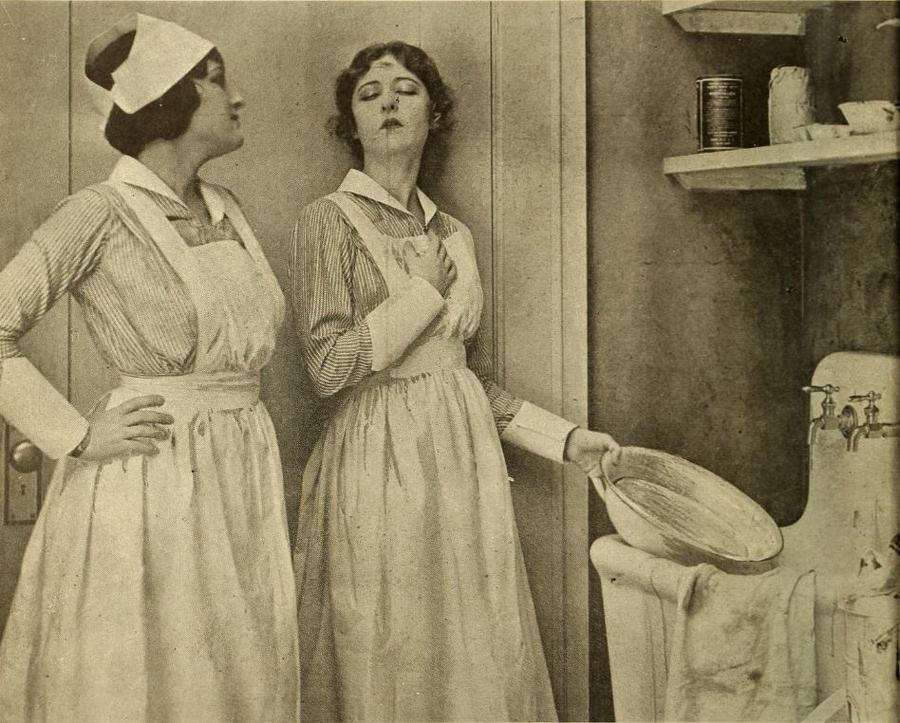
Performances That Transcend Time
Carl Miller's portrayal of K is a study in restraint, his subtle shifts in posture and gaze conveying volumes about a man perpetually on the brink of exposure. Zella Caull, meanwhile, brings a visceral sincerity to her role, her performance anchoring the film's emotional core. Supporting actors like Alan Roscoe and Mildred Harris add layers of nuance, their interactions with K revealing the societal pressures that shape his choices. This ensemble elevates the film beyond mere melodrama, investing it with a timeless resonance.
The Enduring Relevance of *The Doctor and the Woman*
Modern audiences may initially approach this film with skepticism, wary of its silent format. However, those who do will find themselves immersed in a narrative that feels strikingly contemporary. The questions it raises—about the cost of redemption, the fragility of trust, and the masks we wear—remain as pertinent today as they were a century ago. It is a film that rewards patience, its slow-burn pacing allowing the audience to inhabit the characters' inner worlds.
A Final Verdict: A Hidden Treasure of Early Cinema
In conclusion, *The Doctor and the Woman* is more than a relic of its time; it is a bold, unflinching exploration of human complexity. Its legacy is cemented not only by its narrative sophistication but also by its technical daring. For those seeking to understand the roots of psychological cinema, this film is an essential watch. Its comparison to *The Love Trail* and *The Crimson Dove* is inevitable, but it is the film's unique fusion of suspense and introspection that sets it apart. In an age where cinema often prioritizes spectacle over substance, *The Doctor and the Woman* stands as a reminder of the medium's capacity for quiet, profound storytelling.
IMDb —
1926
Community
Log in to comment.