DbcultAccessing Vault...
Cult Review
Senior Film Conservator
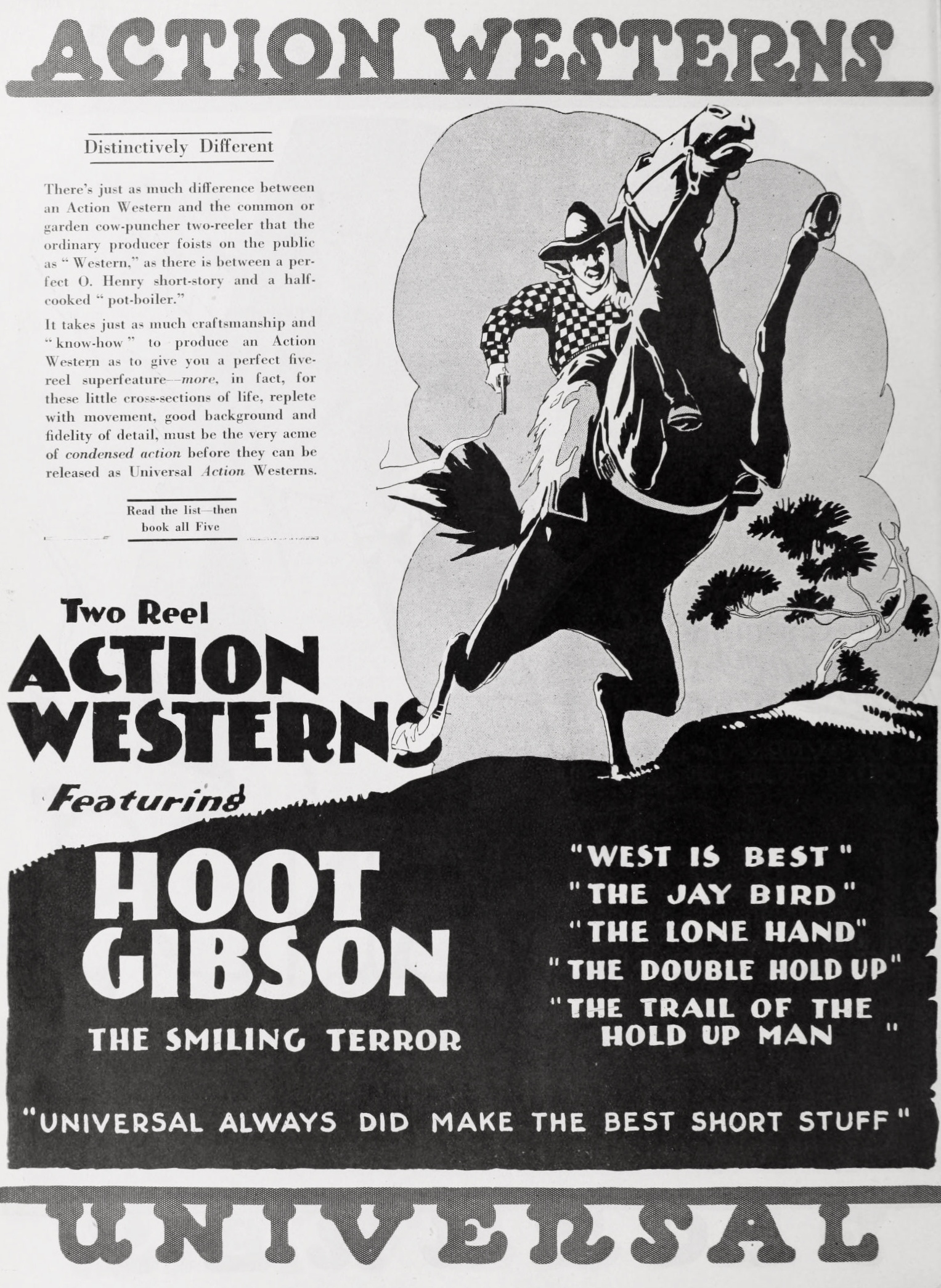
Stepping back into the nascent days of cinematic storytelling, one encounters a fascinating tapestry of ambition, innovation, and raw narrative power. Among these early gems, The Double Hold-Up, a 1915 production, emerges as a surprisingly sophisticated piece, particularly for its era. It's a film that, despite the technological limitations of its time, manages to weave a compelling tale of subterfuge and justice in the rugged American West. Directed with a keen eye for tension and character, it stands as a testament to the foundational principles of cinematic drama, proving that a strong plot and compelling performances can transcend the spoken word.
The premise, at its core, is elegantly simple yet rich with potential: a hero, driven by an unwavering moral compass, infiltrates a notorious gang by assuming the identity of a mysterious, almost mythical 'spook' bandit. This isn't merely a superficial disguise; it's an elaborate theatrical performance, demanding conviction, cunning, and an acute understanding of the criminal psyche. The narrative unfolds not with bombastic pronouncements, but through the evocative power of visual storytelling – a series of glances, gestures, and meticulously framed actions that speak volumes without uttering a single syllable. This silent eloquence is where the film truly shines, inviting the audience to actively participate in deciphering its intricate emotional and strategic layers.
Arthur Henry Gooden and Elizabeth Logan, the credited writers, crafted a narrative that, while adhering to the Western genre's conventions, injects a refreshing dose of psychological intrigue. The hero's journey into the heart of darkness is fraught with peril. Each interaction with the unsuspecting outlaws is a high-stakes gamble, a subtle negotiation of trust and deceit. The film masterfully builds suspense not through overt threats, but through the constant threat of exposure. One false move, one flicker of genuine identity, and the entire elaborate scheme could unravel, leading to catastrophic consequences. This sustained tension, a hallmark of effective thrillers, is achieved through brisk pacing and economical scene construction, ensuring that every frame contributes meaningfully to the unfolding drama.
Unlike the sprawling romanticism often found in contemporary works like A Yankee Princess, which might prioritize grand gestures and lavish settings, The Double Hold-Up opts for a more focused, almost claustrophobic intensity. The world it presents is harsh and unforgiving, mirroring the moral ambiguity the hero must navigate. The 'spook' persona itself is a brilliant narrative device, lending an air of mystique and fear that the hero expertly exploits. It's a testament to the script's ingenuity that it manages to imbue a seemingly straightforward plot with such layers of psychological depth, even within the confines of early cinema's expressive capabilities.
The success of any silent film hinges almost entirely on the expressive capabilities of its cast, and The Double Hold-Up is fortunate to feature a talented ensemble. Charles Brinley, as our intrepid hero, delivers a nuanced performance that is both commanding and subtly vulnerable. His portrayal of the 'spook' bandit is particularly noteworthy; he embodies the menacing aura required, yet allows glimpses of his true, righteous self to peek through, creating a compelling internal conflict that resonates deeply with the viewer. It's a delicate balance, one that Brinley executes with remarkable precision, conveying a complex emotional landscape through his physicality and facial expressions.
Josephine Hill, though her role might be more conventional for the period, brings a vital emotional anchor to the narrative. Her reactions, often silent and understated, provide a crucial human element amidst the machinations of the plot. Robert Walker and Clark Comstock, as members of the bandit gang, contribute significantly to the film's gritty realism. They portray their characters not as mere caricatures, but as individuals with discernible motives and a palpable sense of menace, elevating the stakes for Brinley's character. Their presence grounds the fantastical element of the 'spook' bandit in a believable criminal underworld.
And then there's Hoot Gibson. Even in these early roles, Gibson's burgeoning charisma is undeniable. His naturalistic style, a precursor to his later stardom, adds an authentic cowboy grit that complements the more theatrical performances. While perhaps not as central to the initial deception, his presence contributes to the film's overall credibility as a Western. Madge Hunt and Harry Schumm round out the supporting cast, each contributing to the rich tapestry of characters that populate this frontier tale. Their collective efforts ensure that the film, despite its lack of dialogue, never feels emotionally inert, a challenge that many silent films struggled to overcome. The distinct personalities, conveyed through exaggerated yet effective gestures and expressions, create a dynamic ensemble that keeps the audience invested.
The Double Hold-Up delves into universal themes of justice, identity, and the fine line between order and chaos. The hero's willingness to descend into the criminal underworld to bring about its downfall speaks to a profound sense of duty, a moral imperative that transcends personal risk. This thematic exploration sets it apart from simpler narratives of good versus evil, hinting at a more complex understanding of heroism. The film suggests that true courage sometimes requires embracing a temporary darkness to illuminate the path to righteousness, a nuanced perspective that resonates even today.
In an era when cinema was still finding its voice, films like The Double Hold-Up were instrumental in defining genre conventions and pushing the boundaries of what was possible. It demonstrates an early understanding of narrative structure, character development, and the power of visual metaphor. One might draw parallels to the adventurous spirit of The Dawn Maker, another film from a similar period that also explores the rugged individualism of the frontier, though through a different lens of survival and adaptation. While not as overtly grand or epic as something like The Diamond from the Sky, its concentrated focus on a single, intricate plot makes it remarkably effective.
The portrayal of the 'spook' bandit, a figure of terror and mystery, also touches upon a primal fear of the unknown, a common thread in human storytelling. This psychological dimension adds considerable weight to the film, elevating it beyond a mere action-adventure. It's a film that understands the power of suggestion, allowing the audience's imagination to fill in the gaps, making the 'spook' even more formidable. This minimalist approach to characterization, paradoxically, makes the character more impactful, much like the enigmatic figures found in certain European narratives of the time, such as Der Lumpenbaron, which also explored societal outsiders and their complex roles.
Technically, the film exhibits a commendable level of craftsmanship for its time. The cinematography, while basic by modern standards, effectively captures the vast, desolate landscapes of the West, using them not just as a backdrop but as an integral character in the drama. The stark contrasts of light and shadow are employed to great effect, enhancing the mood of secrecy and danger that permeates the narrative. The editing, too, is surprisingly sophisticated, maintaining a brisk pace that propels the story forward without sacrificing clarity. This is crucial in silent cinema, where the rhythm of cuts and scene transitions dictates the audience's emotional journey.
Comparing its narrative tightness, one might consider how its focused scope contrasts with the more sprawling, episodic structures of some other films of the era. For instance, while a film like The Knife might explore a more direct confrontation, The Double Hold-Up relies on a slow-burn strategy, building towards a climactic revelation. This patient unraveling of the plot is a testament to the filmmakers' confidence in their story and their audience's engagement. Even in the international sphere, where films like Ikeru Shikabane or Kak oni lgut were exploring different cultural narratives, the universal appeal of a hero's quest for justice remained a powerful draw.
The film's resolution, when the hero finally unmasks himself and brings the band to justice, is immensely satisfying. It’s a moment of triumphant clarity after prolonged tension, a catharsis earned through the hero's arduous deception. This dramatic payoff solidifies the film's place as a well-executed example of early genre filmmaking. It’s a narrative arc that, despite its age, remains potent and effective, proving that fundamental storytelling principles endure across generations and technological advancements. The simplicity of its presentation belies a sophisticated understanding of how to engage an audience, building anticipation and delivering a powerful conclusion without the aid of dialogue or complex special effects.
For modern viewers, The Double Hold-Up offers more than just historical curiosity; it’s a valuable lesson in the enduring power of concise, visual storytelling. It reminds us that spectacle isn't always necessary for impact, and that a well-conceived plot executed by committed performers can captivate audiences regardless of the technological era. This film, alongside others like An Odyssey of the North, helps contextualize the burgeoning art form of cinema in the early 20th century, showcasing the diverse narratives being explored.
It’s a foundational piece that demonstrates the Western genre's versatility, proving it could accommodate not just straightforward shootouts but also intricate tales of psychological warfare and moral fortitude. The film's influence, though perhaps not overtly celebrated in mainstream cinema history, undoubtedly contributed to the evolution of the Western and crime genres. It’s a silent whisper from the past, echoing the timeless appeal of a hero’s journey against overwhelming odds. One can see rudimentary elements that would later be refined in more complex character studies, even those in starkly different genres, such as the social commentaries found in films like Woman, Woman! or The Follies Girl.
Moreover, the film serves as a compelling artifact for understanding the social and cultural anxieties of its time. The 'spook' bandit embodies the fear of the unknown, the lawlessness that threatened nascent communities, and the longing for order. The hero's triumph, therefore, is not just personal but symbolic, representing the victory of civilization over savagery. This underlying current of social commentary, however subtle, adds another layer of appreciation for the film's thoughtful construction. It's a snapshot of a particular moment in American history, reflected through the lens of popular entertainment, much like how Khleb or Nattens barn offered glimpses into their respective societies.
In an age dominated by CGI and rapid-fire dialogue, returning to a film like The Double Hold-Up is a remarkably refreshing experience. It forces the viewer to engage differently, to pay closer attention to visual cues, to interpret emotions from subtle gestures, and to appreciate the artistry of silent acting. It’s a reminder that compelling cinema doesn't require sound or color to resonate; it simply requires a good story, well told. The film, in its quiet determination, holds its own even against more elaborate productions of its time, such as The Scarlet Crystal or Cecilia of the Pink Roses, by focusing on a core dramatic principle: the hero's journey through deception to ultimate justice.
The enduring appeal of The Double Hold-Up lies in its timeless narrative and its surprisingly sophisticated execution. It's a film that, despite its antiquity, still manages to thrill, to intrigue, and to remind us of the fundamental elements that make storytelling so powerful. It serves as an excellent entry point for those curious about early American cinema and a solid example of how the Western genre began to diversify its narrative palette beyond simple morality plays. It’s certainly more focused and less concerned with social pageantry than something like The Marriage Market, instead digging into the gritty realism and psychological tension of its premise. This is a film that deserves to be rediscovered, appreciated for its historical significance, and enjoyed for its sheer narrative prowess. A true silent classic, whispering tales of cunning and courage across the decades.
IMDb —
1936
Community
Log in to comment.