DbcultAccessing Vault...
Cult Review
Senior Film Conservator
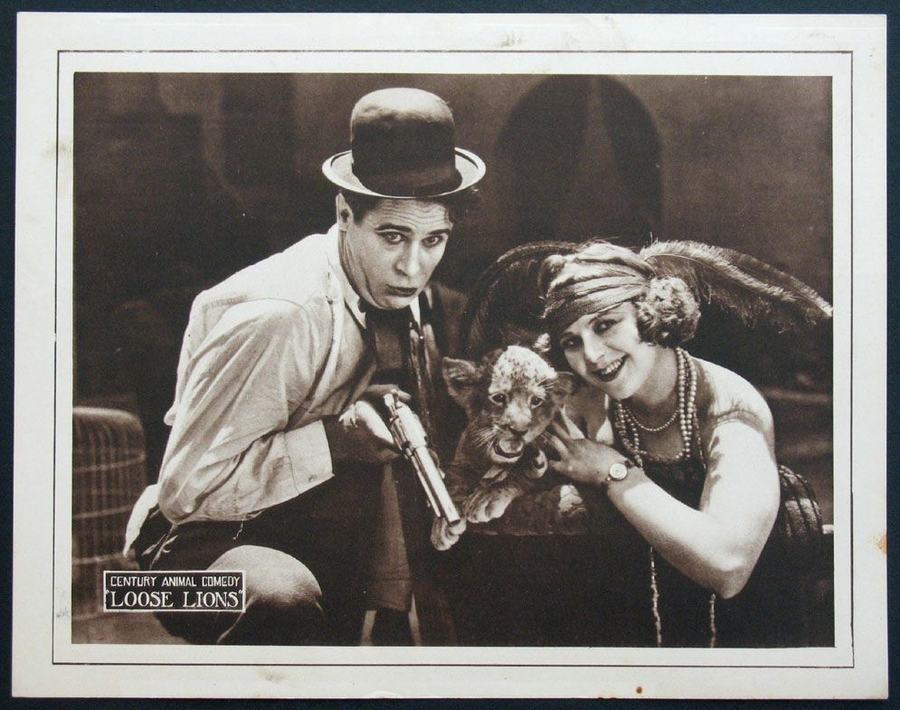
William Watson’s Loose Lions is less a narrative than a nocturnal infection: once seen, the image of apex predators padding past drugstore marquees rewires your synapses until every after-dark siren sounds like a growl. Shot on shoestring sets flanked by authentic Newark backlots, the picture leaks grime the way later urban noirs leak rain; its very frugality becomes aesthetic ideology—cracked asphalt, flaking playbills, and sodium streetlamps smeared into butterscotch halos by primitive lenses.
Compare it to The House of Mirth’s velvet-cloaked ostentation or Broadway Bill’s racetrack optimism and you’ll spot the inversion: Watson trades champagne fizz for alley-cat scavenge, yet retains the same preoccupation with societal castoffs. When Anderson’s magician kneels to lap water from a broken hydrant, the gesture rhymes with Gloria Swanson’s lily-scented decline—both are rituals of the dispossessed, one perfumed, one putrid.
Anderson, primarily a vaudevillian, embodies flop-sweat authenticity; his trembling fingers fail to palm the ace, and that failure is the film’s emotional nucleus. Meanwhile Dixie Lamont—an actual cabaret survivor whose career flat-lined when Variety radio evaporated club revenues—delivers a husky lament that predates Marlene Dietrich’s Blue Angel sorrow by a calendar year. The camera savors her cheekbones, powdered chalk-white yet glistening with a single tear track that looks like a snail trail across marble.
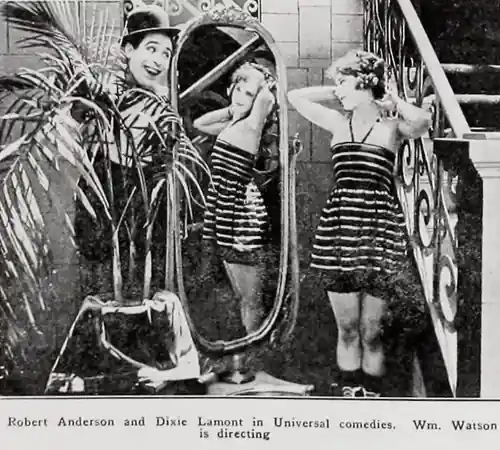
The lions themselves—The Century Lions, billed but never tamed—function as living metaphors for the id unchained, yet Watson refuses anthropomorphic cuteness. He lets them yawn, revealing canines the size of croquet mallets, and the soundtrack (a patchwork of library growls, distant horns, and Lamont’s cracked gramophone) swells until viewers feel the vibration in their molars.
Censors later would have demanded the erasure of the bedroom sequence where Anderson and Lamont share a Murphy bed, paws scratching the partition while the cats prowl outside. The erotic tension is palpable—two scarred show-people clinging like shipwrecked mariners, knowing dawn may bring eviction or worse. A single cutaway to lion eyes glowing in hallway darkness substitutes for any nudity, yet the moment feels more lascivious than post-Code kisses framed in soft focus.
Cinematographer Paul Bara (pulling double duty as the diegetic photographer) employs under-cranked newsreel stock for chase passages, smears petroleum jelly on the lens for halation, and tilts the horizon until Manhattan skyscrapers loom like cracked incisors. The result anticipates Italian neo-realism by a decade—location grit, non-actors, fauna as social comment. Compare this to Hello, Mars’s gleaming futurism and you’ll see how the decade’s polar aesthetics co-existed: rocket-ship chrome vs. gutter-puddle chrome.
Though marketed as a talkie, large swaths remain dialogue-free, relying instead on aural collage: El-train clatter, Salvation Army brass, feline snarls reverbed through empty warehouses. The absence of orchestral swoon intensifies verisimilitude; when Lamont finally sings, her voice emerges raw, bereft of strings, cracking on the high note like Billie Holiday minus the band.
The Adventures of Kathlyn flirted with animal peril yet remained escapade fantasy; Breed of Men masculinized survivalist tropes; Little Speck in Garnered Fruit allegorized innocence amid rot. Loose Lions synthesizes all three—predator, man, and innocence—into one soot-black poem, then refuses catharsis. Its final frame freezes on Anderson’s silhouette dissolving into steam, implying escape yet hinting at inevitable recapture.
Contemporary cinema lionizes digital cats; witness the CG pride in Disney’s safari remakes. Watson’s beasts—flesh, breath, and hunger—remind us that spectacle once carried the possibility of real danger, that the screen could smell of sawdust and urine, that audiences gasped not at pixels but at muscle and claw. In an age where every frame is sterilized, polished, algorithmically color-corrected, Loose Lions offers the gift of imperfection: gate-wobbles, boom shadows, even a paw-scratch on the lens become hieroglyphs of authenticity.
Only one 35mm nitrate print survives, languishing in a Missouri vault; MoMA’s preservation fundraiser inches forward, slowed by rights limbo. Bootlegs circulate among cine-clubs—8th-gen VHS dubs that smear shadows into inkblots—yet even through the murk the film’s pulse pounds. Criterion rumor-mongers hint at a 4K scan if licensing resolves; until then, hunt revival houses during silent-film festivals where accompanists improvise jazz-noir riffs to match its feral heartbeat.
Loose Lions is neither perfect nor polite; its pacing lurches like a wounded carnivore, its dialogue interludes clunk with improvised filler. Yet these scars are inseparable from its power. Watson has bottled the moment when cinema’s adolescence flirted with anarchy, when MGM’s gloss seemed a continent away from poverty-row brickbacks, when beasts and beggars could claim the boulevard at 3 a.m. and Hollywood’s dream factory felt more like insomnia. Watch it for the lions, stay for the bruised lullabies, leave shaken by the notion that freedom—whether feline or human—may be the most expensive illusion in any entertainer’s repertoire.
IMDb —
1927
Community
Log in to comment.