DbcultAccessing Vault...
Cult Review
Senior Film Conservator
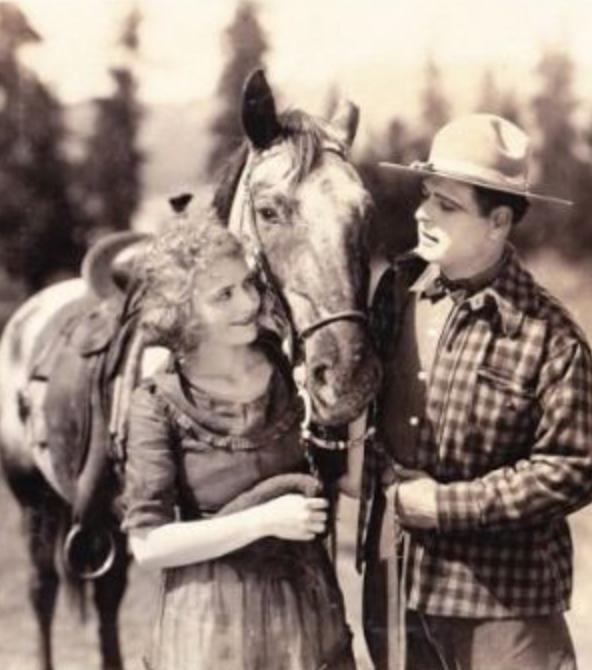
The celluloid landscape of 1921 served as a primordial soup for the American Western, a genre still finding its legs before the monolithic shadows of Ford and Wayne would eventually define its contours. In the midst of this experimental era, The Double O emerges not merely as a relic of silent cinema, but as a fascinating case study in the physicality of storytelling. Directed by Roy Clements, the film operates on a frequency of raw, unadorned kinetic energy that modern blockbusters often struggle to replicate despite their bloated budgets.
At the epicenter of this dust-caked drama is Jack Hoxie, a performer whose transition from the rodeo circuit to the silver screen brought a level of verisimilitude that was rare for the time. Unlike the more polished, almost operatic performances found in contemporary dramas like The Day She Paid, Hoxie’s portrayal of Happy Hanes is grounded in a muscular, taciturn grace. He doesn't just play a ranch hand; he occupies the space with the weary authority of a man who has spent more time in a saddle than in a parlor. His interactions with the environment—the way he handles a lariat or mounts a horse—provide a tactile richness that compensates for the lack of synchronized dialogue.
Hoxie’s Happy Hanes is the quintessential 'silent protector,' a trope that would become a cornerstone of the genre. However, in 1921, there was still a flexibility to this archetype. Hanes isn't invincible; he is a man of the soil whose primary weapon is his unwavering loyalty to the 'Double O' brand. This loyalty is tested when the ranch undergoes a change in leadership, bringing the urban elegance of Frances Powell (played with a surprising degree of grit by Evelyn Nelson) into direct conflict with the entrenched corruption of the existing foreman.
The film’s tension is catalyzed by the foreman’s refusal to cede power, a classic struggle between the old guard and the new heir. This conflict is amplified by the introduction of Steve Clemente as Cholo. Clemente, a real-life knife-throwing expert, brings a lethal, calculating presence to the screen. The dynamic between the foreman and his 'half-breed' accomplice—a term that reflects the unfortunate racial taxonomies of the era’s storytelling—creates a multi-layered threat. While the foreman represents the institutional rot of the ranch, Cholo represents the wild, unpredictable danger of the frontier.
Comparing this villainous duo to the more domestic antagonists in Jealousy (1916) highlights the shift toward externalized, physical conflict in Westerns. The stakes in The Double O are not merely emotional; they are existential. When the duo kidnaps Frances Powell, the film shifts gears into a high-stakes chase sequence that showcases Clements’ ability to utilize the natural landscape as a character in its own right. The jagged rocks and sprawling plains aren't just backdrops; they are obstacles that dictate the rhythm of the film’s second act.
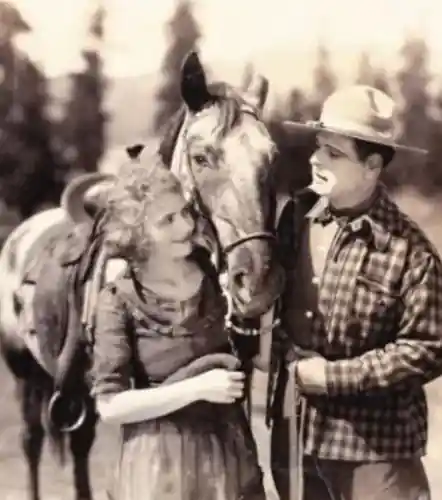
Roy Clements, though not often mentioned in the same breath as the masters of the silent era, demonstrates a keen eye for spatial relationships. In an age where many films were still stage-bound, The Double O feels remarkably liberated. There is a sense of depth in his wide shots that mirrors the psychological expanse of the characters' ambitions. One can see echoes of this visual ambition in other works of the period, such as Pinto, which also grappled with the ruggedness of the Western identity.
The kidnapping sequence is particularly noteworthy for its editing. While it lacks the sophisticated montage techniques that would later emerge from the Soviet school, there is a primitive, effective cross-cutting that builds genuine suspense. We see Frances’s terror, the villains’ desperate flight, and Hanes’s relentless pursuit. This tripartite structure keeps the momentum from flagging, a feat that even more prestigious films like Hintertreppe occasionally struggle with due to their more deliberate, expressionistic pacing.
To view The Double O through a modern lens requires an acknowledgment of its historical context. The film arrived at a time when the American public was increasingly nostalgic for a frontier that was rapidly disappearing. The characters represent idealized versions of Western virtues and vices. Happy Hanes is the industrious laborer, Frances Powell is the civilizing influence of the East, and the foreman is the opportunistic parasite. This moral clarity offered a comforting contrast to the post-war disillusionment found in European cinema of the same year, such as Der Märtyrer seines Herzens.
Furthermore, the film’s treatment of Frances Powell is an interesting departure from the 'damsel in distress' trope. While she is kidnapped, Evelyn Nelson imbues the character with a sense of agency and resilience that was becoming more common in the 'New Woman' era of the 1920s. She isn't just a prize to be won; she is a property owner defending her livelihood. This subtle shift in power dynamics can be compared to the themes of female independence explored in Betty and the Buccaneers, though framed here within the harsh realities of the range.
The cinematography of The Double O relies heavily on natural lighting, which gives the film a gritty, documentary-like quality during the outdoor scenes. The interplay of shadow and light during the chase through the canyons adds a layer of visual drama that compensates for the lack of a complex musical score (though modern restorations often provide evocative accompaniment). The film’s pacing is surprisingly brisk, avoiding the melodramatic padding that often plagued contemporary shorts like The Suburban Vicar or Reporter Jimmie Intervenes.
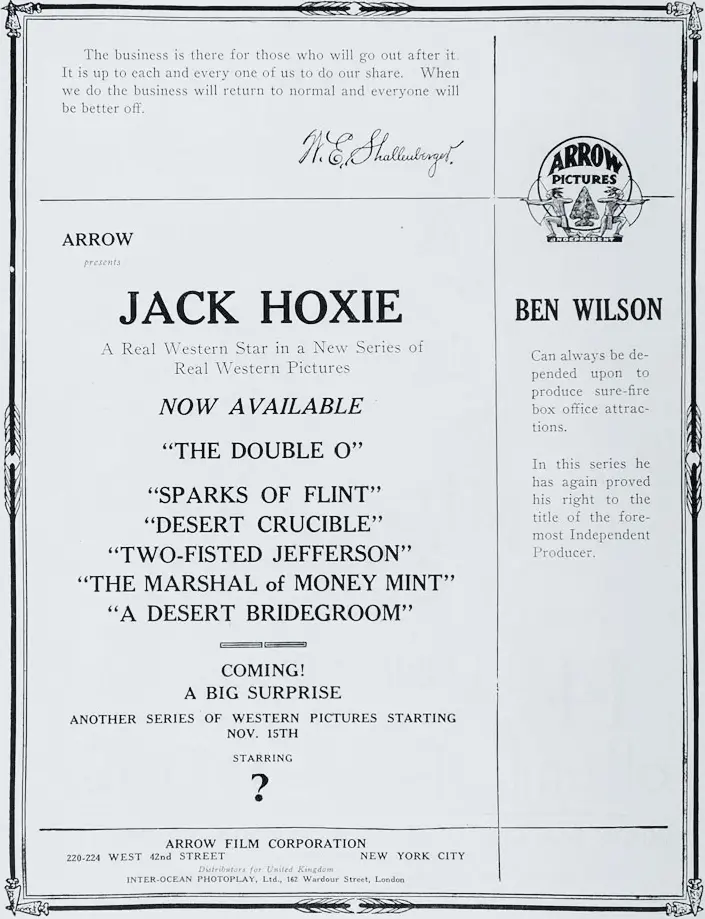
The writing by Roy Clements is economical. In a silent film, the intertitles must do heavy lifting without interrupting the visual flow. In The Double O, the dialogue is sparse and punchy, allowing the actors’ expressions and the stunt work to carry the narrative burden. This 'show, don’t tell' philosophy is what makes the film still watchable over a century later. It shares a certain narrative honesty with other animal-centric or labor-focused films of the era, such as Your Obedient Servant, which prioritized the bond between man and beast/environment over convoluted plot twists.
The final confrontation is where The Double O truly shines. The choreography of the fight scenes is surprisingly sophisticated, utilizing the geography of the ranch to create a sense of three-dimensional combat. Hoxie’s physicality is on full display here; he moves with a predatory efficiency that makes the foreman’s eventual defeat feel both earned and inevitable. The resolution of the kidnapping plot isn't just a victory for Hanes, but a restoration of order for the Double O ranch itself.
This restoration of order is a recurring theme in silent Westerns, serving as a cinematic ritual of justice. Whether it’s the harsh arctic justice of A Tale of the Far North or the local law enforcement drama of The Sheriff's Oath, the genre functioned as a moral compass for a society in transition. The Double O sits comfortably within this tradition, offering a visceral, satisfying experience that highlights the enduring power of the cowboy mythos.
In the grand tapestry of 1920s cinema, The Double O may not have the intellectual weight of Il giardino incantato or the whimsical charm of Sunshine and Gold, but it possesses an undeniable, rugged charisma. It is a film that understands its purpose: to provide a thrilling, visually engaging escape into a world where right and wrong are as clear as the horizon. Jack Hoxie’s performance remains a high-water mark for the early Western hero, providing a template that would be followed by generations of screen cowboys.
For those interested in the evolution of the genre, The Double O is essential viewing. It bridges the gap between the simplistic shorts of the 1910s and the epic features of the late silent era. It reminds us that before the Western became a myth, it was a story about work, land, and the grit required to keep both. It’s a lean, mean piece of filmmaking that deserves its place in the annals of silent history, standing tall alongside other character-driven pieces like Idols or the more playful Boys Will Be Boys. If you can find a print of this 1921 gem, do not hesitate; the dust of the Double O still has the power to thrill.
IMDb —
1921
Community
Log in to comment.