DbcultAccessing Vault...
6.8/10
Senior Film Conservator
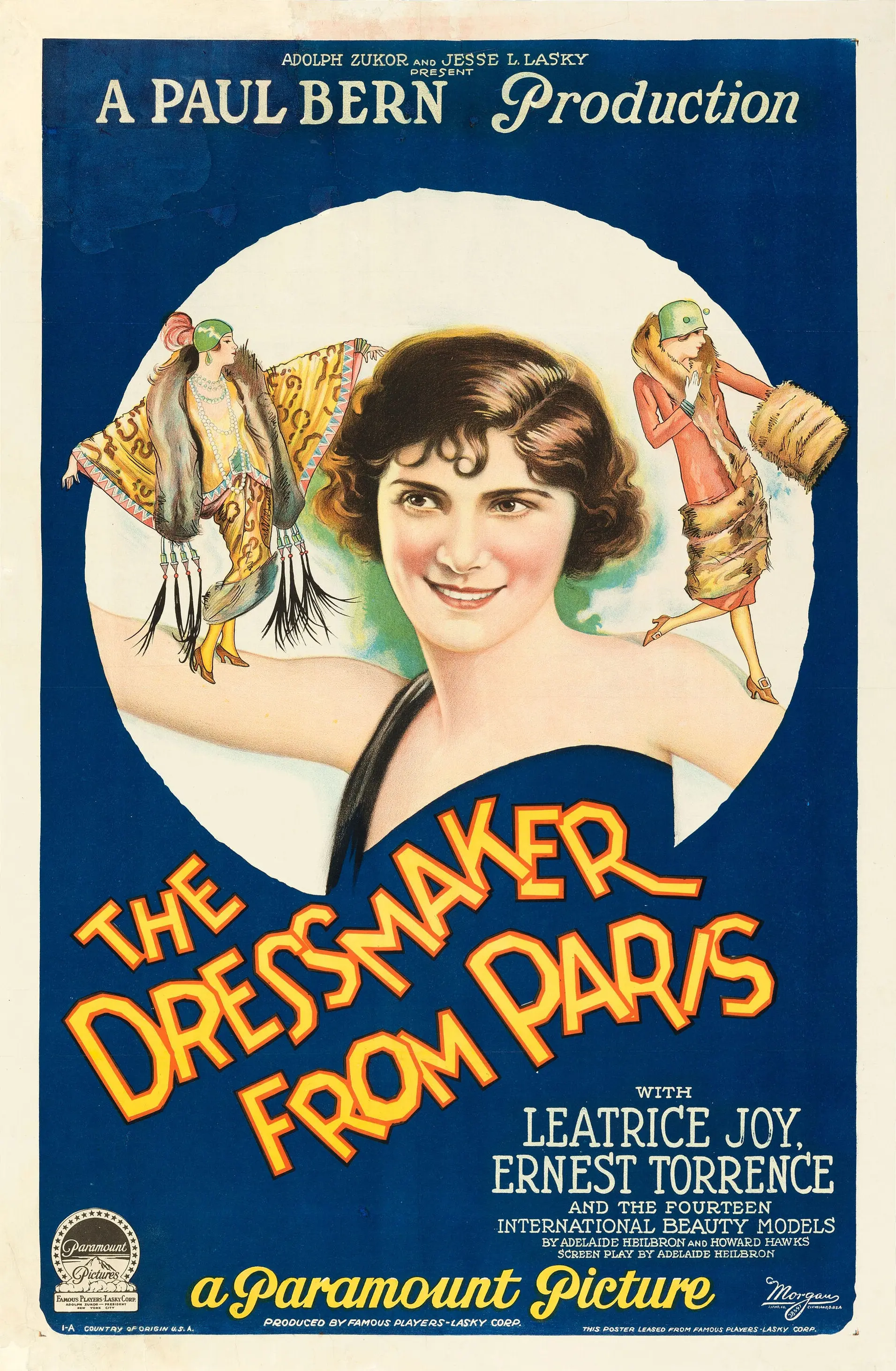
A definitive 6.8/10 rating for a film that redefined the boundaries of cult cinema. The Dressmaker from Paris remains a cornerstone of transgressive art.
Stepping into the world of The Dressmaker from Paris is like unfolding a delicate, aged silk garment, revealing layers of romance, ambition, and the enduring human spirit. This cinematic treasure, penned by the insightful duo of Howard Hawks and Adelaide Heilbron, transcends its era, offering a narrative tapestry rich with emotional depth and visual splendor. It’s a compelling exploration of love found amidst turmoil, lost to circumstance, and pursued across continents with unwavering determination. The film, featuring a constellation of talent including Lawrence Gray, Anastasia Georgina Kissel, and Mildred Harris, isn't just a story; it's a testament to the power of dreams and the intricate dance between fate and free will.
The genesis of our tale is rooted in the immediate aftermath of the Great War, a period ripe with both relief and profound uncertainty. Here, in the war-scarred yet resilient landscape of France, an American soldier, imbued with a youthful idealism and the promise of a future, encounters a local maiden. Their connection is instantaneous, a spark igniting against a backdrop of recovery and reconstruction. It’s a classic cinematic trope, perhaps, but one executed with a tender authenticity that elevates it beyond mere cliché. The film masterfully portrays the nascent stages of their affection, painting vivid scenes of shared glances, whispered confidences, and the unspoken understanding that often defines profound emotional bonds. This initial segment is crucial, establishing the emotional bedrock upon which the entire narrative edifice rests, making the subsequent separation all the more poignant.
Their idyllic romance, however, is destined to be a fleeting blossom. The inexorable call of duty, the logistical complexities of military withdrawal, and the stark reality of nations disentangling themselves from conflict conspire to tear them apart. The departure of the American troops signals not just the end of a chapter for the soldiers, but a seismic rupture in the lives of those they left behind. Our French heroine is left with a heart full of memories, a spirit imbued with longing, and a future suddenly devoid of the immediate presence of her beloved. This moment of separation is handled with a delicate touch, avoiding melodrama in favor of a quiet, aching sorrow that resonates deeply. It underscores the profound personal cost of global events, illustrating how grand historical movements ripple down to individual human experiences. Unlike the more overt dramatic confrontations seen in films such as Going Straight, the conflict here is less about direct antagonism and more about the impersonal cruelty of circumstance.
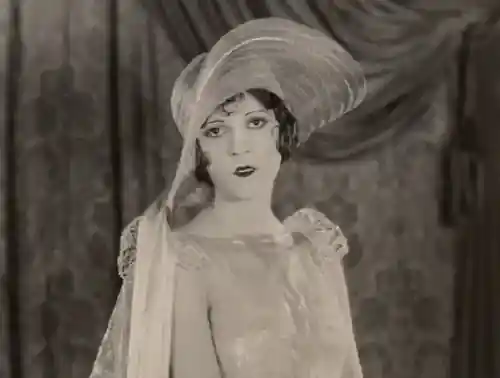
Years pass, and the quiet maiden undergoes a remarkable metamorphosis. The heartbreak of her past does not cripple her; instead, it fuels an extraordinary ambition. She channels her passion and innate talent into the intricate world of fashion, transforming herself from a humble seamstress into a formidable couturière. This journey of self-discovery and professional ascendancy is one of the film's most compelling arcs. It speaks to the resilience of the human spirit, the capacity to forge new identities and pursue grand aspirations even after profound personal loss. Her rise in the Parisian fashion scene is depicted with a keen eye for detail, showcasing the meticulous artistry and unwavering dedication required to succeed in such a demanding industry. This narrative thread, focusing on a woman's professional journey and self-made success, echoes themes found in other contemporary works like Black Is White, where female protagonists defy societal expectations to carve out their own destinies.
Her ambition isn't solely driven by professional success; it's intricately woven with the lingering hope of reunion. America, the land of her lost love, becomes both a professional frontier and a romantic pilgrimage. The decision to stage a fashion show in the bustling metropolis of the New World is a bold declaration of her artistic prowess, but beneath the shimmering silks and intricate designs lies a deeper, more personal agenda. She carries with her not just her exquisite creations, but the indelible memory of a soldier's face, a promise whispered on a moonlit night. This dual motivation lends a profound resonance to her transatlantic venture, elevating it beyond a mere business trip into a quest for a destiny interrupted. The film cleverly uses the grandeur of the fashion world as a backdrop for a deeply intimate and human drama.
Upon her arrival in America, the dressmaker confronts a landscape vastly different from the one she left behind in post-war France. The roaring twenties, with its vibrant energy and burgeoning modernity, presents a stark contrast to the more traditional European milieu. This cultural clash is subtly yet effectively portrayed, adding another layer of texture to the narrative. The fashion show itself becomes a meticulously choreographed spectacle, a dazzling display of sartorial innovation that captures the imagination of the American elite. Yet, amidst the glamour and professional triumphs, her heart remains fixed on its singular purpose: to locate the man who captured her affections all those years ago. The film skillfully balances the spectacle of her public persona with the quiet intensity of her private yearning. This tension between outward success and inner yearning is a common thread in narratives of the era, seen in varying forms in films like The Marcellini Millions, where external wealth often masks internal struggles.
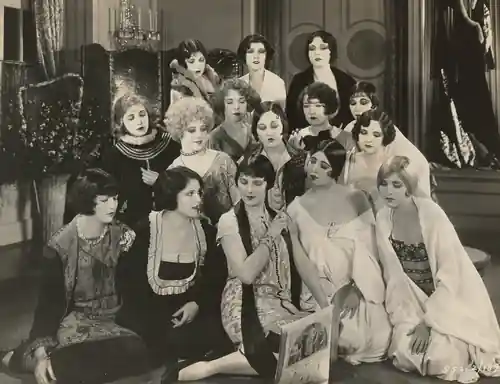
The challenge, of course, lies not just in finding him, but in confronting the inevitable changes wrought by time. Years have passed, lives have unfolded, and the individuals they once were may no longer exist in the same form. This exploration of memory versus present reality forms the emotional core of the film's second act. Will the soldier recognize the sophisticated couturière as the simple maiden he once loved? Will the passage of time have dimmed the flame, or merely transformed it into a more enduring ember? These questions lend a compelling suspense to her quest, ensuring that the audience remains deeply invested in the outcome. The film delves into the often-uncomfortable truth that the past, while cherished, rarely aligns perfectly with the present, a theme also explored with nuanced sensitivity in Big Happiness.
The film benefits immensely from its stellar cast. Anastasia Georgina Kissel, in the titular role, delivers a performance of remarkable subtlety and strength. Her transformation from a wide-eyed provincial girl to a self-possessed fashion maven is utterly convincing, conveying both vulnerability and an iron will. She carries the emotional weight of the narrative with grace, her expressions often speaking volumes where dialogue might fall short. Lawrence Gray, as the American soldier, embodies the earnestness and youthful charm required for his character, making his initial connection with Kissel's character feel genuinely heartfelt. Their chemistry, though often separated by scenes of longing, provides the narrative's magnetic pull.
Mildred Harris, Eugenia Gilbert, and the rest of the ensemble cast, including Spec O'Donnell, Cecille Evans, Christina Montt, and Yola d'Avril, contribute rich supporting layers. Harris, in particular, often brings a necessary counterpoint or emotional foil to the central drama, demonstrating her versatility. The film also features noteworthy contributions from figures like Sally Long, Rosemary Cooper, Jocelyn Lee, Clara Morris, Etta Lee, Charles Crockett, Majel Coleman, Ernest Torrence, Olive Borden, Leatrice Joy, Adalyn Mayer, Sally Rand, Dorothy Seastrom, and Allan Forrest. Each actor, regardless of screen time, imbues their character with a distinct personality, creating a vibrant and believable world around the central protagonists. This collective effort ensures that the narrative feels lived-in and authentic, a testament to the era's collaborative spirit in filmmaking. The nuanced portrayals are reminiscent of the intricate character work seen in films such as The Little Diplomat, where ensemble performances elevate the storytelling.
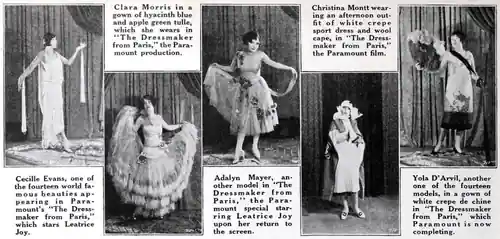
The genius behind The Dressmaker from Paris can largely be attributed to the combined talents of its writers, Howard Hawks and Adelaide Heilbron. Hawks, even in these earlier stages of his illustrious career, demonstrates a nascent understanding of character-driven storytelling and an ability to craft compelling emotional arcs. His fingerprints are evident in the film's brisk pacing and its emphasis on strong, resilient female characters, a hallmark of many of his later works. Heilbron's contribution likely brought a particular sensitivity to the romantic elements and the nuances of the female protagonist's journey, adding depth and authenticity to the emotional landscape.
Together, they fashion a screenplay that navigates the complexities of long-distance love, cultural assimilation, and personal ambition with remarkable skill. The dialogue, where present, is crisp and purposeful, while the visual storytelling, crucial for the silent era, is eloquent and evocative. They understand that a compelling narrative isn't just about plot points, but about the emotional resonance these points evoke in the audience. The meticulous construction of the plot, which manages to feel both expansive and deeply personal, sets a high bar for romantic dramas of the period. Their collaborative synergy created a work that stands out, much like the focused narrative of The Dummy, which also relied on tightly woven storytelling.
At its heart, The Dressmaker from Paris is a profound meditation on identity and reinvention. Our heroine's journey is not just about finding a lost love, but about finding herself in the process. She transforms her grief and longing into a powerful creative force, using fashion as her medium for expression and empowerment. This theme of personal agency and the pursuit of one's calling, even against formidable odds, resonates powerfully. It’s a narrative that champions the individual's capacity to shape their own destiny, rather than simply being a passive recipient of fate's whims. This thematic depth positions it alongside films like Sapho, which also explores the complexities of identity and self-determination.
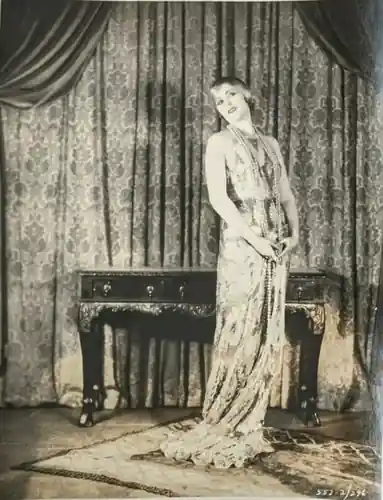
The film also masterfully explores the enduring power of hope. Despite the vast expanse of time and distance, the protagonist never truly abandons the belief that she will find her soldier again. This unwavering optimism, while perhaps bordering on romantic idealism, is presented not as naiveté, but as a driving force. It's the engine that propels her across an ocean, through the glittering world of haute couture, and towards an uncertain reunion. This portrayal of hope as a tangible, motivating force is incredibly inspiring, offering a counter-narrative to cynicism and despair. It’s a sentiment that echoes the perseverance seen in films such as St. Elmo, where characters cling to their ideals despite adversity.
Visually, the film is a feast for the eyes, particularly in its depiction of the fashion world. The costumes are undoubtedly exquisite, showcasing the artistry and glamour of Parisian couture. The staging of the fashion show itself is a highlight, a dazzling display that serves both as a narrative device and a standalone spectacle. The contrasts between the rustic charm of post-war France and the burgeoning modernity of American cities are effectively conveyed through set design and cinematography. Even in the absence of color and synchronized sound, the film's visual language is rich and expressive, conveying emotion, atmosphere, and narrative progression with remarkable clarity. The attention to detail in the visual storytelling ensures that the audience is fully immersed in the world of the film, a testament to the meticulous craft of early cinema.
The direction, while perhaps not yet bearing the full signature of the later Hawks, is assured and confident. The camera work is purposeful, guiding the viewer's eye and emphasizing key emotional beats. The editing maintains a steady rhythm, allowing moments of quiet reflection to breathe while keeping the narrative momentum flowing during more dramatic sequences. This craftsmanship, even in the silent era, speaks to a sophisticated understanding of cinematic language. The film avoids the sluggishness that can sometimes plague older productions, maintaining an engaging pace that keeps the audience captivated throughout its runtime. The visual narrative is as compelling as any modern production, a testament to the foundational skills honed in this era, much like the compelling visual storytelling in The Cigarette Girl.
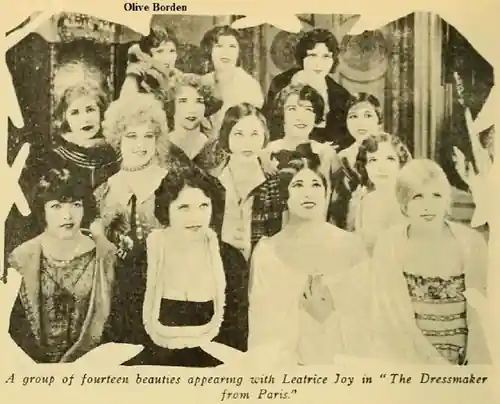
The Dressmaker from Paris is more than just a historical artifact; it's a vibrant, emotionally resonant piece of cinema that continues to captivate. Its exploration of love, loss, ambition, and the relentless pursuit of one's dreams remains timeless. The film serves as a powerful reminder of the enduring allure of classic storytelling, where universal human experiences are brought to life through compelling characters and artful execution. It’s a testament to the foundational strengths of early Hollywood, showcasing how nuanced narratives and strong performances could transcend technological limitations.
For those who appreciate cinema that delves into the complexities of the human heart, wrapped in the glamour of a bygone era, this film is an absolute must-see. It's a journey that leaves a lasting impression, much like the indelible mark left by enduring classics such as Paid in Full or Matrimonial Web. It’s a film that asks us to believe in the possibility of second chances, in the power of an unyielding spirit, and in the magic of a love that defies the odds of time and distance. The narrative culminates not just in a resolution, but in a reaffirmation of hope, leaving viewers with a profound sense of satisfaction and a lingering appreciation for its elegant artistry.
The delicate balance between the grand spectacle of the fashion world and the intimate drama of a personal quest is maintained throughout, a remarkable feat of storytelling. The film never loses sight of its emotional core, ensuring that the elaborate backdrops and stunning costumes serve to enhance, rather than overshadow, the human element. It invites us to ponder the nature of destiny and the choices that define our paths, all while being swept away by a narrative that is both enchanting and profoundly moving. This intricate weaving of personal struggle within a larger, more opulent setting is a sophisticated narrative technique that continues to resonate with audiences, proving that true artistry transcends temporal boundaries. It's a cinematic experience that will stay with you, much like the unforgettable journeys depicted in The Dancer and the King or the dramatic tension in In the Spider's Grip.
Ultimately, The Dressmaker from Paris stands as a testament to the enduring power of classic cinema. It's a film that, despite its age, feels remarkably fresh and relevant, its themes of ambition, love, and the pursuit of
IMDb 6.2
1937
Community
Log in to comment.