DbcultAccessing Vault...
6.4/10
Senior Film Conservator
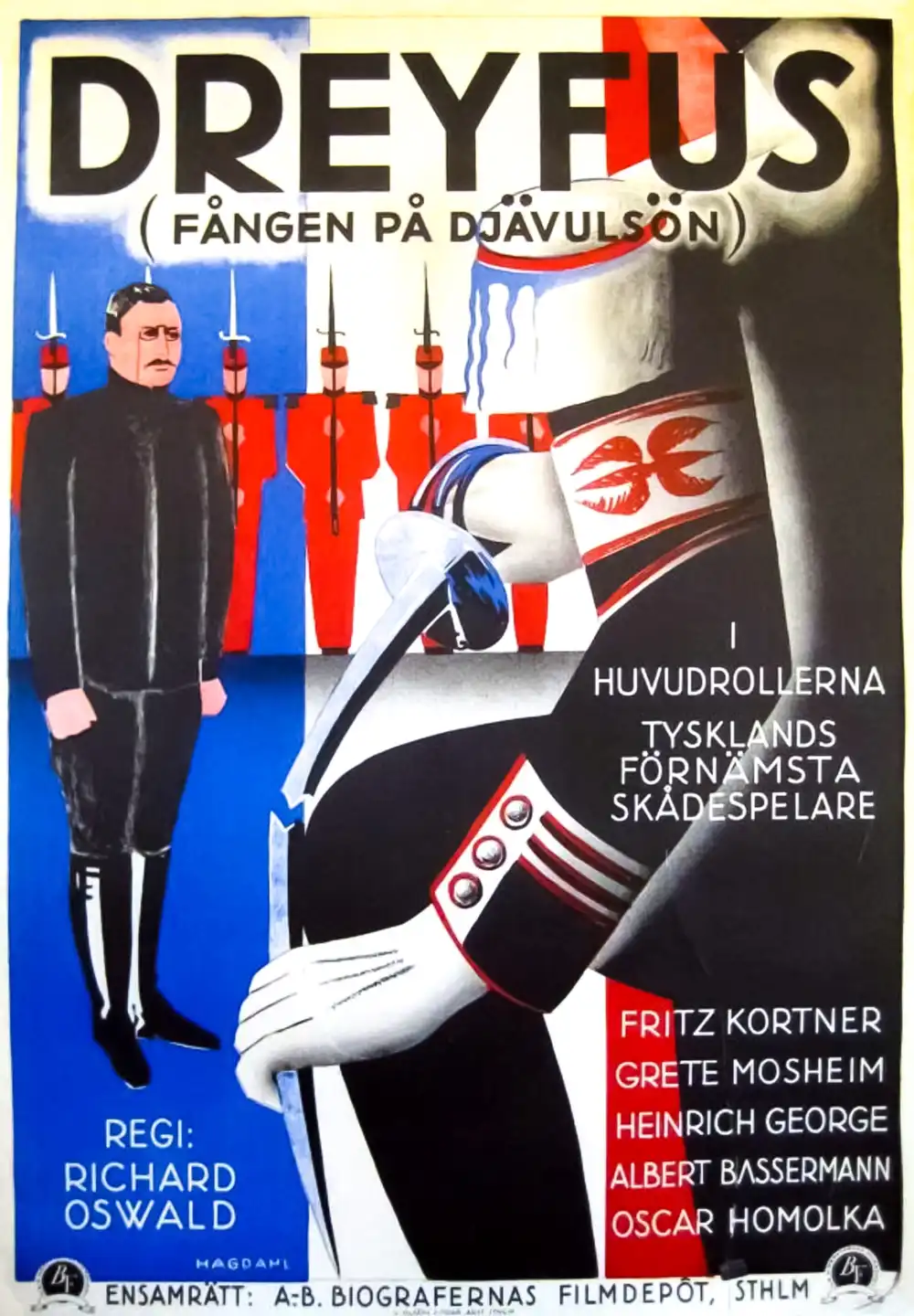
A definitive 6.4/10 rating for a film that redefined the boundaries of cult cinema. The Dreyfus Case remains a cornerstone of transgressive art.
Alright, so The Dreyfus Case. This one’s not for everyone, absolutely not. If you’re into older films, especially those early talkies, and you care about history, you should definitely give it a look. People who need constant action or super-fast pacing? You’re gonna hate it. This is a slow burn, a real gut punch about injustice.
It’s a German film from 1930, which is wild to think about. Early sound film. You can really feel that in the way it’s shot; a lot of static cameras, almost like watching a play sometimes. But that doesn’t make it less effective, somehow.
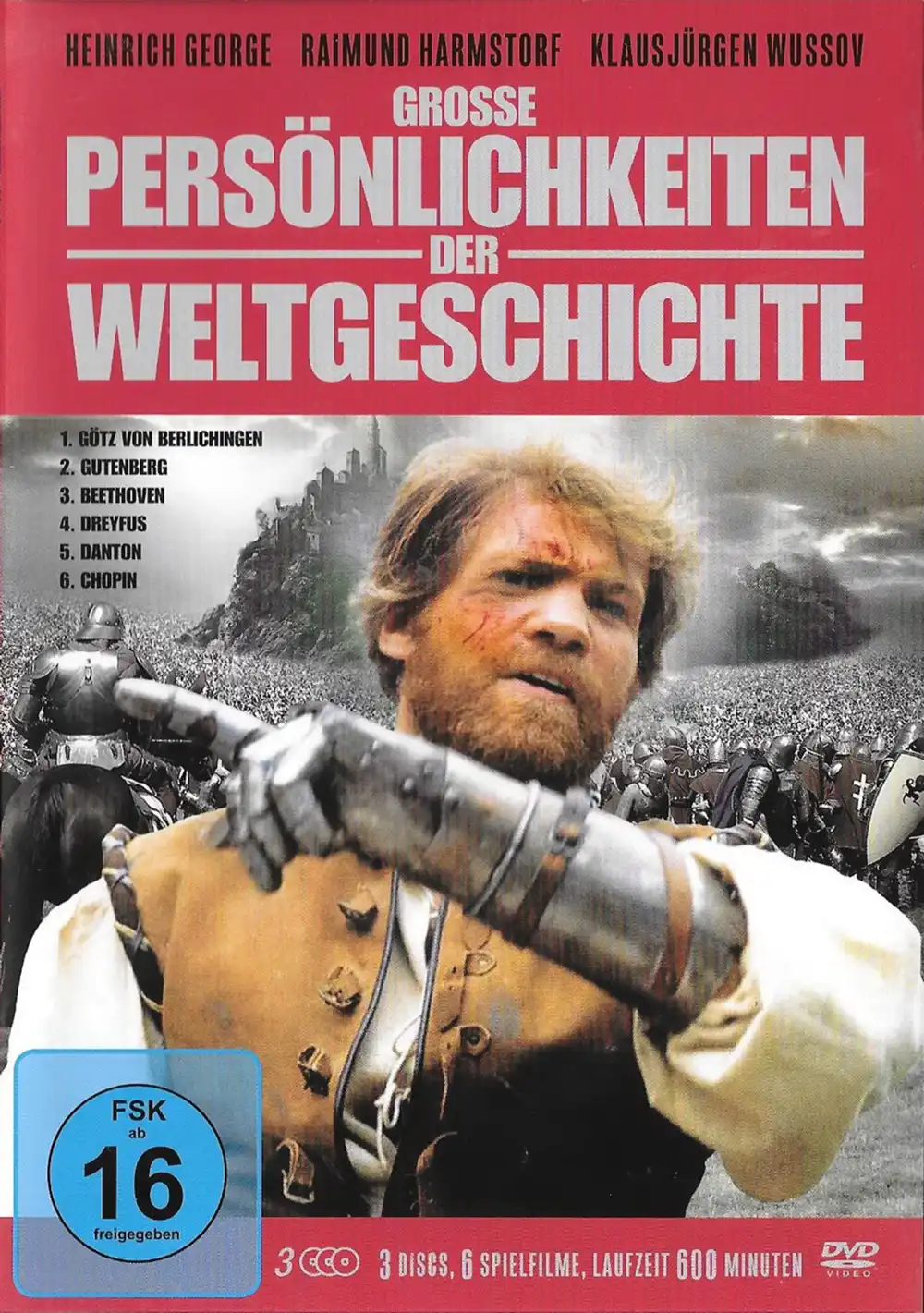
The story, if you don’t know, is about Alfred Dreyfus, a French army officer. He’s Jewish, and he gets wrongly accused of spying. Treason. The whole thing. And then they send him to Devil’s Island. You know, a real nice place. 🏝️
What struck me early on was the almost casual way his accusers just… assume. There’s this scene where the military men are talking, and it’s not really about proof. It’s about how it looks, and this underlying current of prejudice that’s just chilling. The White Black Sheep, another film of that era, played with similar themes, but less directly.
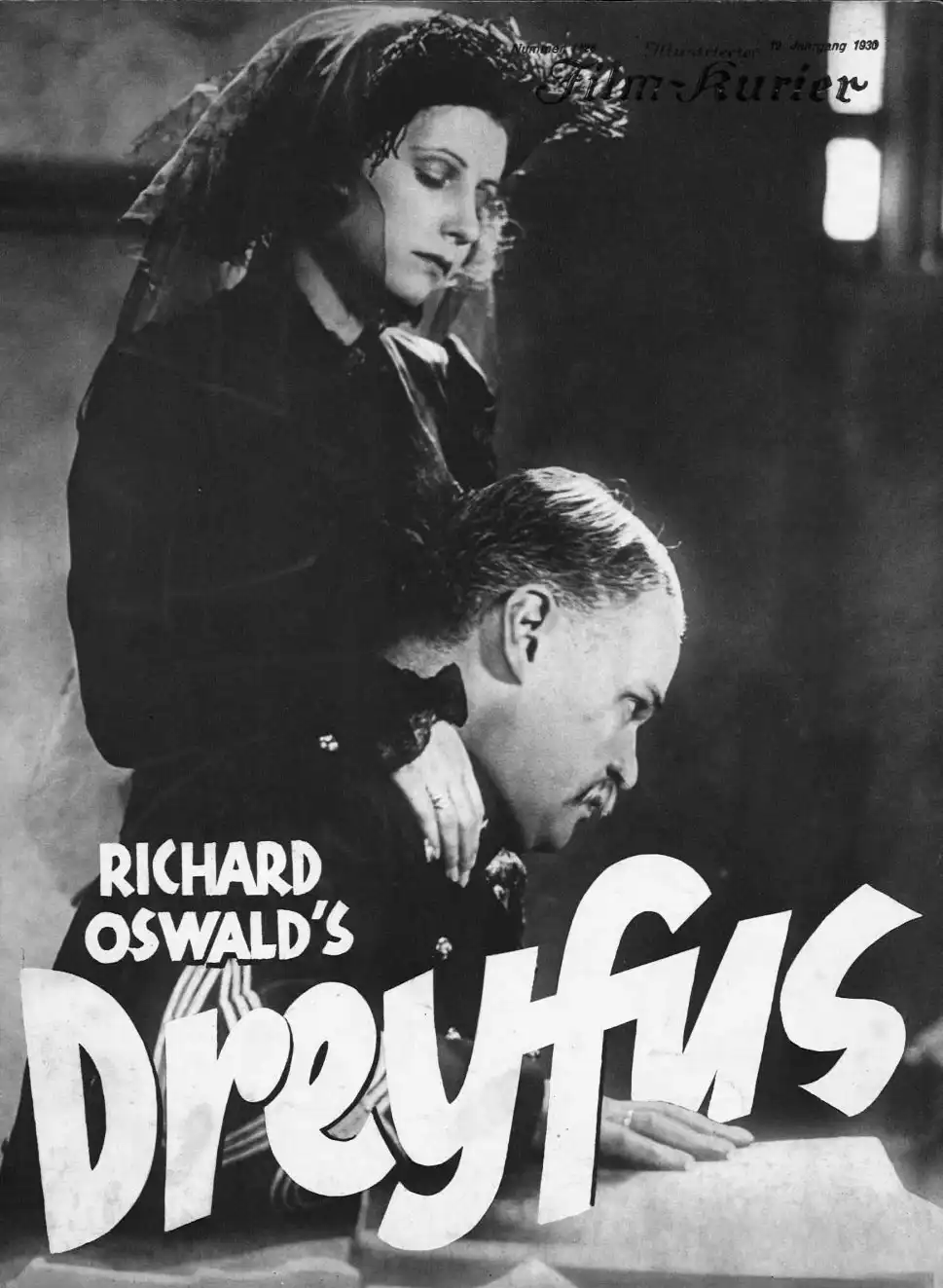
The trial sequence, my goodness. It’s not flashy, not like modern courtroom dramas at all. It’s just this relentless, suffocating march towards a predetermined outcome. You feel his helplessness, even through the stiff acting styles of the period. Josef Reithofer, who plays Dreyfus, has this look in his eyes that really sells it, even when the dialogue feels a bit stilted.
Then comes the public degradation. They strip him of his rank, break his sword. The crowd scenes here are surprisingly effective for 1930. You can almost feel the chill wind, the weight of public scorn. It’s a powerful, awful moment that sticks with you.

His time on Devil’s Island… that part is rough. It’s not graphic, but the isolation, the barren landscape, the sheer hopelessness. There’s a shot, I remember, of him just staring out at the ocean, and it lingers just a beat too long, but in a good way. It makes you feel trapped right there with him. No fancy cinematography needed.
The film doesn't really go into all the political wrangling and the later efforts to clear his name. It really focuses on Dreyfus himself, his personal hell. Which is fine. Sometimes focusing on one person’s struggle makes the larger injustice feel more real. It's not trying to be a comprehensive documentary, which I appreciated. It's more of a personal account of suffering.
There are a few moments that feel a bit theatrical, which is expected for the time. The way some characters deliver their lines, for instance. But you forgive it because the core emotion is so strong. Miljonär för en dag, from a similar era, had some of that theatricality too, but in a totally different, lighthearted way.
, for sure. You won't leave feeling uplifted. But you will leave thinking. Thinking about how easily truth can be twisted, how dangerous prejudice is. And how important it is to fight for what’s right, even when it feels impossible. This movie, in its own quiet way, makes that point clearer than a lot of louder, more modern films. It’s a significant piece of film history, telling a significant piece of actual history. Worth the time if you’re up for it. Just don’t expect any jokes. 😬
IMDb 5.8
1935
Community
Log in to comment.