DbcultAccessing Vault...
5.4/10
Senior Film Conservator
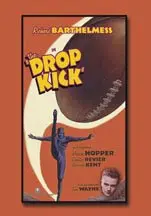
A definitive 5.4/10 rating for a film that redefined the boundaries of cult cinema. The Drop Kick remains a cornerstone of transgressive art.
Is this film worth watching today? Short answer: only if you are a dedicated student of silent cinema or a John Wayne completionist looking for his uncredited roots. For the modern casual viewer, the pacing and heavy-handed moralizing will likely feel more like a homework assignment than an evening's entertainment.
This film is specifically for those who appreciate the aesthetic of the late 1920s collegiate 'rah-rah' culture and the nuanced, often internal acting style of Richard Barthelmess. It is decidedly NOT for anyone seeking a fast-paced sports thriller or a movie with the visceral impact of modern football cinematography.
1) This film works because it captures the genuine anxiety of 1920s social standing, where a single misunderstood interaction could effectively end a young man's career before it began.
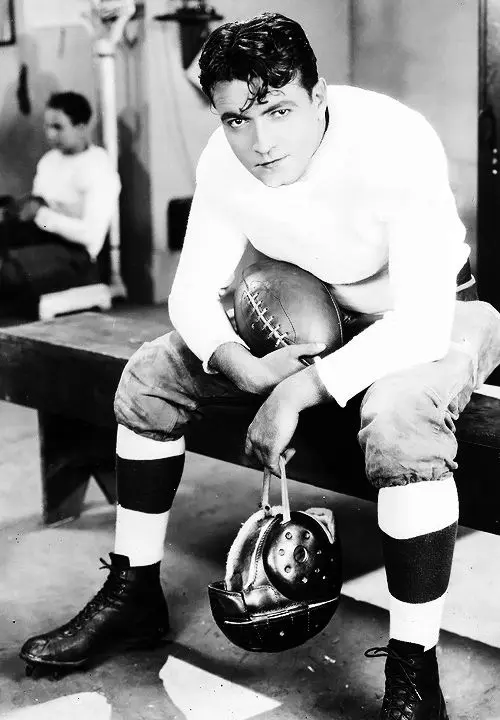
2) This film fails because the central conflict relies on a series of convenient silences and coincidences that feel increasingly forced as the plot progresses toward the climax.
3) You should watch it if you want to see the foundational tropes of the 'big game' movie being established, or if you want to contrast the sensitive masculinity of Barthelmess with the ruggedness of his contemporary, the lead in The Abysmal Brute.
To answer the question directly: The Drop Kick is a curiosity rather than a classic. While it offers a fascinating window into the social mores of 1927, it lacks the timeless emotional resonance found in the era's better-known dramas. The stakes, while high for the characters, often feel muted by the era's polite storytelling constraints. It is a film of moments—a well-lit close-up here, a frantic stadium shot there—but as a cohesive narrative, it struggles to maintain momentum. If you have a passion for the evolution of the sports genre, it is an essential piece of the puzzle. If you are looking for a gripping story, you might find more satisfaction in a film like A Man's Man.
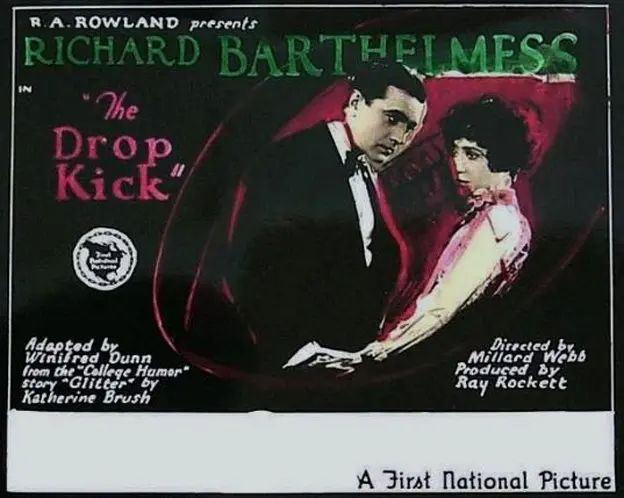
Richard Barthelmess was the king of the sensitive hero. In The Drop Kick, he utilizes his expressive eyes to convey a level of internal torture that the script alone doesn't quite support. There is a specific scene in the locker room where Jack Hamill sits alone, the shadows of the lockers cutting across his face like bars. It is a masterclass in silent acting; he doesn't need to scream to show us that his character is suffocating under the weight of an unfair accusation. This performance is the anchor of the film, preventing it from drifting into pure camp.
The tragedy involving the coach’s wife is handled with a surprising amount of darkness for a collegiate film. When Jack visits her, the atmosphere shifts from the bright, sunny optimism of the campus to a claustrophobic, noir-adjacent dread. The subsequent fallout—her suicide and the note that goes missing—is the engine of the plot. Unlike the more adventurous tone of Señorita, The Drop Kick leans heavily into the melodrama of the 'wronged man' trope. It is effective, if a bit predictable.
Director Millard Webb and his camera team deserve credit for how they handled the football sequences. In 1927, capturing the movement of a sports match was a technical nightmare. They used multiple cameras to get wide shots of the stadium, which, even in grainy black and white, feel massive. The scale is impressive. You can almost smell the leather and the grass. These scenes provide a necessary contrast to the quiet, tension-filled rooms where the social drama unfolds.
Compare this to the gritty, urban atmosphere of Alone in London. While that film uses the city as a character, The Drop Kick uses the university campus as a gilded cage. The bright, open spaces of the football field represent Jack's freedom and talent, while the dim interiors of the faculty houses represent the judgmental society that threatens to hem him in. It’s a simple visual metaphor, but it works. It’s effective. But it’s flawed by the era's technical limitations.
For many modern viewers, the primary draw of this film is the uncredited appearance of a young Marion Morrison, later known as John Wayne. He plays a football player, and while he has no significant lines or character arc, his presence is undeniable. You can see the physical stature that would later make him a Western icon. Seeing him here, alongside established stars like Barthelmess, is like watching a historical footnote come to life. It’s a reminder that every legend starts somewhere, often in the background of a forgotten collegiate drama.
The film features excellent lighting work, particularly in the interior scenes that heighten the dramatic tension. The football footage is historically significant as an early example of sports cinematography. Furthermore, the supporting cast, including Alberta Vaughn, provides a solid foundation for the leads, creating a believable social circle.
The pacing in the second act drags considerably as the film repeats its central conflict without adding new layers. The 'tragedy' that sets the plot in motion feels somewhat disconnected from the football-centric climax, making the movie feel like two different stories stitched together. The resolution is also a bit too neat, lacking the punch that the earlier drama promised.
The Drop Kick is not a masterpiece, but it is a fascinating relic. It sits in that strange middle ground of silent cinema—technically proficient and emotionally earnest, yet hampered by a script that prioritizes melodrama over logic. It lacks the raw energy of Good Cheer or the stylistic boldness of other late-period silents. However, for those interested in the evolution of the American hero on screen, Barthelmess’s performance is worth the price of admission. He offers a version of masculinity that is vulnerable and fragile, a sharp contrast to the 'tough guy' personas that would dominate the next decade. It’s a quiet film that tries to scream, and while the sound doesn't always carry, the effort is visible. Watch it for the history, stay for the eyes of Richard Barthelmess, but don't expect it to change your life.
This is a film where the football is the backdrop, but the real game is played in the drawing rooms of the elite.
IMDb 6.2
1934
Community
Log in to comment.