DbcultAccessing Vault...
6.8/10
Senior Film Conservator
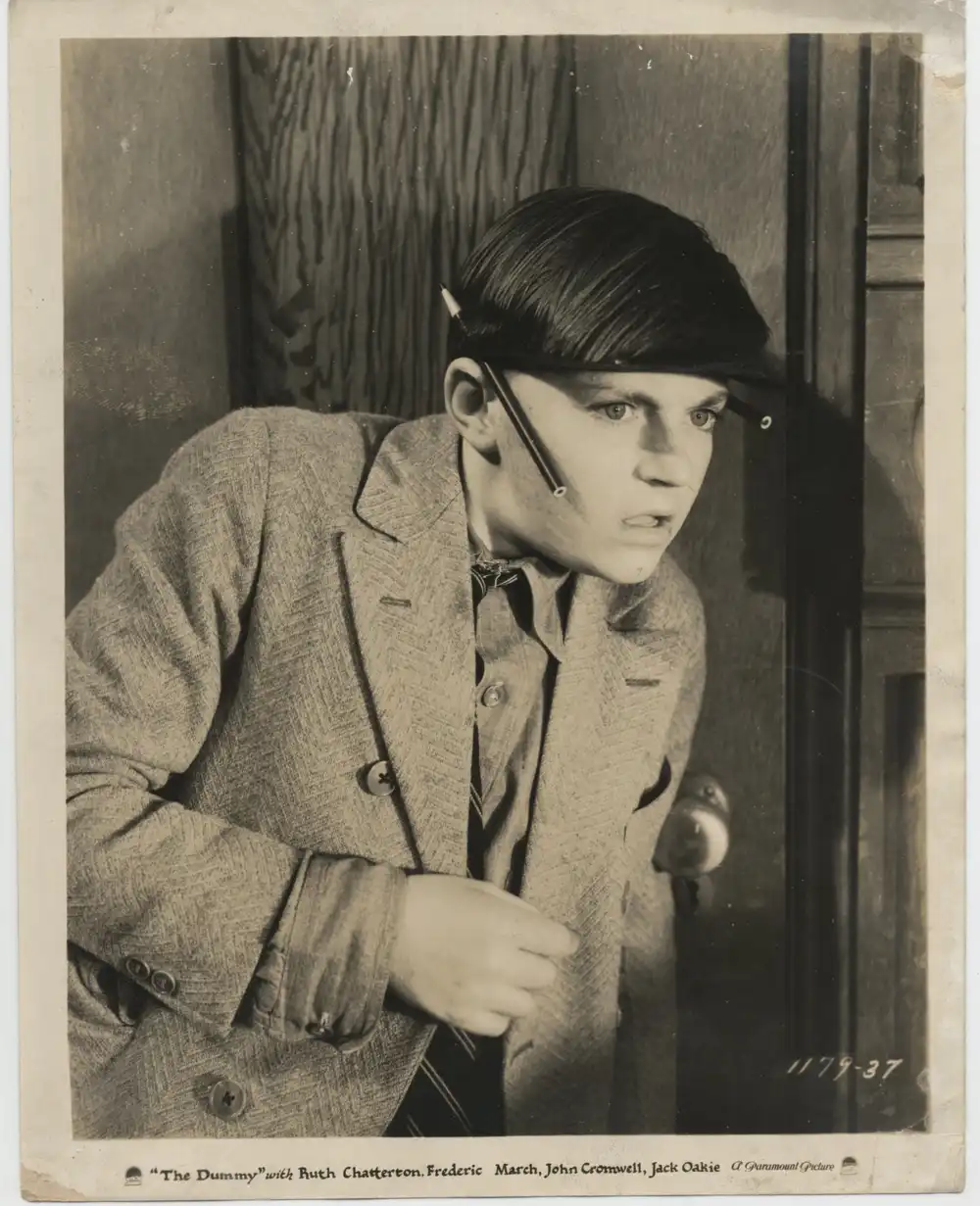
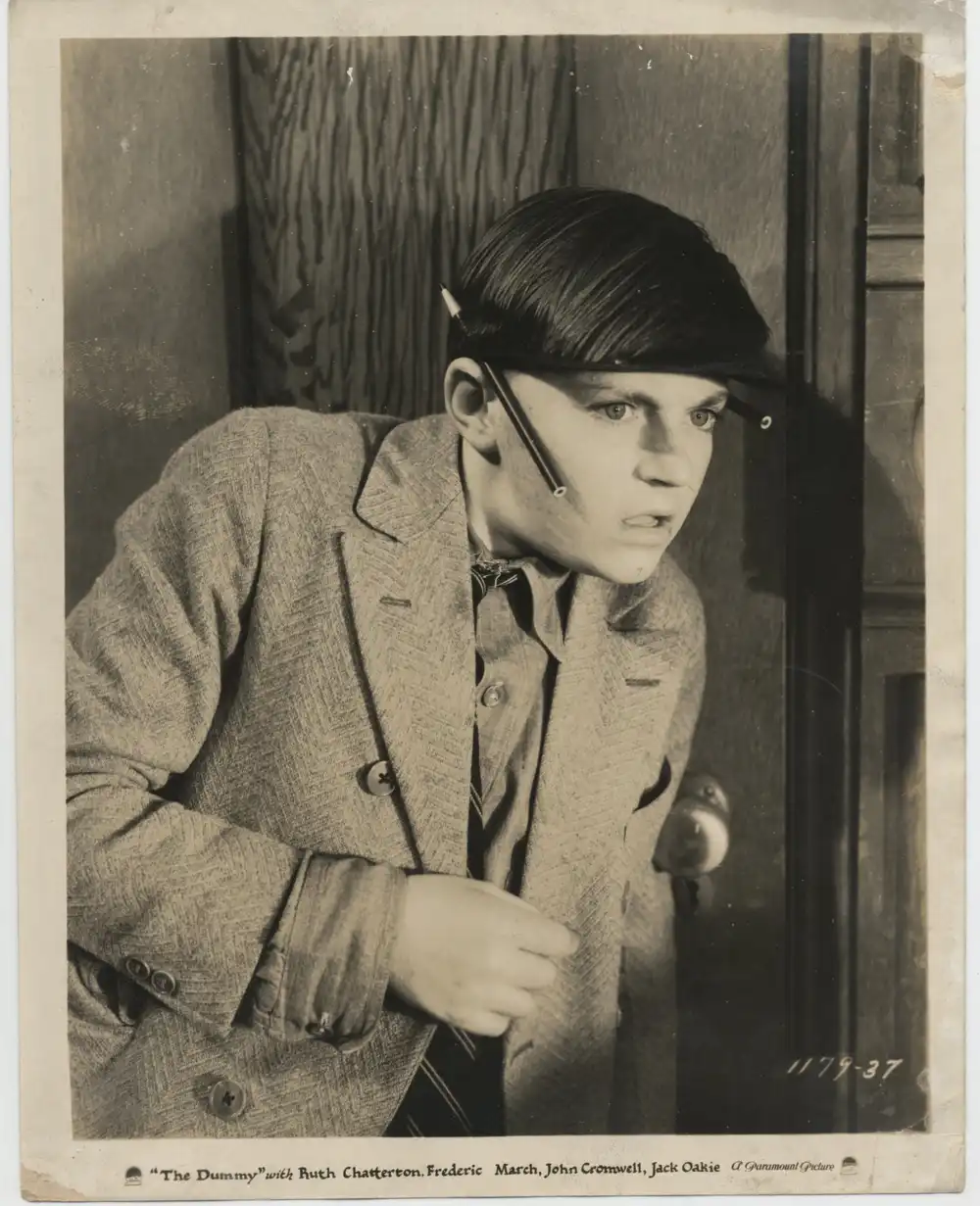
A definitive 6.8/10 rating for a film that redefined the boundaries of cult cinema. The Dummy remains a cornerstone of transgressive art.
This one, The Dummy from 1929, it's a real time capsule. If you're into seeing how movies stumbled into sound, or just want a quiet Saturday afternoon with some true old-school charm, give it a shot. But if you're hoping for anything fast-paced or super slick, you'll probably want to skip right over this. It's for the patient crowd, the ones who get a kick out of cinema's beginnings.
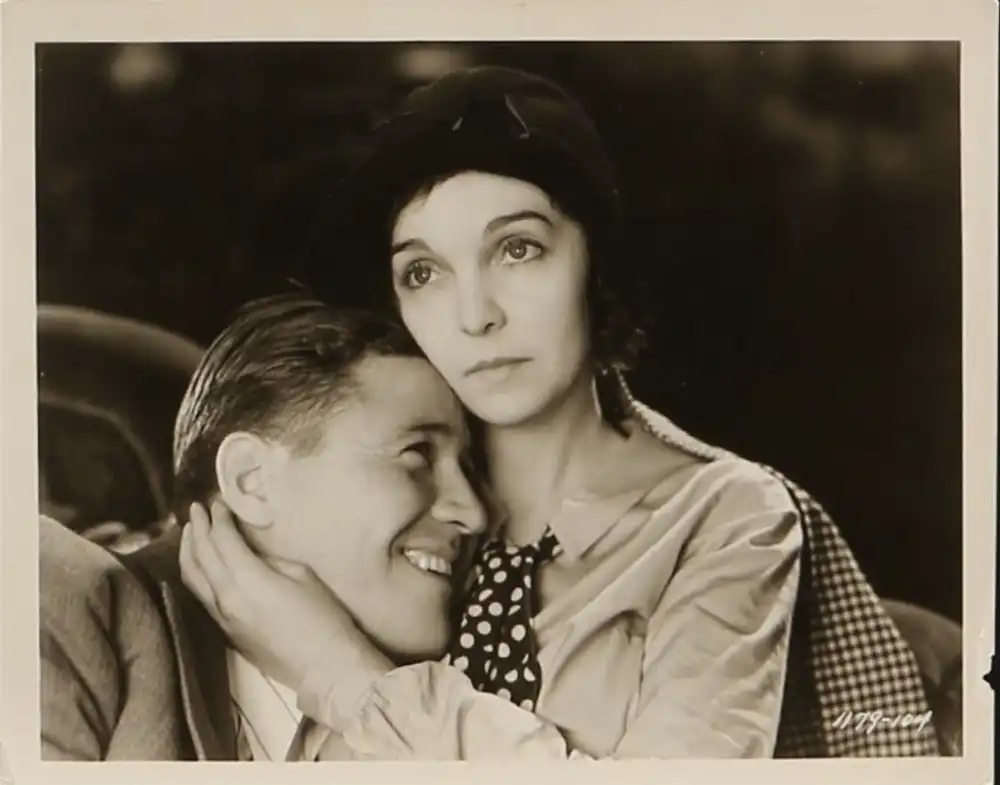
The whole thing feels like a stage play taped on a very specific set. You can almost feel the camera's weight, planted firmly while actors deliver lines. The plot, well, it’s about a detective agency and a missing kid, and how they use someone to pretend to be a "dummy" to solve it. A pretty neat idea for the time, I suppose. 🕵️
ZaSu Pitts is in it, and man, she's something else. Her whole thing is just this wonderfully bewildered look, like she's constantly just heard some very confusing news. Her voice, too, it’s that high-pitched, almost tremulous quality. She moves through scenes with a kind of hesitant grace, often just standing there, looking slightly off-kilter. It’s a very particular flavor, and you either get it or you don't. I usually do.
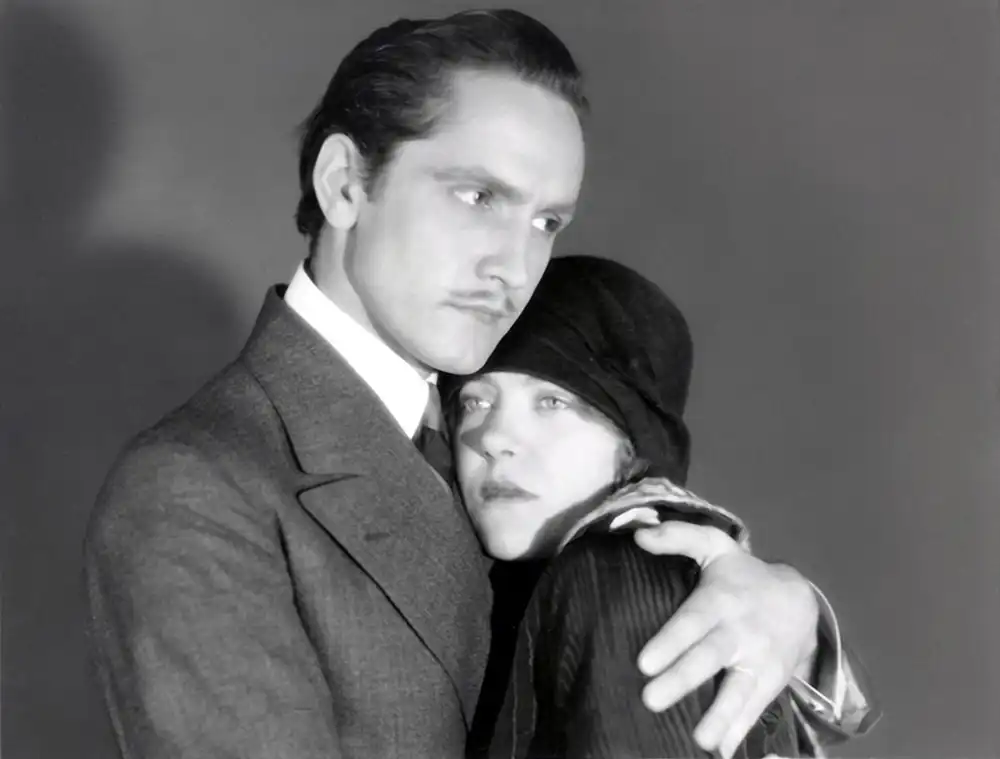
Fredric March, before he was *Fredric March*, plays a big part. He's got that undeniable leading man presence already, even when the sound quality makes him sound a bit distant sometimes. You can see the charm starting to click into place. He’s all smiles and quick thinking, a good contrast to Pitts's more… pensive energy.
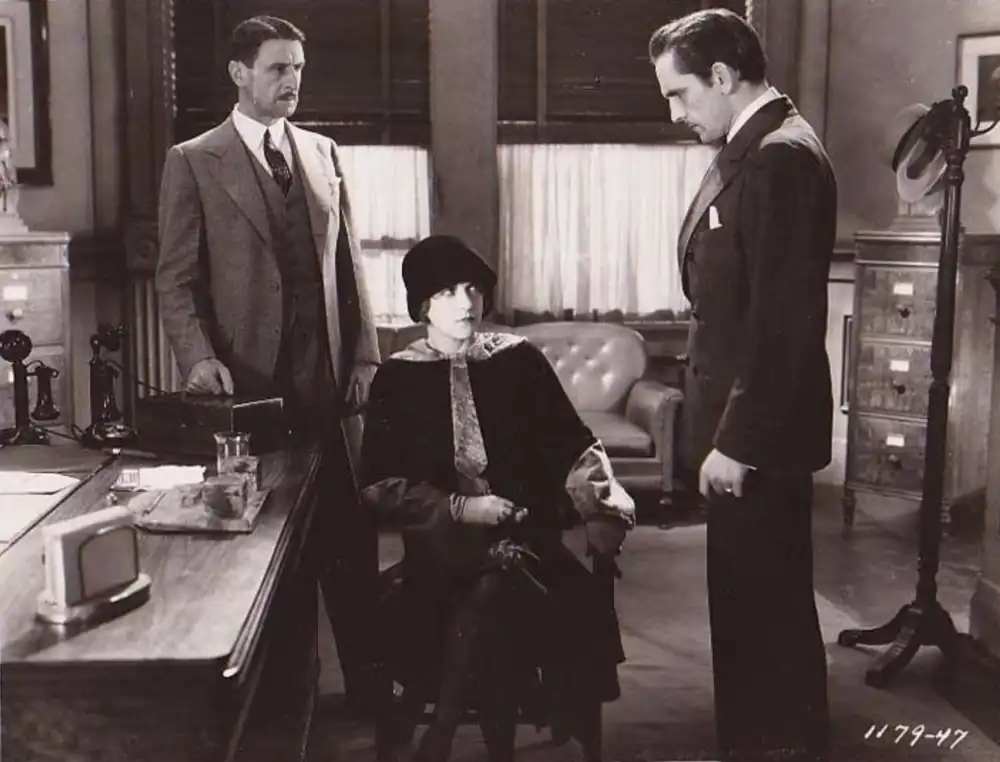
The sound design, or lack thereof, is truly fascinating. Sometimes the dialogue is clear, other times it's a bit muffled, like the microphone got a little shy. You hear a lot of footsteps, sometimes a door creaking, but not much else to fill the space. It’s bare. This isn't a complaint, more an observation of how much things have changed. 🔊
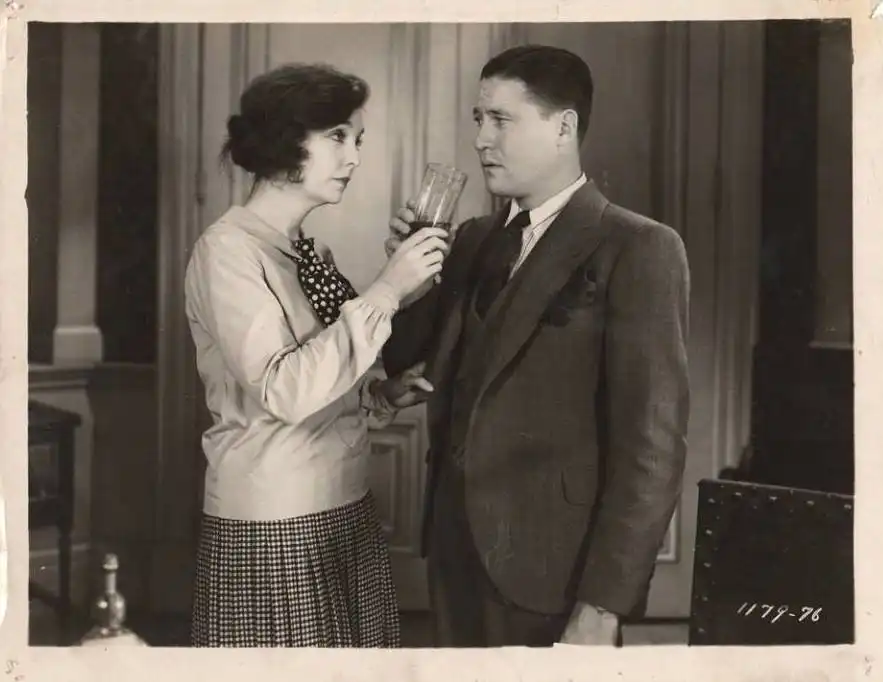
There's a scene early on where someone is trying to explain the detective plan, and the actors are all grouped so carefully around what must be the hidden mic. Everyone's faces are so serious, you wonder if they're acting or just trying to hit their marks perfectly. It makes for some unintentionally funny moments. Like, a character will turn slightly, and suddenly their voice just drops a few decibels.
The comedy isn't laugh-out-loud stuff for a modern audience, mostly. It’s more of a gentle smile. A lot of the humor comes from the absurdity of the situation, and ZaSu Pitts’s reactions to it all. She's the anchor of the humor.
One tiny thing: there's this one moment where a character tries to whisper a secret. But because it's 1929 and the sound tech is what it is, they have to whisper *loudly* into the microphone. It kinda defeats the purpose, doesn't it? It's a small detail, but it stuck with me. 🤫
The plot, while simple, does keep things moving. You want to know if the "dummy" plan works. There aren't many twists, but the journey through these early talkie conventions is interesting enough. It’s not trying to be anything grand, just a solid little mystery.
Honestly, it’s a charming curiosity. A window into a different time for movies. Don't expect a masterpiece, but if you appreciate film history, there’s plenty to quietly enjoy. It's a reminder of where it all began, before the sound got good. 🎬
IMDb —
1930
Community
Log in to comment.