DbcultAccessing Vault...
6.2/10
Senior Film Conservator
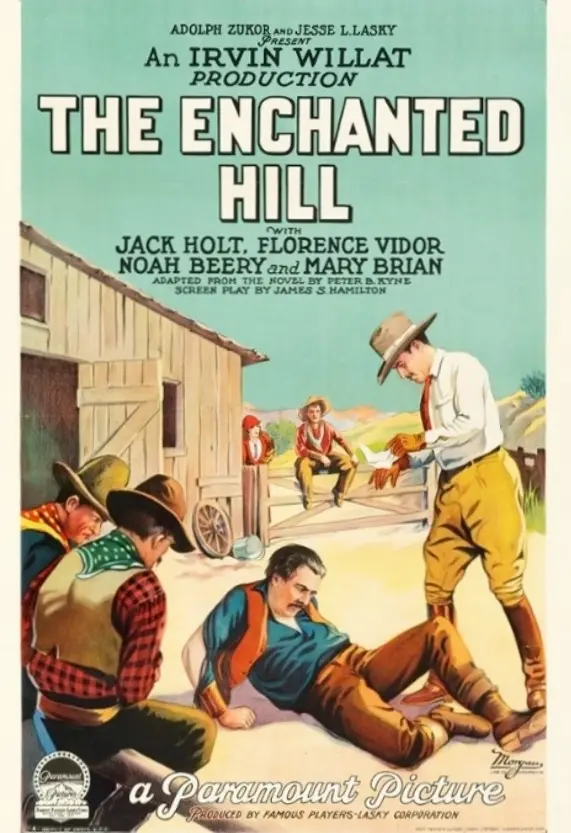
A definitive 6.2/10 rating for a film that redefined the boundaries of cult cinema. The Enchanted Hill remains a cornerstone of transgressive art.
Is The Enchanted Hill a silent era relic worth digging up for a modern viewing? Short answer: Yes, but primarily for those who appreciate the foundational architecture of the American Western. This is not a film for the impatient viewer accustomed to modern pyrotechnics. It is a film for the cinematic archeologist and the fan of high-stakes territorial drama.
This film works because it treats its central mystery—the identity of Purdy’s attackers—with a level of atmospheric dread that many silent films lacked. It fails because the central misunderstanding between Lee and Gail relies on a level of female gullibility that feels dated even by 1920s standards. You should watch it if you want to see a young, uncredited Gary Cooper in one of his earliest roles, or if you want to understand how the 'crooked foreman' trope was perfected.
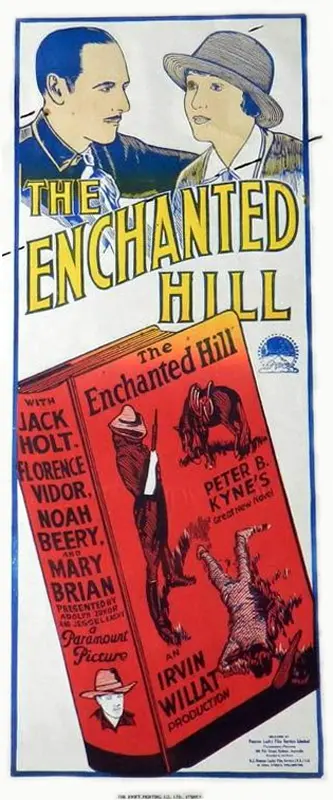
The Enchanted Hill is absolutely worth watching for anyone interested in the evolution of the Western genre. It provides a bridge between the simplistic morality plays of the early 1910s and the psychological Westerns that would dominate the 1940s. While it lacks the fluid camera work of a modern blockbuster, its pacing is surprisingly brisk for a silent feature.
The film opens not with a sweeping vista of peace, but with a sense of claustrophobia despite the wide-open spaces. Lee Purdy (Jack Holt) is introduced as a man under siege. The cinematography captures the 'Enchanted Hill' as both a fortress and a trap. Unlike the more whimsical settings found in Felix Goes West, the hills here feel heavy with the threat of hidden snipers.
The narrative engine is fueled by a classic Western catalyst: hidden resources. The revelation that a local banker and Ira Todd (Brandon Hurst) are conspiring to seize Purdy's land for its gold adds a layer of economic realism to the film. It transforms a simple ranch dispute into a critique of institutional corruption. This isn't just a fight over dirt; it's a fight against a system that wants to commodify the wild.
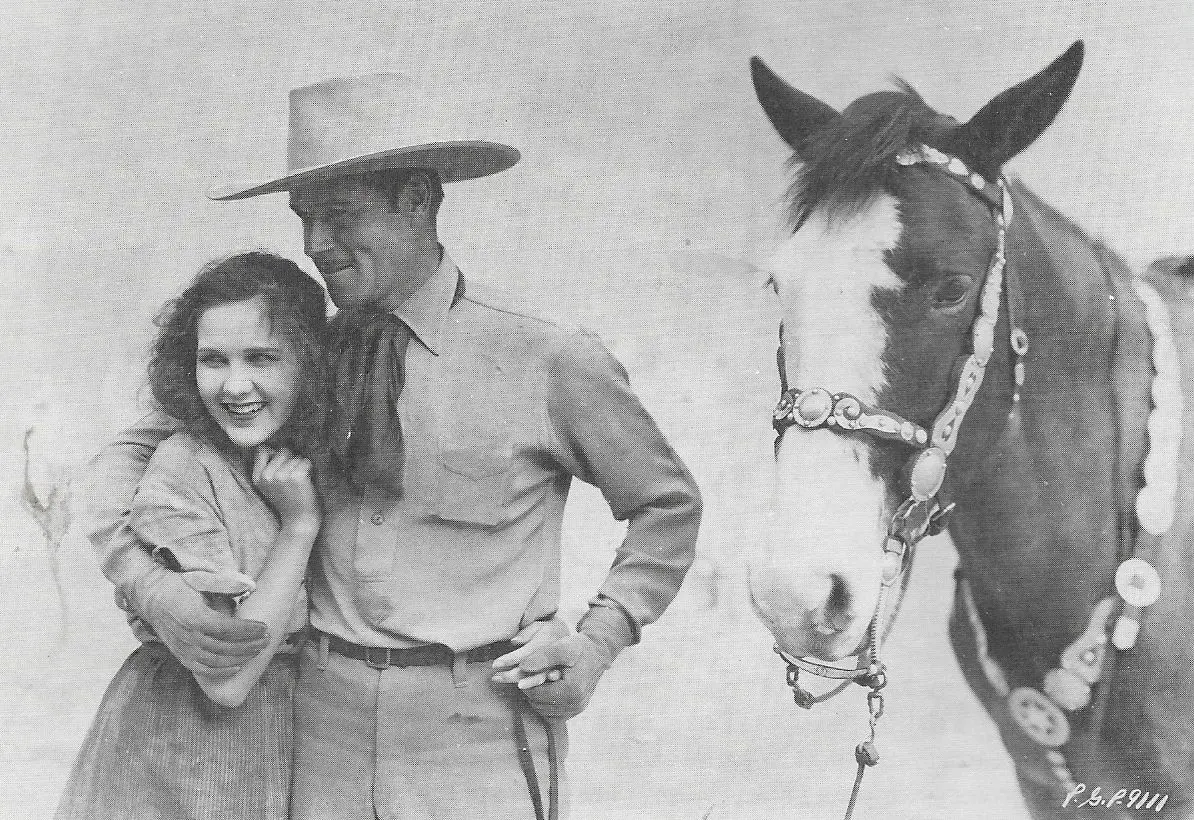
Jack Holt delivers a performance that is remarkably restrained. In an era where pantomime often veered into the absurd, Holt uses his physicality to convey a sense of weary competence. Every time he scans the horizon, you feel the weight of his isolation. His chemistry with Mary Brian (Gail) is immediate, though hampered by the script's requirement for her to believe the most transparent lies told by Ira Todd.
Brandon Hurst as the villainous Todd is a highlight. He doesn't twirl his mustache; he operates with a chilling, bureaucratic coldness. He represents a different kind of Western villain—the one who uses words and legal loopholes rather than just a fast draw. This contrast is much sharper than the broader characterizations seen in The Sea Master. Hurst makes the audience genuinely despise him, which is the hallmark of a successful antagonist.
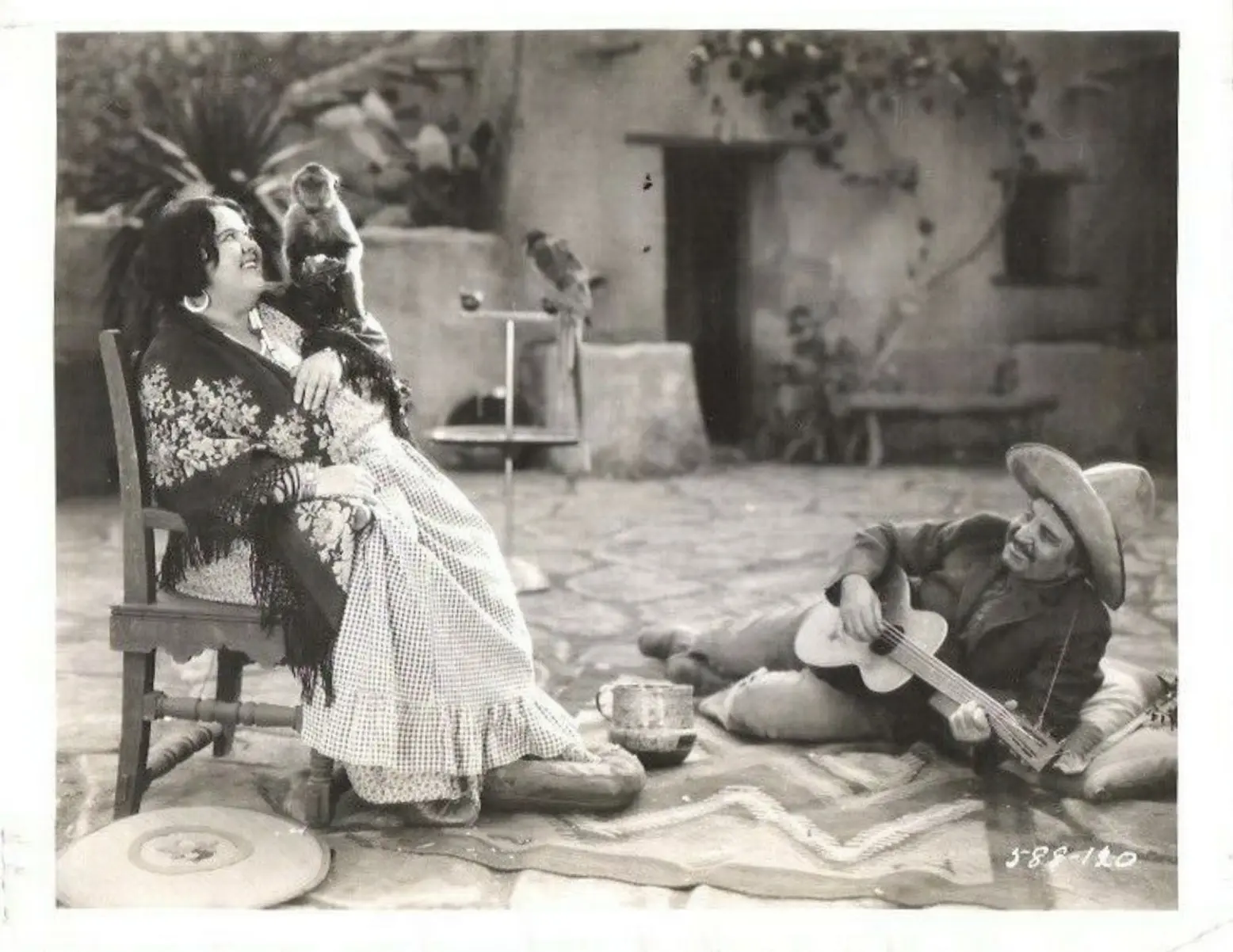
For many modern viewers, the draw here is the presence of a very young Gary Cooper. Though his role is minor, his screen presence is undeniable. Even in the background, he possesses a stillness that would later make him an icon. Watching him here is like seeing a rough diamond before the polish. He fits the landscape in a way that feels organic, a stark contrast to some of the more theatrical supporting cast members like Mathilde Comont.
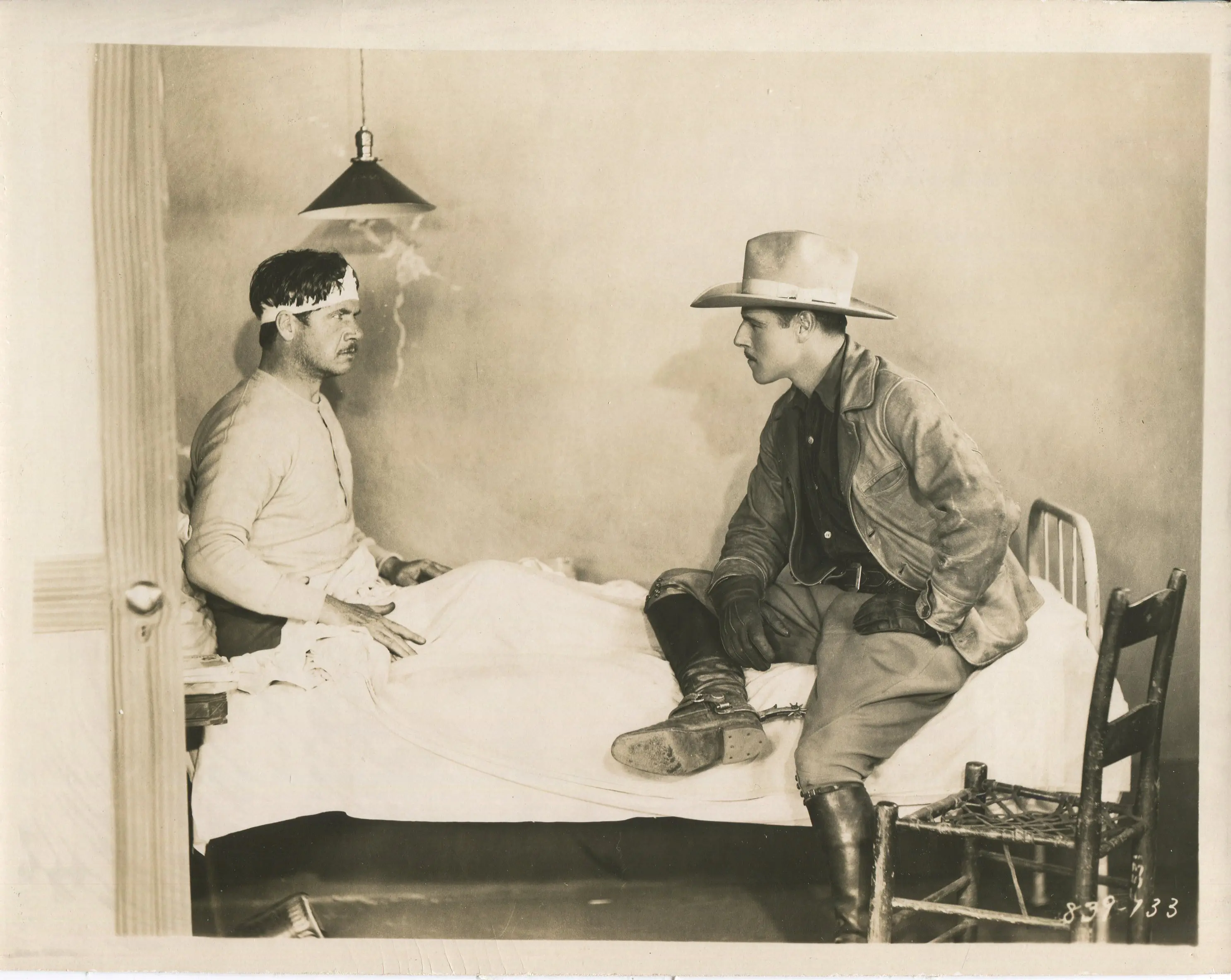
It is fascinating to compare his early work here to the more stylized performances in films like Mystic Faces. Cooper represents the shift toward the 'natural' acting style that would eventually define Hollywood's Golden Age. His inclusion alone makes this a mandatory watch for film historians.
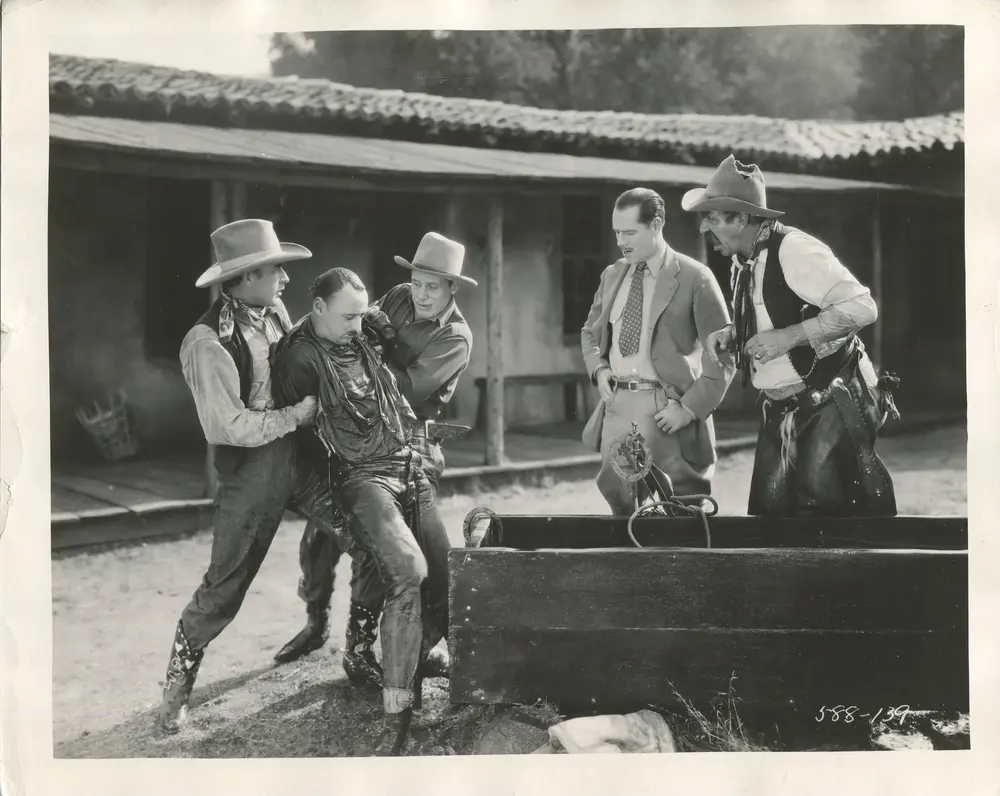
The directing by George Melford ensures that the action sequences are clear and impactful. The 'pitched battle' between the men of Enchanted Hill and the Box K crew is choreographed with a sense of geography that many silent directors missed. You always know where the characters are in relation to one another. This spatial awareness creates genuine tension during the shootout.
"The Enchanted Hill isn't just a location; it's a character that demands a blood sacrifice for its secrets."
The pacing is another strong suit. Unlike the somewhat languid progression of Pals First, this film keeps the stakes escalating. Every time Purdy seems to find a moment of peace, the conspirators tighten the noose. The use of intertitles is judicious, allowing the visual storytelling to do the heavy lifting. This is pure cinema—relying on the image of a burning ranch or a desperate ride to convey emotion.
Pros:
- Exceptional location shooting that makes the hill feel truly isolated.
- A strong, understated lead performance by Jack Holt.
- Historical significance due to the early appearance of Gary Cooper.
- Tight editing that prevents the 1920s runtime from feeling bloated.
Cons:
- The villain's plan relies heavily on Gail being incredibly easy to fool.
- Some supporting characters are played with an exaggerated theatricality that clashes with Holt's realism.
- The resolution with the law feels a bit too convenient after such a visceral build-up.
One surprising element of the film is its portrayal of the banker. In many Westerns of this period, the banker is a victim of outlaws. Here, the banker is the outlaw. This subtle subversion of class roles hints at a growing cynicism in American culture following World War I. It echoes the themes of greed found in The Seekers, suggesting that the real danger in the West wasn't the man with the gun, but the man with the ledger.
The Enchanted Hill is a robust, well-constructed piece of silent entertainment. It doesn't reinvent the wheel, but it spins it with incredible precision. It is a film of shadows and gold, of misplaced trust and hard-won redemption. It works. But it’s flawed. If you can look past the era's gender politics, you will find a gripping thriller that still has the power to hold an audience. It is a vital piece of the Western puzzle that deserves its place in the conversation alongside contemporaries like Trapped in the Air. Final thought: Watch it for the history, stay for the tension.
IMDb —
1926
Community
Log in to comment.