DbcultAccessing Vault...
5.4/10
Senior Film Conservator
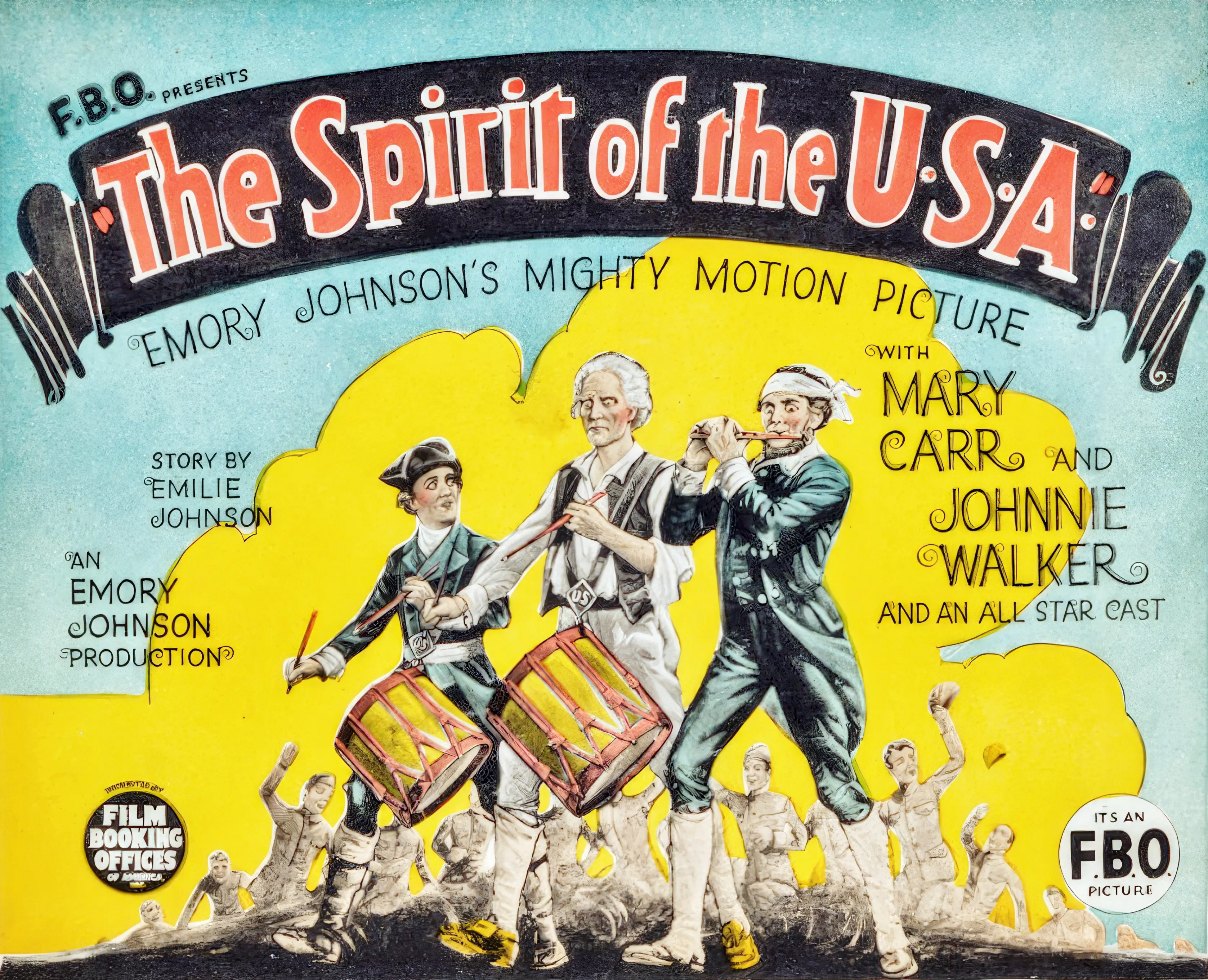
A definitive 5.4/10 rating for a film that redefined the boundaries of cult cinema. The Spirit of the USA remains a cornerstone of transgressive art.
In the grand tapestry of American cinema, certain films emerge not just as narratives, but as profound cultural artifacts, encapsulating the zeitgeist of their era while resonating with timeless human truths. 'The Spirit of the USA' stands as one such creation, a compelling dramatic piece that, through its unvarnished portrayal of sacrifice, duty, and familial resilience, offers a potent distillation of what it meant to embody the American character in a period of immense global upheaval. This is not merely a story; it is an ideological treatise, a cinematic sermon on the virtues deemed essential for national fortitude, delivered through the trials and tribulations of the Gains family.
At its heart lies Johnnie Gains, portrayed with an earnest gravitas by Newton House. Johnnie is introduced as the very embodiment of the industrious, self-sacrificing son, a figure seemingly carved from the bedrock of American agricultural ideals. His hands, no doubt calloused from the demanding rhythms of farm life, symbolize an inherent connection to the land and a deep-seated work ethic. This spirit of sacrifice, however, is not confined to the pastoral; it extends to the very core of his being, manifesting as an ardent desire to serve his nation militarily. Yet, fate, in its often-cruel irony, intervenes. An eye injury, a seemingly minor flaw in the grand scheme of his physical prowess, renders him unfit for active combat. This rejection, a profound blow to his patriotic aspirations, forces a redirection of his formidable energies. Instead of the battlefield, Johnnie enlists in the Salvation Army, a choice that, far from diminishing his spirit, elevates it, transforming his desire for national service into a broader commitment to humanity. This pivot is crucial, marking Johnnie as a character whose dedication transcends conventional definitions of heroism, embracing a spiritual and social form of warfare against poverty and despair.
The narrative gains its dramatic friction from the stark contrast between Johnnie and his younger brother. Where Johnnie is defined by industry and selflessness, his brother is characterized by indolence and a premature, perhaps ill-advised, marriage. This familial dichotomy is a classic storytelling device, highlighting the divergent paths individuals can take even within the same upbringing. The younger brother's initial reluctance to embrace responsibility, particularly the call to arms, reflects a societal tension prevalent during wartime – the struggle between personal comfort and national duty. Ultimately, goaded by unseen forces or perhaps a belated awakening of conscience, he does enlist, only to meet a tragic, premature end on the battlefield. This loss is not merely a personal tragedy for the Gains parents, poignantly brought to life by Mary Carr and William S. Hooser; it is a profound societal commentary on the ultimate cost of war, reverberating through the quiet dignity of a farming family.
The death of the younger son precipitates a further layer of domestic strife, a betrayal that cuts deeper than any external conflict. His widow, a character whose moral compass appears severely misaligned, seizes upon the tragedy as an opportunity for personal gain, callously evicting the grieving parents from their ancestral home. This act of disinheritance, a wrenching violation of familial trust and traditional values, leaves the elderly couple vulnerable and dispossessed. It is at this juncture that Johnnie Gains, having served his spiritual tour of duty, makes his triumphant return. His re-emergence is not just a physical return; it is a symbolic restoration, a homecoming that brings with it the promise of justice and the reaffirmation of enduring principles. He single-handedly restores the homestead to his parents, not just rebuilding a physical structure, but mending the shattered fabric of their lives, embodying the very 'spirit of the USA' – a spirit of unwavering resolve, familial loyalty, and an unyielding commitment to rectitude. The film, through Johnnie's actions, champions the idea that true patriotism extends beyond the battlefield, into the very heart of community and family.
The performances, particularly from Newton House as Johnnie, anchor the film's emotional weight. House conveys a quiet strength, a moral certainty that never descends into self-righteousness. His portrayal of a man finding alternative avenues for service, and then stepping up as the family's bedrock, is both inspiring and deeply human. Mary Carr, as one of the parents, undoubtedly imbues her character with the stoicism and suffering characteristic of rural matriarchs facing unimaginable hardship, a performance that would resonate deeply with audiences of the time. The supporting cast, including Gloria Grey, David Kirby, and Richard Morris, each contribute to the rich tapestry of this small-town drama, creating a believable community against the backdrop of national crisis.
The screenplay by Emilie Johnson is a testament to her keen understanding of early 20th-century American sensibilities. Johnson crafts a narrative that is both morally instructive and emotionally resonant, tapping into the prevailing currents of patriotism, duty, and the sanctity of the family unit. Her writing likely emphasized clear moral distinctions and a narrative arc that rewarded virtue and punished avarice, a common trope in films of this era, designed to reinforce societal norms and values during a period of rapid change and uncertainty. The film's themes of self-sacrifice for the greater good, whether on the battlefield or in the domestic sphere, would have strongly appealed to a populace grappling with the aftermath of a global conflict and striving to redefine national identity.
Comparing 'The Spirit of the USA' to other cinematic works of its time illuminates its unique position. While films like 'The Strength of the Weak' might explore individual moral struggles, 'The Spirit of the USA' elevates its personal drama to a national allegory. Similarly, in an era where melodramas like 'Pawn of Fate' often depicted characters at the mercy of overwhelming circumstances, Johnnie Gains stands out as an agent of change, actively shaping his destiny and that of his family. The film’s focus on the Salvation Army also sets it apart, offering a glimpse into the societal roles of such organizations during wartime, a theme less overtly explored than direct military conflict in contemporary works such as perhaps 'Reported Missing', which would likely focus on the direct consequences of military service.
The film's exploration of family dynamics under duress, particularly the stark contrast between Johnnie and his brother, resonates with timeless archetypes. This duality is not merely for dramatic effect; it serves as a moral compass, guiding the audience toward an understanding of what constitutes true virtue. The brother's tragic fate, a direct consequence of his initial indolence and belated, enforced service, serves as a cautionary tale, while Johnnie's steadfastness offers a blueprint for honorable conduct. This narrative technique, while perhaps didactic by modern standards, was immensely effective in its time, shaping public perception and reinforcing cherished values.
The visual language of 'The Spirit of the USA,' though constrained by the technological limitations of early cinema, would have been highly effective in conveying its message. Close-ups of Johnnie's determined face, wide shots of the struggling homestead, and perhaps symbolic imagery of the American flag or Salvation Army banners, would have underscored the film's thematic intentions. The acting style, characterized by broader gestures and more overt expressions common in silent films, would have amplified the emotional impact, making the characters' struggles and triumphs palpable to the audience. Such cinematic storytelling was a powerful medium for shaping national identity and reinforcing communal bonds during a period of significant social flux.
Moreover, the film's portrayal of the parents' eviction at the hands of their daughter-in-law introduces a dark undercurrent of human venality, a stark contrast to the film's overarching patriotic themes. This moment of domestic treachery highlights the fragility of human relationships and the corrupting influence of greed, even amidst national crisis. It is a powerful narrative choice that elevates the film beyond a simple patriotic drama, imbuing it with a sense of the universal struggle between good and evil, loyalty and betrayal. The resolution, with Johnnie's return and restoration of the homestead, functions as a powerful catharsis, a reaffirmation that justice, though sometimes delayed, will ultimately prevail. This narrative structure, a journey through suffering to ultimate triumph, is deeply ingrained in the American psyche, reflecting a belief in resilience and the power of individual agency.
In an era when films like 'In Wrong' might have explored comedic misadventures or 'The Oval Diamond' delved into crime, 'The Spirit of the USA' chose a path of earnest drama, seeking to uplift and inspire. It eschewed the sensationalism of a 'Vampire' or the lightheartedness of 'Girlies and Grubbers', instead focusing on the bedrock values that its title proudly proclaimed. This commitment to serious subject matter, delivered with a clear moral intent, speaks volumes about the film's aspirations and its intended impact on its audience. The film, therefore, serves not just as entertainment but as a moral compass, guiding its viewers through the complexities of duty, family, and national identity.
The enduring appeal of 'The Spirit of the USA' lies in its ability to tap into fundamental human emotions and societal aspirations. It is a story of personal growth, of overcoming adversity, and of the profound impact one individual can have on the lives of others. Johnnie Gains' journey, from rejected soldier to spiritual warrior and ultimately to familial savior, is a powerful testament to the multifaceted nature of heroism. His quiet determination, his unwavering loyalty, and his ultimate triumph against both external and internal adversaries encapsulate a vision of American strength that transcends political rhetoric, finding its roots in the simple, yet profound, acts of courage and compassion.
As an artifact of early American cinema, 'The Spirit of the USA' offers a fascinating window into the cultural landscape of its time. It reflects a society grappling with the aftermath of war, seeking to reaffirm its core values and define its national character. Through the struggles of the Gains family, the film champions the ideals of perseverance, integrity, and the enduring power of family. It reminds us that the 'spirit of the USA' is not merely a grand abstract concept, but a living, breathing force, manifested in the everyday acts of ordinary people who, when faced with extraordinary challenges, choose duty over indolence, sacrifice over selfishness, and compassion over avarice. This film, therefore, is not just a historical curiosity; it is a vital document, a narrative blueprint for understanding the enduring values that continue to shape the American ethos.
The careful crafting of the plot by Emilie Johnson ensures that every twist and turn serves to reinforce the central themes. The initial rejection of Johnnie from military service, rather than being a defeat, becomes a catalyst for a different, yet equally vital, form of service. The indolent brother's tragic end serves as a stark contrast, highlighting the consequences of a life lived without clear purpose. And the daughter-in-law's callous eviction of the parents provides the ultimate antagonist, a force of betrayal that Johnnie must overcome. This meticulously constructed narrative provides both emotional depth and moral clarity, making 'The Spirit of the USA' a compelling and thought-provoking cinematic experience that transcends its historical context to speak to universal human experiences.
Even compared to other dramatic offerings of the period, such as the intense emotional landscapes of 'Le ravin sans fond' or the societal commentary within 'The Probation Wife', 'The Spirit of the USA' maintains a distinct voice. It grounds its grand themes in the intimate setting of a family farm, making the abstract ideals of patriotism and sacrifice tangible and relatable. This grounded approach, combined with the clear moral messaging, allowed the film to resonate deeply with audiences, offering both entertainment and a reinforcing of communal values during a pivotal moment in American history. It solidifies its place not just as a film, but as a cultural touchstone.
In conclusion, 'The Spirit of the USA' is more than a historical drama; it is a profound examination of character, duty, and resilience. It presents a world where individual choices have far-reaching consequences, and where the enduring strength of the human spirit, especially when guided by an unwavering moral compass, can overcome even the most daunting adversities. Through Johnnie Gains' inspiring journey, the film delivers a powerful message about the true essence of patriotism and the timeless values that bind a nation. It's a cinematic testament to the idea that the greatest heroes are often those who quietly, yet resolutely, stand for what is right, ensuring that the spirit of their nation, and their family, endures.
IMDb 6.7
1934
Community
Log in to comment.