DbcultAccessing Vault...
Cult Review
Senior Film Conservator
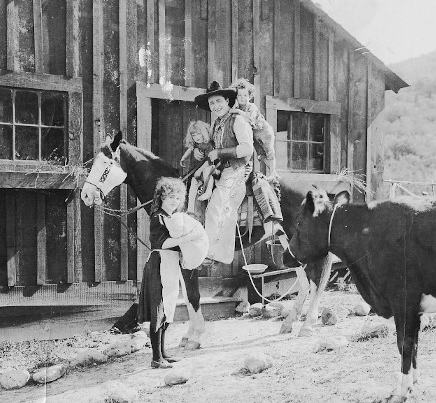
Step back into an era when cinema was a silent symphony, a grand canvas where stories unfolded through gesture, expression, and the stark beauty of the American landscape. 'Durand of the Bad Lands,' a cinematic offering from 1916, stands as a compelling testament to the power of early filmmaking, a narrative that, even without spoken dialogue, resonates with themes as timeless as the vast, unforgiving plains it depicts. This film is more than just a historical artifact; it's a vibrant exploration of morality, redemption, and the fluid nature of justice in a world still grappling with its own identity. At its heart lies a protagonist whose journey from notoriety to an unexpected form of heroism challenges conventional notions of good and evil, inviting audiences to ponder the complexities of the human spirit.
The film introduces us to Dick Durand, portrayed with a compelling gravitas by the legendary Dustin Farnum. Farnum, a titan of the early screen, brings a raw, magnetic energy to the role of an outlaw whose life is initially defined by the pursuit of plunder. His presence alone is enough to anchor the narrative, providing a focal point for the audience's evolving understanding of his character. We first encounter Durand not as a hero, but as a man operating outside the established boundaries of law and order, traversing the 'Bad Lands' in search of his next score. This initial portrayal sets up a powerful juxtaposition with the events that are soon to transpire, laying the groundwork for a profound character arc that is both unexpected and deeply engaging. The sheer audacity of his initial existence makes his subsequent actions all the more impactful, creating a fascinating study in moral transformation.
It is during one such expedition that Durand's trajectory takes an abrupt and violent turn. He stumbles upon a scene of horrific carnage: a group of settlers under siege by a band of Indians. The film, in its silent immediacy, conveys the brutality of the attack, forcing Durand into a spontaneous act of intervention. His decision to open fire on the attackers, though born from an immediate, visceral reaction, marks the precise moment his identity begins to shift. He is no longer merely an outlaw; he is a force against destruction, a reluctant protector. While his efforts manage to rout the assailants, the devastation is profound, leaving only three terrified children amidst the bodies of their slain kin. This pivotal sequence is handled with a stark realism that, for its time, would have been deeply affecting, highlighting the brutal realities of frontier life and the ever-present threat of violence. Farnum's silent portrayal of Durand's internal struggle—the shock, the dawning realization of responsibility—is masterfully executed, drawing the viewer into his moral quandary.
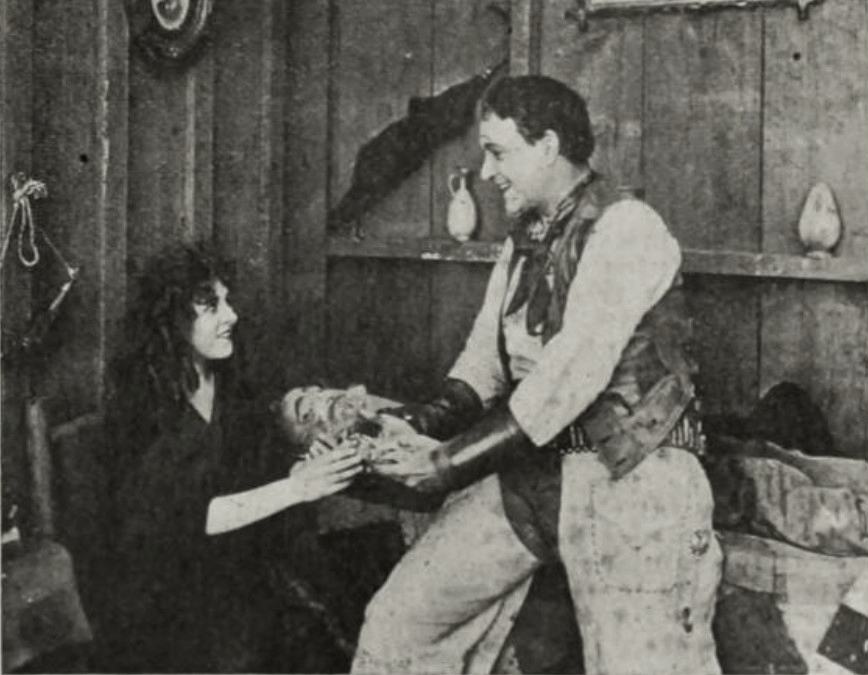
The aftermath of this massacre propels Durand into his next, equally transformative act. He takes the orphaned children under his wing, a gesture utterly at odds with his established reputation. His subsequent decision to place them in the care of Molly Gore, a kind-hearted woman portrayed by Mona Lisa, is where the narrative truly begins to blossom. Molly, unaware of Durand’s true identity as the notorious outlaw, sees only a compassionate horseman, a rescuer. This dramatic irony is a powerful engine for the film’s emotional core, building suspense and empathy simultaneously. Mona Lisa imbues Molly with a gentle strength, a quiet dignity that makes her the perfect foil and eventual moral compass for Durand. Her unsuspecting nature allows the audience to witness Durand through an untainted lens, seeing the nascent goodness that lies beneath his hardened exterior. The bond that subtly begins to form between them, built on shared humanity and a mutual concern for the children, is one of the film’s most tender and compelling elements, echoing the quiet resilience seen in films like The Goose Girl, where innocence often catalyzes profound change.
Durand's struggle, however, is far from over. The shadow of the law, personified by a relentless sheriff, looms ever closer. Yet, even with the threat of capture hanging heavy, Durand finds himself drawn into another act of selfless heroism. He learns of a young girl kidnapped by the very same Indian band he had previously confronted. This second rescue mission is not merely a repetition of the first; it signifies a deeper commitment to his newfound moral code. It is no longer a spontaneous reaction but a conscious choice to risk everything for another's safety. This particular sequence allows Dustin Farnum to showcase his range, portraying a man driven by an internal imperative rather than external gain. The tension during this rescue is palpable, a silent ballet of pursuit and evasion that is expertly choreographed, a testament to the directorial vision of the era. The narrative craftsmanship of Maibelle Heikes Justice, the film's writer, truly shines here, building an intricate plot where each selfless act further complicates, yet ultimately redeems, the protagonist.
The culmination of this daring rescue brings Durand face-to-face with the very justice he has long evaded. Upon returning the girl to her grateful father, the sheriff, who has been in close pursuit, finally apprehends him. The scene is imbued with a sense of tragic irony; Durand is captured not for his past misdeeds, but immediately following an act of profound courage and compassion. This moment highlights the often-blind nature of the law, which cannot always discern intent or transformation. However, fate, or perhaps the unfolding narrative logic, has a final twist in store. The girl Durand saved is revealed to be the governor's daughter, a dramatic revelation that elevates the stakes considerably. This unforeseen connection acts as the ultimate catalyst for Durand’s redemption, underscoring the film’s central theme that good deeds, regardless of one's past, can lead to unforeseen and profound consequences. It's a narrative device that, while perhaps melodramatic by modern standards, was exceptionally effective in eliciting audience sympathy and driving the plot towards its redemptive conclusion.
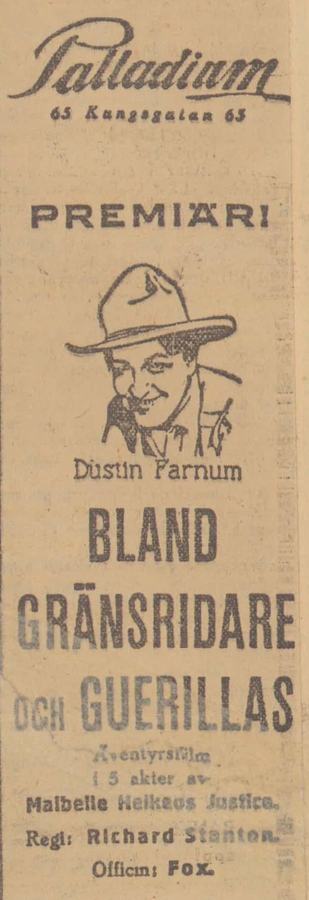
The intervention of the governor, spurred on by Molly Gore’s passionate advocacy, seals Durand’s fate, but not in the way one might expect. Molly, having witnessed Durand’s true character, becomes his most ardent champion, her belief in his inherent goodness overriding the accusations of his past. Her appeal to the governor, a powerful figure played with appropriate authority, is a pivotal moment, showcasing the strength of conviction and the power of love to alter destiny. The governor’s decision to pardon Durand, based not just on the rescue of his daughter but on Molly's testimony of his transformed character, is the ultimate affirmation of the film's message: that redemption is possible, and that true justice can sometimes transcend the letter of the law. This resolution provides a satisfying emotional payoff, allowing Durand to shed his outlaw skin and embrace a new life, settling down to a peaceful existence with Molly. This arc, where a character is judged not solely by their past but by their actions and the testimony of those who truly know them, resonates with themes explored in films like Judge Not, which similarly delves into the complexities of moral assessment.
The performances in 'Durand of the Bad Lands' are, for the most part, exemplary for their time. Dustin Farnum's portrayal of Dick Durand is a masterclass in silent acting. He conveys a spectrum of emotions—from rugged stoicism to tender concern, from fierce determination to weary resignation—all through subtle gestures, intense gazes, and a powerful physical presence. His ability to communicate such complex internal states without a single line of dialogue is truly remarkable. Mona Lisa, as Molly Gore, provides a gentle yet firm counterpoint to Farnum's ruggedness. Her character embodies compassion and unwavering faith, making her an essential element in Durand’s journey. The supporting cast, including Lee Morris, Frankie Lee, Winifred Kingston, and Ethylyn Chrisman, contributes effectively to the film's rich tapestry, each adding depth to the frontier community. Even a brief appearance by the legendary Tom Mix, a future icon of the Western genre, adds a touch of historical significance, hinting at the evolving landscape of cinematic heroism.
The film’s direction, while uncredited in some historical records but likely guided by the sensibilities of the era's prominent filmmakers, effectively utilizes the vast landscapes of the American West. The cinematography captures the grandeur and isolation of the 'Bad Lands,' making the setting an active character in itself. The wide-open spaces emphasize both the freedom and the peril of frontier life, a common yet effective trope in the Western genre. The action sequences, particularly the Indian attacks and Durand's daring rescues, are staged with a kinetic energy that belies the limitations of silent film technology. The editing maintains a brisk pace, ensuring that the audience remains engaged, even during the more reflective moments. The use of intertitles is judicious, providing essential plot points and dialogue without overwhelming the visual narrative, allowing the actors' expressions and actions to carry the primary storytelling burden. This careful balance between visual and textual information is a hallmark of well-crafted silent cinema, much like the thoughtful narrative construction of Vingarne, which masterfully uses visual metaphor.
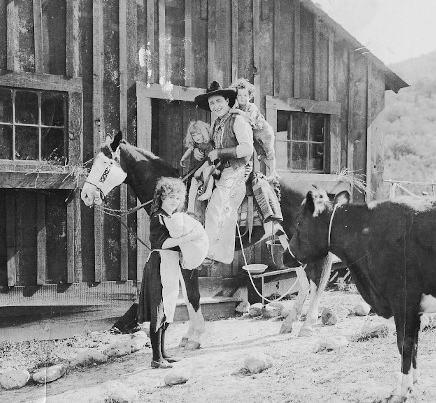
Thematic resonance is where 'Durand of the Bad Lands' truly shines. At its core, it's a story about redemption, a narrative thread as old as storytelling itself, yet rendered fresh by its frontier setting and the compelling transformation of its protagonist. Durand's journey from outlaw to savior, and ultimately to a pardoned citizen, speaks to the enduring human capacity for change and the belief that past transgressions need not define one's future. It also explores the concept of 'frontier justice,' where the lines between lawful and unlawful, good and bad, are often blurred. Durand, an outlaw, performs acts of heroism that the official law enforcement struggles to achieve, forcing a re-evaluation of who truly upholds justice in a lawless land. This blurring of lines, where a personal code of ethics sometimes supersedes legal statutes, is a recurring motif in the Western genre, and 'Durand' navigates it with particular nuance. The film also touches upon the power of love and compassion, exemplified by Molly's unwavering faith in Durand, which ultimately proves to be the key to his freedom and new life. This transformative power of connection is a narrative cornerstone, showcasing how human relationships can forge new destinies.
From a historical perspective, 'Durand of the Bad Lands' offers valuable insights into the early development of the Western genre. Released in 1916, it predates many of the more iconic Westerns of the sound era but firmly establishes tropes and character archetypes that would become staples. The 'outlaw with a heart of gold' is a classic figure, and Farnum's portrayal helped solidify its appeal. The film's depiction of Native Americans, while a product of its time and potentially problematic by contemporary standards, reflects the prevailing attitudes and narrative conventions of early 20th-century cinema. It serves as a historical document, prompting reflection on how such portrayals have evolved and what they reveal about cultural perceptions. The film also showcases the star system in its nascent stages, with Dustin Farnum's name prominently featured, drawing audiences into theaters. The sheer scope of the production, with its outdoor locations and action sequences, highlights the ambition of early filmmakers to create grand, immersive spectacles, a sentiment shared by other expansive productions of the era, such as A Modern Thelma, which also aimed for broad appeal and dramatic impact.
The screenplay by Maibelle Heikes Justice is particularly noteworthy. Justice, a prolific writer of the silent era, crafted a narrative that is both action-packed and emotionally resonant. Her ability to develop complex characters and weave together multiple plot threads—the outlaw's journey, the romance, the rescue missions, the pursuit of justice—into a cohesive and engaging story demonstrates a keen understanding of cinematic storytelling. The pacing of the script is excellent, maintaining suspense while allowing for moments of character development and emotional depth. She skillfully uses the limitations of silent film to her advantage, relying on strong visual cues and clear narrative progression to convey meaning. Her work on 'Durand of the Bad Lands' exemplifies the crucial role of screenwriters in shaping the nascent art form, proving that a compelling story is the bedrock of any successful film, regardless of the technological advancements of the time. Her intricate plotting is reminiscent of the detailed narratives found in serials like The Seven Pearls, where every twist and turn builds towards a larger resolution.
Ultimately, 'Durand of the Bad Lands' is more than just a historical curiosity; it is a captivating piece of early American cinema that holds up remarkably well. Its themes of redemption, the blurred lines of justice, and the transformative power of compassion are universal and timeless. Dustin Farnum delivers a powerhouse performance, skillfully navigating the complexities of his character without uttering a single word. The film’s visual storytelling, combined with Maibelle Heikes Justice's robust screenplay, creates an experience that is both thrilling and emotionally resonant. For enthusiasts of silent film, Westerns, or simply compelling character dramas, 'Durand of the Bad Lands' offers a rich and rewarding viewing experience. It reminds us that long before advanced CGI or intricate sound design, the essence of powerful storytelling lay in compelling characters, dramatic conflict, and the enduring human spirit. It's a film that deserves to be rediscovered and appreciated for its significant contribution to cinematic history and its enduring narrative power, much like other enduring classics of the era, such as Blue Grass, which similarly captured the spirit of its time through compelling drama and evocative landscapes.
IMDb 6.8
1929
Community
Log in to comment.