DbcultAccessing Vault...
5.8/10
Senior Film Conservator
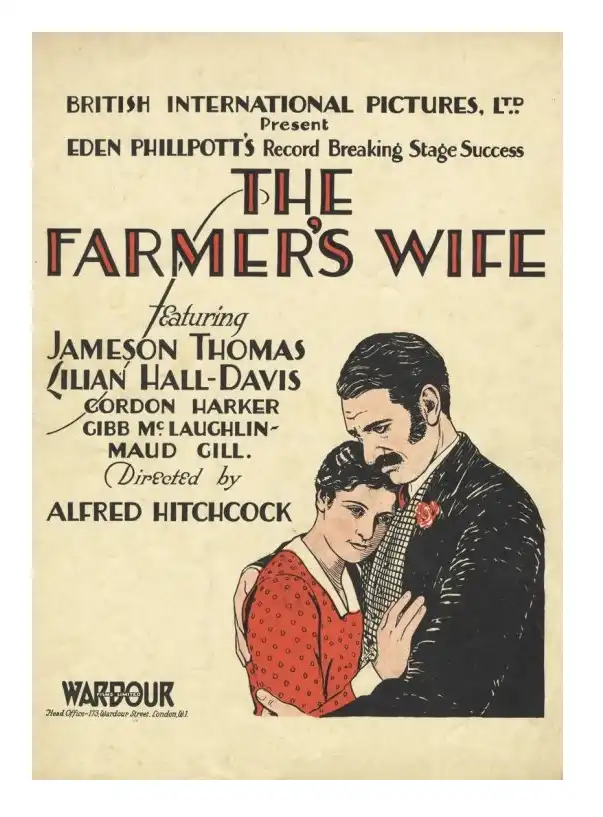
A definitive 5.8/10 rating for a film that redefined the boundaries of cult cinema. The Farmer's Wife remains a cornerstone of transgressive art.
Alfred Hitchcock’s 1928 silent comedy, The Farmer's Wife, is a fascinating, if not entirely essential, watch for anyone interested in the director’s early career or the nuances of British silent cinema. It's an amiable, gentle film that largely succeeds as a period piece and a character study, making it worth seeing today primarily for silent film enthusiasts, Hitchcock completists, and those who appreciate the slower rhythms of early narrative filmmaking. If you’re expecting the suspense, psychological depth, or even the visual flair of later Hitchcock, you’ll likely find its deliberate pacing and theatrical roots a challenge. This is a film for quiet Sunday afternoons, not Friday night thrills.
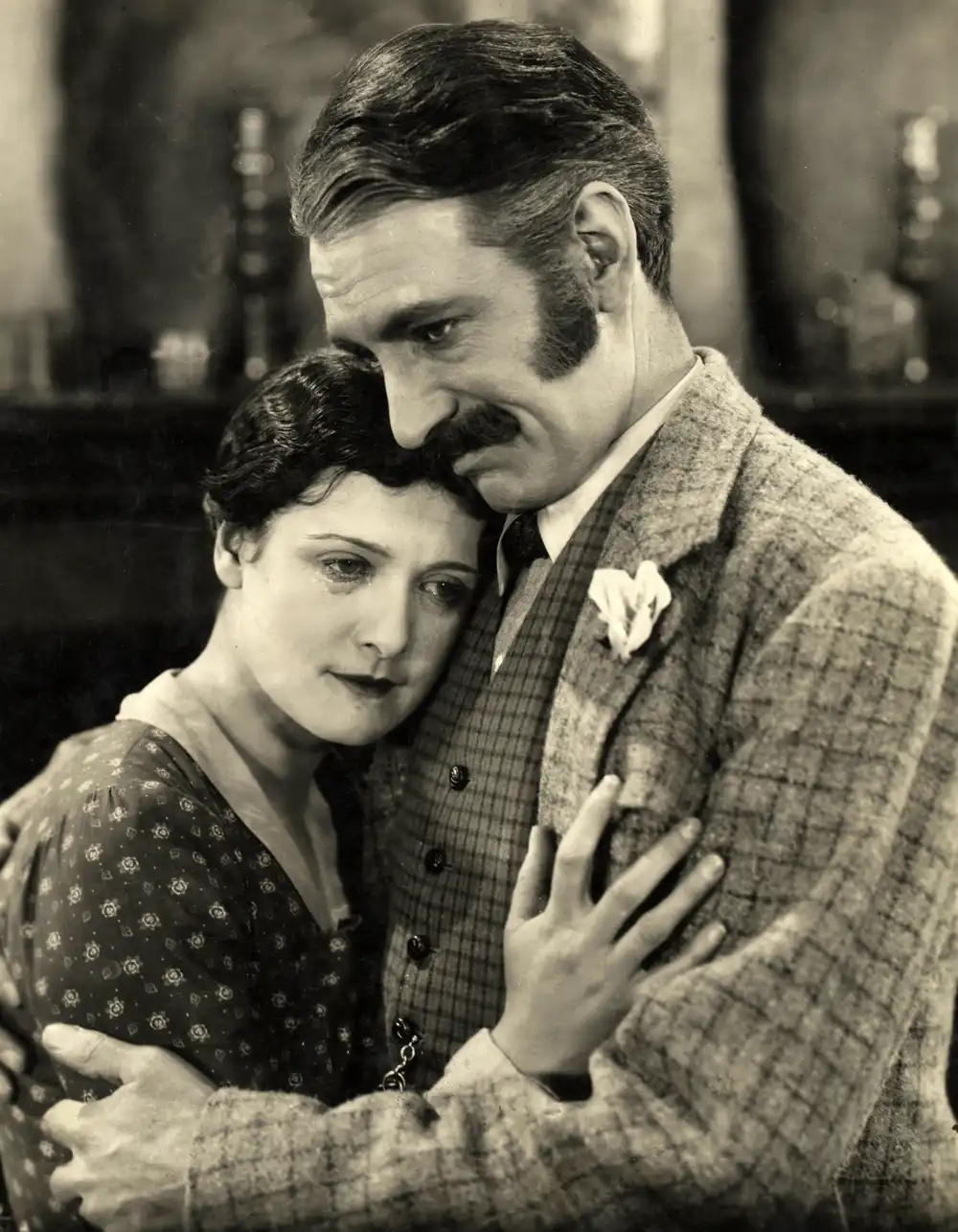
Coming from a director who would later define the thriller genre, The Farmer's Wife is remarkably light-hearted, a romantic comedy centered on the bumbling courtship of a middle-aged widower, Samuel Sweetland (Jameson Thomas), after his daughter marries. The film unfolds with a theatrical rhythm, unsurprising given its stage play origins. While this offers a certain charm, it also means the pacing can feel decidedly uncinematic at times. Scenes often play out in long takes, with characters entering and exiting frames as if moving across a stage. The humor, too, is often broad, relying on exaggerated reactions and the inherent awkwardness of Sweetland's increasingly desperate proposals.
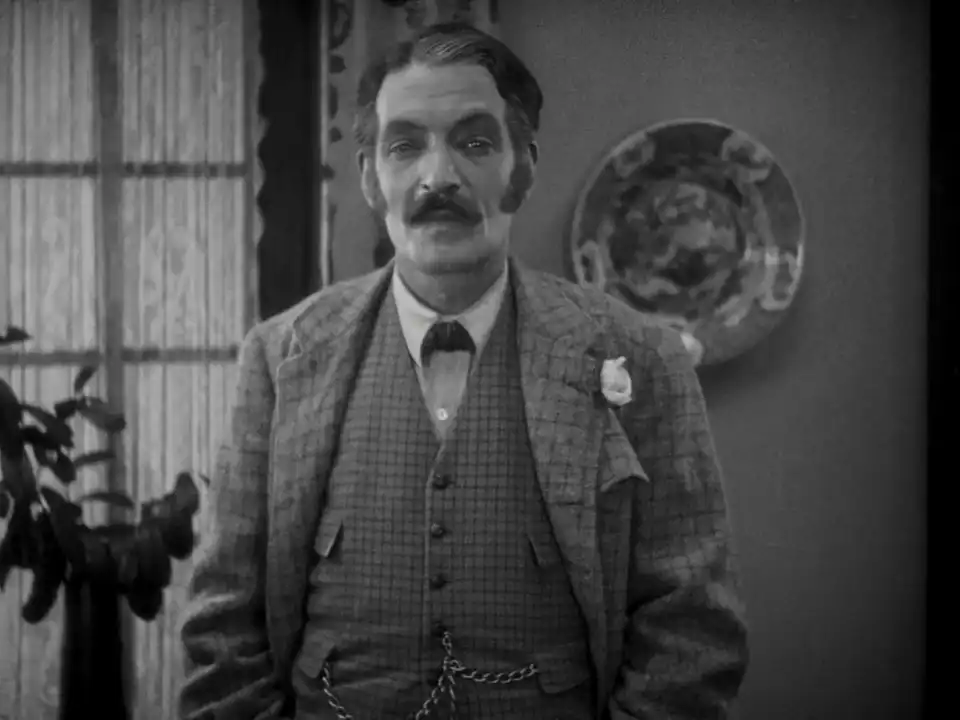
There are moments where the film genuinely sparkles, particularly in the reactions of the women Sweetland attempts to woo. The indignance of the woman who throws a pot at him, or the theatrical swoon of another, land effectively as silent comedy gags. However, the film sometimes lingers a little too long on these beats, stretching out a simple joke beyond its natural comedic life. This is particularly noticeable in the sequences where Sweetland consults his meticulous 'list' of potential wives; the repetition, while initially amusing, eventually starts to feel like padding.
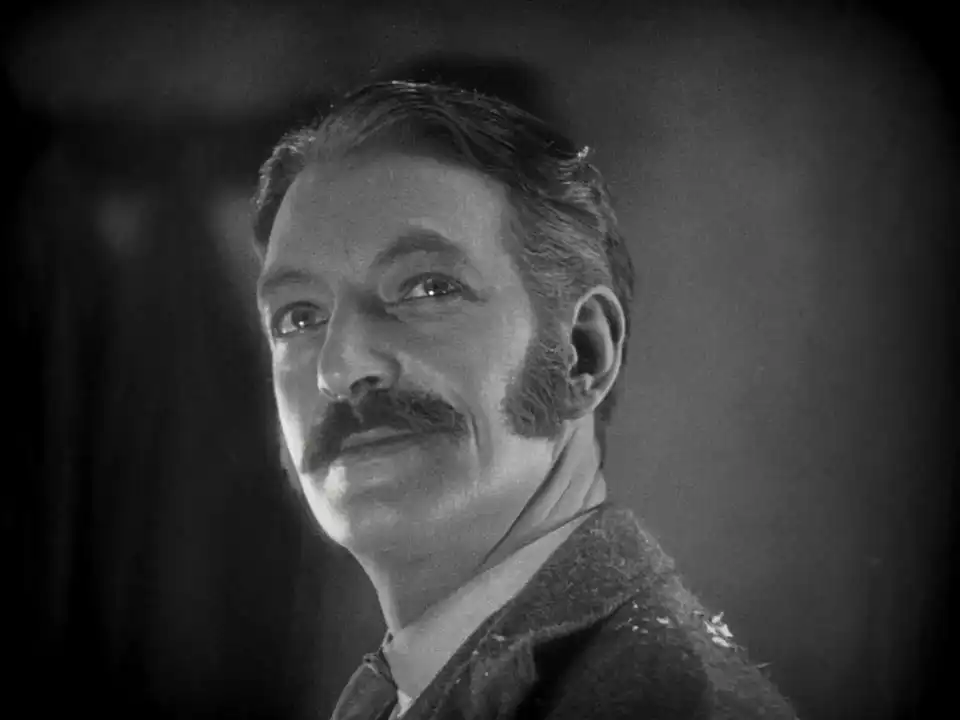
Jameson Thomas as Samuel Sweetland embodies the well-meaning but utterly clueless farmer with a performance that balances earnestness with a touch of the grotesque. His expressions swing from determined optimism to profound dejection, often within the same scene. He’s a character easy to root for, despite his ham-fisted approach to romance. His attempts to appear sophisticated, such as donning a slightly ill-fitting suit for a proposal, are genuinely endearing.
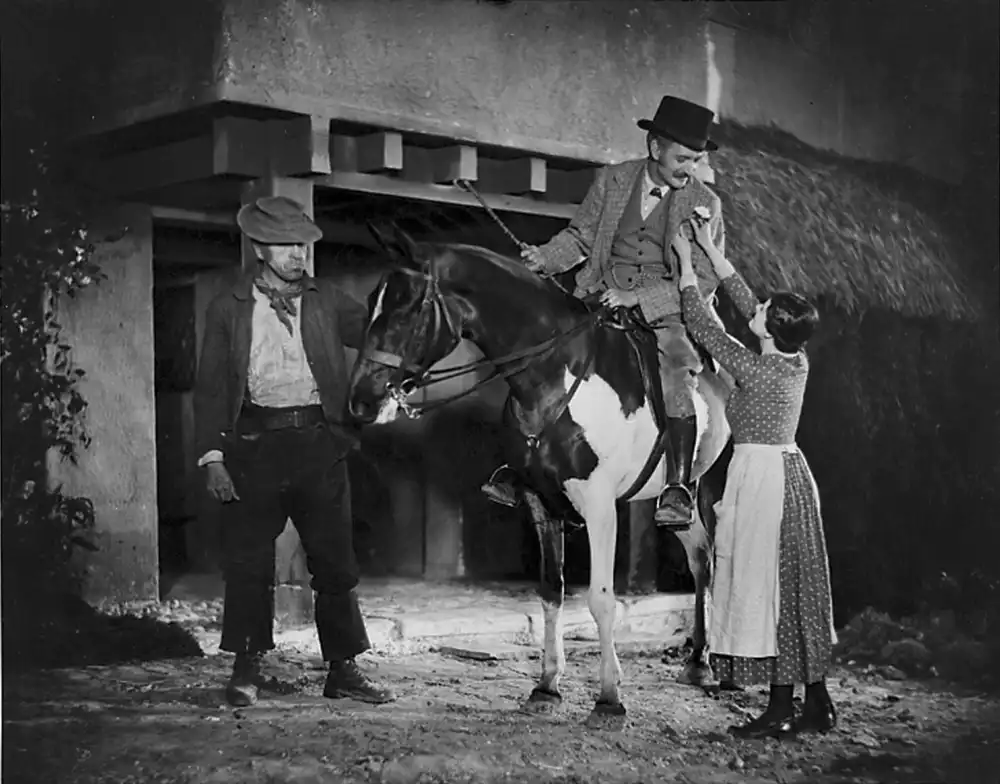
The film’s real understated strength, however, lies in Lillian Hall-Davis’s portrayal of Araminta Dench, Sweetland’s quiet housekeeper. While Sweetland blusters and bumbles through his romantic misadventures, Araminta is the calm, competent center of the household. Hall-Davis communicates a wealth of emotion through subtle glances and restrained gestures, often in the background of a scene. Her quiet, knowing smile as Sweetland recounts another failed courtship, or the almost imperceptible flicker of hope in her eyes, speaks volumes. It’s a performance that feels surprisingly modern in its naturalism, a stark contrast to some of the more overtly theatrical turns around her. Gibb McLaughlin, as Henry Coaker, Sweetland's perpetually sarcastic farmhand, also provides much-needed comic relief with his dry observations, often delivered with a perfectly timed, sardonic eye-roll.
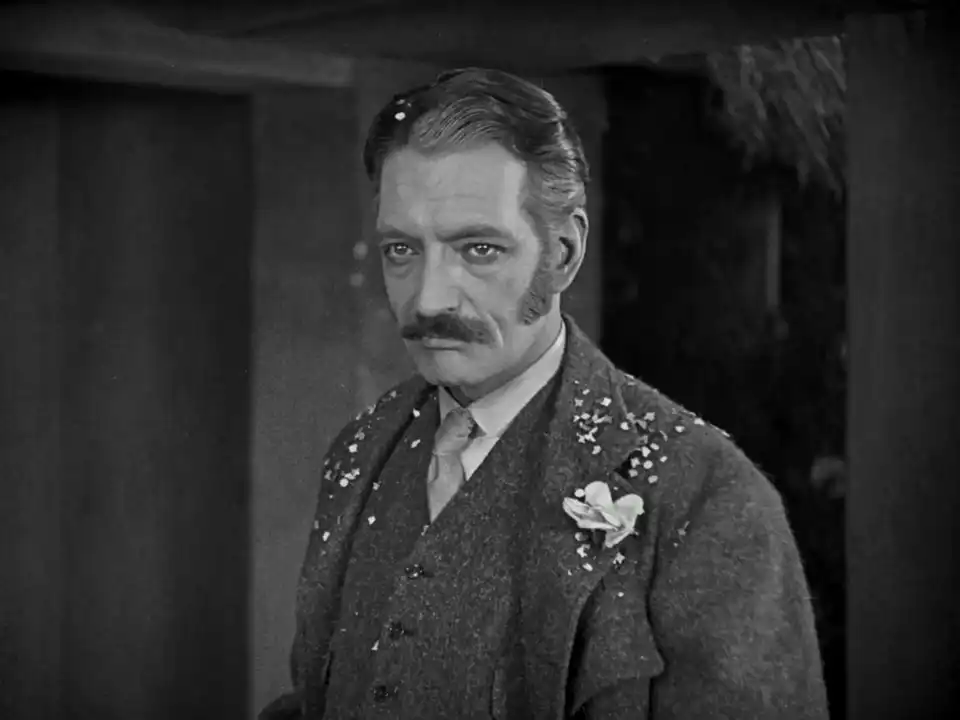
Even in this early, seemingly un-Hitchcockian film, there are glimmers of the director's burgeoning talent for visual storytelling. While the film is largely dialogue-driven (via intertitles), Hitchcock frequently uses visual information to convey character and situation. For instance, the recurring shots of Sweetland poring over his 'list' of women, framed almost like a ledger, visually reinforces his practical, almost business-like approach to finding a wife. The camera often favors medium shots and close-ups to capture the nuances of silent acting, particularly the expressive faces of the women reacting to Sweetland's proposals.
There’s a particularly effective sequence during the village fête, where the chaotic energy of the crowd and the various attractions (including a slightly absurd wrestling match) serve as a backdrop for Sweetland’s awkward attempts to impress. The way Hitchcock cuts between the general merriment and Sweetland's focused, yet failing, efforts to charm, adds a layer of visual irony. It’s not the intricate suspense sequences of The Lodger, but it shows a director already thinking about how to use the frame to tell a story beyond mere exposition.
The film’s greatest strength lies in its charming portrayal of rural life and its gentle, often relatable, humor about human foibles. The ensemble of character actors, particularly Hall-Davis, elevates the material. The setting itself, with its picturesque countryside and quaint village scenes, provides a pleasant backdrop. It’s a film that asks for patience and rewards it with a good-natured spirit.
The almost imperceptible flicker of hope in Araminta's eyes, or her knowing smile as Sweetland recounts another failed courtship, speaks volumes and offers a surprisingly modern depth.
However, the film’s stage origins are also its biggest weakness. The narrative often feels episodic, a series of vignettes rather than a flowing cinematic journey. The humor, while effective in bursts, can become repetitive, and the resolution, while satisfying, feels somewhat inevitable and perhaps a little too easily achieved after Sweetland’s prolonged blindness. The pacing, as mentioned, can drag, especially in the middle section where the cycle of proposal and rejection becomes predictable. Some of the intertitles, too, feel a bit clunky, over-explaining emotions that could have been conveyed more subtly through performance or visual framing.
The Farmer's Wife is a pleasant, if not groundbreaking, entry in Alfred Hitchcock's filmography. It’s an interesting historical document, showcasing a director finding his footing in a genre far removed from his future reputation. While it won't convert non-believers to the silent film cause, it offers enough character charm and quiet humor to warrant a viewing for those already inclined. It’s a film that reminds us that even the masters started somewhere, experimenting with different styles and tones. Come for the early Hitchcock, stay for Lillian Hall-Davis's nuanced performance and the film's unassuming warmth. Just don't expect any suspense.
IMDb 6.3
1931
Community
Log in to comment.