DbcultAccessing Vault...
5.2/10
Senior Film Conservator
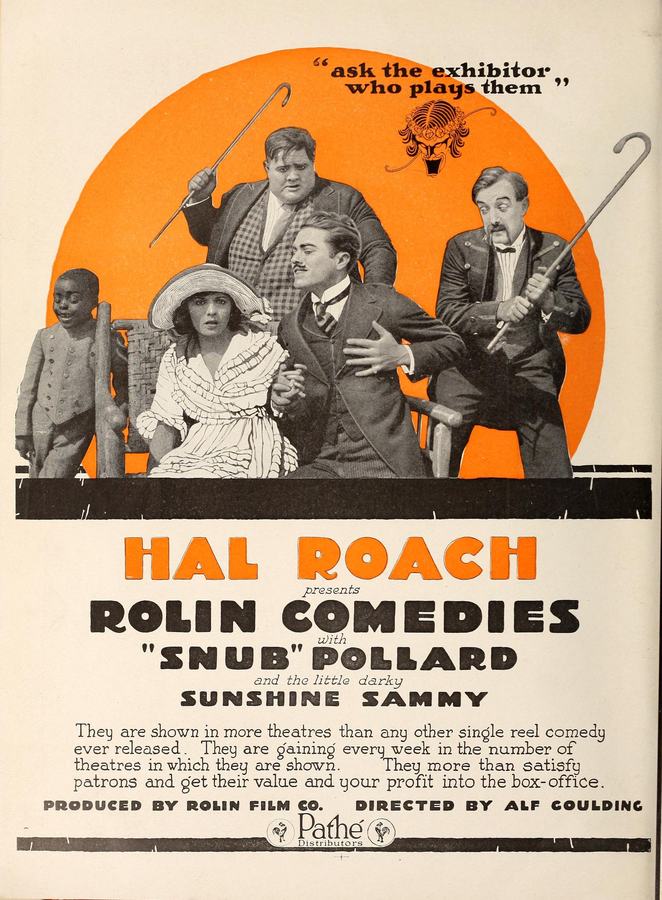
A definitive 5.2/10 rating for a film that redefined the boundaries of cult cinema. Park Your Car remains a cornerstone of transgressive art.
A jalopy wheezes, a marriage teeters, and the whole suburban fantasy vomits its bolts across the screen—welcome to Park Your Car, a 1920 one-reeler that distills the American love affair with the automobile into eleven minutes of pure, corrosive glee.
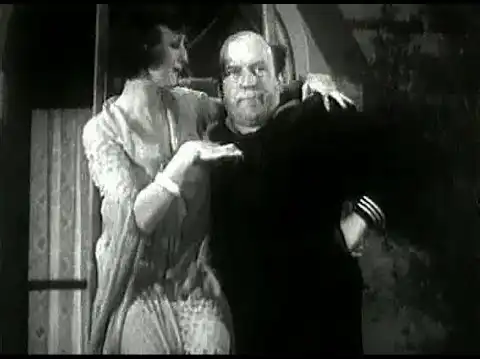
Watch Hughie Mack’s moon-sized neighbor squeeze behind the cracked steering wheel, his bulk overflowing like risen dough, while ‘Snub’ Pollard’s gawky Harry navigates the passenger seat with the twitchy anticipation of a man about to ride a bomb. The car itself—peeling paint, sagging roof, headlights that blink like guilty consciences—becomes the film’s fourth character, a wheeled Beckettian ruin that refuses the romance of the open road.
Director unknown but clearly drunk on the possibilities of speed and fragmentation, the picture opens with a transaction as blunt as a brick through stained glass: two couples haggle, purchase, and celebrate the second-hand coupe the way provincials once hoisted relics of saints. The wives—Marie Mosquini among them—twirl parasols and beam with consumerist rapture, their giddiness already undercut by the metallic coughs of the dying engine. From frame one, the film mocks the bourgeois aspiration that bigger, faster, shinier equals happier.
Then comes the ride. A tire detaches with the languid grace of a burlesque glove; the hood flips skyward like a startled bird; doors drop away as if embarrassed. Yet Harry stampedes onward, accelerator pinned by sheer delusion. Through white picket fences he smashes, leaving perfect cartoon silhouettes, and into a construction site where a portly gentleman luxuriates in a clawfoot tub. The porcelain tub, bather and all, is scooped onto the chassis and paraded through traffic like a coronation float. It is the birth of slapstick surrealism: the domestic uprooted, the naked body exposed, the city grid turned into a carnival of flying lumber and raised eyebrows.
Editing rhythms eschew continuity for spasms; each new calamity arrives with the abruptness of a slammed door. Intertitles, sparse but pointed, function as sarcastic coughs: “He’s getting the hang of it!” flashes while the car ricochets off a grocery storefront, chickens raining in feathery pandemonium. The joke is not simply that Harry cannot drive; it is that the entire social contract—property, marriage, masculinity—cannot hold once velocity enters the bloodstream.
Compare the chaos to Wrath, where revenge burns slow and sculptural, or to Tsar Nikolay II, a filmic tomb of royal stillness. Here, history is not pondered; it is sideswiped. The movie’s brevity is its manifesto: why wax poetic when you can detonate?
Still, beneath the shrapnel lies a class-conscious bruise. Harry and the neighbor are salarymen chasing status symbols, their wives the eager auditors of masculine worth. Each shattered pane of glass is a bill the couple cannot pay, each dent a future argument over household budgets. The final wreck—axle twisted like barbed wire, wheels sighing to a halt—prompts the lovers’ oath: “Never again.” The phrase echoes like a divorce decree, and we know it is as binding as tissue paper, because the same capitalist hunger that sold them the car will sell them another dream tomorrow.
Technically, the print survives scarred but watchable, emulsion scratches flickering like summer heat. The grayscale swims from sooty blacks to anaemic whites, the lack of sepia tinting oddly appropriate: no warmth is intended. Camera placement is largely mid-shot, the better to keep the mayhem legible, yet the occasional low angle as the tub glides past skyscrapers gifts a vertiginous thrill. No musical score is baked into the surviving reel; viewers are advised to sync a jaunty piano roll or, better, a discordant brass band to amplify the absurdity.
Performances hinge on calibrated excess. Mack’s corpulence is not a punchline but a physics lesson: every jolt ripples through flesh like waves in a lagoon. Pollard, famed for his toothbrush moustache and spring-heeled gait, weaponizes gangly limbs, his legs jack-knifing as pedals jam. Their wives register in flickers—hand-to-mouth horror, eye-rolling complicity—yet even these fleeting reactions sketch a domestic ecosystem trembling under macho bravado.
Contemporary critics might scoff at the film’s safety nihilism; indeed, the antics prefigure the freeway carnage of Under False Colors and the doomed locomotion of Ben Blair. Yet unlike those feature-length morality plays, Park Your Car refuses redemption. It is the ancestor of every demolition-derby montage, every Michael Bay explosion fetish, every YouTube fail compilation, distilled to a purity Jackass would envy.
Where to place it in the silent-era pantheon? It lacks the cosmic melancholy of Alraune or the sociological bite of A Modern Mephisto, but its kinetic punch foretells the anarchy of Hands Up. Cinephiles who worship Keaton’s One Week will recognize a spiritual cousin, though Harry lacks the stone-faced stoicism; he is every hapless driver who ever merged without looking.
Restoration potential? Immense. A 4K scan could resurrect background graffiti, storefront signage, the ghosted reflections of bewildered extras. Pair it in repertory with Little Lost Sister for a program on urban peril, or with Who's Who in Society to mock status anxiety. Festival curators hunting pre-code adrenaline would be reckless to overlook this micro-bomb.
Streaming availability is, alas, scattershot. The film languishes in the public domain, often dumped on low-resolution compilation DVDs titled “Classic Car Comedy!” with the visual fidelity of a Xeroxed napkin. Seek the 1080p file uploaded by the Eye Filmmuseum, replete with Dutch intertitles—irrelevant to comprehension yet charmingly alien. Download, project onto a garage door, invite neighborhood dogs to chorus; the experience approximates the original outdoor excitement when such shorts unspooled between boxing matches and livestock auctions.
Final verdict? Park Your Car is a shot of nitroglycerin masquerading as a trifle. It lampoons commodity lust, road rage, and marital brinkmanship in the time it takes a modern sitcom to set up a punchline. The film does not merely survive its era; it challenges ours, mocking every SUV commercial that equates horsepower with heroism. Watch it, then quietly sell your car and buy a bicycle—before Harry’s ghost decides to take your Tesla for a spin.
IMDb 7
1929
Community
Log in to comment.