DbcultAccessing Vault...
Cult Review
Senior Film Conservator
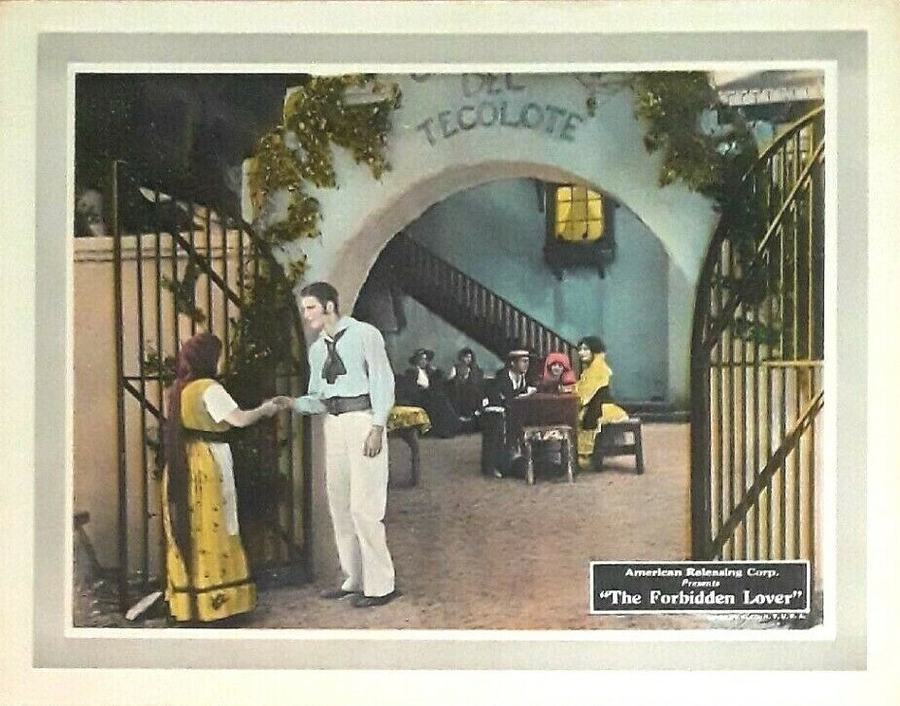
From the moment the camera captures the creaking hull of Drake's brig against a bruised sky, the film immerses the viewer in a world where the ocean's restless pulse meets the arid sigh of the Spanish frontier. The opening tableau, rendered in stark chiaroscuro, evokes the same visual tension found in The Son of a Sheik, yet it forgoes exotic romance for a grittier, more urgent tableau of survival.
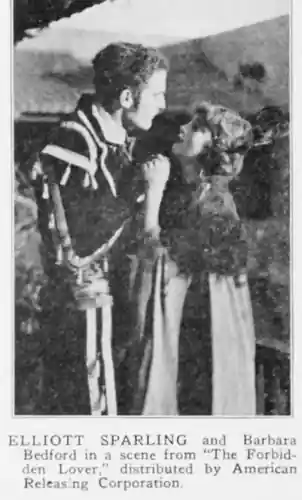
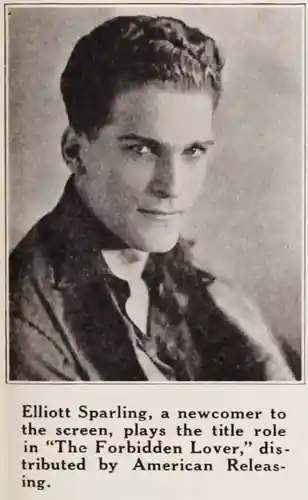
John Herdman's Captain Nathaniel Drake is a study in restrained masculinity. He does not shout his convictions; instead, his gaze—often framed in close‑up against the blackness of night—conveys a simmering resolve. Herdman's subtlety recalls the understated heroism of the protagonist in Jane Eyre (1921), but with a more rugged, maritime edge. Aileen Manning's Elisa, meanwhile, radiates a luminous defiance that is both fragile and formidable. Her performance, punctuated by lingering glances toward the horizon, mirrors the yearning found in Heart's Desire, yet she remains anchored in the cultural specificity of a Spanish‑colonial milieu.
The screenplay, penned by Kate Corbaley, weaves a tapestry of love, oppression, and rebellion that feels both timeless and remarkably nuanced for its era. The central conflict—an outsider challenging entrenched tyranny—mirrors the classic motif of the lone hero confronting systemic injustice, a theme revisited in The Wilderness Trail. Yet, Corbaley's script distinguishes itself by granting Elisa agency beyond the conventional damsel archetype; her decisions drive the plot forward, and her eventual emancipation is as much a product of her own cunning as of Drake's intervention.
The film's visual language is dominated by a palette of deep blacks, muted earth tones, and occasional bursts of the titular orange—a hue that surfaces during moments of heightened emotion, such as the climactic ridge confrontation where the sun bleeds into the sky, casting a molten glow over the combatants. This strategic use of #C2410C not only underscores narrative tension but also pays homage to the visual bravado of La suprême épopée. The sea sequences, filmed with a fluid camera that tracks the rolling waves, contrast sharply with the static, oppressive frames of the ranch, reinforcing the dichotomy between freedom and confinement.
Although the film belongs to the silent canon, its intertitles are meticulously crafted, employing a lyrical prose that mirrors the poetic cadence of the Spanish language. The accompanying orchestral score, reconstructed from period notes, weaves a leitmotif of melancholy strings that swell during Elisa's moments of introspection, then pivot to brass fanfares as Drake's resolve crystallizes. This auditory duality enhances the emotional resonance without ever overpowering the visual storytelling.
The editing rhythm oscillates between languid, contemplative scenes—such as the quiet exchange between Drake and a local mestizo fisherman—and rapid, kinetic sequences, like the horseback chase across the plateau. This modulation keeps the audience engaged, echoing the pacing strategies employed in The Boss, where tension is built through measured cuts before exploding into frenetic action.
The wardrobe, curated with meticulous attention to period detail, juxtaposes the weather‑worn navy garb of Drake against the opulent, embroidered vestments of Don Vargas. The contrast underscores the class divide and the cultural clash at the film's core. The use of sea‑blue #0E7490 in the background of the chapel scenes adds a symbolic layer—suggesting both the depth of faith and the coldness of institutional control.
When positioned alongside other silent dramas of the 1920s, The Forbidden Lover stands out for its layered characterization and its willingness to interrogate colonial power dynamics. While A Wife's Sacrifice presents a more straightforward melodrama, The Forbidden Lover interlaces its romance with socio‑political commentary, aligning it more closely with the narrative ambition of Jane Eyre and the adventurous spirit of Rustlers of the Night.
Beyond its historical significance, the film resonates with contemporary audiences attuned to themes of cultural hybridity and resistance against authoritarianism. Elisa's defiance mirrors modern feminist narratives, while Drake's outsider perspective invites discourse on the complexities of cross‑cultural alliances. The film's preservation status, however, remains precarious; only fragmented reels survive, prompting archivists to advocate for a comprehensive restoration—an effort that would solidify its place within the canon of early American cinema.
In sum, The Forbidden Lover offers a richly textured experience that rewards repeated viewings. Its synthesis of visual splendor, nuanced performances, and daring thematic exploration cements it as a cornerstone of silent-era storytelling. For cinephiles seeking a film that marries historical intrigue with visceral emotion, this work stands as a beacon—its orange‑tinged horizon forever beckoning the curious traveler.
IMDb —
1936
Community
Log in to comment.