DbcultAccessing Vault...
Cult Review
Senior Film Conservator
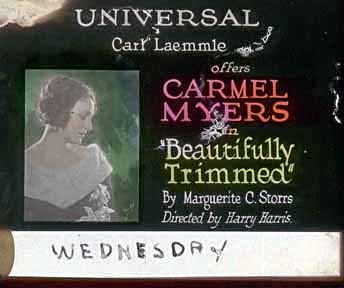
Stepping back into the cinematic past, particularly to the silent era, often feels like unearthing a forgotten language, a form of storytelling reliant on gesture, expression, and the potent power of suggestion. Beautifully Trimmed, a film from an era brimming with narrative experimentation and emotional grandiosity, serves as a poignant reminder of the enduring allure of classic melodrama, even when stripped of spoken dialogue. This isn't just a film; it's a meticulously crafted tapestry of human frailties, the intoxicating pull of illicit gain, and the redemptive, often complicated, force of genuine affection. It’s a narrative that, despite its vintage, resonates with a timelessness that many contemporary productions struggle to achieve, proving that the silent screen was anything but quiet in its impact.
At its heart, Beautifully Trimmed presents a cautionary tale, yet one imbued with such intricate character development that it transcends mere moralizing. We are introduced to Norine Lawton, portrayed with a compelling blend of innocence and burgeoning self-awareness by Carmel Myers. Myers, a fixture of the silent screen known for her expressive eyes and graceful demeanor, imbues Norine with a vulnerability that immediately draws the audience into her precarious world. Living independently in the labyrinthine sprawl of New York City, Norine embodies a certain modern spirit, a woman navigating a bustling metropolis on her own terms, yet susceptible to the magnetic pull of charm and perceived sophistication. Her initial interactions with Count Bonzi, played by Alfred Fisher, are a masterclass in establishing a dynamic built on unequal knowledge and subtle manipulation. Fisher’s portrayal of Bonzi is less a mustache-twirling villain and more a smooth, calculating predator, whose suave exterior effectively masks his predatory intentions. He is the kind of antagonist who doesn't need to shout to exert control; his power lies in his insidious charm and his ability to identify and exploit Norine’s youthful naiveté and perhaps, her unspoken aspirations.
The plot swiftly pivots into the realm of high-stakes financial chicanery. Bonzi, a quintessential swindler, identifies his next mark in Christopher Gibbons, a wealthy, retired war hero whose public image of integrity and success makes him an ideal, albeit challenging, target. The genius of the writers—Douglas Z. Doty, Marguerite C. Storrs, and Marcel De Sano—lies in their decision to involve Norine directly in the scam. She becomes not just a victim of Bonzi's influence, but an active, if unwitting, participant in the scheme to peddle worthless Mercer Oil Co. stock. This narrative choice elevates the stakes considerably, transforming Norine from a passive observer into a morally compromised agent. Her journey mirrors, in a more understated way, the moral quandaries faced by protagonists in films like Winner Takes All, where characters are forced to choose between personal gain and ethical conduct, often with dire consequences. The intricate dance between Bonzi's manipulation and Norine's unwitting complicity forms the initial dramatic core, setting the stage for the ethical tightrope she must eventually walk.
The narrative gains significant emotional depth with the introduction of Christopher Gibbons. Portrayed by George B. Williams, Gibbons is not merely a wealthy mark; he is a figure of gravitas and quiet dignity, a retired war hero whose past valor lends him an aura of unimpeachable character. It is in the burgeoning relationship between Norine and Gibbons that the film truly begins to explore its central themes. The initial interactions, carefully choreographed by the silent film's visual language, hint at a genuine connection forming between them. This isn't a transactional relationship born of the scam; it's an authentic emotional bond that catches Norine completely by surprise. Her internal conflict becomes palpable: the initial thrill or necessity of aiding Bonzi's scheme slowly erodes under the weight of her growing affection for Gibbons. This internal struggle is where Myers truly shines, conveying a complex emotional landscape through subtle shifts in expression and body language – a testament to the power of silent acting.
The realization that she is falling in love with the very man she is helping to defraud forces Norine into a moral crucible. This turning point is handled with a delicate touch, avoiding overt histrionics in favor of a more nuanced depiction of a young woman grappling with profound ethical dilemma. Her decision to warn Gibbons of Bonzi's treacherous scheme is not merely a plot device; it's a pivotal moment of character growth, a testament to her inherent goodness overriding the external pressures and the allure of an easier path. This act of self-sacrifice, or at least self-jeopardy, elevates Norine beyond a simple ingenue, transforming her into a character of considerable moral courage. In this aspect, her journey can be seen as a precursor to characters in films like Moderne Töchter, where women, often facing societal or personal constraints, find their strength and agency through difficult moral choices.
Just as the audience settles into the expectation of Norine's heroic confession and Gibbons's subsequent rescue, the narrative delivers its masterstroke: Gibbons, in a stunning reversal, reveals a surprise of his own. This twist isn't merely a cheap narrative trick; it's a meticulously constructed revelation that recontextualizes everything that has come before. It forces the viewer, alongside Norine, to re-evaluate perceptions, motivations, and the very nature of truth and deception. This kind of ingenious plot development, where expectations are subverted and the audience is left to piece together a new understanding, is a hallmark of truly engaging storytelling. It echoes the unexpected turns and deeper layers found in films such as The Fortunes of Fifi or even the intricate deceptions of 99, where characters and audiences alike are caught off guard by the true machinations at play.
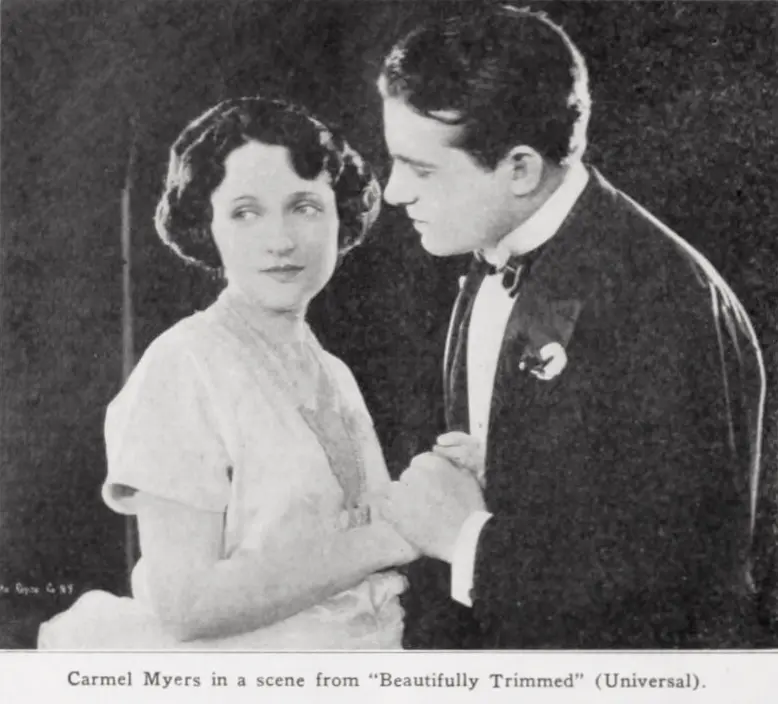
The brilliance of this particular twist lies in its ability to simultaneously resolve and complicate the narrative. It spares Norine the full burden of her confession while simultaneously exposing a deeper layer of complexity in Gibbons's character. Was he aware all along? Was his affection for Norine genuine or part of a larger, unseen game? The film, through this revelation, subtly shifts its focus from Norine's moral awakening to a broader commentary on the pervasive nature of deception and the blurred lines between perpetrator and victim. It challenges the audience to question appearances and assumptions, a theme that remains profoundly relevant in any era. The silent film medium, with its reliance on visual cues and intertitles, excels at delivering such revelations with maximum dramatic impact, allowing the audience to absorb the shock and process the implications in real-time.
The ensemble cast, under the direction of the era's skilled filmmakers, delivers performances that transcend the lack of spoken dialogue. Carmel Myers as Norine is undoubtedly the anchor, her journey from wide-eyed innocence to conflicted lover to woman of conviction being the emotional core of the film. Her ability to convey complex emotions through subtle facial expressions and gestures is a masterclass in silent film acting. Alfred Fisher's Count Bonzi is menacing without being overtly theatrical, a more chilling villain for his quiet conniving. George B. Williams brings a commendable gravitas to Christopher Gibbons, making his character's eventual revelation all the more impactful. The supporting cast, including Victory Bateman, Myrtle Reeves, Pell Trenton, Lee Kohlmar, Irving Cummings, and Herbert Bethew, contribute to a rich tapestry of characters, each adding texture to the bustling New York backdrop and the intricate plot.
The writers—Douglas Z. Doty, Marguerite C. Storrs, and Marcel De Sano—deserve immense credit for crafting a narrative that is both intricate and emotionally resonant. Their ability to build suspense, develop characters, and deliver a truly satisfying, albeit surprising, resolution speaks volumes about their understanding of dramatic structure. The pacing is expertly handled, allowing moments of quiet reflection to breathe before plunging back into the escalating tension. This craftsmanship ensures that Beautifully Trimmed is not just a period piece, but a compelling story that stands on its own merits.
Beautifully Trimmed offers more than just a glimpse into early 20th-century cinema; it provides a window into universal human experiences: the desire for connection, the corrupting influence of greed, and the search for moral clarity. The film's depiction of a young woman's vulnerability in a big city environment, and her subsequent journey towards self-discovery and moral fortitude, finds echoes in countless narratives across cinematic history, from A Child of the Paris Streets to more contemporary tales of urban survival and personal growth. It reminds us that fundamental human emotions and dilemmas remain constant, regardless of the technological advancements in filmmaking.
The visual storytelling, a cornerstone of the silent era, is particularly effective here. The sets and costumes, while serving their practical purpose, also subtly convey character and atmosphere. The bustling streets of New York, the opulent interiors of the wealthy, and the more modest dwelling of Norine all contribute to a vivid sense of place and social stratification. The use of close-ups to capture facial expressions, particularly Myers's, is crucial in conveying the nuanced emotional shifts that drive the plot. This careful attention to visual detail and expressive performance ensures that the narrative is always clear, even without spoken dialogue, allowing the audience to fully immerse themselves in the unfolding drama.
In an age dominated by CGI and rapid-fire dialogue, there's a profound beauty in revisiting films like Beautifully Trimmed. It forces us to engage with cinema on a different level, to pay closer attention to visual cues, to interpret the unspoken, and to appreciate the artistry of actors who could convey entire emotional arcs with a single glance or a subtle gesture. It's a reminder that truly compelling storytelling transcends technological limitations, relying instead on strong characters, a well-constructed plot, and universal themes. This film, with its intricate web of deception, its unexpected twists, and its compelling performances, stands as a testament to the enduring power and sophistication of silent cinema. It's a film that, like its title suggests, is indeed Beautifully Trimmed – a polished gem from a bygone era that continues to sparkle with relevance and intrigue today.
For anyone seeking to delve deeper into the roots of cinematic narrative or simply enjoy a meticulously crafted melodrama with a satisfyingly clever twist, Beautifully Trimmed is an essential viewing experience. It's a journey into a world where silence speaks volumes, and where the human heart, in all its complexity, remains the most captivating spectacle of all. It’s not just a historical artifact; it’s a vibrant, living piece of art that continues to resonate with audiences who appreciate the subtleties of storytelling. The enduring power of this film lies in its ability to draw viewers into its intricate web, compelling them to consider the nature of trust, the perils of ambition, and the unexpected paths that lead to love and revelation. It’s a film that leaves you pondering its layers long after the final frame, much like the timeless questions posed in narratives such as The Revolt, which also delves into profound societal and personal upheavals. The craftsmanship on display, from the nuanced performances to the ingenious plot construction, ensures its place as a significant entry in the annals of early cinema, a true testament to the creative ingenuity of its time. Its legacy is not just in its existence, but in its continued ability to entertain, provoke, and inspire thought, proving that some stories are indeed, Beautifully Trimmed for eternity.
IMDb 6
1934
Community
Log in to comment.