DbcultAccessing Vault...
Cult Review
Senior Film Conservator
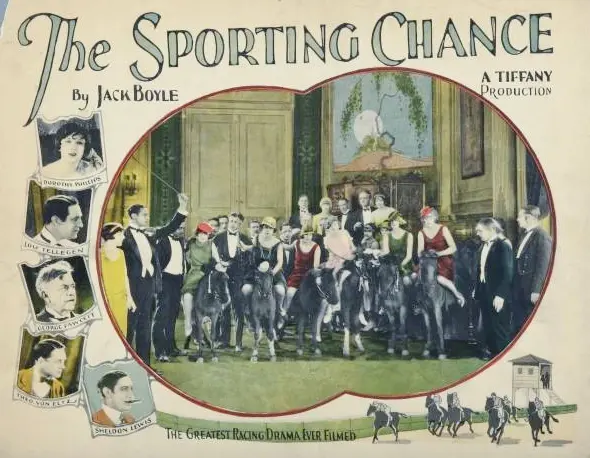
Step into the roaring twenties, a decade of flappers, jazz, and, crucially, silent films that captivated audiences with their grand narratives and exaggerated emotionality. Among the myriad cinematic offerings of 1925, Oscar Apfel's The Sporting Chance emerges as a quintessential example of the era's dramatic flair, a compelling tapestry woven with threads of romance, financial peril, and the exhilarating world of horse racing. This isn't just a film; it's a meticulously crafted artifact of an bygone cinematic age, demanding our attention not merely for its historical significance but for its enduring power to tell a story of human struggle and triumph against formidable odds.
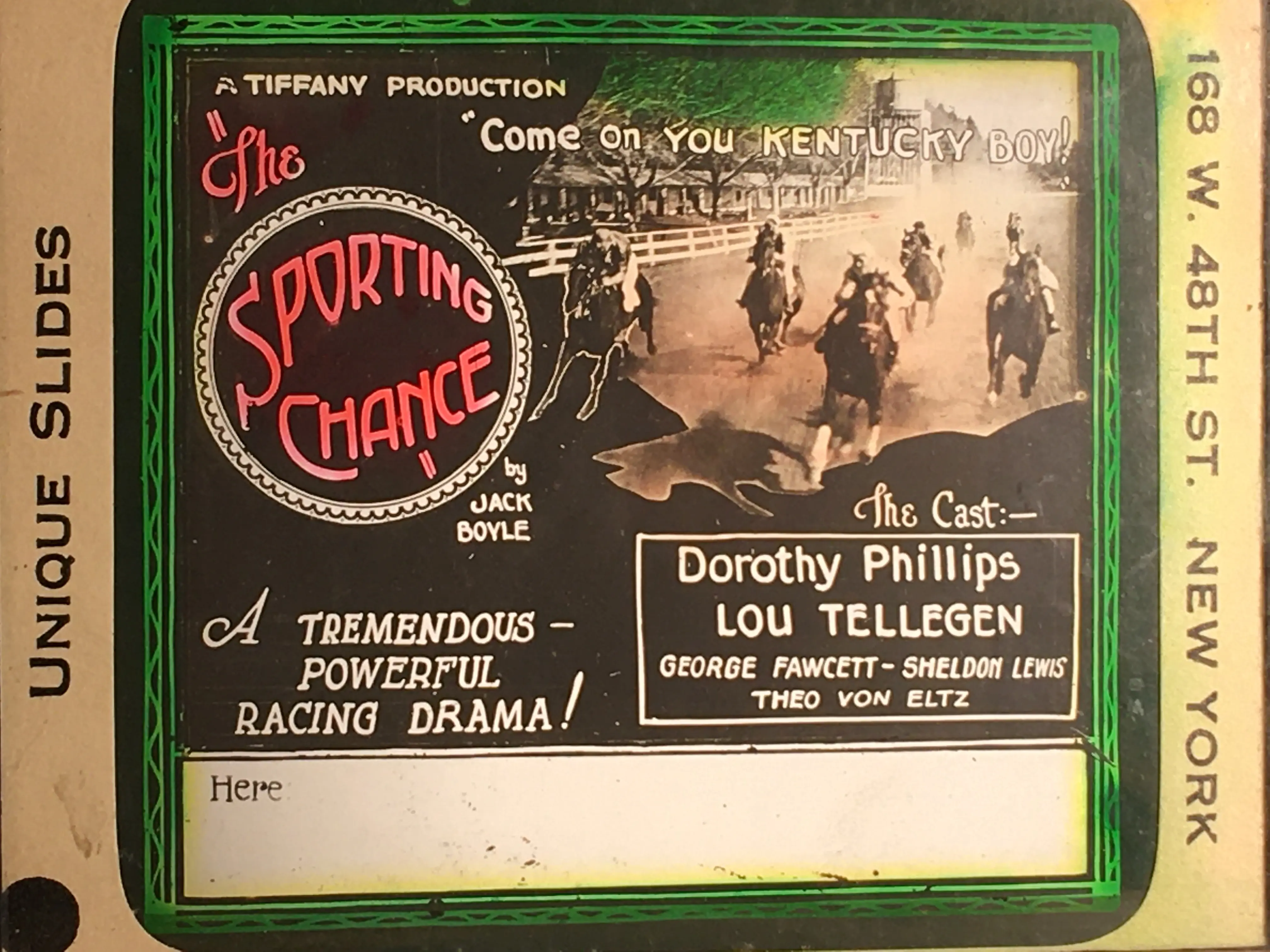
At its heart, The Sporting Chance is a narrative built upon a classic melodramatic cornerstone: the virtuous maiden caught between love and duty. Pat Winthrop, portrayed with an earnest intensity by Dorothy Phillips, finds herself in an unenviable position. Her heart belongs to Bob Shelby, a Southern gentleman, impeccably played by Lou Tellegen, whose fortunes, and indeed his very identity, are inextricably linked to his magnificent racehorse, Kentucky Boy. The Nassau Handicap looms, a beacon of hope and a crucible of fate. However, the idyllic romance is shattered by the specter of familial disgrace; Pat's father faces incarceration, and the only path to his salvation seems to lie in a marriage of convenience, a sacrifice of personal happiness for familial honor.
Enter Darrell Thornton, a character embodying the insidious charm of a 'smooth bounder,' brought to life with a chilling precision by Sheldon Lewis. Thornton is not merely a suitor; he is an antagonist of the highest order, a man whose insincerity in love mirrors his duplicity in the world of racing. His proposal to Pat is less an act of affection and more a calculated maneuver, a means to an end that further ensnares the Winthrop family in his web. The film masterfully establishes Thornton as the embodiment of external forces that threaten to dismantle the protagonists' lives, a common trope in silent cinema, often seen in films like A Soul for Sale, where moral compromises are thrust upon characters by external pressures.
The plot thickens with the revelation of Bob's indebtedness to Thornton. This financial leverage grants Thornton a potent weapon, which he wields with ruthless efficiency on the eve of the Nassau Handicap. The attachment of Kentucky Boy is a gut-wrenching moment, a symbolic severing of Bob's last thread of hope. It’s a scene that resonates with the desperate stakes often depicted in films concerning financial ruin and the moral quagmire it creates, reminiscent of the heightened tension found in narratives like The Great Gamble, where characters face monumental risks to reclaim their dignity or fortune. Bob’s subsequent act of stealing his own horse from its stall is not merely a desperate measure but a profound statement of defiance, a refusal to succumb to the machinations of a villainous opportunist. It's a testament to his character, a visceral expression of a man pushed to his absolute limits.
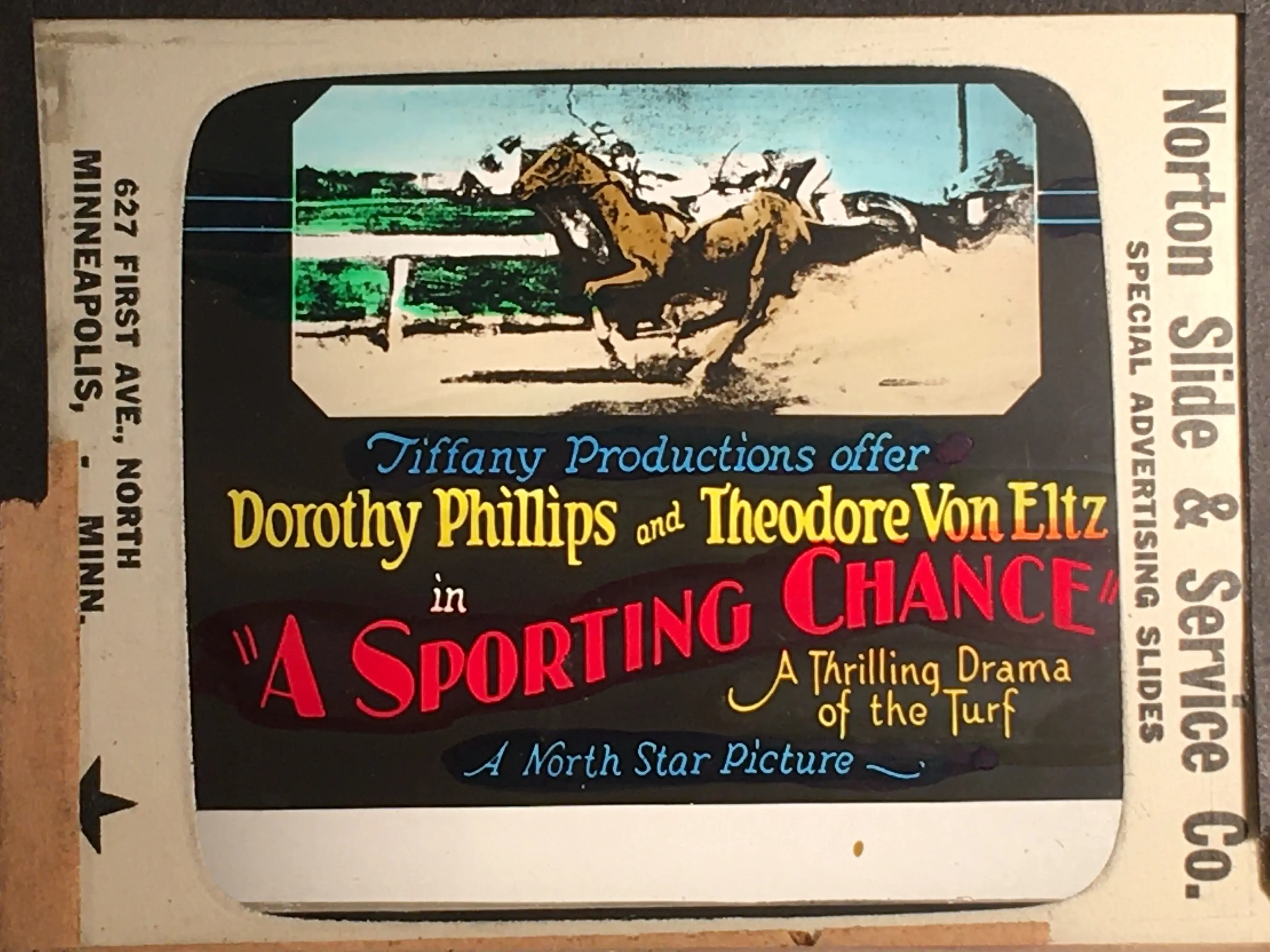
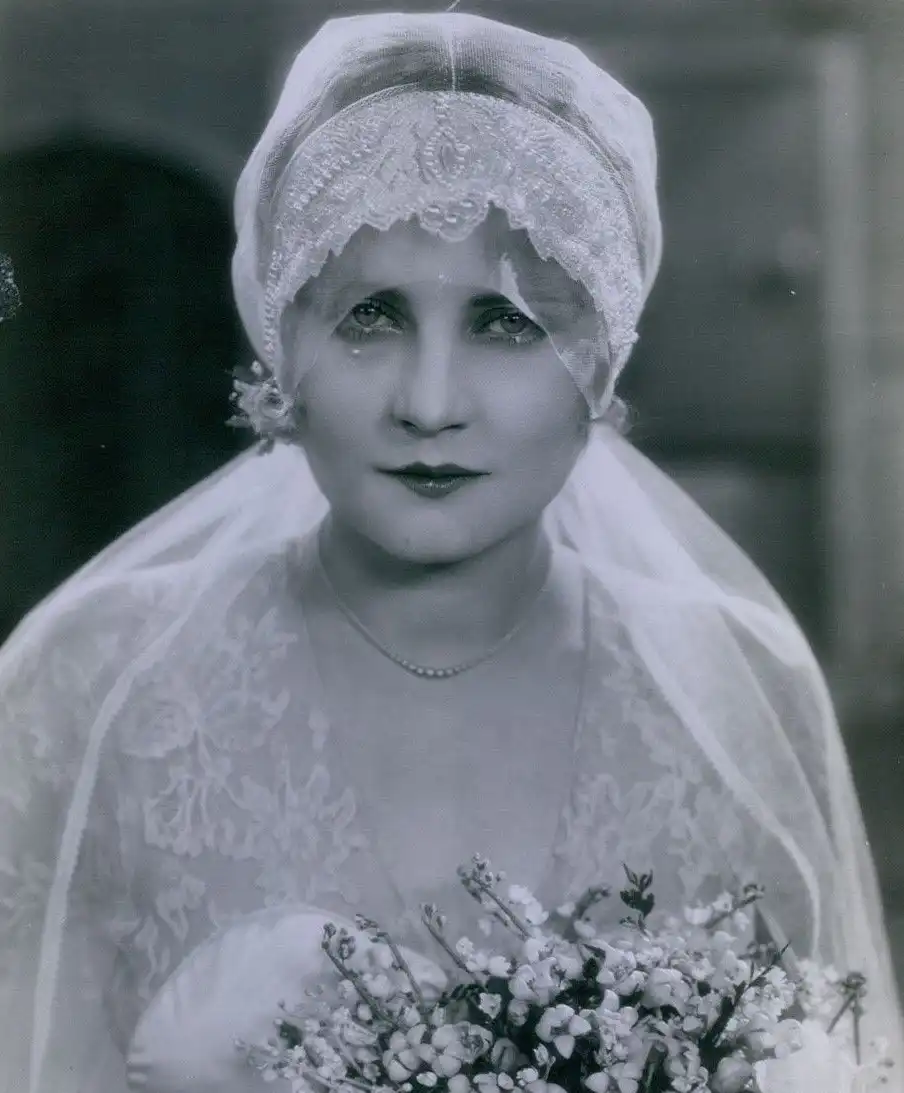
Dorothy Phillips's portrayal of Pat Winthrop is particularly noteworthy. She embodies the archetypal silent film heroine with grace and conviction, conveying a spectrum of emotions—from tender affection to heart-wrenching despair and finally, resilient hope—without uttering a single word. Her internal conflict, the agonizing choice between her love for Bob and her filial duty, is rendered with a subtlety that transcends the often-overt gestures of the era. This nuanced performance allows audiences to deeply empathize with her plight, making her sacrifice all the more poignant. Similarly, Lou Tellegen as Bob Shelby projects a compelling blend of Southern charm, vulnerability, and steely determination. His character arc, from a seemingly carefree lover to a man driven by honor and desperation, is expertly navigated, creating a hero who is both relatable and admirable. The chemistry between Phillips and Tellegen, though often unspoken, is palpable, providing the emotional anchor for the film's dramatic excesses.
Sheldon Lewis, as Darrell Thornton, is the perfect foil. His portrayal avoids caricature, instead offering a villain who is believable in his malevolence. Thornton's 'smooth bounder' persona is key; he represents a societal menace, a man who operates within the bounds of legality to achieve his immoral ends. This type of antagonist, preying on the vulnerabilities of others, was a common yet effective device in silent narratives, giving audiences a clear figure against whom to root. The interplay between these three central figures forms the dramatic core, driving the plot forward with an almost relentless momentum. The script, penned by Jack Boyle and John P. Bernard, demonstrates a keen understanding of pacing and dramatic escalation, ensuring that each twist and turn contributes to the mounting tension.
The Nassau Handicap itself is the film's undeniable crescendo, a masterclass in silent film spectacle. Despite the technological limitations of the era, Oscar Apfel's direction brings an astonishing dynamism to the race sequence. The editing, often swift and sharp, creates a thrilling sense of speed and urgency, drawing the audience directly into the heart of the competition. Close-ups of the horses' straining muscles, the jockeys' determined faces, and the crowd's frenzied excitement build a palpable atmosphere of high stakes. This sequence is not merely a plot device; it is a meticulously choreographed ballet of motion and emotion, a testament to the power of visual storytelling. It stands as a powerful example of how silent films could convey intense action and suspense without dialogue, relying solely on visual cues, music, and the audience's imagination. In this regard, it shares a spiritual lineage with other sports-centric dramas of the period, albeit with its own unique flair, perhaps even prefiguring the narrative intensity of later films like The Big Game which similarly hinged on athletic prowess and external pressures.
The victory of Kentucky Boy is more than just a win; it is a cathartic release, a symbolic triumph of good over evil, of honor over deception. The purse from the race serves as the ultimate deus ex machina, resolving all the intertwined dilemmas with elegant simplicity. Pat's father is saved, Bob repays his debt, and the path to true love is finally cleared. This resolution, while perhaps predictable to modern sensibilities, was deeply satisfying for contemporary audiences, reinforcing the prevalent moral frameworks of the time. It is a testament to the film's craft that this seemingly simple resolution feels earned, the culmination of a journey fraught with emotional and financial peril. The sheer exhilaration of the victory, both for the characters and the audience, is a powerful reminder of cinema's ability to provide escapism and emotional gratification.
Beyond its immediate narrative, The Sporting Chance offers a fascinating window into the societal values and anxieties of the 1920s. The emphasis on honor, the sanctity of family, the perils of debt, and the allure of high-stakes gambling all speak to the cultural fabric of the era. The film subtly critiques the predatory nature of figures like Thornton, while simultaneously celebrating the virtues of resilience and fidelity. It also highlights the precarious position of women in a society where their choices were often dictated by economic necessity and familial obligation, a theme explored with varying degrees of success in other films of the era, such as The Reckless Sex or even the more lighthearted Alice Adams, which also delves into social climbing and financial pressures. The very notion of a 'sporting chance' itself encapsulates a prevalent American ethos of opportunity and the belief in a fair fight, even when the odds are stacked against you.
The film's enduring appeal lies in its skillful manipulation of universal themes. Love, sacrifice, betrayal, and redemption are narratives that transcend time and cultural shifts. While the cinematic language of the silent era may seem quaint to some modern viewers, the raw emotional power conveyed through the actors' expressions, the evocative intertitles, and the dramatic score (often improvised by live musicians in theaters) remains potent. It reminds us that fundamental human experiences have always been the bedrock of compelling storytelling. The simplicity of its moral universe, where good and evil are clearly delineated, provides a comforting narrative clarity that is often absent in more complex contemporary works.
Oscar Apfel, a prolific director of the silent era, demonstrates his seasoned hand in The Sporting Chance. His direction is characterized by a clear narrative drive and an efficient use of visual storytelling. He understood how to frame shots to maximize emotional impact and how to guide the audience's eye through complex action sequences. While perhaps not as experimental as some of his contemporaries (one might think of the avant-garde sensibilities sometimes glimpsed in works like Kino-Pravda No. 18), Apfel's strength lay in his ability to deliver solid, engaging entertainment that resonated with broad audiences. His work here is a testament to the craftsmanship that defined the studio system of the time, where reliability and audience appeal were paramount.
The film's place within the broader tapestry of silent cinema is also significant. It exemplifies the genre of 'society drama' or 'melodrama' that was incredibly popular, offering audiences a blend of escapism and moral instruction. It stands alongside other notable productions of its time, showcasing the diverse range of stories that could be told without spoken dialogue. From the intimate struggles of characters in In Quest of a Kiss to the grander, more adventurous arcs of films like East of Broadway, the silent era was a fertile ground for cinematic exploration. The Sporting Chance, with its focused narrative and compelling performances, holds its own in this rich historical context, demonstrating the power of universal storytelling elements.
Even today, The Sporting Chance holds a peculiar charm. For cinephiles, it offers a valuable insight into the evolution of film language and acting styles. For casual viewers, it presents a straightforward yet emotionally resonant story that transcends its age. The core themes of loyalty, integrity, and the pursuit of justice against overwhelming odds are as relevant now as they were nearly a century ago. While the mode of storytelling has evolved dramatically, the fundamental human desires and conflicts depicted remain eternal. The film serves as a powerful reminder that compelling narratives do not require elaborate special effects or complex dialogue; they simply need well-drawn characters, a clear conflict, and a satisfying resolution. It's a testament to the enduring power of cinema to capture the human spirit in all its complexity, even when presented in the seemingly 'simple' black and white world of the silent screen. This film, much like a prized racehorse, continues to demonstrate its pedigree, leaving an indelible mark on those who encounter its dramatic gallop.
In an age saturated with digital spectacles, there's a profound beauty in revisiting films like The Sporting Chance. It invites us to engage with cinema on a different level, to appreciate the artistry of visual storytelling, the power of a well-timed gesture, and the eloquence of silence. It's a chance to connect with the roots of an art form that continues to evolve, yet always returns to these fundamental narratives of human experience. The film is not just a historical curiosity; it is a vibrant, beating heart from the past, reminding us that truly great stories, like a champion thoroughbred, possess an inherent grace and power that allows them to run the test of time.
IMDb —
1928
Community
Log in to comment.