DbcultAccessing Vault...
6.2/10
Senior Film Conservator
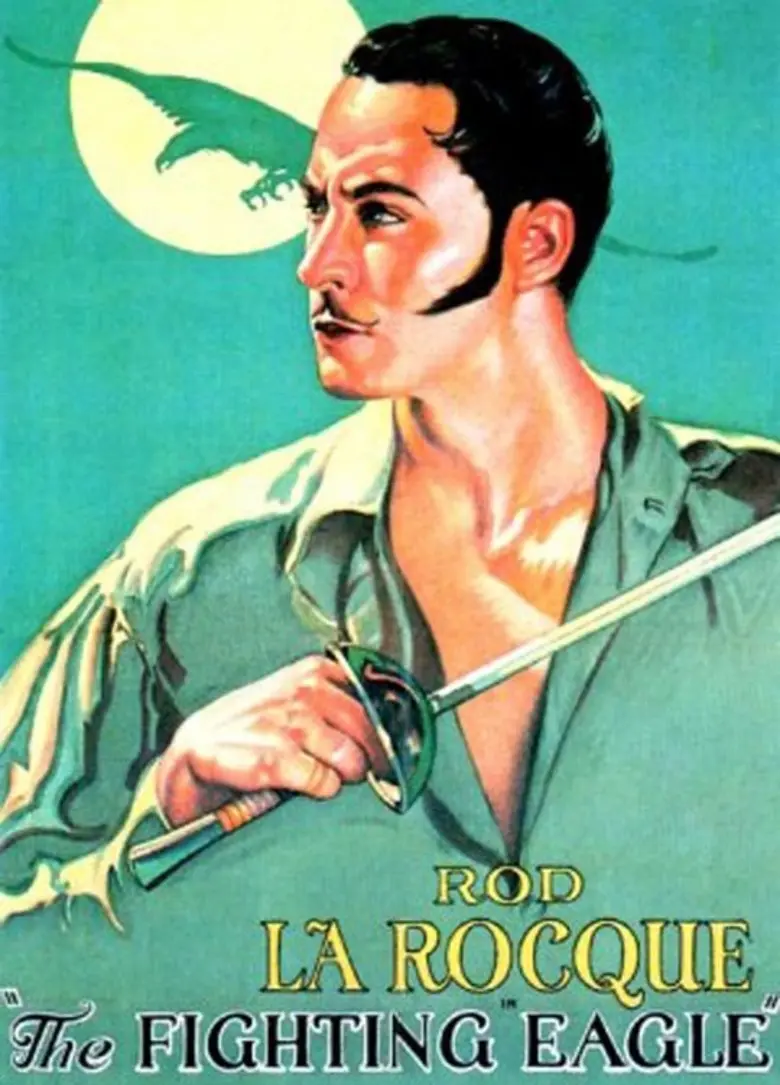
A definitive 6.2/10 rating for a film that redefined the boundaries of cult cinema. The Fighting Eagle remains a cornerstone of transgressive art.
Is 'The Fighting Eagle' worth watching today? Short answer: yes, but with significant caveats that demand a specific kind of viewer. This silent-era spectacle is a fascinating archaeological dig for cinephiles and history buffs, yet it will undoubtedly test the patience of those accustomed to modern narrative conventions.
This film is for the dedicated silent film enthusiast, the ardent historian of Napoleonic France, or anyone curious about the foundational storytelling techniques of early Hollywood. It is definitively not for casual viewers seeking fast-paced action, sophisticated dialogue, or a narrative that adheres to contemporary pacing expectations.
'The Fighting Eagle' (1927) emerges from the twilight of the silent film era, a period brimming with artistic experimentation and narrative ambition. Directed by Donald Crisp and based on Arthur Conan Doyle's Brigadier Gerard stories, it promised grand adventure and historical intrigue. Does it deliver on that promise nearly a century later? The answer is complex, much like the film itself.
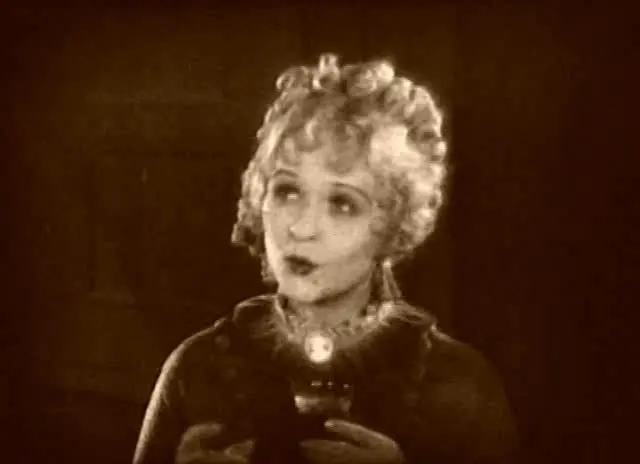
The film plunges us into the tumultuous world of Napoleon's France, where Brigadier Gerard, portrayed with a certain dashing naivete by Rod La Rocque, finds himself embroiled in a conspiracy far grander than his usual battlefield heroics. Gerard, a man of honor and unquestioning loyalty, stumbles upon evidence suggesting that Foreign Minister Talleyrand—a name synonymous with Machiavellian cunning—is a traitor to the Emperor.
What follows is less a straightforward spy thriller and more a series of dramatic vignettes, each adding a layer to Talleyrand’s duplicity and Gerard’s growing suspicions. The plot, while ostensibly simple, gains its texture from the period’s political anxieties and the rigid social codes it attempts to portray. It’s a story less about the 'who' of the betrayal and more about the 'how' it is uncovered by an earnest, if somewhat outmatched, protagonist.
The narrative, penned by John W. Krafft and Douglas Z. Doty, with its roots in Conan Doyle's work, captures a spirit of chivalry and espionage that feels both classic and, at times, quaint. It’s a world where a secret document can bring down an empire, and a single brave officer can stand against the tide of political corruption. This focus on individual heroism against systemic villainy is a hallmark of the era, and 'The Fighting Eagle' leans into it with gusto.
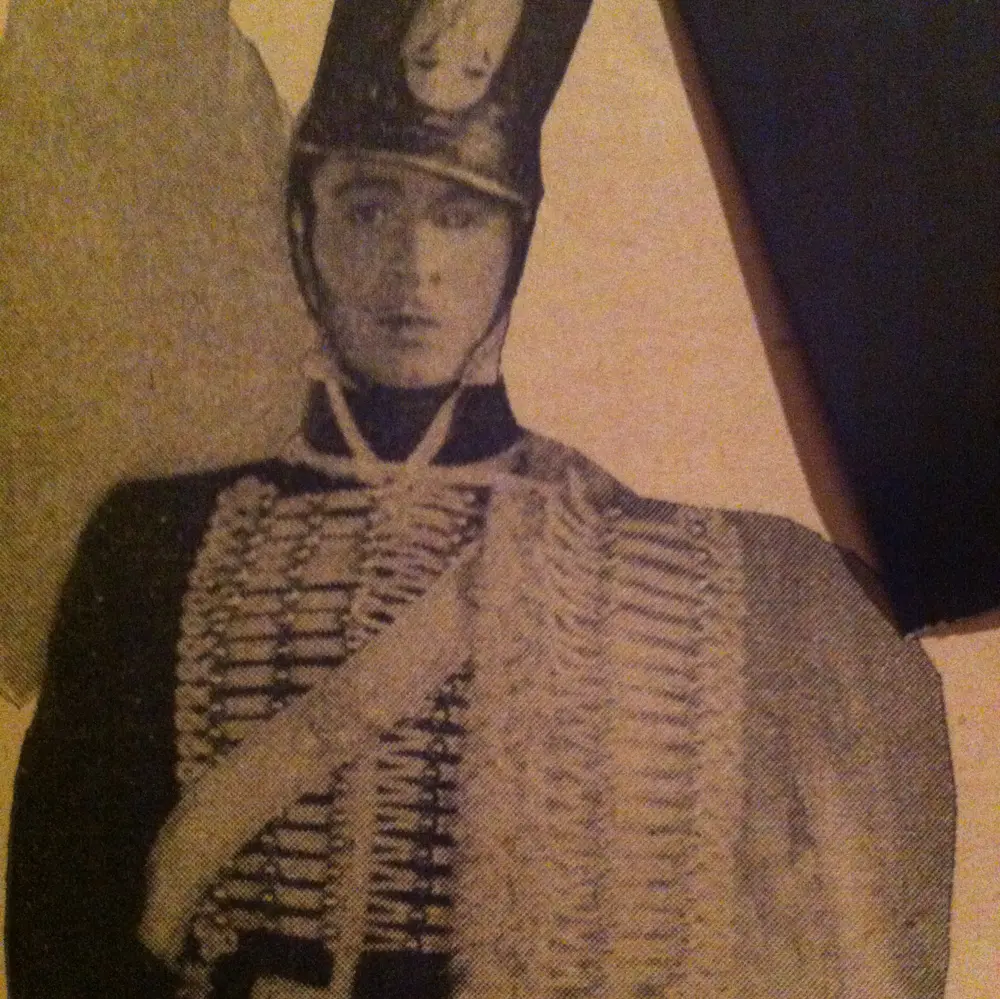
Rod La Rocque’s portrayal of Brigadier Gerard is, without a doubt, the film’s anchor. He embodies the titular 'Fighting Eagle' with a blend of earnestness, physical prowess, and a touch of the theatrical flair common in silent film acting. Gerard is not a brooding anti-hero; he is a man of action, honor, and a somewhat innocent patriotism that makes his confrontation with Talleyrand’s cynicism all the more stark.
La Rocque’s performance is a masterclass in silent-era charisma. His expressive face and confident physicality communicate Gerard’s internal struggles and external battles without the need for dialogue. Consider the scene where Gerard first apprehends the full weight of Talleyrand’s betrayal; La Rocque’s eyes convey a powerful mix of shock, indignation, and resolve. It’s a moment that transcends the limitations of the medium.
However, Gerard’s character, for all its charm, occasionally veers into caricature. His unwavering goodness and almost simplistic understanding of complex political maneuvers can feel a little too pristine for a modern audience accustomed to morally ambiguous protagonists. This isn't a criticism of La Rocque, but rather a reflection of the hero archetype prevalent in films of this period.
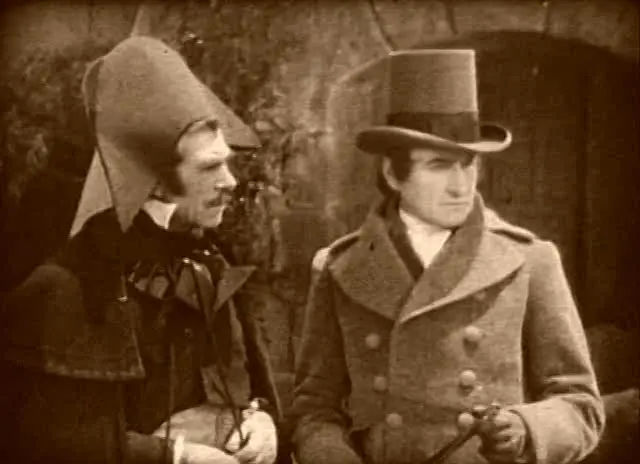
“La Rocque’s Gerard is a fascinating study in silent-era heroism – a figure who embodies both the strengths and the inherent limitations of a narrative style built on grand gestures and clear moral lines.”
Donald Crisp, a veteran actor and director, helms 'The Fighting Eagle' with a workmanlike efficiency that prioritizes storytelling clarity over groundbreaking visual experimentation. The film’s cinematography, while not revolutionary, is competent, capturing the grandeur of Napoleonic settings through impressive set pieces and costume design. We see sweeping shots of battlefields (often implied rather than explicitly shown due to budgetary and technical constraints) and the opulent interiors of French palaces.
One particularly memorable sequence involves a tense confrontation in a dimly lit chamber, where shadows play a crucial role in heightening the sense of espionage and danger. The use of low-key lighting in these moments demonstrates a nascent understanding of visual mood-setting that would become a hallmark of later cinematic periods. The camera work, while largely static by today's standards, effectively frames the dramatic interactions, allowing the actors' expressions to dominate the screen.
The film's reliance on intertitles is, of course, a defining characteristic. While some are functional, others attempt to convey emotion or expository detail that might feel clunky to modern viewers. It's a constant reminder of the medium's evolutionary stage, a bridge between pure visual storytelling and the advent of synchronized sound. For another glimpse into early cinema and its narrative challenges, one might consider Zoya, though its narrative focus is quite different and less grand in scope.
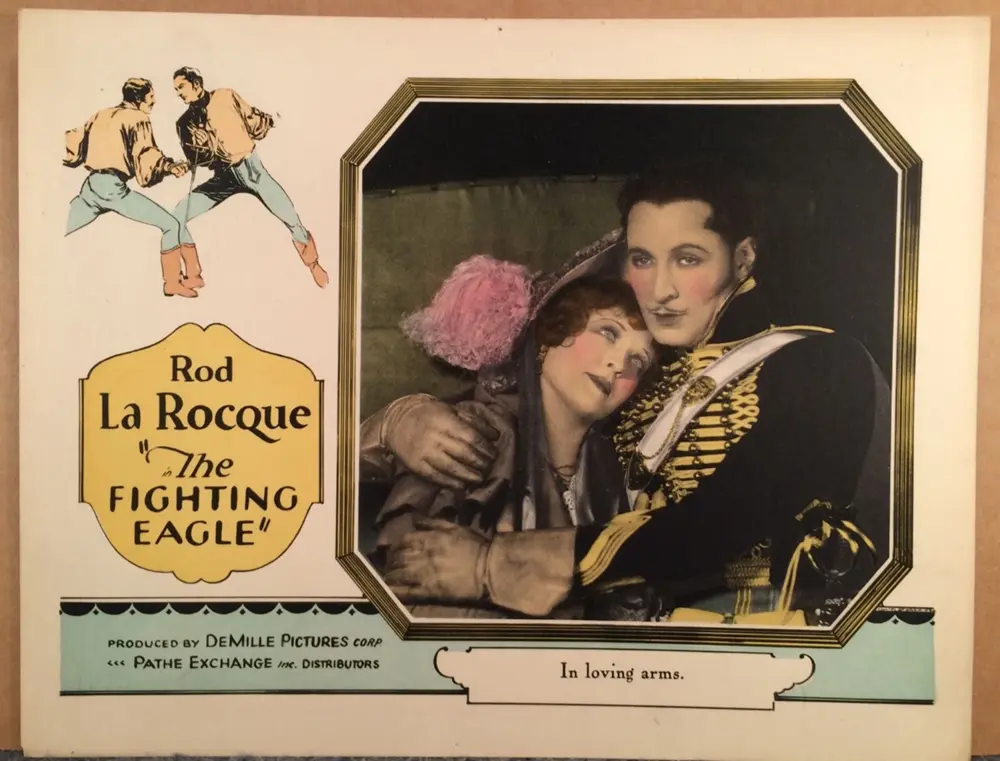
Beyond La Rocque, the supporting cast delivers performances that are very much of their time. Alphonse Ethier as Talleyrand embodies the archetypal villain with a menacing glare and a penchant for dramatic gestures. He’s less a nuanced political operator and more a clear-cut antagonist, making it easy for the audience to root against him. While effective for the silent era, this broad approach might strike some as overly simplistic.
The female roles, notably Julia Faye and Sally Rand, are largely relegated to supporting parts, often serving as romantic interests or damsels in distress. Their performances, while perfectly adequate, don't offer the same depth or agency we expect from leading ladies today. Julia Faye, in particular, manages to convey a quiet strength amidst the political turmoil, but her character’s development is ultimately secondary to Gerard’s quest.
It's important to view these performances through the lens of their historical context. Silent film acting required a different skill set—an ability to convey complex emotions through physicality and facial expressions alone. While some performances might seem over-the-top by contemporary standards, they were essential for communicating narrative and character without spoken dialogue.
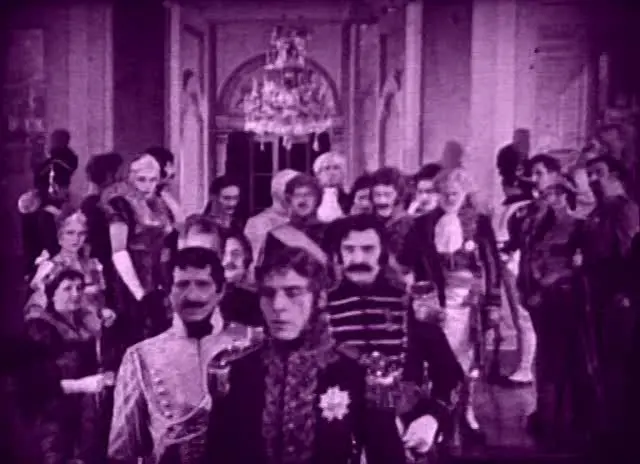
This is where 'The Fighting Eagle' presents its biggest hurdle for modern audiences. The pacing is deliberate, almost languid, especially in the film's first act. Plots unfold slowly, scenes linger, and dramatic tension builds through extended visual sequences rather than rapid-fire cuts. This measured rhythm, while characteristic of the era, can feel like a test of patience for viewers accustomed to the brisk editing of contemporary cinema.
The tone oscillates between grand historical drama and moments of almost melodramatic intensity. There are scenes of genuine suspense, particularly as Gerard closes in on Talleyrand, juxtaposed with more lighthearted or even quaint romantic subplots. This tonal shifting, while not jarring, highlights the evolving nature of genre conventions in early filmmaking.
I firmly believe that judging silent films solely by modern pacing standards is a disservice to their artistic intent. These films were designed for an audience that consumed cinema differently, often accompanied by live orchestral scores that added their own layers of emotion and momentum. Without that immersive, live accompaniment, some of the film's intended impact is undoubtedly diminished. It works. But it’s flawed.
'The Fighting Eagle' is a testament to the enduring appeal of historical epics, even in their nascent form. It taps into a timeless fascination with power, betrayal, and heroism against a backdrop of significant historical events. The Napoleonic era, with its grand figures and dramatic conflicts, provides a rich canvas for such a story, and the film leverages this effectively.
However, its flaws are also evident. Talleyrand, as depicted here, is less a cunning mastermind and more a mustache-twirling caricature, a missed opportunity to explore the true complexities of such a pivotal historical figure. The narrative, while engaging, sacrifices historical nuance for dramatic simplicity, which might disappoint purists. Yet, for all its simplifications, the film offers a compelling, albeit dated, vision of a hero’s journey.
'The Fighting Eagle' is a film that demands effort and context from its audience, but offers genuine rewards for those willing to engage with it on its own terms. It is not a forgotten masterpiece, nor is it a completely unwatchable relic. Instead, it stands as a robust example of late silent-era filmmaking—a grand historical adventure that showcases the strengths and inherent limitations of its time.
Its enduring value lies less in its ability to compete with modern blockbusters and more in its capacity to transport us to a different cinematic era, offering insights into storytelling, performance, and historical representation before the advent of sound. For the discerning cinephile, it’s a journey worth taking, a testament to the foundational artistry that paved the way for everything that followed.
Ultimately, 'The Fighting Eagle' is a fascinating piece of cinematic archaeology. It's a film that, despite its age, still possesses a certain charm and ambition, primarily thanks to Rod La Rocque’s magnetic presence. If you approach it with an open mind and an appreciation for film history, you might just find yourself captivated by this silent-era flight of the eagle.
IMDb 6.5
1920
Community
Log in to comment.