DbcultAccessing Vault...
Cult Review
Senior Film Conservator
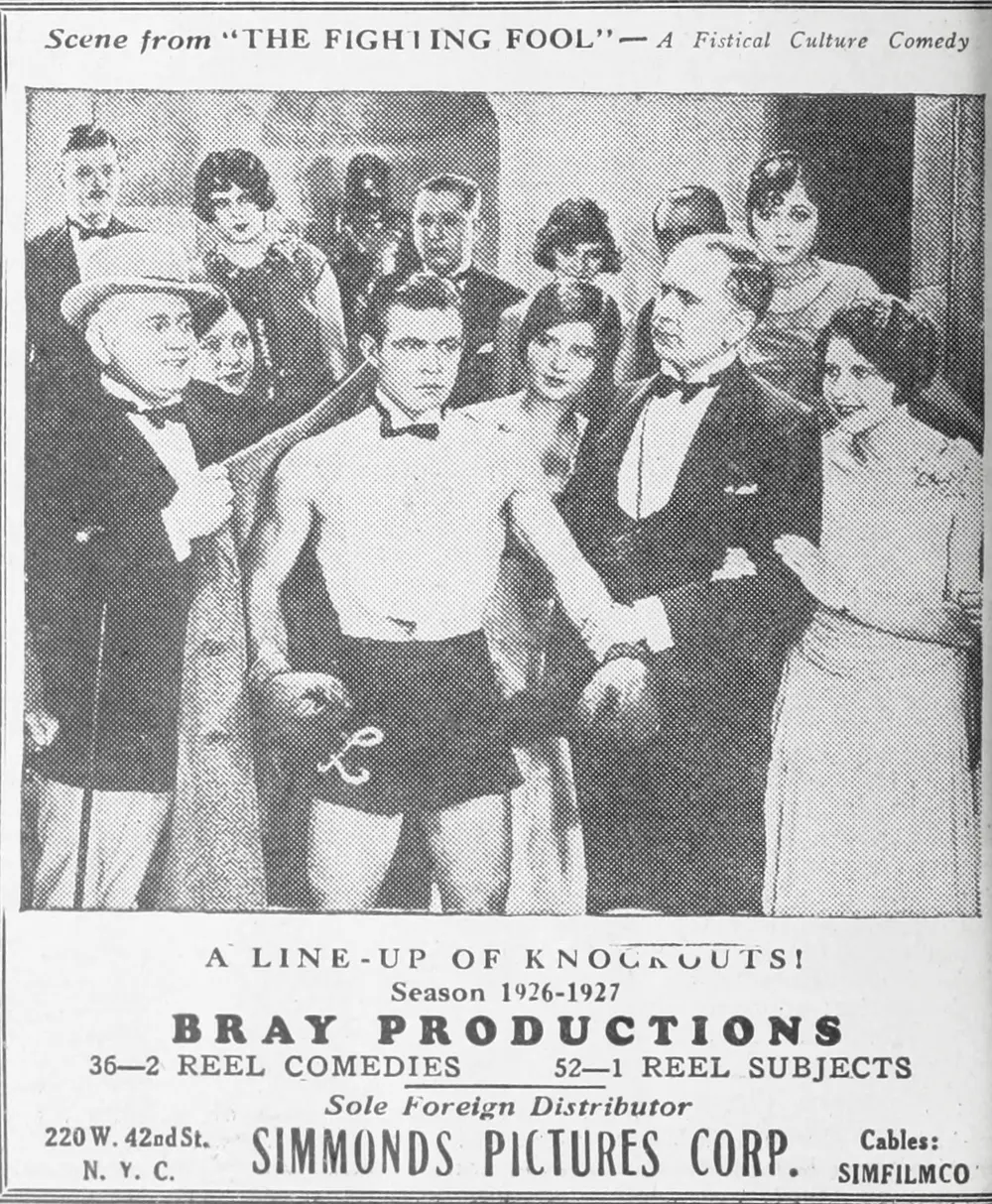
Should you invest your time in The Fighting Fool today? Short answer: only if you are a dedicated historian of the silent era or a fan of Lewis Sargent’s specific brand of earnestness. For the average viewer, this film is a dusty relic that lacks the kinetic energy of contemporary sports dramas.
This film is for the silent cinema completionist who enjoys tracing the evolution of the 'noble athlete' trope. It is absolutely not for anyone looking for a fast-paced action movie or a complex exploration of pacifism versus violence.
1) This film works because Lewis Sargent possesses a natural, unpretentious screen presence that makes his internal struggle feel genuine, even when the script is thin.
2) This film fails because its central conflict—a grown man’s inability to defend himself because of a promise to his mother—feels more like a plot convenience than a character-driven tragedy.
3) You should watch it if you want to see how early cinema handled the concept of 'manhood' before the gritty realism of the 1940s took over the genre.
The Fighting Fool is a fascinating, if somewhat frustrating, glimpse into the moral landscape of the 1920s. At its core, the film is about the weight of a promise. In an era where maternal authority was often depicted as sacred, Lew’s refusal to fight back when insulted isn't played for laughs—it's played for high drama. When he stands there, taking the verbal abuse while his sweetheart looks on in disgust, the film asks the audience to sympathize with his restraint. It doesn't quite work for a modern audience. We don't see a man of honor; we see a man who hasn't yet cut the apron strings.
Unlike the more nuanced family dynamics found in Are Parents People?, the conflict here is binary. You are either a good son or a brave man. The film refuses to allow Lew to be both until the very end. This leads to a middle act that feels remarkably stagnant. We spend a lot of time watching Lew look pained while Wanda Wiley’s character looks disappointed. It’s a repetitive cycle that stalls the pacing significantly.
If you are looking for a masterpiece of silent storytelling, keep moving. This isn't it. However, if you are interested in the physical language of early 20th-century performers, there is something here. Lewis Sargent, who many remember from his turn in The Star Rover, has a way of using his entire body to convey indecision. He doesn't just act with his face; he acts with his shoulders, his stance, and his hands.
The film lacks the atmospheric tension of The White Desert or the narrative complexity of The Slanderers. It is a straightforward, meat-and-potatoes production. It serves its purpose, but it doesn't linger in the mind once the credits roll. It’s a cinematic snack, not a meal.
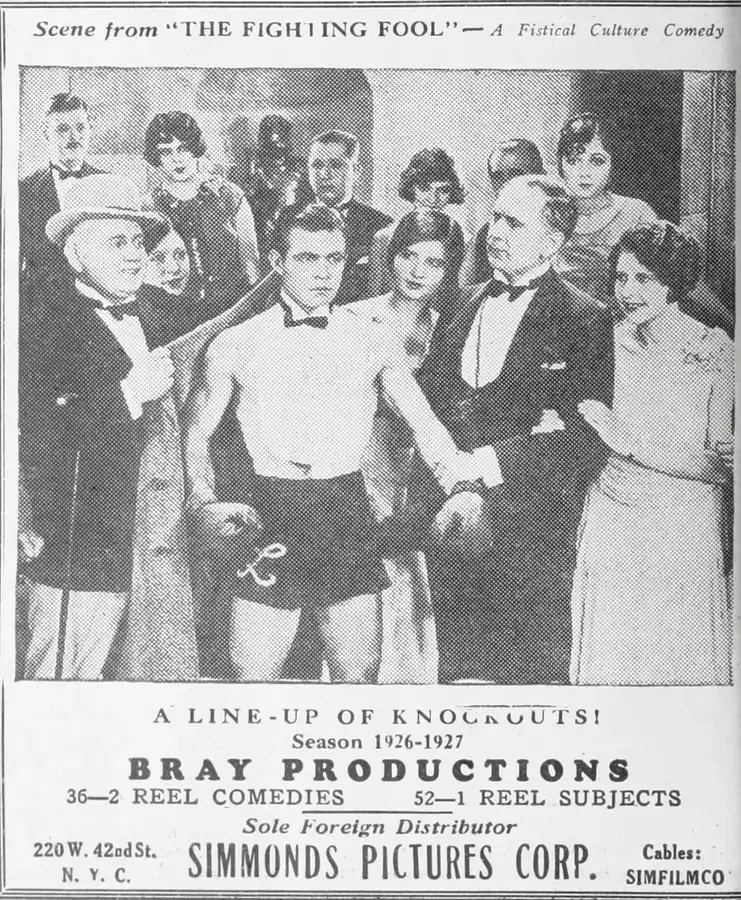
Sargent is the glue holding this thin narrative together. He has a vulnerability that was rare for leading men of the time who were usually expected to be stoic or swashbuckling. In the scene where he is publicly humiliated, Sargent’s eyes tell a story of suppressed rage. You can see the 'fighting fool' bubbling just beneath the surface. It’s a controlled performance that deserves more than the script gives him.
Contrast this with the broad, almost cartoonish villainy of his opponent. The film relies heavily on the 'bully' archetype, which makes the eventual payoff in the ring feel satisfying, if predictable. It’s the same kind of catharsis you find in films like The Speed Spook, where the hero finally gets to let loose. But where that film used speed, this one uses fists.
Wanda Wiley is an interesting choice for the female lead. Known for her own comedic and stunt-heavy roles, she is somewhat sidelined here. She is relegated to the role of the 'disappointed lover,' a part that doesn't utilize her full range. It’s a waste of talent. There’s a brief moment where she reacts to the insult with more fire than Lew does, and for a second, you wish the film was about her stepping into the ring instead.
Her chemistry with Sargent is serviceable, but the writing for their romance is purely functional. They are together because the plot requires a stake higher than just Lew’s personal pride. If he loses her, he loses everything. It’s a standard trope of the era, seen in everything from When Love Is King to The Tides of Fate, but it feels particularly hollow here because Wiley is given so little to do.
The actual boxing match at the end is the film’s saving grace. The cinematography shifts from static, stage-like setups to something more dynamic. The camera gets closer to the action, capturing the sweat and the impact of the blows. It’s not quite the visceral experience of a modern sports movie, but for 1924, it’s impressively staged. You can feel the influence of early newsreel footage in how the fight is captured.
The editing during the fight is surprisingly sharp. It cuts between the punches, the reaction of the crowd, and the mother’s face as she finally accepts her son’s true nature. It’s a well-constructed sequence that almost makes up for the languid first two acts. It reminds me of the pacing in Over Niagara Falls, where the build-up is slow, but the climax is a rush of pure adrenaline.
Pros:
Cons:
The Fighting Fool is a middle-of-the-road silent feature that doesn't quite have the punch to be a classic. It’s earnest. It’s well-acted. But it’s fundamentally flawed by a script that refuses to let its hero grow up until the final five minutes. While it lacks the sheer oddity of Cuckoo Love or the historical weight of The Scottish Covenanters, it remains a decent example of the era’s output. It’s a punchy little drama that ultimately pulls its punches. Watch it for Sargent, but don't expect a knockout.
IMDb 7.5
1921
Community
Log in to comment.