A definitive 7.2/10 rating for a film that redefined the boundaries of cult cinema. The Fighting Smile remains a cornerstone of transgressive art.
Is 'The Fighting Smile' worth watching today? Short answer: yes, but with significant caveats that demand a specific kind of viewer. This film is a fascinating, if sometimes frustrating, relic best suited for ardent Western historians and fans of early genre cinema, particularly those intrigued by moral ambiguities in a black-and-white world.
For newcomers to early 20th-century Westerns, or those seeking high-octane action and complex character arcs akin to modern epics, this might prove a challenging watch. However, if you appreciate the foundational elements of the genre and are willing to engage with its historical context, there's a quiet resonance here that merits exploration.
Why 'The Fighting Smile' Endures (and Where It Stumbles)
Let's cut to the chase. Does this film hold up? It works. But it’s flawed.
This film works because... it masterfully taps into the timeless Western theme of a returning hero confronting a corrupted home, elevated by the poignant betrayal of a childhood friendship. Its unpretentious charm and historical significance as an early genre piece provide a unique window into cinematic storytelling of its era.
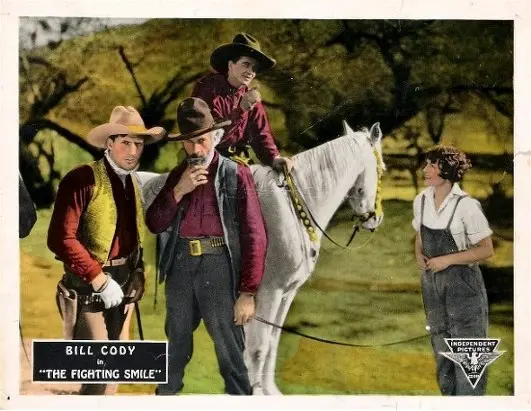
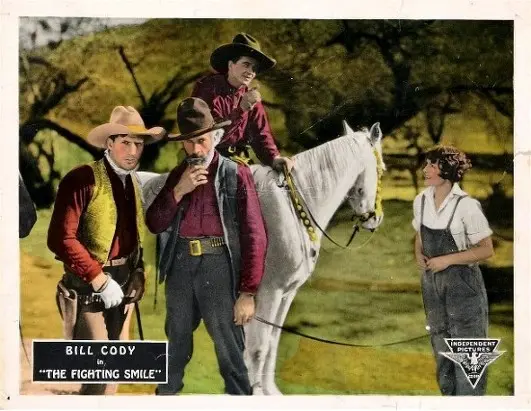
Scene from The Fighting Smile
Cinematic perspective: Exploring the visual vocabulary of The Fighting Smile (1925) through its definitive frames.
This film fails because... its pacing often meanders, certain character motivations remain frustratingly shallow, and the narrative, while potent in concept, often succumbs to predictable genre tropes without enough inventive flair to truly stand out from its contemporaries.
You should watch it if... you are a devoted student of early American cinema, a connoisseur of classic Westerns who values thematic depth over relentless action, or keen to witness the nascent talents of a young Jean Arthur. Conversely, if fast-paced narratives, intricate plots, and modern production values are your primary drivers, you might find its deliberate rhythm and simpler aesthetic a hard sell.
The Narrative: A Familiar Yet Potent Brew
At its core, 'The Fighting Smile' presents a narrative as classic as the dusty trails it depicts. The prodigal cowboy, long absent, returns to a homeland transformed not by progress, but by predation. This setup, while a staple of the Western genre, gains a particular poignancy through the revelation that the antagonist is not some faceless villain, but a ghost from the hero's past—his closest childhood friend. This twist elevates the stakes beyond mere cattle rustling, introducing a deeply personal conflict that resonates with tragic undertones.
William A. Burton and Harry Joe Brown's screenplay, while not revolutionary, effectively lays the groundwork for this moral quandary. The simplicity of the plot allows the central emotional conflict to breathe, even if it sometimes feels underdeveloped. We are invited to ponder the nature of loyalty and how circumstances can warp even the strongest bonds. The film doesn't shy away from the harsh realities of the frontier, where survival often blurs the lines between right and wrong, forcing our hero into an agonizing position.
However, the narrative's adherence to established genre conventions means that much of the plot's progression feels telegraphed. Audiences familiar with Westerns from this era will likely anticipate many of the beats, from the initial discovery of the gang to the inevitable showdown. The film rarely deviates from a predictable trajectory, which, while comforting to purists, can feel limiting for those seeking narrative innovation. For example, the initial confrontation between the hero and his former friend lacks the dramatic tension one might expect, opting instead for a more subdued, almost resigned exchange that, while realistic, dampens the potential for high drama.