DbcultAccessing Vault...
Cult Review
Senior Film Conservator
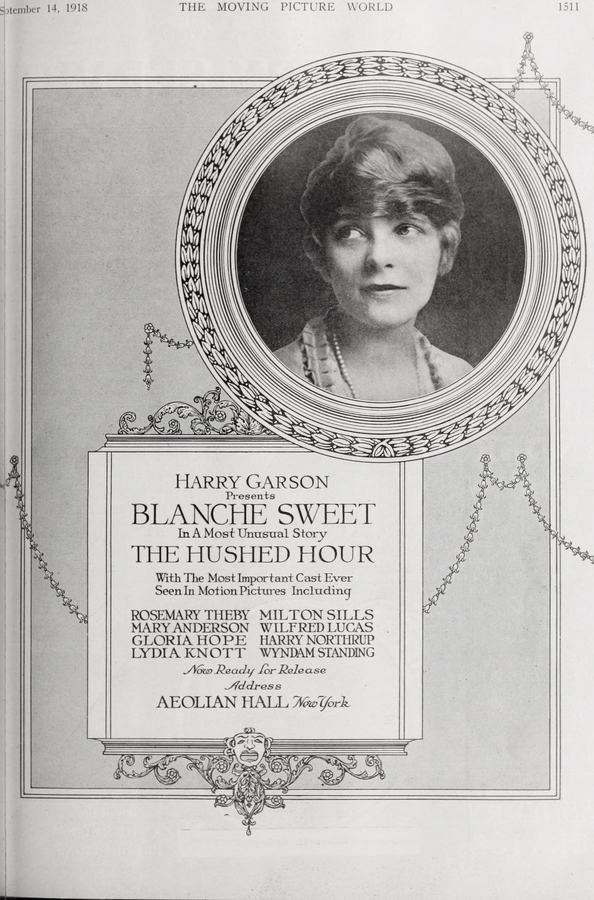
There's an undeniable gravitas that emanates from the silent era's more ambitious cinematic endeavors, and Charles Maigne and Gertrude B. Hamilton's 'The Hushed Hour' stands as a poignant testament to this. Released during a period of profound societal introspection, this film, with its deceptively simple premise, unfurls a deeply resonant narrative concerning legacy, moral rectitude, and the often-uncomfortable journey of self-discovery. It is a work that, even a century removed from its original exhibition, retains a powerful, almost spiritual, capacity to provoke thought and stir the conscience.
At its core, 'The Hushed Hour' hinges upon the death of Judge Appleton, a figure whose public and private life was evidently a beacon of unwavering moral standards. His final request, a seemingly innocuous one, sets the entire dramatic engine in motion: each of his four adult children must spend a solitary hour of meditation beside his coffin. This isn't merely a quaint ceremonial rite; it's a narrative device of remarkable ingenuity, propelling the characters, and by extension, the audience, into an internal theater where their past transgressions and moral compromises are played out with stark, unforgiving clarity. It's a bold stroke, demanding that the audience engage with the internal lives of characters through visual metaphor and the nuanced expressions of a skilled ensemble.
The film doesn't waste time with elaborate exposition; instead, it plunges directly into the emotional maelstrom of grief, which quickly gives way to a more profound existential crisis for the Appleton siblings. The very air of the family mansion, once perhaps a sanctuary, becomes a crucible. The 'hushed hour' itself transcends mere temporal duration, transforming into a symbolic space where time bends, allowing for a retrospective journey through the labyrinthine corridors of their individual choices. This narrative structure is reminiscent of other introspective dramas of the era, though perhaps less overtly fantastical than the dream sequences sometimes found in films like The Floor Below, 'The Hushed Hour' grounds its visions in a more spiritual, meditative framework, making the character revelations feel earned and deeply personal.
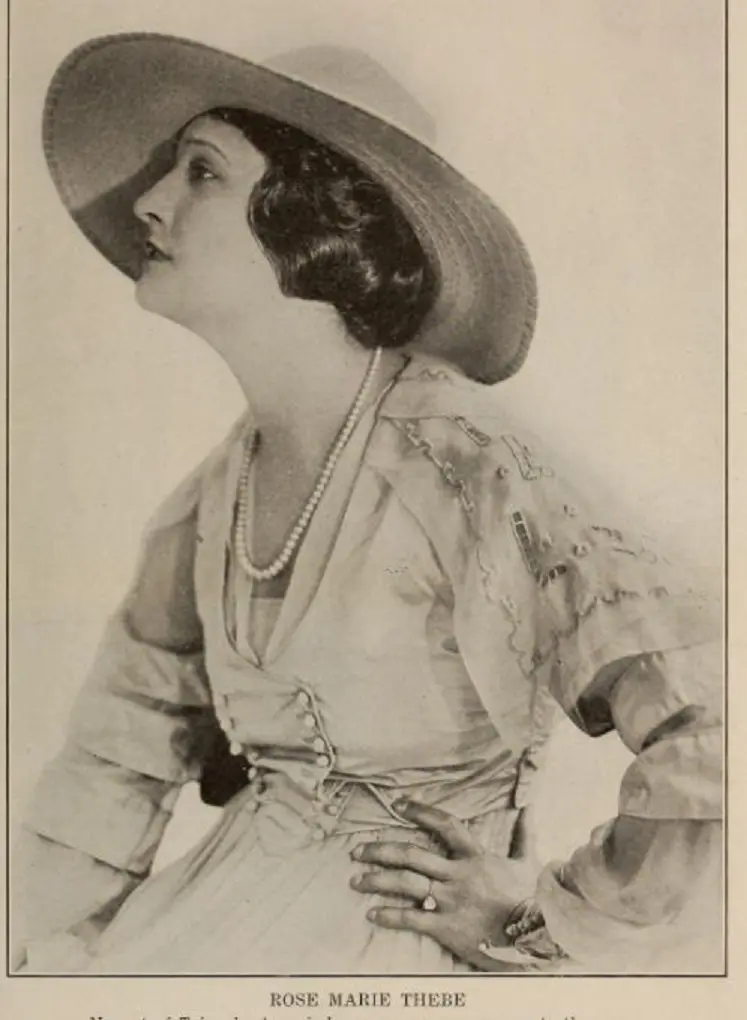
The genius of 'The Hushed Hour' lies in its meticulous portrayal of the four children, each representing a distinct deviation from their father's ethical blueprint. We are introduced to them not as inherently villainous figures, but as individuals who, in the pursuit of their own desires and societal pressures, have incrementally strayed. Their father's death acts as a harsh mirror, reflecting back lives that are, by his standards, wanting. The film masterfully uses the silent medium to convey the internal turmoil of these characters, allowing their facial expressions, gestures, and the staging of their 'visions' to speak volumes.
Consider the eldest, perhaps a son who has pursued financial gain with a ruthless disregard for fairness, his ambition eclipsing his integrity. His hour of meditation might reveal a series of sharp dealings, broken promises, or exploited trust. The camera would likely linger on his face, contorted in a silent scream of regret as these spectral memories unfold. Then there might be a daughter, entangled in a superficial social whirl, her life defined by artifice and a disdain for genuine human connection. Her vision could lay bare the hollowness of her pursuits, the fleeting nature of her triumphs, and the emotional desolation she has unwittingly cultivated. A comparison can be made to the social critiques present in films like Rags, which also examined the superficiality of high society, but 'The Hushed Hour' delves deeper into the *consequences* of such a life on the individual's soul.
Another child might be portrayed as someone who has sacrificed personal honor for convenience, making choices that, while expedient, chipped away at their moral foundation. Their meditative journey could be a harrowing confrontation with moments of cowardice or betrayal, the weight of which becomes unbearable. Finally, a fourth sibling could represent a descent into cynicism or a quiet despair, having lost faith in the very ideals their father embodied. Their hour might be a slow, agonizing realization of their own complicity in their unhappiness, a self-imposed exile from joy and purpose. This multi-faceted character exploration is a cornerstone of the film's enduring power, showcasing how seemingly small compromises can collectively lead to a life far removed from one's true potential or inherited values.
The cast of 'The Hushed Hour' delivers performances that are nothing short of remarkable, given the constraints and unique demands of silent cinema. Ben Alexander, Milton Sills, Harry Northrup, Wilfred Lucas, Gloria Hope, and Blanche Sweet, among others, navigate the complex emotional landscape with an intensity that belies the absence of spoken words. Their acting is a masterclass in physical storytelling, where a flicker of an eye, a subtle gesture, or a shift in posture conveys paragraphs of internal monologue.
Blanche Sweet, a celebrated star of the era, likely brought a particular depth and nuance to her role, her expressive face capable of conveying both profound sorrow and dawning realization. Her ability to project inner turmoil without uttering a single sound would have been critical to the film's success. Similarly, Milton Sills, known for his commanding screen presence, would have imbued his character with a powerful sense of internal struggle and eventual epiphany. The ensemble's ability to maintain distinct character arcs, even within the confines of a largely introspective narrative, speaks volumes about their craft and the direction of the film. Their portrayals ensure that the moral awakenings feel authentic and earned, rather than didactic. The silent film era often relied on exaggerated expressions, but here, there’s a refined subtlety that elevates the drama, allowing for a more profound connection with the characters’ plights.
'The Hushed Hour' is not just a family drama; it is a profound philosophical inquiry into the nature of legacy and the individual's responsibility to uphold or redefine it. Judge Appleton's moral tenets are not abstract ideals; they are presented as a tangible force, a guiding star against which his children's lives are measured. The film posits that true honor lies not in inherited status, but in lived virtue. The meditation sequences serve as a powerful metaphor for conscience itself, an internal tribunal where the self confronts its own ethical failings.
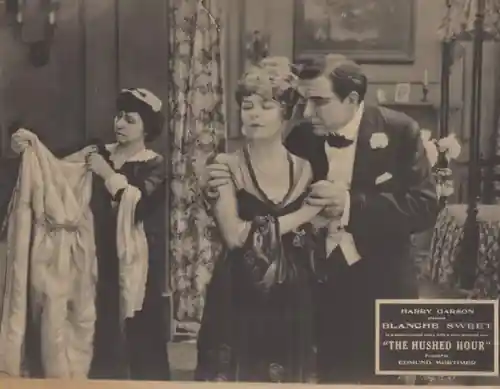
The ultimate realization by the children—the importance of following their father's high moral tenets—is not presented as a sudden, miraculous conversion. Instead, it is depicted as a gradual, often painful, process of introspection and acceptance. This journey towards moral clarity is the film's greatest strength. It suggests that redemption is always possible, but it requires a courageous confrontation with one's past and a conscious decision to alter one's future trajectory. This thematic depth sets 'The Hushed Hour' apart from more simplistic melodramas of the period, aligning it more with films that dared to explore the psychological underpinnings of human behavior, much like the intense personal struggles depicted in The Hun Within, though with a different kind of moral battleground.
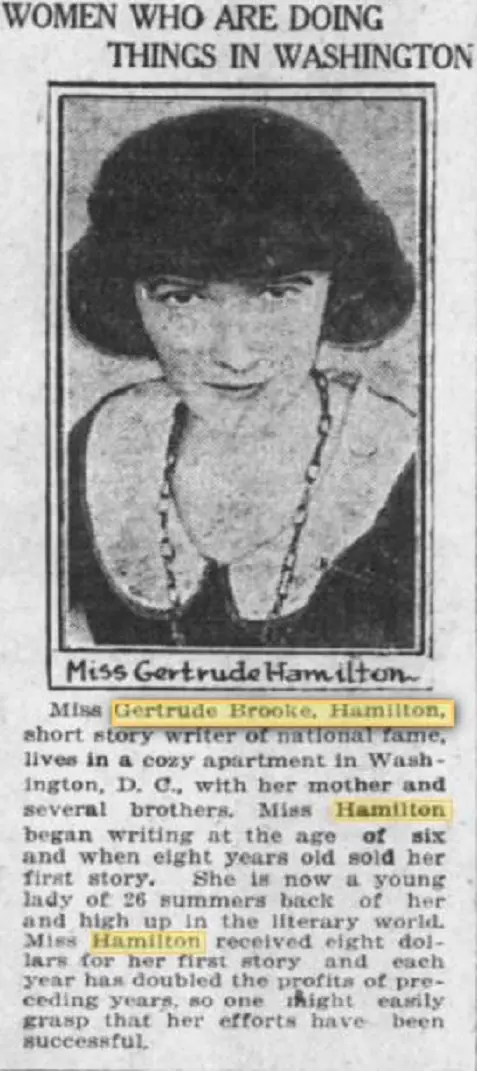
The narrative, penned by Charles Maigne and Gertrude B. Hamilton, demonstrates a keen understanding of human psychology and the dramatic potential inherent in moral conflict. They craft a story that is both intimate in its focus on a single family and universal in its exploration of themes that resonate across cultures and generations. The script avoids saccharine resolutions, instead opting for a more nuanced portrayal of penitence and a renewed commitment to ethical living. It's a powerful reminder that while the past cannot be undone, its lessons can certainly forge a more conscientious future.
The directorial choices in 'The Hushed Hour' were crucial in translating such an internal, abstract concept to the screen. The use of lighting, particularly in the meditation sequences, would have been paramount. Shadows and highlights could have been employed to emphasize the characters' emotional states, the weight of their guilt, or the clarity of their epiphanies. Close-ups on the actors' faces, a staple of silent cinema, would have been used with precision to capture the raw, unfiltered emotions as their pasts unfolded before them.
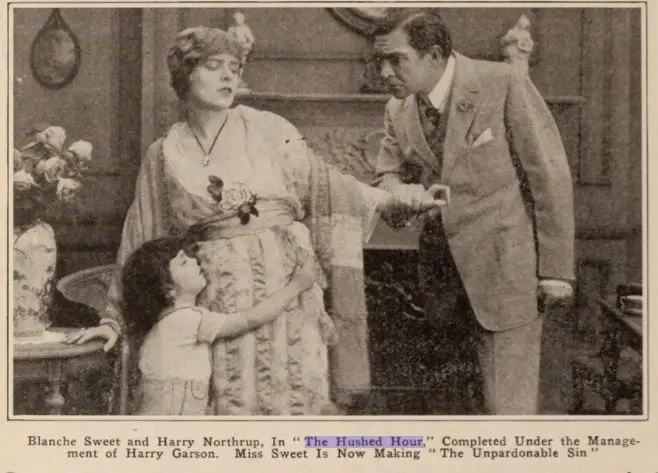
The visual language of the film likely leaned heavily on symbolic imagery. Perhaps the Judge's portrait looms over the grieving children, its silent gaze a constant reminder of their moral shortcomings. Or perhaps the very architecture of the house, once a symbol of stability, becomes a labyrinth of their own making during their hours of contemplation. The film's ability to communicate complex psychological states through purely visual means is a testament to the sophistication of silent film artistry. Unlike the more boisterous patriotic films of the era like To Hell with the Kaiser!, 'The Hushed Hour' finds its power in quietude and internal conflict, a stark contrast that highlights the diverse narrative possibilities of the time.
Even in an age saturated with sound and spectacle, 'The Hushed Hour' possesses an enduring quality. Its exploration of personal accountability, the weight of a parent's legacy, and the transformative power of introspection remains timeless. The film serves as a powerful reminder that true wealth lies not in material possessions or societal standing, but in the integrity of one's character. The concept of confronting one's past, acknowledging one's flaws, and striving for moral improvement is a narrative thread woven through human experience, making this film's message universally applicable.
The film's impact lies in its ability to force a mirror upon the audience, prompting them to consider their own lives in relation to their ideals. It's a quiet, yet forceful, argument for living a life of principle, echoing the sentiment that actions, even unspoken ones, have profound consequences. While it may not be as widely known today as some other silent classics, its thematic richness and artistic execution firmly establish it as a significant work that deserves rediscovery. Its nuanced portrayal of human frailty and the capacity for redemption provides a compelling counterpoint to the more straightforward moral fables of its time, such as A Kentucky Cinderella, which often presented clearer good-versus-evil dichotomies. 'The Hushed Hour' operates in the subtler, more challenging grey areas of the human heart.
In conclusion, 'The Hushed Hour' stands as a compelling example of silent cinema's capacity for profound storytelling. Through its innovative narrative structure, powerful performances, and enduring thematic depth, it invites viewers into a deeply personal journey of moral reckoning. It is a film that speaks volumes without uttering a single word, leaving an indelible impression long after the final reel has spun.
IMDb 5.6
1934
Community
Log in to comment.