DbcultAccessing Vault...
5.4/10
Senior Film Conservator
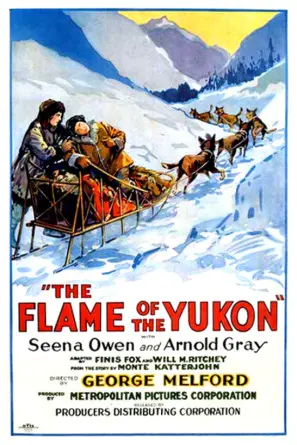
A definitive 5.4/10 rating for a film that redefined the boundaries of cult cinema. The Flame of the Yukon remains a cornerstone of transgressive art.
Should you invest nearly ninety minutes into this 1926 silent relic? Short answer: yes, but only if you have a stomach for the unvarnished melodrama of the silent era and an eye for exceptional character acting. This film is a mandatory watch for fans of early Westerns and those interested in the 'fallen woman' trope, but it will likely frustrate viewers who demand fast-paced action or logical plot resolutions.
The Flame of the Yukon is a film that smells of stale whiskey and wet fur. It doesn't ask for your sympathy; it demands your attention through its sheer, grimy atmosphere. While many films of this era sought to romanticize the frontier, director George Melford (though uncredited in some records, the style is unmistakable) leans into the transactional nature of the Yukon. Everything has a price, from a glass of rotgut to a person's soul.
The Flame of the Yukon is worth watching for Seena Owen’s performance alone. She manages to convey a weary, cynical depth that feels decades ahead of the 1920s. This film is for the cinema historian and the lover of atmospheric character studies. It is NOT for those who find silent cinema boring or those who expect a traditional, happy-go-lucky adventure story.
1) This film works because: Seena Owen’s 'The Flame' transcends the typical 'prostitute with a heart of gold' archetype by grounding her redemption in exhaustion rather than just romance.
2) This film fails because: The third-act arrival of 'Mrs. Fowler' feels like a clunky narrative pivot that undermines the gritty realism established in the first half.
3) You should watch it if: You want to see a silent film that prioritizes character nuance and atmospheric tension over the broad slapstick of Roaring Lions on the Midnight Express or the theatricality of Spartak.
The film’s greatest strength is its setting. The Mias saloon isn't just a backdrop; it’s a character. It is a claustrophobic, smoke-filled purgatory where George Fowler (Arnold Gray) first encounters the predatory reality of the North. Matthew Betz, playing 'Black Jack' Hovey, is the perfect foil to Gray’s naivety. Betz plays Hovey with a sneer that feels like it was etched in granite, embodying the cold greed of the gold rush.
One specific scene highlights this beautifully: when Hovey instructs The Flame to fleece George. The camera lingers on Seena Owen’s face. You see the calculation, the boredom, and then the sudden, sharp realization that George has nothing. It’s a moment of shared poverty that creates a bond more believable than any scripted romance. It’s a far cry from the more polished social dramas like Confessions of a Queen.
The transition from the saloon to the café is a masterstroke of tonal shifting. It moves the story from the darkness of exploitation to the humble light of honest labor. The pacing here is deliberate, allowing the audience to feel the weight of George’s struggle. Unlike the frantic energy of Harem Scarem, this film understands the power of silence and stillness.
Seena Owen is the undisputed engine of this film. In an era often characterized by over-the-top gesticulation, her restraint is shocking. When she provides George with the dog team, her eyes tell a story of sacrifice that the title cards don't need to explain. She isn't just giving him dogs; she's giving him her only means of escape. It’s a visceral, punchy performance that anchors the entire production.
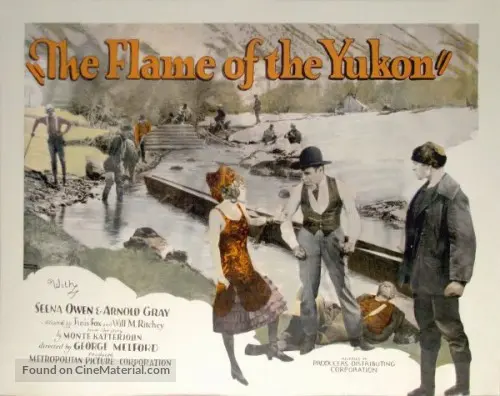
Arnold Gray, as George, is unfortunately the weak link. He is a bit of a blank slate, a generic 'good man' who seems more like a plot device than a human being. His performance lacks the grit found in The Man from Glengarry. He is the lamb, and while the story requires a lamb, a bit more muscle in his acting would have made the gold strike sequence more compelling.
The supporting cast, particularly Winifred Greenwood, adds a layer of melodramatic tension that keeps the middle act from sagging. However, the arrival of the 'Mrs. Fowler' character is where the film’s internal logic begins to fray. It feels like a 'deus ex machina' in reverse—a complication added solely to pad the runtime and provide a moral hurdle that the film doesn't quite know how to jump over.
The cinematography in the Ophir gold strike sequence is surprisingly robust for 1926. The use of natural light on the snow creates a high-contrast aesthetic that emphasizes the isolation of the characters. You can almost feel the chill coming off the screen. This isn't the stylized, artificial world of An Elephant's Nightmare; it’s a world that wants to kill you.
The dog team sequences are particularly impressive. There is a sense of physical weight and momentum that is often missing from silent-era action. The way the sleds cut through the drifts feels authentic, likely because the production didn't have the luxury of sophisticated soundstages. They were out there, in the cold, and it shows. It’s a level of commitment to realism that makes the film feel more modern than its contemporaries like Three X Gordon.
However, the editing in the final act is a bit of a mess, frankly. The cuts between the saloon and the gold fields become erratic, losing the tight focus that made the first half so effective. It’s clear that the writers—Ritchey, Fox, and Katterjohn—were struggling to weave the 'Mrs. Fowler' subplot back into the main narrative. Too many cooks in the kitchen, perhaps?
Pros:
The atmosphere is thick and believable. The film avoids the 'clean' look of many early Westerns. The moral ambiguity of 'The Flame' is handled with surprising maturity. The dog team sequences are thrilling and well-shot.
Cons:
The male lead is forgettable. The third-act twist is a narrative stumble. Some of the title cards are overly flowery and distract from the gritty tone. The resolution feels a bit rushed compared to the slow-burn opening.
The Flame of the Yukon is a sturdy, if occasionally clumsy, piece of frontier fiction. It succeeds on the strength of its lead actress and its refusal to fully sanitize the harshness of the Yukon. It is a film that understands that redemption isn't a gift, but something bought with sweat and sacrifice. While it doesn't reach the heights of the era's greatest works, it is a significant step above standard fare like Lost: A Bridegroom or Charity.
"A film that smells of stale whiskey and wet fur. It doesn't ask for your sympathy; it demands your attention."
Ultimately, this is a film about the price of survival. Whether it's George surviving the elements or The Flame surviving the saloon, the cost is always high. It’s a bleak, beautiful, and occasionally baffling movie that deserves a spot in the conversation about early American cinema. It works. But it’s flawed. And that’s exactly why it’s interesting.
If you find yourself wandering through the digital archives of silent cinema, stop here. Ignore the more polished but hollow offerings like Solid Ivory and give this gritty northern tale your time. You might find that the 'Flame' still has a bit of heat left in her after all these years.
IMDb 6.9
1936
Community
Log in to comment.